Articles

Visit the Sequim Farmers’ Market on Your Weekend Getaway
Best Sequim Farmers Market Weekend in the Pacific Northwest
The Sequim Farmers Market offers a defining experience of the Olympic Peninsula, bringing together local agriculture, artisan goods, and a vibrant community atmosphere from spring through fall. Set in downtown Sequim, the market runs on Saturdays from 10 a.m. to 2 p.m., creating an ideal starting point for a well-planned weekend. Visitors can browse colorful vendor booths filled with seasonal produce, baked goods, and handcrafted items while enjoying the consistent sunshine that makes this region of the Pacific Northwest distinct.
Exploring the Sequim Farmers Market introduces visitors to the people behind the region’s agricultural success. Tables feature rotating selections of fruits and vegetables, from early-season berries and greens to late-summer tomatoes, squash, and herbs. Prepared food vendors offer pastries, breads, and ready-to-eat options that make for a relaxed morning meal. Artisan goods such as pottery, jewelry, and woodwork add variety, giving the market the feel of both a food destination and an outdoor gallery.
Beyond the market, there are many things to do in Sequim that complement a weekend visit. Nearby Sunny Farms Country Store provides year-round access to local produce, meats, and seafood, while Nash’s Farm Stand highlights the reputation of Farms in Sequim with its grains, vegetables, and responsibly raised products. Outdoor experiences are equally accessible, with Dungeness Bay offering kayaking and shoreline walks, and Olympic National Park providing easy access to mountains and coastal scenery. Downtown Sequim adds to the experience with local shops, cafes, and seasonal events that reflect the region’s character.
Hotel in Sequim
Choosing the right Hotel in Sequim enhances the overall experience of a farmers market weekend. A waterfront stay along Dungeness Bay offers direct beach access and views of the surrounding landscape, creating a natural extension of the day’s activities. Guests can unwind in a hot tub, relax in a jetted tub, or enjoy a private porch overlooking the shoreline.
Thoughtful amenities, such as in-room kitchens, make it easy to prepare meals using fresh market finds, while optional add-ons like breakfast delivery or romance packages add convenience and personalization. Offering, pet-friendly accommodations and access to kayak or paddleboard rentals to enjoy at a private beach. Booking a stay nearby allows visitors to fully enjoy both the Sequim Farmers Market and the best things to do in Sequim throughout a weekend getaway from Seattle.
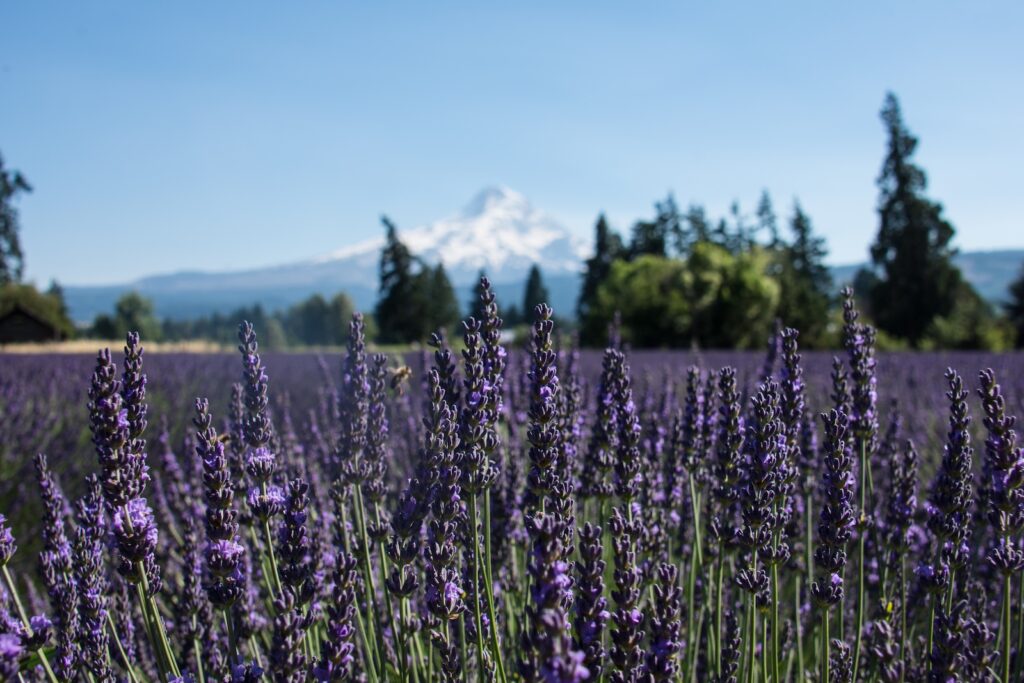
Visit the Top Hood River Lavender Farms This Summer
The Best Hood River Lavender Farms to Visit this Summer
Summer in the Columbia River Gorge brings a vivid display of color, and Hood River Lavender Farms are among the most anticipated seasonal highlights. By late June and early July, fields across the region reach peak bloom, filling the landscape with rows of vibrant purple and a distinct, calming fragrance. Visiting these lavender farms offers a memorable way to experience the natural beauty of the Pacific Northwest while enjoying one of the most popular things to do in the Columbia River Gorge.
Several lavender farms Hood River visitors seek out offer more than scenic walks. Guests can browse farm shops featuring handcrafted goods, culinary lavender products, and locally made gifts. At Hood River Lavender Farm, open fields and sweeping views create an inviting setting for a relaxed afternoon. Nearby, Stave and Stone Winery provides an elevated perspective of the surrounding landscape, pairing lavender views with a beautiful outdoor tasting space.
Van Gogh Lavender Farm welcomes visitors during the summer bloom season with vibrant fields and a focused, small-scale farm experience. At Hope Ranch Lavender Farm, guests can walk through rows of lavender framed by views of Mt. Hood and Mt. Adams, with opportunities to gather fresh bundles and browse the farmstand. Glacier View Lavender Farm, located along the Hood River Fruit Loop, offers a convenient stop between orchards and other agricultural experiences in the area.
Luxury Cabins Near Hood River
A visit to a lavender farm near Portland pairs naturally with a well-located place to stay. A Cabin in Washington State near Hood River provides convenient access to the Gorge while offering a refined lodging experience. Located close to hiking trails, river viewpoints, and local towns, these cabins make it easy to explore the region at your own pace.
After a day spent visiting Hood River Lavender Farms or exploring all the things to do near Hood River, returning to a private cabin offers a comfortable and quiet retreat. Summer is an ideal time for a couple’s getaway in the Pacific Northwest, with long days, clear views, and a wide range of outdoor activities. Plan your visit around peak bloom and secure your stay to fully experience this seasonal highlight.
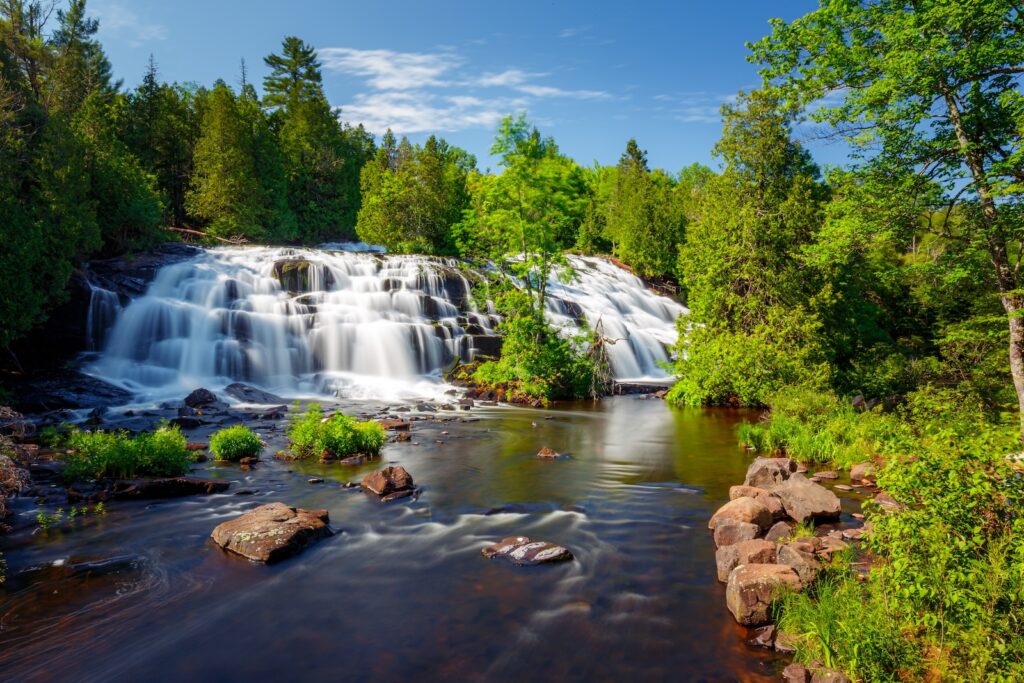
Visit these Breathtaking Waterfalls in Michigan
Best Waterfalls in Michigan for a Midwest Adventure
Michigan is home to more than 300 waterfalls, making it one of the most compelling destinations in the Midwest for outdoor exploration. From powerful river cascades to quiet forest streams, discovering waterfalls in Michigan offers a direct connection to the state’s diverse landscapes. While many of the most dramatic sites are located in the Upper Peninsula, the Lower Peninsula also features accessible, rewarding stops worth adding to any itinerary.
Waterfalls in Upper Michigan often define the experience for first-time visitors. Tahquamenon Falls, located within Tahquamenon Falls State Park, is one of the most recognized examples. The Upper Falls span nearly 200 feet and drop approximately 50 feet, creating one of the largest waterfalls east of the Mississippi River. Nearby, the Lower Falls offer a contrasting experience, with smaller cascades set amid wooded islands. In Pictured Rocks National Lakeshore, Munising Falls and Miners Falls offer short, scenic walks leading to impressive viewpoints. Further west, the Black River Scenic Byway connects multiple waterfalls, including Gorge Falls and Rainbow Falls, creating a route that combines driving with short hikes.
Beyond the Upper Peninsula, waterfalls in Lower Michigan provide a quieter but equally engaging experience. Ocqueoc Falls, the largest waterfall in the Lower Peninsula, features accessible pathways and a wide limestone cascade. Iargo Springs, located near the Au Sable River, offers both a small waterfall and a scenic overlook, accessible via a staircase trail. Additional stops, such as Irontone Springs and the Seven Bridges Recreation Area, introduce smaller waterways and forest settings. Chasing waterfalls is just one of the best things to do in Michigan!
Stay at a Bed and Breakfast in Michigan
After a full day exploring waterfalls in Michigan, choosing a Bed and Breakfast in Michigan adds comfort and a local perspective to your trip. These properties often provide convenient access to nearby parks, scenic routes, and trail systems, making them a practical base for continued exploration.
Guests can expect thoughtfully prepared breakfasts, well-maintained guest rooms, and insight from Innkeepers who understand the surrounding region. Whether you are exploring waterfalls in Upper Michigan or planning stops across the Lower Peninsula, when choosing from places to stay in Michigan, a B&B supports a more connected and efficient travel experience. Booking in advance ensures availability, particularly during peak travel periods when outdoor adventures are at their most popular.
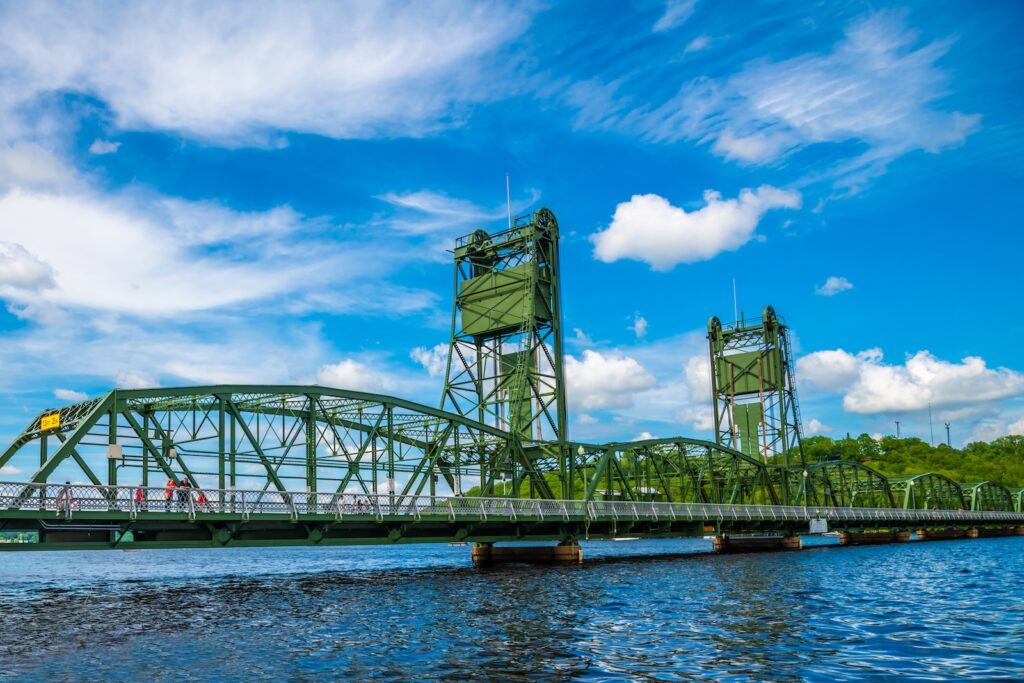
Walk Across the Iconic Stillwater Lift Bridge
Explore the Stillwater Lift Bridge from Downtown
The Stillwater Lift Bridge stands as one of the most recognizable landmarks in the Midwest, offering both historical significance and a scenic outdoor experience. Spanning the St. Croix River between Minnesota and Wisconsin, this historic lift bridge has evolved from a vital transportation route into a pedestrian-friendly attraction. Today, it remains central to many of the top things to do in Stillwater.
Originally constructed in 1931, the Stillwater Bridge was designed with a vertical lift to allow river traffic to pass beneath. Its engineering and longevity earned it a place on the National Register of Historic Places. Following a multi-year restoration, the bridge reopened in 2020 as a space dedicated to walkers and cyclists, providing visitors with a new way to experience the river and the surrounding landscape.
Walking across the Stillwater Lift Bridge is one of the most accessible and rewarding activities in downtown Stillwater. Clearly marked lanes allow pedestrians and cyclists to move comfortably across the span while taking in views of the St. Croix River and the historic riverfront. Midway across the bridge, visitors can pause for photos that capture both the water and the town skyline. During the warmer months, the bridge lift remains in operation, offering the chance to watch the structure rise for passing boats.
Beyond the bridge, visitors can extend their adventure along the St. Croix Crossing Trail Loop, a multi-mile route that connects Minnesota and Wisconsin with scenic viewpoints throughout. Lowell Park, located at the base of the bridge, offers open green space for relaxing along the riverfront. Additional things to do in Stillwater include river cruises, live music, fantastic restaurants, and exploring the many independently owned businesses throughout downtown.
Stay at the Historic Stillwater Hotels
Where you stay enhances your visit. The Water Street Inn is one of the most distinctive Stillwater hotels, located directly along the river and steps from the lift bridge. Its central location makes it easy to explore downtown Stillwater, from shops and restaurants to nearby outdoor attractions.
With its combination of history, accessibility, and scenic views, the Stillwater Lift Bridge remains one of the most memorable historic attractions in the region. Whether you are visiting for a day or planning a longer stay, it offers a central starting point for experiencing everything Stillwater has to offer.
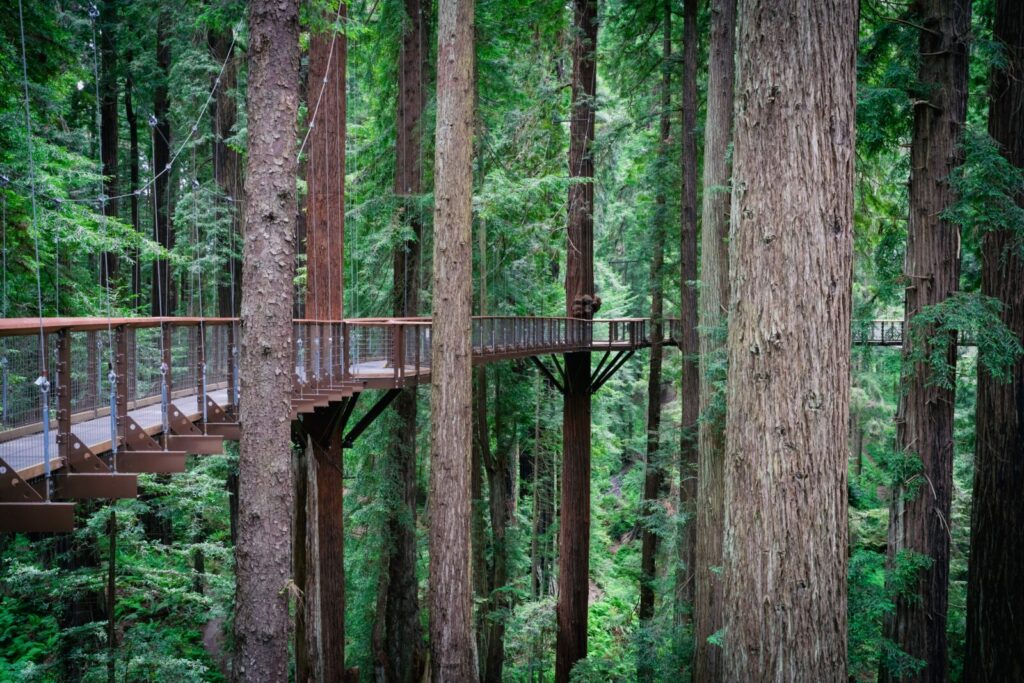
Walk in the Redwood Tree Canopy
The Redwood Skywalk in Eureka CA
The Redwood Skywalk at Sequoia Park Zoo offers one of the most engaging ways to experience the California Redwood Forest from above. This self-guided canopy walk features a network of suspended bridges and platforms rising up to 100 feet, giving visitors a direct view into the upper reaches of towering redwoods. Unlike traditional forest trails, this elevated perspective reveals the scale and structure of these ancient trees in a truly unique way.
Spanning 1,104 feet, the Redwood Skywalk is the longest canopy walk of its kind in the western United States. The gradual ascent leads visitors through the forest with minimal disruption, while an optional adventure section introduces a more dynamic crossing with open mesh decking. The main route remains accessible, allowing a wide range of visitors to enjoy the experience comfortably. Admission also includes entry to Sequoia Park Zoo, California’s oldest zoo, which houses a diverse collection of animals in a compact, thoughtfully designed setting.
Eureka has a well-preserved historic district with Victorian architecture, including the widely recognized Carson Mansion. Its proximity to the Redwood Skywalk and the California Redwood Forest makes it easy to combine outdoor exploration with cultural landmarks. There are so many things to do on the Redwood Coast.
The surrounding area offers a range of experiences for those seeking more ways to explore. Scenic drives along the Redwood Highway connect visitors to dense groves, coastal viewpoints, and trail systems that extend for miles. Stops such as Trees of Mystery offer another perspective on the redwood canopy, combining elevated walkways with interpretive elements.
Whether you are walking among the treetops or exploring the forest floor, the Redwood Skywalk stands out as a defining coastal adventure and a key highlight among things to do in Eureka CA.
Redwood National Park Hotels
For those planning an extended stay, Carter House Inns offers a refined lodging option in the heart of Eureka. Set within restored Victorian buildings, the property places guests within walking distance of downtown and key attractions. As one of the notable hotels near Redwood National Park, it provides a convenient base for exploring nearby destinations such as Redwood National Park, Del Norte Coast Redwoods State Park, and additional redwood canopy tours throughout the region.
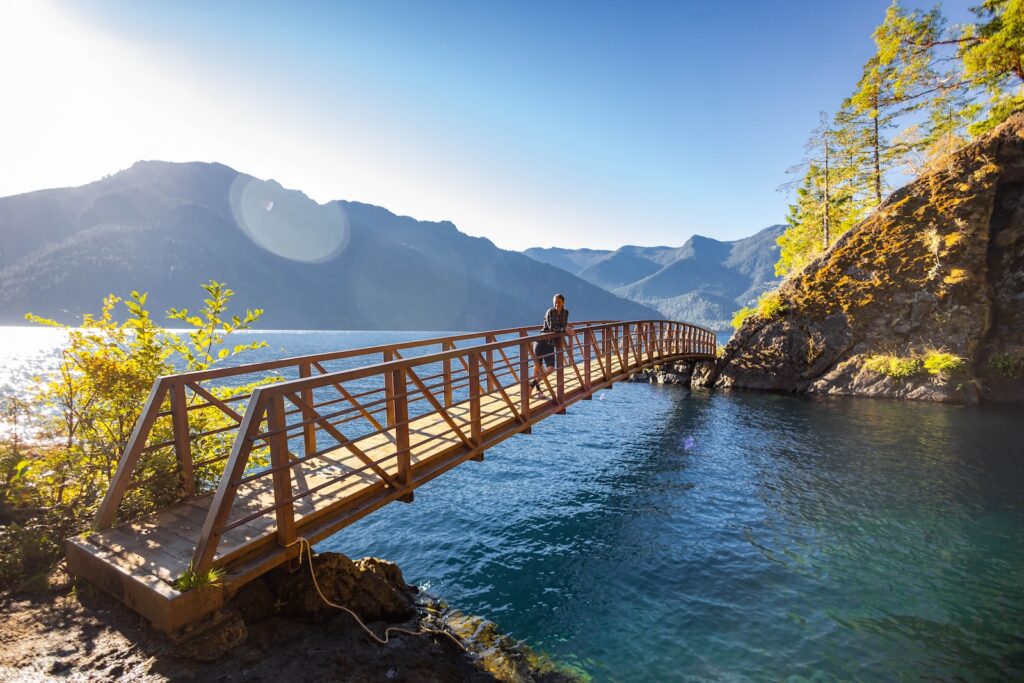
Walk the Spruce Railroad Trail at Lake Crescent
Why the Spruce Railroad Trail Is the Best Way to See Lake Crescent
Most old rail lines disappear once the trains stop running. The Spruce Railroad Trail took a different path, turning a World War I era railroad grade into one of the most scenic waterfront walks in Olympic National Park. The route follows the north shore of Lake Crescent for about eight miles round trip, passing two restored railroad tunnels and a detour to the famous Devils Punchbowl along the way. For anyone planning an adventure trip on the Olympic Peninsula, this trail belongs near the top of the list.
The Spruce Railroad Trail is a great starting point, but with so many things to do in Olympic National Park, it is far from the only reason to plan a trip here. Hurricane Ridge delivers some of the best mountain views in the park, the Olympic National Park beaches on the west side offer a completely different landscape, and Port Angeles adds ferry access to Victoria along with Sequim’s lavender farms and drier climate nearby. Between all of it, you will want more than a single day.
What to Expect on the Spruce Railroad Trail
The trail runs four miles one way between the Lyre River Trailhead and the Camp David Junior Road Trailhead, which puts the full out and back at close to eight miles, plus another mile if you add the Devils Punchbowl detour. It hugs the shoreline of Lake Crescent the entire way, follows the old railroad route as part of the Olympic Discovery Trail, and stays open to bicycles and leashed pets, which is rare inside the park. The path is paved from end to end, making it one of the more accessible hikes in Olympic National Park and a solid choice for families or casual walkers who want lake views without a steep climb.
About a mile in from the east side, you will reach the first of two restored railroad tunnels, with the turnoff for Devils Punchbowl just before it. That side trail is short but rougher, with roots and loose rock leading down to a footbridge over a striking blue-green pool. This spot is the most popular for Lake Crescent swimming, though the water stays cold year-round, so anyone getting in should use caution around the cold temperatures and varying depths.
The trail stays open year-round, but late spring through early fall offers the best conditions for hiking and biking. Bring water, sturdy shoes, and a light for the tunnels, especially on overcast days. Restrooms sit at both trailheads, and parking fills quickly on summer weekends, so an early start helps. If you have extra time, the historic Lake Crescent Lodge is a short drive from the eastern trailhead and makes a good stop for lunch or another angle on the lake.
Where to Stay After a Day at Lake Crescent
A day spent walking the Spruce Railroad Trail and cooling off near Devils Punchbowl is the kind of day that earns a good view to come home to. Olympic National Park Lodging offers vacation rentals across Port Angeles and Sequim built for exactly that. Spend the night twenty feet up in a craftsman treehouse overlooking the Strait of Juan de Fuca, soak in a private hot tub at a bluff-top cabin, or settle into a cozy log cabin with a fireplace after a long day outdoors. Whether you are traveling with your dog, your family, or just your hiking boots, there is a rental designed for the trip.
Full kitchens make it easy to cook dinner after a day on the trail, and several properties welcome pets, so bringing your dog along the Spruce Railroad Trail does not mean leaving them out of the stay. Browse the full collection of vacation rentals near Port Angeles and Sequim, and find the property that puts the Spruce Railroad Trail, Hurricane Ridge, and the rest of the Olympic Peninsula within easy reach.
Book Your Olympic Peninsula Adventure Trip
Whether the Spruce Railroad Trail is your first stop or your last on an Olympic National Park adventure trip, having the right home base changes the whole experience. Book your Olympic National Park lodging today and start planning your route from Lake Crescent to Hurricane Ridge and beyond.
Frequently Asked Questions
Can you swim in Lake Crescent?
Yes. Devils Punchbowl along the Spruce Railroad Trail is the most popular swimming spot on the lake, though the water stays cold year-round and depths vary near the footbridge.
How deep is Lake Crescent?
Lake Crescent reaches depths of several hundred feet in places, making it one of the deepest lakes in Washington State and a major reason its water stays so clear.
Is Lake Crescent in Olympic National Park?
Yes. Lake Crescent sits within Olympic National Park along Highway 101, with the Spruce Railroad Trail tracing its north shore.
How far is Lake Crescent from Port Angeles?
Lake Crescent sits roughly 25 minutes west of Port Angeles by car, making it an easy day trip from Olympic National Park Lodging’s Port Angeles rentals.
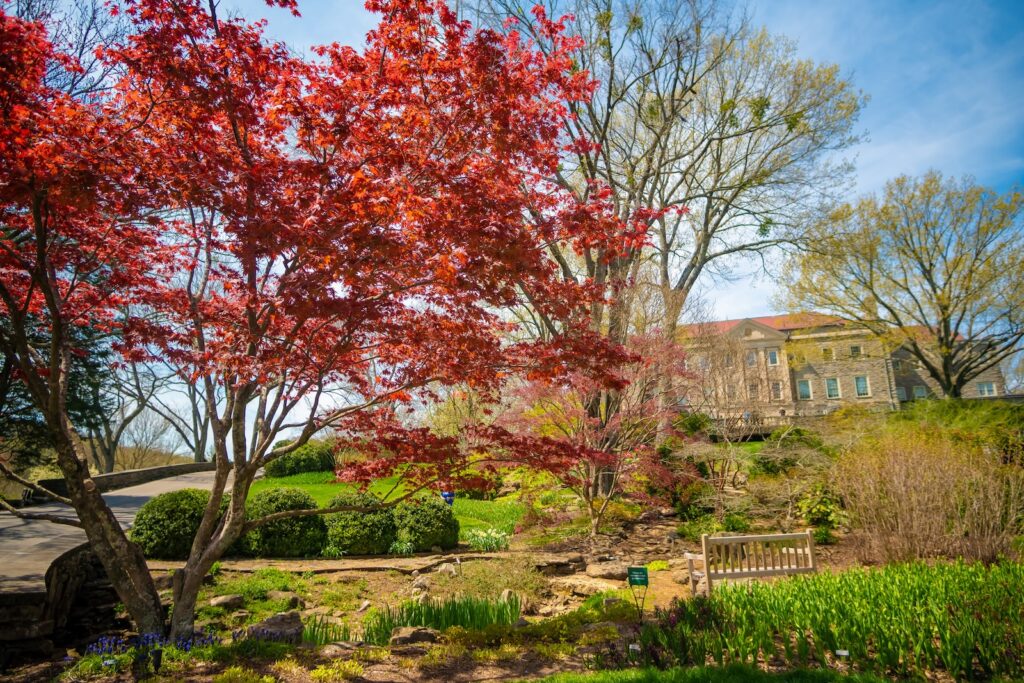
Wander the Gardens and Cheekwood Estate
Visit Cheekwood Estate and Gardens this Year
If you are searching for one of the most beautiful places to visit in Nashville, Cheekwood Estate and Gardens belongs at the top of the list. Tucked into 55 rolling acres on the western edge of the city, this historic estate pairs a Gilded Age mansion filled with world-class art with some of the finest botanical gardens in the South. Whether you are a history buff, a garden lover, or simply planning one of the most romantic places to visit in Music City, Cheekwood earns its reputation as one of the best things to do in Nashville.
Cheekwood sits about eight miles southwest of downtown Nashville, far enough from the Broadway crowds to feel like a genuine escape. Tickets are required for entry, with separate options for garden-only access or garden-plus-mansion access, plus a small parking fee per vehicle. Once your ticket is sorted, the only thing left to plan is where to stay, and a bed and breakfast in Nashville with its own sense of history makes the day feel complete rather than just a stop on a list.
The History Behind Cheekwood Estate
Long before it became a botanical garden, Cheekwood was a private family home built on a fortune made in coffee. The story starts with Christopher Cheek, who launched a wholesale grocery business in Nashville in the 1880s. His son, Leslie Cheek, took the family into the coffee trade, and a cousin’s blend eventually became the iconic Maxwell House brand. When Maxwell House’s parent company sold to General Foods in 1928, Leslie Cheek used his share to build something extraordinary.
Family legend says Leslie met his future wife, Mabel Wood, on a train ride from New York to Nashville. After they married, Leslie purchased 100 acres of woodland west of the city and hired New York architect Bryant Fleming to design a grand country estate, giving him total creative control down to the furniture. The couple traveled to England to source antiques for the home, reportedly filling four railroad boxcars for the journey back.
Construction ran from 1929 to 1932, producing a 30,000-square-foot Georgian-style limestone mansion inspired by 18th-century English manor houses. Leslie Cheek passed away just two years after moving in, and the home stayed in the family for two more decades. In the late 1950s, his daughter Huldah and her husband gifted the estate to the public, and Cheekwood officially opened as a botanical garden and art museum in 1960. Today it holds a place on the National Register of Historic Places as one of the finest surviving Country Place Era estates.
Things to Do at Cheekwood Gardens
With 13 distinct gardens, a 1.5-mile woodland sculpture trail, and a full art museum inside the mansion, it is easy to spend an entire afternoon at Cheekwood Estate. A few highlights worth building a visit around:
- The Botanical Garden and Arboretum. Themed gardens showcase everything from daffodils and dogwoods to a dedicated Japanese garden and a beloved wildflower garden.
- The Ann & Monroe Carell Jr. Family Sculpture Trail. A woodland path dotted with contemporary outdoor sculpture, ideal for a quiet, unhurried walk.
- The historic mansion. Period-furnished rooms and gallery spaces include the William Edmondson collection, the largest anywhere in the world by the self-taught Nashville artist, along with rotating exhibitions.
- Seasonal festivals. Cheekwood in Bloom each spring, Summertime at Cheekwood, Cheekwood Harvest in fall, and the widely loved Holiday LIGHTS display in winter, along with concerts on the grounds throughout the year.
- The Perenn Cafe. The estate’s on-site restaurant is a lovely spot for lunch, or take a picnic out into the gardens instead.
Most guests plan for at least two hours on the grounds, though it is easy to lose track of time and stay much longer.
Why Belle Air Mansion Is the Perfect Place to Stay
After a day spent wandering the gardens of one beautifully preserved Nashville estate, there is something fitting about coming home to another. Belle Air Mansion is a romantic bed and breakfast in Nashville set on six private acres and centered on a lovingly restored 19th-century antebellum home. Like Cheekwood, our estate has its own story of restoration and preservation, and staying here means experiencing that same sense of Southern history up close rather than just visiting for an afternoon.
You will find uniquely appointed rooms across the Mansion, Retreat House, and Cottage, each designed for a romantic getaway, with no two alike. Every morning brings a delicious plated breakfast served in the dining room or on the outdoor veranda, included with every reservation. Relax on the outdoor porches or in the cozy parlor to wind down after a day of sightseeing.
Frequently Asked Questions
Where is Cheekwood in Nashville?
Cheekwood Estate and Gardens sits about eight miles southwest of downtown Nashville, set apart from the busier downtown attractions.
What is Cheekwood in Nashville?
Cheekwood is a historic estate turned public botanical garden and art museum, built as a private home in the early 1930s and opened to the public in 1960.
How many acres is Cheekwood?
The estate spans 55 rolling acres, including 13 distinct gardens and a 1.5-mile woodland sculpture trail.
When was Cheekwood built?
Construction on the Georgian-style limestone mansion ran from 1929 to 1932, with the estate opening to the public as a garden and museum in 1960.
What is there to do at Cheekwood?
Visitors can explore themed botanical gardens, walk the sculpture trail, tour the historic mansion’s art collection, and dine at the on-site Perenn Cafe, with seasonal festivals held throughout the year.
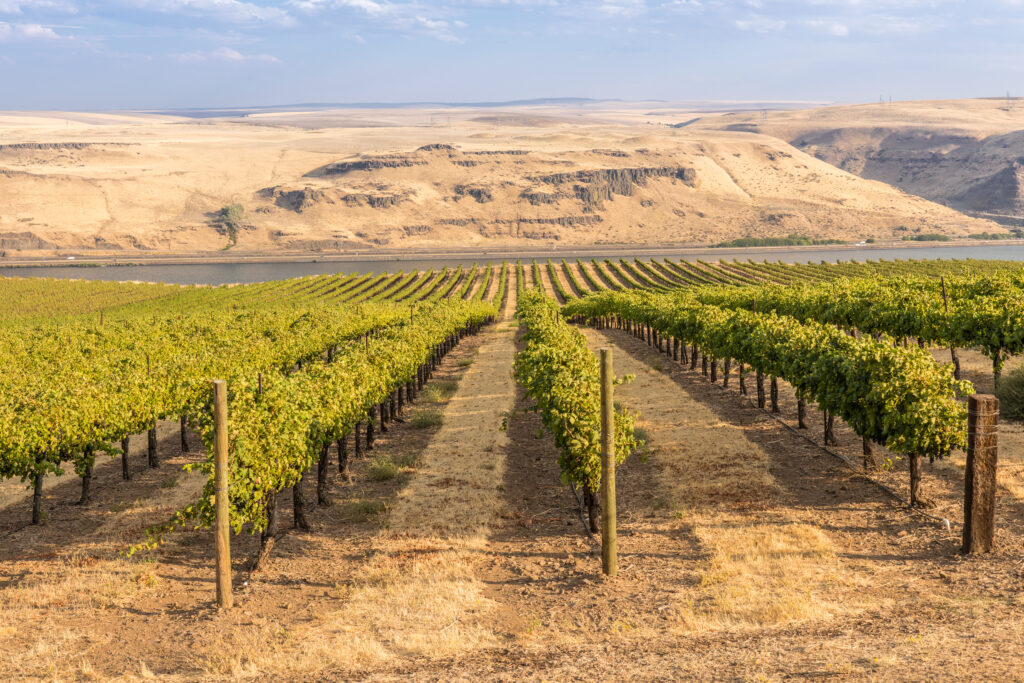
Washington Wine Tasting
Cor Cellars: A Wine Lover’s Essential Stop in the Columbia River Gorge
Cor Cellars has become one of the defining stops in Washington State wineries, and for good reason. The winery sits above the Columbia River in Lyle, Washington, with views of Mt. Hood and the Cascade range that make the tasting itself feel secondary to the setting, at least until the first pour arrives. For anyone building a wine weekend around wineries in the Columbia Gorge, Cor Cellars is the kind of stop that anchors the whole trip.
Founded by Luke Bradford, who began planting vines on the estate property in Lyle before partnering with Meg Gilbert in 2011, Cor Cellars has grown into a producer with a clear identity. The winery focuses on white and sparkling wine varietals grown in the Columbia Gorge AVA, while its reds are sourced from the warmer growing regions of Horse Heaven Hills and the Yakima Valley. That split gives visitors a tasting flight that actually tells a story about Washington wine country rather than just working through a generic list.
What to Expect at the Cor Cellars Tasting Room
The tasting room, designed by Seattle firm goCstudio and completed in 2016, was built around the view as much as the wine. Large windows and a shaded courtyard overlook the hills and cliffs of the Gorge, and an indoor fireplace keeps the space comfortable once the weather turns. The winery produces around 5,000 cases a year, a scale that keeps the tasting room personal rather than crowded.
Open Wednesday through Monday, with seatings typically running from late morning through mid-afternoon in the tasting room and courtyard. Reservations are recommended, especially on weekends, and the winery is happy to accommodate walk-ins by text when space allows. Guests who fall for the wines on a first visit often join the Cor Cellars wine club, which is one of the simplest ways to keep a taste of the Gorge coming home with you between trips.
Your Home Base for a Columbia Gorge Wine Getaway
A day built around wine tasting deserves a luxurious place to unwind afterward, and that is exactly what Carson Ridge Luxury Cabins offers. Our private cabins sit in the forest about an hour from Lyle, close enough to reach Cor Cellars and the rest of the Gorge’s wineries without a long drive, but far enough into the trees to feel like a true escape. Each cabin includes a jetted tub, a gas fireplace, and a private porch, the kind of quiet, romantic setting that turns a wine tasting into a full getaway. Add in a hot breakfast delivered to your cabin each morning, and you have a home base built for exactly this trip.
Cor Cellars is also an easy addition to a longer day of Gorge wine tasting. Wineries in the Columbia Gorge tend to sit close together on the Washington side, so a stop at Cor Cellars pairs naturally with a second or third tasting before you head back to unwind for the evening. Whether it’s wine or waterfalls you are chasing, there are so many things to do in the Columbia River Gorge.
Whether you are visiting Washington State wineries for the first time or you already know the Gorge well, Cor Cellars earns its place on the itinerary. Book your Cor Cellars reservation, then reserve one of the best Columbia River Gorge cabins for the kind of romantic wine country weekend that a hotel room simply cannot match.
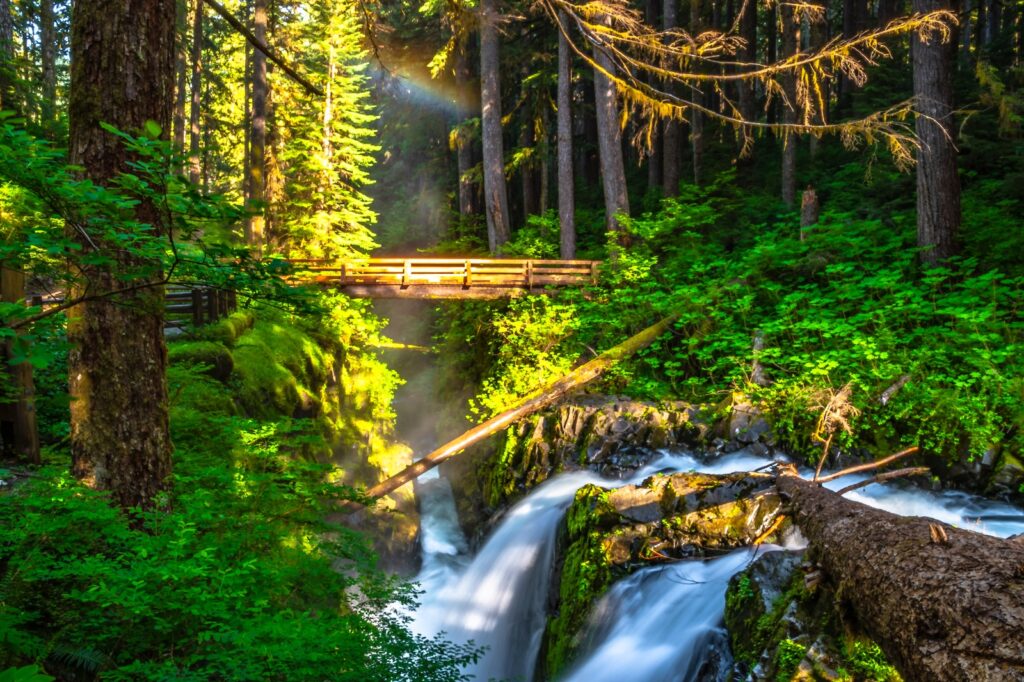
Waterfall Hikes near Port Angeles
Best Olympic Peninsula Hikes for Waterfall Views
Olympic Peninsula hikes offer a diverse way to experience Washington’s landscapes, from coastal paths to forested trails and alpine terrain. While many Olympic National Park hikes draw attention for their elevation and sweeping views, some of the most rewarding routes lead to waterfalls in Washington. These trails provide a closer look at the region’s dense forests, river systems, and seasonal changes, especially when water flow is strong.
Exploring Olympic Peninsula hikes on foot allows you to move through various habitats, where old-growth forests open into river corridors and canyon viewpoints. The variety across the peninsula supports a wide range of hiking experiences, from short, accessible walks to quieter routes that feel more removed from high-traffic areas. In addition to hiking, visitors can round out their itinerary with other things to do on the Olympic Peninsula, including scenic drives, shoreline exploration, and time in areas like Lake Crescent and the Hoh Rain Forest.
Among the most notable hikes near Port Angeles, Sol Duc Falls stands out for its dramatic presentation. A short trail leads to a multi-stream waterfall that drops into a narrow canyon, creating a striking visual framed by evergreens. Marymere Falls, located near Lake Crescent, offers a more gradual hike through forest before reaching a tall, two-tiered cascade. Madison Falls, in the Elwha Valley, is one of the most accessible options, requiring only a brief walk from the parking area.
For those seeking less-trafficked options, Merriman Falls and Willaby Creek Falls near Lake Quinault offer quieter alternatives. Beaver Falls provides a more rugged setting with fewer visitors, adding variety to your list of Olympic Peninsula hikes.
Lodging Near Olympic National Park
Choosing the right lodging can make it easier to experience multiple Olympic Peninsula hikes in one trip. Vacation rentals near Olympic National Park, particularly in Port Angeles and Sequim, provide convenient access to trailheads and nearby attractions. These locations allow you to plan early starts, explore multiple waterfalls in Washington, and return to a comfortable space at the end of the day in Olympic National Park.
With thoughtful planning and well-located lodging, it becomes easier to explore both well-known and lesser-known trails across the peninsula.