Seasonal Guides
A Fall Getaway for Couples at a Pennsylvania Castle
Why a Castle Makes Sense for a Fall Getaway
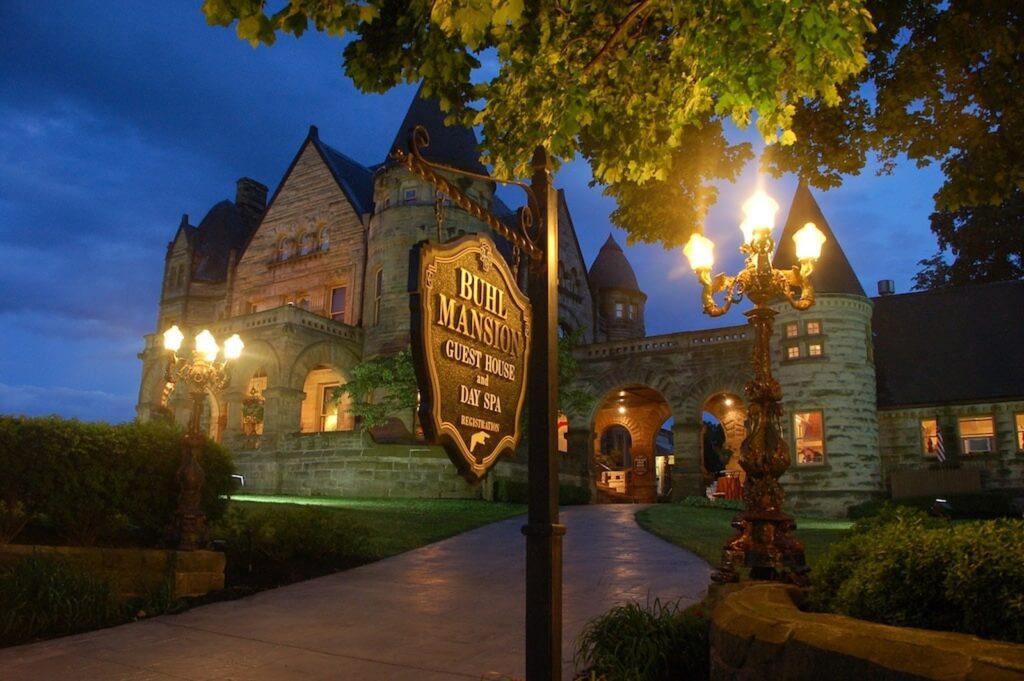
Most lists of fall weekend getaways hand you a dozen towns and a paragraph about leaves. A better fall getaway starts with one place worth staying put in, then adds a few good afternoons nearby. Buhl Mansion Boutique Hotel & Spa, a restored 1896 castle on East State Street in Sharon, PA, suits exactly that kind of couples getaway, with fireplace rooms, an on-site spa, and some of the best autumn in Pennsylvania within an hour’s drive.
Steel industrialist Frank H. Buhl built this Richardsonian Romanesque mansion for his wife, Julia, and its sandstone walls, turrets, and carved woodwork feel right in cooler weather. By October, the gas fireplaces are in regular use and the gardens around the castle have turned gold and rust.
Spend an Afternoon on the Mercer County Wine Trail
Mercer County’s Wine, Brew & Spirits Trail runs two loops: a southern route through Amish farm country and a northern route toward Pymatuning Lake. For a short outing, Webb Winery in Hermitage is a few minutes from the castle and makes its wines from Pennsylvania-grown fruit. For a longer drive, Gatehouse Winery sits in the hills above Pymatuning Lake, where you can share a bottle and a charcuterie board with a view of the water. Gatehouse is open Wednesday through Sunday, so plan the northern loop accordingly. Our wine, brew, and spirits trail guide covers every stop in more detail.
A Cozy Fall Castle Getaway Starts With the Room
Buhl Mansion has ten guest rooms, each with a gas fireplace and a two-person Jacuzzi tub, and several are set inside the castle’s turrets. Champagne is waiting at check-in, and breakfast can be brought to your room the next morning. Guests also have use of the steam room and sauna on the lower level.
With only ten rooms and a policy of welcoming guests 18 and older, the house stays quiet. For most couples, that quiet is the point of a fall getaway. Plan on a second cup of coffee by the window before you head out for the day.
Where to See the Best Fall Foliage Near Pittsburgh
If you are driving in from Pittsburgh, about an hour and fifteen minutes away, the fall foliage in Pennsylvania’s northwest corner gives you a reason to take the long way. Three historic covered bridges make an easy route: Kidd’s Mill in Mercer County, Banks Covered Bridge near New Wilmington, and the bridge at McConnell’s Mill State Park, which crosses Slippery Rock Creek inside a steep, wooded gorge. Color in this part of the state usually peaks in mid-October. Our covered bridges guide includes directions and drive times from the castle.
Book the Spa for Your First Afternoon
Cool air makes a warm treatment room more appealing. The Buhl Mansion Spa offers couples massages, body wraps, facials, and a head spa treatment. A treatment on the afternoon you arrive sets the tone for the rest of your stay, and spa appointments are the one part of the weekend worth reserving well in advance.
Plan Your Fall Weekend
A wine trail afternoon, a covered bridge drive, a spa treatment, and a fireplace room will fill a full weekend with very little planning. If you are comparing romantic hotels in Pennsylvania, reserve directly with us for the full choice of rooms and our current specials.
Book your fall getaway at Buhl Mansion
Frequently Asked Questions
When is peak fall foliage in Pennsylvania?
Peak color varies by region and elevation. In northwestern Pennsylvania, including Mercer and Lawrence counties, it typically arrives in mid-October. The Pennsylvania Department of Conservation and Natural Resources publishes a weekly fall foliage report throughout the season.
Where is a good weekend getaway for couples near Pittsburgh?
Sharon, PA, is about an hour and fifteen minutes north of Pittsburgh. Buhl Mansion pairs an adults-only castle stay with an on-site spa, nearby wineries, and three historic covered bridges within an hour’s drive.
What makes a good fall getaway in Pennsylvania?
A good fall getaway combines a comfortable place to stay with a few easy outings. In Mercer County, that means a winery afternoon, a covered bridge drive during peak foliage, and an evening by the fireplace.
Is Buhl Mansion open for fall weekend stays?
Yes. Fall is one of the property’s most requested seasons, so we recommend booking rooms and spa treatments early.

A Romantic Getaway in the Columbia River Gorge
A Columbia River Gorge Romantic Getaway This Winter
Winter invites a slower pace, making it the perfect season to reconnect and enjoy time together. For couples planning a Columbia River Gorge romantic getaway, winter adds an extra layer of intimacy, crisp air, snowy landscapes, and evenings best spent fireside with someone you love. Just a short drive from Seattle, Carson Ridge’s cozy cabins in the Columbia River Gorge offer a secluded escape designed entirely around romance, privacy, and comfort.
Located in the heart of the Columbia River Gorge, just across the Bridge of the Gods near Hood River, these luxury cabins place you close to adventure and all the top things to do in the Columbia River Gorge, while still keeping that feeling of being worlds away from everyday life. Whether your idea of romance includes snowshoeing waterfall trails, skiing on Mount Hood, or exploring local wineries, the Gorge delivers unforgettable winter experiences. Couples can also enjoy quieter moments like stargazing at Goldendale Observatory or savoring intimate dinners at beloved Hood River restaurants.
Luxury Cabins Designed for Couples
What sets our cabins in Washington apart from other cabin getaways is the thoughtful balance of privacy and indulgence. Each of the ten luxury cabins is positioned for seclusion and outfitted with king or queen beds, cozy robes, snack baskets, fireplaces, and large in-cabin jetted tubs. Step outside to wander the gardens, warm up by the fire pit, or simply enjoy the winter wildlife that surrounds the property.
Mornings can be as relaxed or indulgent as you like. Choose a gourmet three-course breakfast served in the lodge, delivered privately to your cabin, or opt for uninterrupted time together. For an added layer of romance, book an in-cabin couples massage and enjoy a soothing experience without ever leaving your space.
Winter in the Columbia River Gorge is filled with romantic things to do, but there is just as much beauty in doing nothing at all. Our cabin getaways offer couples the chance to disconnect, unwind, and focus on each other in one of the most scenic settings in the Pacific Northwest. Few romantic getaways in Washington offer the same combination of luxury, privacy, and access to unforgettable experiences.
A Self-Guided Walking Tour of Old Town Eureka
Walk Old Town Eureka From Your Front Door
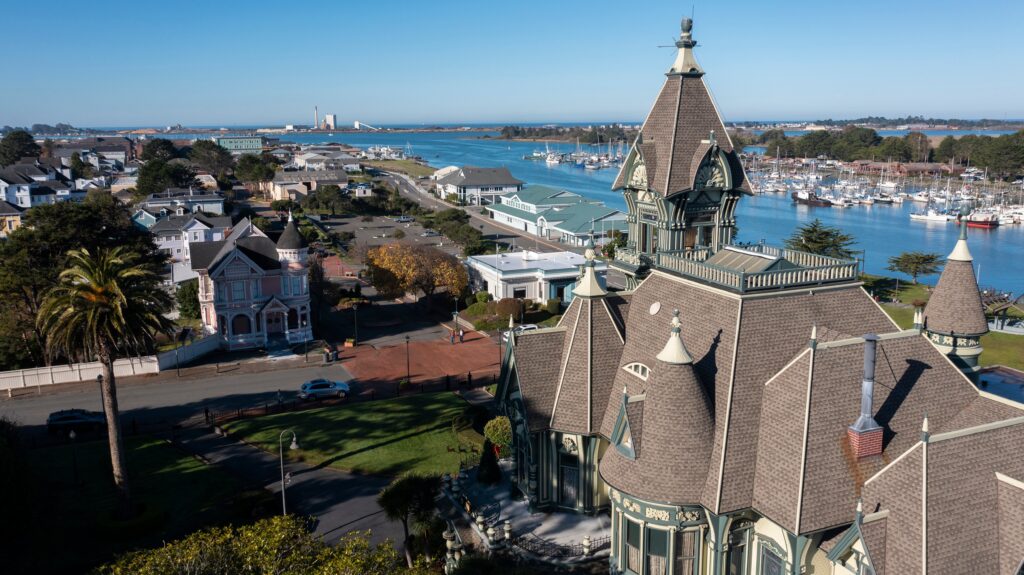
Old Town Eureka is one of the best-preserved Victorian districts in the country, and you can see most of it on foot in a single afternoon. This self-guided loop covers about 1.2 miles of downtown Eureka, starting and ending at Carter House Inns at 3rd and L Street. Early fall is an especially good time to go, because the summer fog usually lifts by mid-morning and the sidewalks are quieter.
Plan on 1.5 to 3 hours, depending on how long you spend in shops and the Clarke Historical Museum. The route is flat and paved, with curb cuts at every intersection, so it works well for strollers and wheelchairs. Most shops and galleries are open from late morning through mid-afternoon, Tuesday through Saturday.
Stop 1: Carter House and the Carson Mansion
Carter House is a faithful rebuild of an 1884 Queen Anne designed by Newsom & Newsom, the architectural firm behind much of the Victorian architecture on this route. Walk north on L Street to 2nd Street, then one block east to the Carson Mansion at 2nd and M. Lumber baron William Carson built it in the 1880s, and it is the most photographed building in Eureka, with turrets, spindles, and hand-carved detail on nearly every surface. It operates as a private club, so you will need to admire it from the sidewalk. The Pink Lady across the street is a smaller, softer contrast and makes a good second photo.
Stop 2: Old Town Eureka Shops on 2nd Street
Head west on 2nd Street into the historic core, roughly between F and C Streets. Timber wealth built these commercial blocks in the late 1800s, and most original facades survive above the modern storefronts, so look up as you walk. Most of the Old Town Eureka shops are on this stretch, including bookstores, galleries, longtime jewelers, and independent boutiques. Watch for the large murals throughout the district, many tied to the region’s maritime and Indigenous history. If you would rather ride than walk, Old Town Carriage Co. offers horse-drawn tours from Old Town Square at 2nd and F.
Stop 3: The Clarke Historical Museum
At 3rd and E, the Clarke Historical Museum occupies the landmark Bank of Eureka building. Its exhibits follow Humboldt County from the Gold Rush and the timber boom to today. Its Native American collection, drawn from the Wiyot, Yurok, Karuk, and Hoopa peoples, is one of the most significant in the country. Admission is by suggested donation.
Stop 4: Galleries and Old Town Eureka Restaurants
Galleries along 2nd and 3rd Streets show paintings, ceramics, glass, and photography by Redwood Coast artists, and most welcome walk-ins during regular hours. Old Town Eureka restaurants, cafes, and bakeries fill historic storefronts nearby, and our guide to where to eat in Eureka has specific recommendations.
Stop 5: The Eureka California Old Town Waterfront
Any cross street between C and F leads to the boardwalk on Humboldt Bay, with open views toward Woodley Island and the working harbor. The dock for the Madaket, which has crossed Humboldt Bay since 1910, is along this stretch if you want to add a harbor cruise. On 1st Street, Dick Taylor Craft Chocolate makes bean-to-bar chocolate from only cacao and cane sugar. Order a cup of drinking chocolate and take a single-origin bar home.
Stop 6: Back Along 3rd Street
Return to Carter House by heading east on 3rd Street. This quieter stretch passes smaller Victorian storefronts and a few converted cottages, so you close the loop without retracing your steps.
Practical Notes for Old Town Eureka, CA
Coastal fog can roll in quickly, so carry a light layer even on clear days. Our guide to historic landmarks in Eureka covers each building on the route in more detail.
A Coastal Getaway Base Among Old Town Eureka Hotels
Because Carter House is where the route begins, you can split the walk in two. See the mansions and museum in the morning, take a break in your room, and save the waterfront for late afternoon. Many rooms have fireplaces and whirlpool tubs, breakfast is included, and Restaurant 301 serves garden-to-table dinners on site. For a coastal getaway centered on Humboldt Bay and the Victorian district, book your stay at our Old Town Eureka hotel directly.
Old Town Eureka FAQ
What is there to do in Old Town Eureka?
You can walk the Victorian district, photograph the Carson Mansion, browse the shops and galleries on 2nd Street, visit the Clarke Historical Museum, and walk the Humboldt Bay boardwalk. Harbor cruises and carriage tours also depart from Old Town.
What is Eureka, California, known for?
Eureka is known for its Victorian architecture, its working harbor on Humboldt Bay, and its location on the Redwood Coast. Much of Old Town was built during the timber boom of the late 1800s.
Where should I eat in Eureka, CA?
Old Town has cafes, bakeries, and sit-down restaurants in historic storefronts along 2nd and 3rd Streets. Restaurant 301 at Carter House serves garden-to-table dinners.
Where should I stay in Eureka, CA, to walk Old Town?
Carter House Inns is at 3rd and L Street, within walking distance of the Carson Mansion, the shopping district, and the waterfront.
Does it snow in Eureka, CA?
Snow is rare in Eureka. The coastal climate stays mild year-round and fog is common, so a light jacket is the most useful thing to pack for a walk.

A Wisconsin Winter Getaway With a Private Spa
The Ideal Wisconsin Winter Getaway for Couples
Winter in the Midwest has a way of encouraging couples to slow down and reconnect, and there’s no better place to do that than during a Wisconsin winter getaway. When fresh snow blankets the landscape and the air turns crisp, this season invites both quiet moments and memorable experiences shared together. Whether you prefer relaxing indoors or exploring all the things to do nearby, a romantic escape in Wisconsin delivers the perfect balance.
Hidden Serenity, an upscale Bed and Breakfast in Wisconsin, is ideally positioned for couples seeking a cozy retreat paired with adventure. Located just outside West Bend, this romantic Wisconsin bed and breakfast offers easy access to charming towns like Cedarburg as well as scenic destinations such as the Northern Unit of the Kettle Moraine State Forest. Winter days can be spent snowshoeing, skiing, or enjoying peaceful walks before returning to a warm and welcoming atmosphere designed for two.
A Romantic Bed and Breakfast Experience in Wisconsin
With only seven thoughtfully designed guest rooms, the inn offers an intimate setting that naturally encourages relaxation and connection. Couples often spend their time enjoying fireside conversations, playing board games in the common areas, or taking in the quiet beauty of the property’s trails during winter.
One of the most memorable parts of a Wisconsin winter getaway is the complimentary 90-minute spa experience. Designed to restore both body and mind, the spa includes a steam room, sauna, jetted hot tub, cold deluge shower, and cozy seating near the fireplace. Large windows frame the surrounding forest, creating a peaceful environment that feels worlds away from daily routines.
Mornings begin with a freshly prepared breakfast served in the dining room. Seasonal menus rotate between sweet and savory dishes, offering something hearty and satisfying before another day of exploring. From romantic sleigh rides and winter sports to museums, theaters, and local dining, there are countless things to do in West Bend, WI during the colder months.
If you’re dreaming of a winter getaway in Wisconsin that blends romance, comfort, and unforgettable experiences, this is the season to plan your escape.
Alaska in the Fall: The Best Things to Do in Juneau
What to Do in Juneau, Alaska This Fall
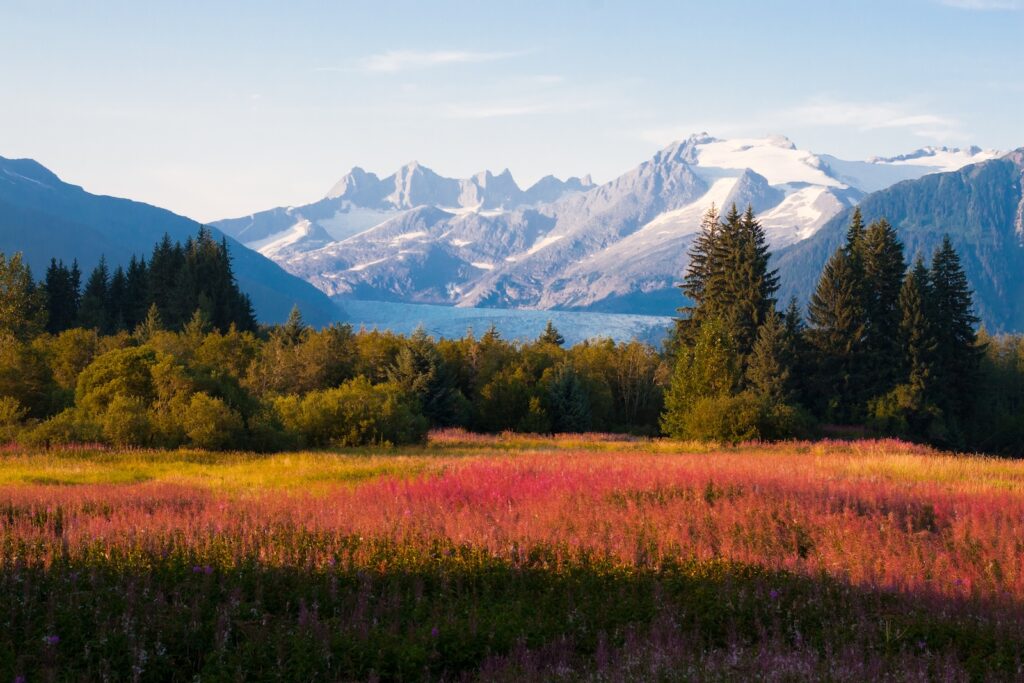
Fall in Juneau runs from late August through November, and it might be the best season the city offers. The cruise ships thin out, prices ease, and the town settles into a quieter rhythm that suits anyone wondering what to do in Juneau, Alaska once summer traffic clears. Temperatures sit in the 40s and 50s, rain gear is non-negotiable, and locals watch for “termination dust,” the first dusting of snow that appears on the mountains above town and signals the season has turned.
Find the Beautiful Fall Colors
Alaska’s fall foliage rarely gets the attention New England’s does, but it earns it. Meadows turn gold, blueberry bushes flush red along the trailheads, and Douglas Island shifts into a solid wave of color across the channel. The Trail of Time near Mendenhall Glacier is an easy, flat walk through a shifting palette and is well-suited for families. Dan Moller Trail climbs into higher meadows where the color turns earlier in the season, and West Glacier Trail winds through spruce stands before opening onto rocky overlooks above the glacier itself. That last one is best tackled with an experienced guide given the terrain.
Wildlife Watching Peaks Before Winter
Fall is arguably the strongest wildlife window of the year. Humpback whales feed heavily in local waters before their southern migration, and whale-watching tours out of Auke Bay tend to be especially productive this time of year. Bald eagles collect in the shoreline trees, and bears make their final push at the salmon runs. Pack Creek on Admiralty Island is a well-known brown bear viewing spot, while Steep Creek near the glacier draws black bears when the salmon are running thick. A floatplane trip out to Admiralty Island is worth building into the itinerary if wildlife is the priority.
Spend an Afternoon Downtown
Cooler weather turns downtown Juneau into a walking city. The Alaska State Museum and the Juneau-Douglas City Museum cover everything from Tlingit heritage to Gold Rush history, and both make a good rainy-afternoon stop. The monthly First Friday Art Walk keeps galleries and studios open late with local art and music. For food, Tracy’s Crab Shack is known for Red King Crab, and Deckhand Dave’s serves a solid halibut taco; Alaskan Brewing Co. and Amalga Distillery cover the drink side of things.
Fall Events to Plan Around
Juneau’s fall calendar has real substance. Perseverance Theatre runs symphony and stage performances throughout the season; Halloween brings costumed trick-or-treaters through downtown and the valley; and if the trip stretches into late November, the Juneau Public Market opens the holiday season with local makers and seasonal goods. Check the local events calendar before locking in dates so an evening or two can be built around whatever’s happening.
Where to Stay in Downtown Juneau
Among hotels in Juneau, Alaska, the ones worth booking are the ones that put you within walking distance of everything above. Alaska’s Capital Inn sits right in downtown Juneau, a boutique B&B where the innkeepers know the fall calendar well, from which trails are turning to which boats are seeing whales that week. Mornings bring a full breakfast, evenings bring a happy hour with local snacks and drinks, and the rooms themselves are furnished in Arts and Crafts style, some with fireplaces and jetted tubs, others with quiet seating areas overlooking the garden. It’s a lovely place to plan your fall getaway to Juneau.
FAQ: Fall in Juneau, Alaska
What is the best time to see fall colors in Alaska?
Late August through late September is typically peak color in the Juneau area, with higher-elevation trails like Dan Moller turning first.
Is Juneau a good place to visit in the fall?
Yes. Fall brings shoulder-season pricing, thinner crowds, active whale and bear watching, and a full calendar of downtown arts events, making it one of the more underrated times to visit.
What wildlife can you see in Juneau in the fall?
Humpback whales, bald eagles, and both brown and black bears are all active in the Juneau area during fall, with salmon runs drawing bears close to town at spots like Steep Creek.
What should I pack for Juneau in the fall?
Layers and reliable rain gear. Temperatures typically run in the 40s and 50s, and rain is common even when the days start clear.

An Epic Day Snowshoeing at Hurricane Ridge, Washington
Best Hurricane Ridge Winter Activities Near Sequim
Winter at Hurricane Ridge transforms Olympic National Park into a bold, snow-covered playground filled with crisp air, wide-open views, and unforgettable mountain scenery. Just a short drive from Sequim, Hurricane Ridge is one of the most accessible winter adventure destinations in Washington, making it ideal for travelers who want snow without a long, complicated journey.
Thanks to Sequim’s famously drier microclimate, you can enjoy winter conditions while still returning to clear skies and coastal comfort at the end of the day. From bluebird snow days to dramatic cloud cover rolling across the peaks, Hurricane Ridge Washington delivers variety, beauty, and true seasonal excitement.
Snowshoeing is one of the most popular Olympic National Park winter activities, and Hurricane Ridge offers trails for every experience level. Beginners can explore the open meadows near the main parking area, where gentle terrain allows time to enjoy the views. More confident snowshoers often head toward Hurricane Hill, a classic route known for its panoramic payoff. Experienced adventurers may tackle Mount Angeles, a challenging climb that rewards with sweeping mountain perspectives.
Beyond snowshoeing, winter fun at Hurricane Ridge includes skiing, snowboarding, tubing, and cross-country skiing when conditions allow. The Hurricane Ridge Ski Area provides lift-served terrain with incredible Olympic views, while Nordic routes offer quieter ways to explore the snow-covered landscape. Backcountry skiing is also popular for those with the right experience and preparation.
Places to Stay Near Hurricane Ridge
After a full day in the mountains, staying close to the park makes all the difference. Juan de Fuca Cottages offers waterfront Sequim lodging that blends comfort with easy access to adventure. Located on Dungeness Bay, these cottages provide private beach access, walking trails, and peaceful views that feel especially rewarding after a day in the snow.
Warm up in your cottage, take a sunset walk along the shoreline, or gather around the fire pits as the sky fades over the Olympics. With Port Angeles and Hurricane Ridge just a short drive away, you’re perfectly positioned to enjoy early starts and relaxed evenings. If you’re looking for one of the best places to stay near Hurricane Ridge, this winter adventure getaway delivers both location and comfort. Book your stay and experience the season at its best.
Apple Picking in Vermont: Orchards, Farm Stands, and Corn Mazes Near Warren
Apple Picking and the Fall Harvest in Central Vermont
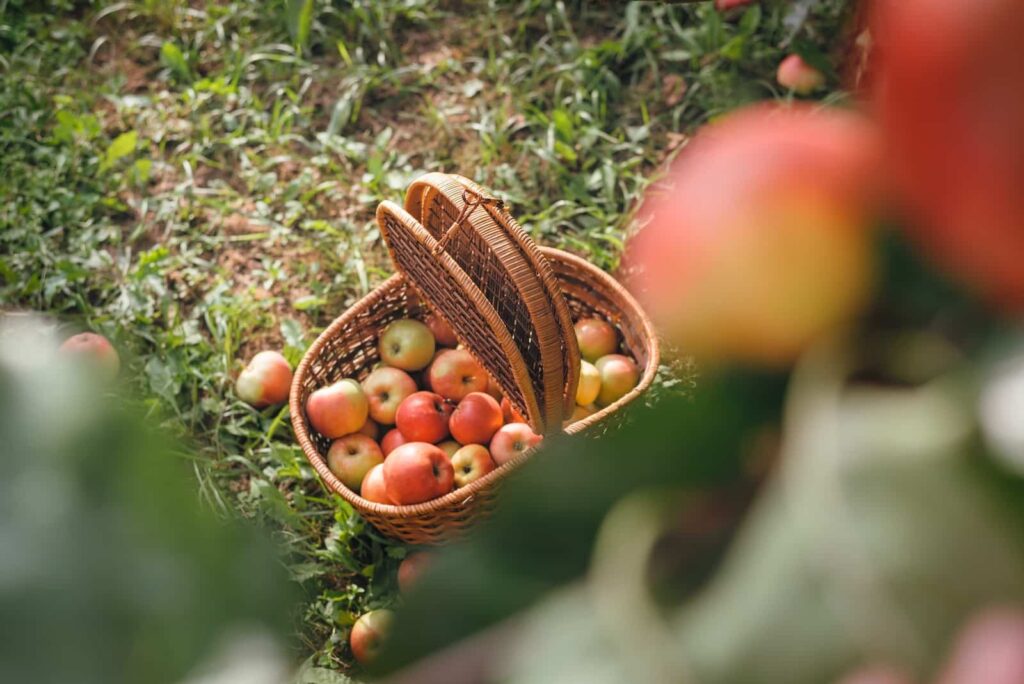
Foliage gets most of the attention in the Mad River Valley each autumn, but apple picking is what turns a scenic drive into a full afternoon outdoors. By late September, farm stands along Route 100 are stacked with pumpkins, cider is pressed fresh, and several Vermont apple orchards within a day’s drive let you fill a bag straight from the tree. Here is where to go from West Hill House, and how to build the harvest into a fall getaway.
Close By: Hartshorn Organic Farm in Waitsfield
Hartshorn Organic Farm sits on Route 100 in Waitsfield, a short drive from our inn. The certified organic farm stand is open daily through October, and in autumn the tables fill with pumpkins, winter squash, local jams, and the farm’s own maple syrup. It is not a pick-your-own orchard, but it is the easiest place in the valley to choose a pumpkin and stock the car for the season.
For Cider: Cold Hollow Cider Mill
If fresh cider and warm cider donuts are the goal, Cold Hollow Cider Mill in Waterbury is roughly forty minutes north. We have written a full guide to the mill, and it pairs naturally with a day in Stowe.
The Closest Pick-Your-Own: Burtt’s Apple Orchard
There is no pick-your-own orchard in the Mad River Valley itself, so true apple picking means a scenic drive. Burtt’s Apple Orchard in Cabot, about an hour northeast of Warren, began as a high school project in 2005 and now grows around 40 varieties on a compact hillside plot. The trees are kept low, so most fruit is within reach without a ladder, and the farm adds a corn maze, a pumpkin patch, and cider donuts at the farmstand. Hours shift through the season, so check their website before you leave.
Why Our Vermont Bed and Breakfast Works as a Home Base
Every stop in this guide is an easy day trip from West Hill House. Our 1850s farmhouse sits on a country road in Warren, one mile from Sugarbush and just off Route 100, so you can head out after breakfast and return with daylight to spare. Each of our nine guest rooms has a private bath, and breakfast is three courses made from scratch every morning. When you come back with cold hands and a bag of apples, the gardens, ponds, and common rooms are ready for an unhurried hour before dinner. We also offer free EV charging, so after a long drive to Cabot or Shoreham you can plug in overnight and start the next day fully charged.
Worth the Drive: Corn Mazes and Lake Champlain Views
Two destinations sit roughly ninety minutes from Warren in opposite directions. The Great Vermont Corn Maze in Danville cuts a new design every year, and this season’s pattern features snowflakes. The big maze includes bridges and an underground tunnel and can take two to three hours to solve. It closes for the season by mid-October, and prolonged rain can close it on a given day, so check its status that morning.
Southwest toward Lake Champlain, Champlain Orchards in Shoreham grows about 146 apple varieties and posts a pick-your-own tracker on its website so you can see what is ripe before you go. After picking, try a hard cider pressed and fermented on site while you take in the view across the lake to the Adirondacks.
When Is Apple Picking Season in Vermont?
Most Vermont apple orchards open for picking in late August or around Labor Day and continue through October, depending on the growing season. Burtt’s lists daily hours from late August through Halloween, and a Vermont pumpkin patch will typically stay open through the end of October. To line up harvest activities with peak color, plan your visit for late September through the first week of October.
Apple Picking FAQ
When is apple picking season in Vermont?
Apple picking in Vermont generally runs from late August through October, with each orchard setting its own dates based on the harvest.
When is the best time to go apple picking?
In central Vermont, late September through early October offers a wide selection of varieties and the best chance of pairing orchards with fall foliage.
Where can I go apple picking near the Mad River Valley?
Burtt’s Apple Orchard in Cabot is the closest pick-your-own orchard, about an hour from Warren, and Champlain Orchards in Shoreham is about ninety minutes away.
What should I wear apple picking?
Wear layers and closed-toe shoes that can handle damp grass and uneven ground, since Vermont mornings are cool and most orchards sit on hillsides.
Plan Your Fall Getaway
Book your stay at our Vermont bed and breakfast, and we will help you choose the orchard, farm stand, or corn maze that fits the day you have in mind.

Attend the Berks Jazz Fest this Spring in PA
Best Berks Jazz Fest Experience in Reading This Spring
Each spring, the Berks Jazz Fest transforms Reading, PA, into one of the most exciting music destinations in the region. Known for attracting legendary performers alongside emerging artists, the festival draws jazz fans from across the country who come for both the music and the atmosphere. For visitors looking for unique things to do in Reading, PA, the Berks Jazz Fest offers an immersive, vibrant experience worth planning a getaway around.
What makes the Berks Jazz Fest especially appealing is its variety. Over the course of the extended spring schedule, guests can attend major concerts in grand venues while also discovering intimate performances in clubs and community spaces throughout Berks County. Many visitors enjoy building full days around the music, catching an afternoon set, exploring West Reading, enjoying dinner, then heading back out for an evening performance. This rhythm makes the festival easy to enjoy without feeling rushed.
A Unique Bed and Breakfast in Reading, PA
Between performances, there are plenty of things to do in Reading beyond the jazz fest schedule. Penn Avenue in West Reading offers walkable dining, shopping, and cafes, making it a natural gathering place for visitors. Seasonal events, local art spaces, and nearby attractions add even more depth to a spring visit.
After full days of music and exploring, staying at a refined Bed and Breakfast in Reading, PA, adds balance to the experience. Set just minutes from West Reading, a mountain-view inn offers a peaceful retreat while keeping guests close to all the events Reading, PA has to offer. Thoughtful amenities, personalized hospitality, and quiet surroundings create a welcome contrast to the festival’s energy.
Springtime also invites outdoor exploration. Scenic trails, nearby lakes, and iconic viewpoints, such as the Reading Pagoda, offer memorable daytime activities before evening concerts. For travelers seeking a unique spring getaway that blends culture, music, and local discovery, the Berks Jazz Fest delivers an experience that feels both lively and deeply enjoyable.

Best Outdoor Winter Activities in Olympic National Park
Winter transforms Olympic National Park into an adventure playground filled with snow-covered peaks, misty forests, and quiet coastal views. With fewer visitors and dramatic seasonal scenery, winter is one of the best times to explore the park’s diverse landscapes. From alpine recreation to rainforest walks, winter activities in Olympic National Park offer a refreshing way to experience the Peninsula.
Hurricane Ridge is the centerpiece of winter adventure in the park. The Hurricane Ridge Ski Area offers downhill skiing, snowboarding, tubing, and cross-country skiing, all paired with sweeping views of the Olympic Mountains and the Strait of Juan de Fuca. Snowshoeing is another favorite, whether you join a ranger-led walk or explore marked routes through snow-covered forests. At lower elevations, winter hiking remains accessible and rewarding. The trail to Marymere Falls near Lake Crescent stays open year-round, while the Hoh Rainforest in winter delivers moss-lined trails, rushing rivers, and a quieter, more immersive experience.
Coastal areas bring a different kind of winter fun. Rialto Beach and Ruby Beach are ideal for storm watching, tide pooling, and dramatic sunsets, making them standout winter activities in Olympic National Park. Wildlife viewing also improves during the quieter season, with chances to spot Roosevelt elk, bald eagles, river otters, and black-tailed deer. Photographers and scenic drivers will appreciate winter’s softer light, fresh snowfall, and peaceful roadways throughout the park.
Where to Stay for Winter Activities in Olympic National Park
After a full day outdoors, comfortable lodging makes all the difference. Staying in Sequim puts you close to Hurricane Ridge, Lake Crescent, and easy access points to the Hoh Rainforest. Juan de Fuca Cottages is unique Lodging in Sequim that offers a convenient home base for winter adventure while providing a warm, welcoming place to unwind.
Private cottages with fireplaces, kitchens, and water or mountain views are ideal for families, couples, and small groups. Many travelers appreciate the added comfort of a hot tub after skiing or snowshoeing, along with easy access to local restaurants and shops. This balance of adventure and comfort is what makes winter trips to the Olympic Peninsula so memorable.
Winter in Olympic National Park invites you to slow down, explore deeper, and enjoy outdoor winter activities without the summer crowds. With the right planning and a cozy place to stay in Sequim, your winter adventure will be one to remember.