Outdoor Adventures
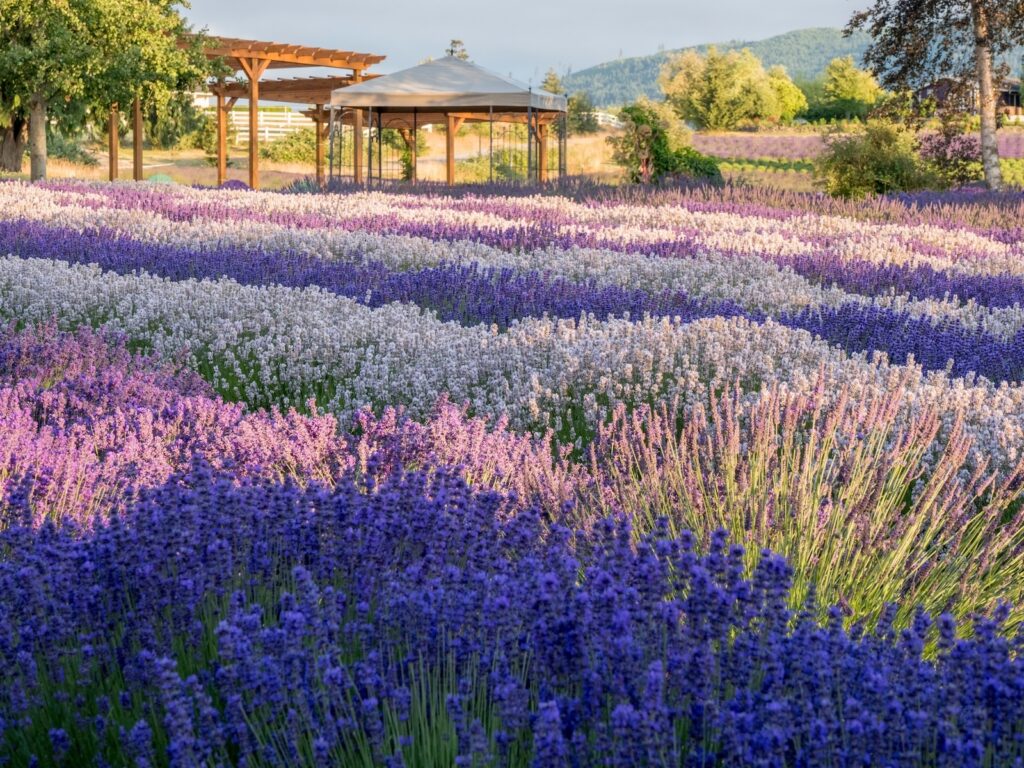
Some Top-Rated Sequim Lavender Farms to Visit
Best Sequim Lavender Farms to Visit This Summer
Summer is one of the most beautiful times to explore the Olympic Peninsula, and few experiences capture the season quite like visiting the Sequim Lavender Farms. Thanks to Sequim’s location within the Olympic Mountains’ rain shadow, the area enjoys more sunshine and drier conditions than much of western Washington. These favorable growing conditions have helped establish Sequim Lavender as one of the region’s most recognized agricultural attractions.
Visitors are often drawn to the vibrant purple fields that bloom across the countryside each summer, but the experience extends far beyond the scenery. Many Lavender Farms offer opportunities to browse handcrafted products, sample lavender-inspired treats, meet local growers, and learn about the cultivation of this fragrant crop. Exploring the Sequim Lavender Trail is one of the most popular things to do in Sequim during the summer season, allowing guests to visit multiple farms while enjoying scenic views of the Olympic Peninsula.
Popular stops include B&B Family Lavender Farm, known for its expansive fields and mountain views, and Jardin du Soleil Lavender Farm, which features French-inspired gardens and a charming gift shop. Lavender Connection offers more than 40 varieties of lavender along with U-Cut bouquets, while Cedarbrook Lavender Farm is celebrated for its handcrafted bath, body, and culinary products. Visitors can also explore Victor’s Lavender Farm, Purple Haze Lavender Farm, Graysmarsh Berry Farm and Lavender, and Kitty B’s Lavender Farm, each offering a unique perspective on the area’s lavender heritage.
Peak bloom typically arrives in mid-July and coincides with the annual Sequim Lavender Festival. This beloved summer event features artisan vendors, live music, lavender harvesting demonstrations, locally crafted products, and opportunities to tour blooming farms throughout the region.
A Comfortable Stay Near Sequim Lavender Farms
After a day of exploring Sequim Lavender Farms, retreat to a peaceful waterfront cottage overlooking Dungeness Bay. Our boutique Sequim Hotel is unique and provides a relaxing alternative to traditional lodging, offering private beach access, mountain views, and thoughtfully appointed accommodations designed for comfort and privacy.
Guests begin each day with a freshly prepared hot breakfast delivered directly to their cottage. On-site activities include kayaking and paddleboarding from the private beach, while nearby attractions offer even more opportunities to experience the Olympic Peninsula. Whether you are planning a summer weekend getaway focused on lavender blooms or exploring the many things to do in Sequim, our cottages provide the perfect home base for your adventure. Book your stay today and experience the beauty of Sequim Lavender at its seasonal best.
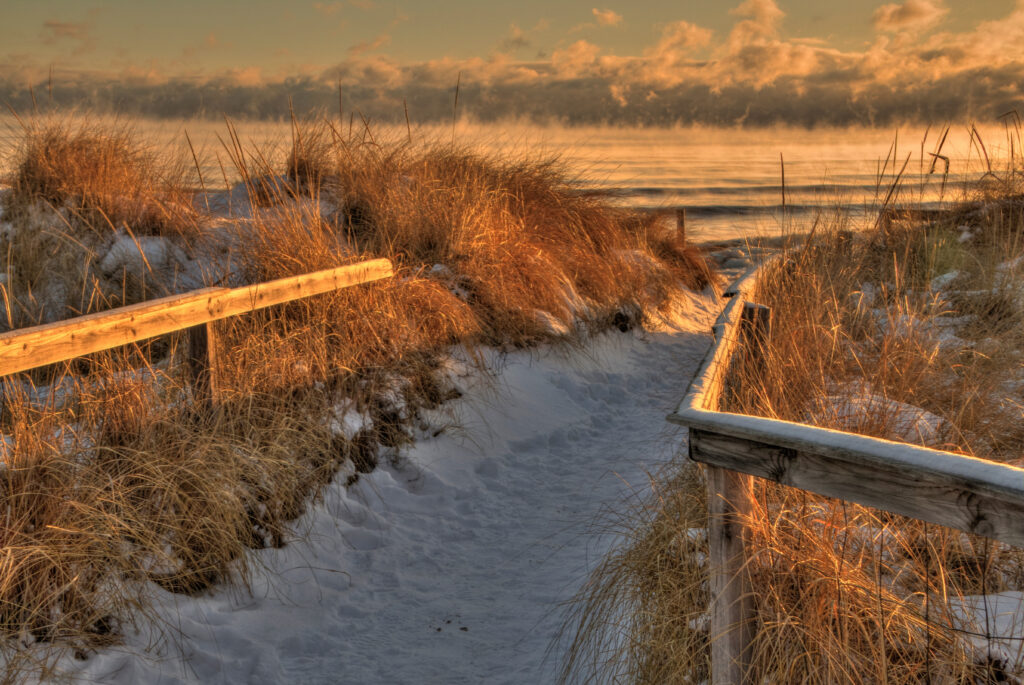
Spend Time at The Beach This Summer
Best Duluth Beaches to Explore Near Park Point
Summer is the perfect time to discover Duluth Beaches, where Lake Superior’s expansive shoreline creates one of the most memorable waterfront experiences in the Midwest. From wide sandy stretches to scenic rocky shorelines, these Minnesota beaches offer exceptional opportunities for swimming, sightseeing, hiking, and relaxation. Whether you are planning a weekend getaway or an extended stay, there are plenty of things to do in Duluth that pair perfectly with a day by the water.
Park Point Duluth is often the first stop for visitors exploring the area. Located on Minnesota Point, this remarkable freshwater sandbar extends for seven miles and offers spacious beaches, volleyball courts, picnic areas, and panoramic Lake Superior views. On warm summer days, visitors can spend hours enjoying the shoreline, watching ships pass through the harbor, or exploring the surrounding trails.
Minnesota Point offers much more than beach access. The area combines sandy shoreline, protected natural habitats, walking trails, and excellent views of Superior Bay. The Park Point Trail leads visitors through dunes, forested areas, and bird habitat before reaching the Superior Entry, creating a unique outdoor experience within city limits.
Additional Duluth Beaches worth visiting include Franklin Square Beach and Lafayette Park Beach, both located along Minnesota Point. For a different perspective of Lake Superior, Brighton Beach provides a scenic shoreline with smooth rocks, shallow pools, and beautiful North Shore views. Visitors seeking warmer swimming conditions may also enjoy Pike Lake, located a short drive from downtown Duluth.
After relaxing on Duluth Beaches, visitors can explore Canal Park, watch freighters pass beneath the Aerial Lift Bridge, browse local shops, or drive Skyline Parkway for sweeping views of the city and lake. With so many things to do in Duluth and easy access to some of the most scenic Minnesota beaches, a summer stay offers recreation, relaxation, and waterfront beauty.
Stay at a Lakefront Duluth Bed and Breakfast
After exploring the shoreline, retreat to a welcoming Duluth Bed and Breakfast overlooking Lake Superior. Solglimt offers a rare lakefront setting where guests can enjoy unobstructed water views, direct beach access, and a gourmet breakfast each morning. The property’s gardens, peaceful atmosphere, and attentive hospitality create an ideal complement to a summer visit.
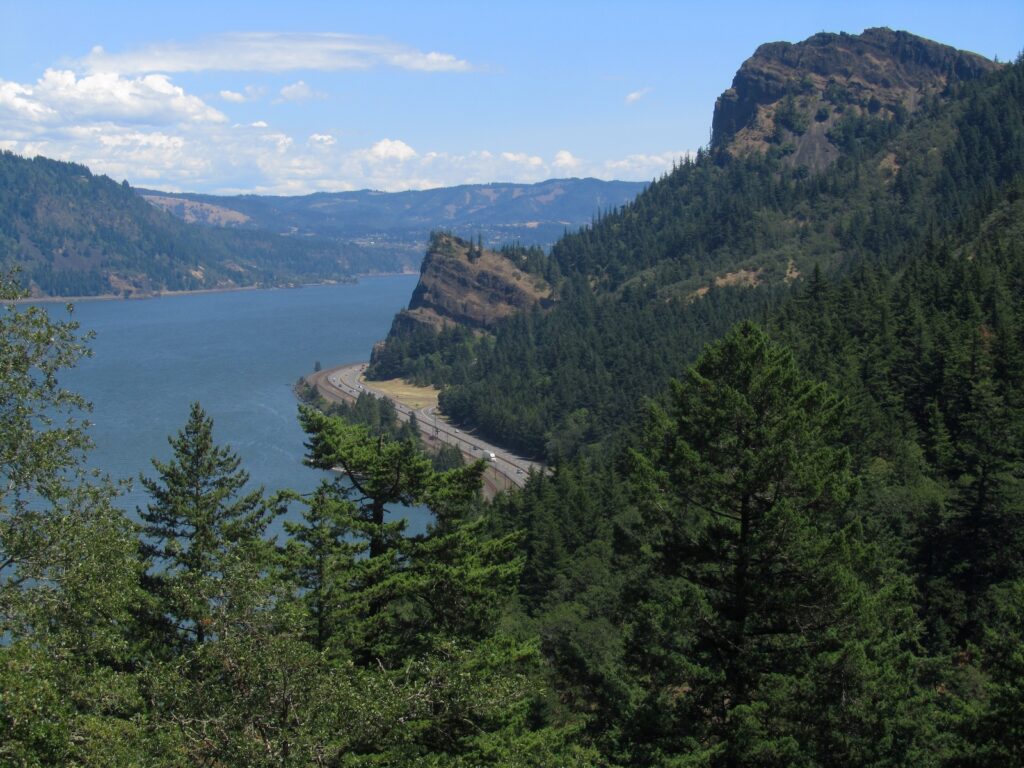
Spring Bike Tours in the Columbia River Gorge
Best Bike the Gorge Tours in the Columbia River Gorge
Biking is one of the best things to do in the Columbia River Gorge, and spring is an ideal time to plan a Bike the Gorge weekend in the Columbia River Gorge, where changing landscapes and mild conditions create a rewarding ride. Mornings begin cool and afternoons stay comfortable, making it easy to spend a full day exploring bike trails in the Columbia Gorge. Routes wind past basalt cliffs, waterfalls, orchard-lined roads, and wide river views, offering steady variety without overwhelming terrain.
Riding with Bike the Gorge simplifies your biking adventures. Their Columbia River Gorge bike tour options remove the need to plan routes or manage logistics, so you can focus on the ride itself. Cruise sections of the Historic Columbia River Highway State Trail, including the Mosier twin tunnels, and explore ebike trails near Portland with confidence. E-bikes make longer distances approachable, especially when climbing or riding into headwinds.
Bike the Gorge pairs quality equipment with local insight to help match each rider to the right Columbia Gorge bike trail. Whether you prefer a scenic cruise, a historic route, or a relaxed day on the saddle, their team ensures a smooth experience. Their tours often highlight the Historic Columbia River Highway corridor, where classic viewpoints and access points connect to some of the region’s most recognized stretches.
Beyond guided rides, there are additional Columbia River Gorge bike trail options to explore. Ride near Hood River with access to the Mosier twin tunnels, follow the Hood River Waterfront Trail for an easy riverside route, or venture to the Klickitat Trail for a gradual, forested ride. The Columbia River Dike Trail in The Dalles offers a flat alternative, while routes near Cascade Locks connect back to the Historic Columbia River Highway.
A Weekend at Our Hood River Cabins
Carson Ridge Cabins offers a refined option among Hood River cabins, located just across the Bridge of the Gods on the Washington side of the river. This quieter setting provides a natural reset after a full day of riding the Columbia Gorge bike trails. The property balances proximity to Bike the Gorge tours and nearby routes with a setting that encourages slower mornings and restful evenings.
Begin the day with coffee outdoors, spend hours exploring bike trails in the Columbia Gorge, and return for a quiet evening surrounded by fresh air and open space. For a well-rounded Bike the Gorge weekend that includes both activity and downtime, booking a stay here brings the entire experience together.
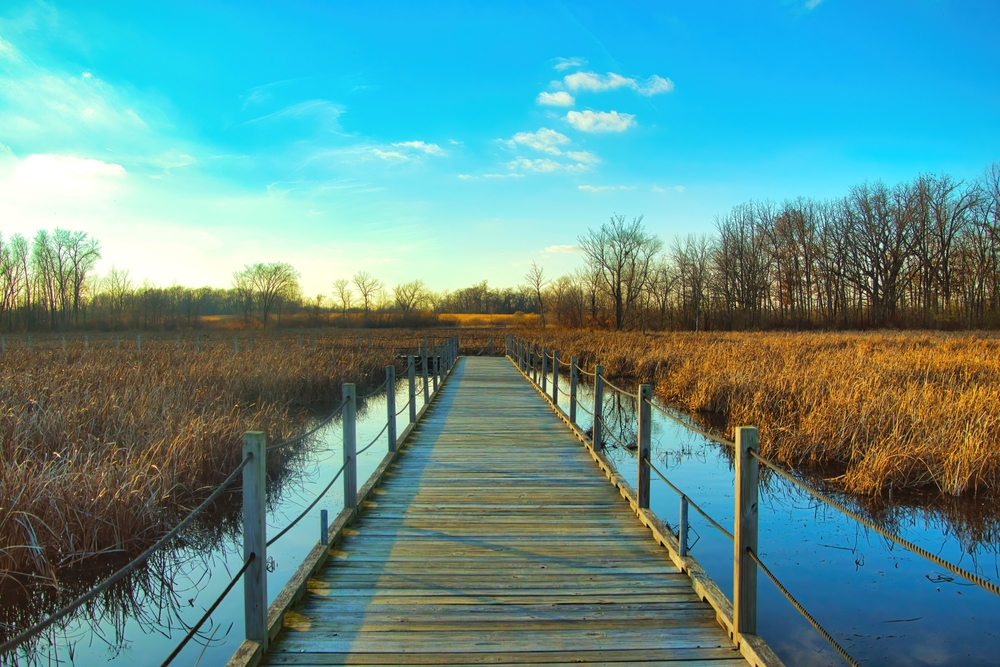
Spring Birding at Horicon Marsh in Wisconsin
Best Midwest Birdwatching Weekend at Horicon Marsh
Spring transforms Horicon Marsh into one of the most rewarding birding destinations in the Midwest. As the largest freshwater cattail marsh in the United States, Horicon Marsh in Wisconsin plays a vital role in seasonal migrations and offers birdwatchers front-row access to one of nature’s most impressive displays. Located within easy reach of Madison and Milwaukee, this protected wetland is an ideal choice for a spring weekend getaway centered around birding, outdoor exploration, and relaxation.
The Horicon National Wildlife Refuge spans more than 22,000 acres and supports over 300 recorded bird species. Spring migration, especially from mid-April through mid-May, brings a remarkable variety of birds to the marsh. Watch for sandhill cranes, white pelicans, great blue herons, waterfowl, and colorful warblers as they stop to rest and refuel. The mix of wetlands, prairie, and woodland habitats makes every visit unique, whether you are a seasoned birder or simply enjoy spending time outdoors.
Beyond birdwatching, Horicon Marsh offers miles of hiking trails, including an accessible boardwalk that provides close-up views of the marsh ecosystem. The Wild Goose State Trail runs along the western edge of the marsh and is popular with cyclists and walkers who want sweeping views of the landscape. Paddling the Horicon Marsh Canoe Trail or joining a guided boat tour adds another perspective, offering opportunities to observe birds and wildlife from the water. It’s no wonder it’s one of the most popular things to do in Wisconsin.
Where to Stay Near Horicon Marsh, Wisconsin
A spring weekend near Horicon Marsh is best enjoyed with a stay at one of the welcoming bed and breakfasts in Wisconsin. Inns near Horicon offer comfortable accommodations, thoughtful amenities, and knowledgeable hosts who are happy to share local tips for birding and nearby attractions. Staying at a bed and breakfast allows you to slow down, enjoy a homemade breakfast, and make the most of early morning and evening bird activity.
Horicon Marsh also serves as a great base for exploring other places to visit in Wisconsin, including Kettle Moraine State Forest, Devil’s Lake State Park, and scenic riverways. With outstanding birding, varied outdoor activities, and inviting places to stay, Horicon Marsh delivers one of the best spring birdwatching weekends in the Midwest.
Spring Birding at the Bandon Marsh
Best Bandon Marsh Spring Birding Adventures
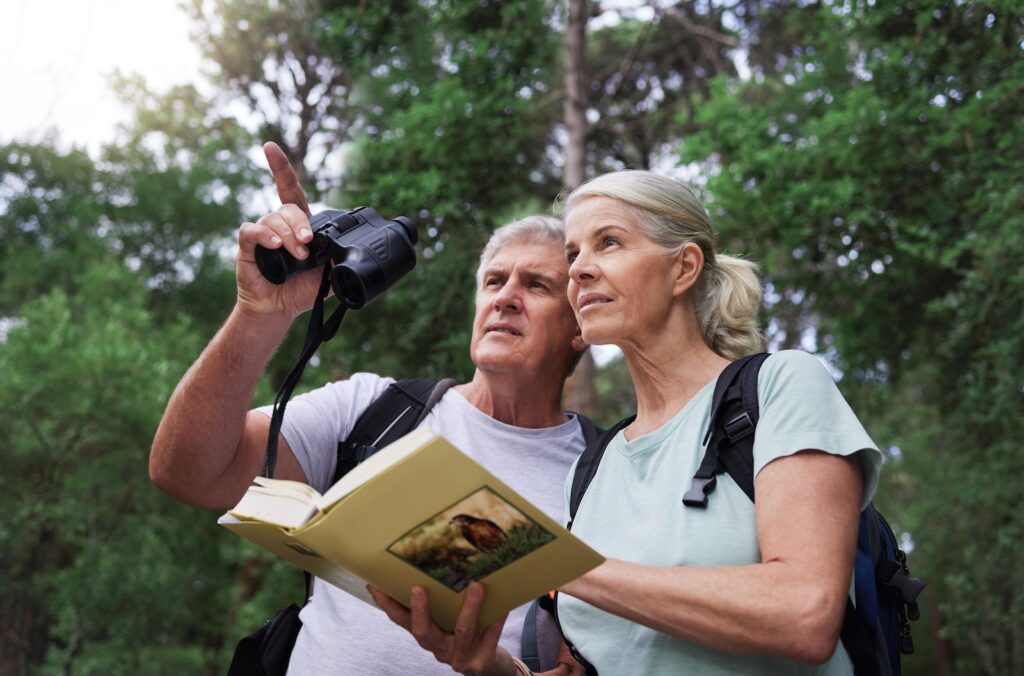
Spring transforms Bandon Marsh into one of the most dynamic wildlife destinations on the Oregon Coast. As the largest tidal salt marsh in the state and the only remaining tidal marsh on the Coquille River, Bandon Marsh reaches its peak from April through early May. This is when migrating shorebirds arrive in dramatic numbers, joining resident species across open water, mudflats, and seagrass beds. For travelers planning an adventure-focused getaway, few places match the scale and energy of spring birding at Bandon Marsh.
Birding here offers constant variety. Shorebirds, waterfowl, songbirds, and birds of prey move through the refuge in ever-changing patterns. Some species pause briefly before continuing their migration, while others stay to nest as the season unfolds. Bandon Marsh is also considered one of the best birding spots in Oregon for rare sightings, with occasional appearances by species like the bar-tailed godwit or the ruff. Its inclusion on the Oregon Birding Trail reflects just how important this location is for Oregon Coast birdwatching.
Accessibility is another reason Bandon Marsh is an excellent destination for this pastime. The Boardwalk Overlook and observation deck are within walking distance of Old Town, making it easy to combine birding with other things to do in Bandon. Trails like the Myrtlewood Grove Nature Trail offer flat, family-friendly loops with excellent viewing opportunities, while the Ni’les-tun Marsh Trail adds cultural depth with views of a historic Coquille Indian campsite.
Between outings, visitors enjoy exploring the Southern Oregon Coast. Old Town Bandon’s shops, galleries, and coastal dining pair naturally with a day in the marsh, and nearby beaches and scenic drives add variety without overpacking the itinerary.
Where to Stay Near Bandon Marsh
Choosing the right lodging completes the experience. For travelers comparing hotels in Bandon, Inn at Face Rock offers a comfortable retreat after long days outdoors. Guests appreciate the private beach access trail, daily breakfast, and thoughtful amenities designed for relaxation. Spacious rooms and a welcoming atmosphere make it an ideal base for spring birding adventures centered on Bandon Marsh. Book your stay and start planning your spring visit to the Oregon Coast.
Spring Birdwatching at the Kalamazoo Nature Center
Best Things to Do at the Kalamazoo Nature Center
Spring is one of the most rewarding seasons to explore the Kalamazoo Nature Center, especially for those seeking a unique Midwest getaway with a nature focus. Spanning more than 1,000 acres, this expansive preserve is known for its diverse landscapes, including forests, wetlands, prairies, and open fields that support an impressive range of wildlife. For visitors interested in birding in Michigan or simply looking for free things to do in Kalamazoo, the nature center offers an experience that feels both immersive and approachable.
As the season shifts, the Kalamazoo Nature Center trails come alive with activity. Migratory birds return, resident species become more vocal, and the changing landscape makes every walk feel new. With more than 14 miles of trails, guests can choose gentle routes like the Arboretum Loop or Prairie Pathway, or explore more expansive areas such as Bluebird Trail and Raptor Ridge. Recognized as an Important Bird Area by the State of Michigan, this area attracts notable species, while river overlooks and prairie habitats provide excellent opportunities for photography and observation.
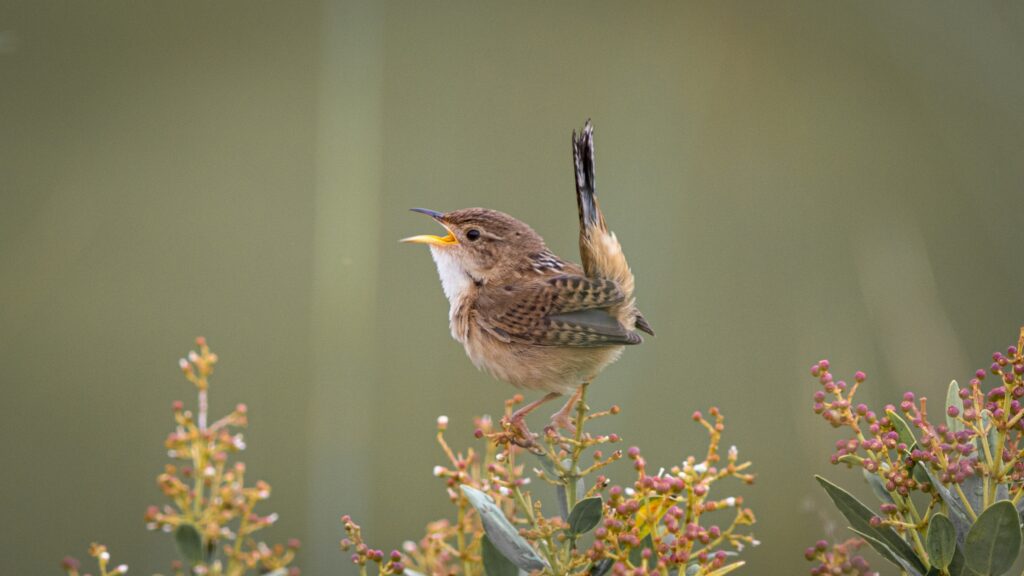
Birdwatching is a highlight during spring, with sightings that may include Bald Eagles, Orchard Orioles, Prothonotary Warblers, and Eastern bluebirds. These habitats and conservation areas near Kalamazoo make the nature center one of the best birding spots in Michigan for both casual observers and experienced birders.
Stay Near the Kalamazoo Nature Center
After a morning on the trails, staying nearby makes it easy to slow down and recharge. Choosing a welcoming Kalamazoo, MI, hotel close to downtown allows guests to enjoy the best of both worlds. The Kalamazoo House offers a comfortable home base just 10 minutes from the nature center, with guest rooms featuring both historic architecture and modern comforts. Guests can begin their day with a house-made breakfast, spend hours exploring outdoor spaces, then return to relax before heading out for dinner or evening activities in the city.
Beyond the trails, the Kalamazoo Nature Center also features engaging indoor exhibits, seasonal art displays, and educational programs that provide deeper insight into the ecosystems found throughout the property. Whether you are planning a spring escape focused on wildlife, fresh air, or meaningful outdoor experiences, a visit here pairs perfectly with a stay that keeps you close to both nature and the city. Book your spring getaway and experience one of the best things to do in Kalamazoo.
Stunning Beauty on the Columbia Gorge
Indian Heaven Wilderness Adventure Near Columbia Gorge
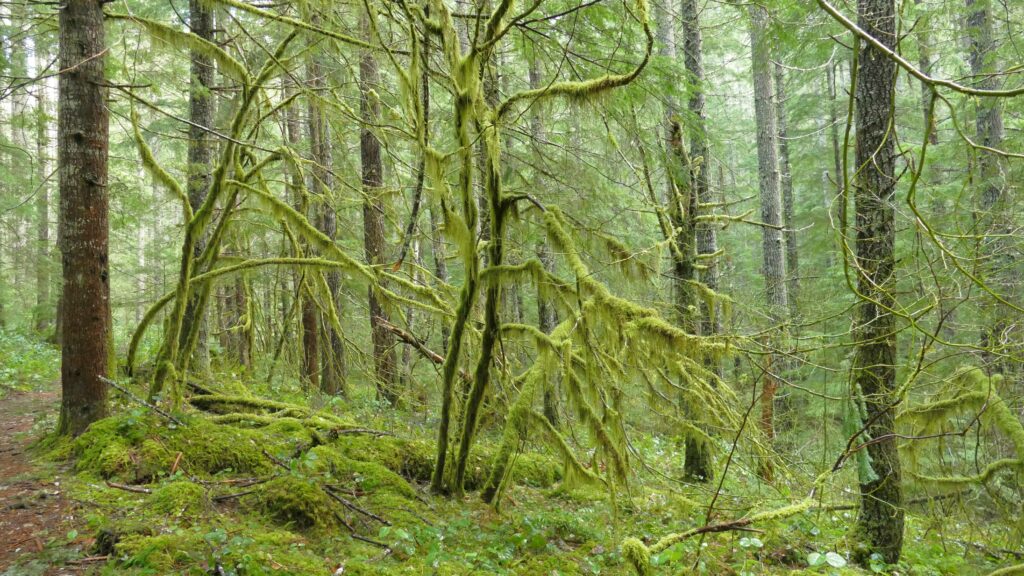
Indian Heaven Wilderness is one of the Pacific Northwest’s most stunning destinations for hikers looking to experience a quieter side of the Columbia River Gorge region. Located within Gifford Pinchot National Forest between Mt. Adams and the Columbia River Gorge, this 20,600-acre wilderness area features rolling volcanic terrain, subalpine meadows, evergreen forests, and more than 175 lakes spread across a high-elevation plateau.
For those searching for memorable summer and fall hiking, Indian Heaven Wilderness trails provide a refreshing alternative to the busier Columbia Gorge hikes closer to the interstate. The trail system stretches nearly 42 miles and includes routes suitable for day hikes, backpacking trips, fishing excursions, and scenic wildlife viewing. Summer brings wildflowers and clear mountain lakes, while fall transforms the landscape with rich shades of red, orange, and gold as huckleberries ripen across the plateau.
One of the most popular experiences in the area is hiking toward Lemei Rock, the highest point in the wilderness at 5,927 feet. The climb rewards visitors with sweeping views of the Cascade Range, surrounding lakes, and sections of the Columbia River Gorge National Scenic Area. Other highlights include volcanic formations like East Crater and the peaceful Lake Sahalee-Tyee region, where hikers can spend hours exploring without the heavy crowds often found at more famous Columbia River Gorge viewpoints.
Cabins in Washington State Near Indian Heaven Wilderness
After a day on the trail, Carson Ridge Cabins in Carson, Washington offers a comfortable place to unwind while staying close to the region’s outdoor attractions. Set on nine acres of gardens and evergreen forest, these luxury cabins in Washington State combine privacy and convenience for guests planning dog friendly weekend getaway. Guests can relax in cabins equipped with fireplaces, jetted tubs, and thoughtful amenities designed for post-hike recovery.
The location also makes it easy to explore additional things to do in Columbia River Gorge communities throughout Washington and Oregon. Whether you are planning a hiking-focused adventure, a quiet weekend retreat, or a longer stay exploring Gifford Pinchot National Forest, Indian Heaven Wilderness remains one of the Northwest’s most underrated destinations for scenic outdoor recreation and mountain lodging.
Stunning Views & Calm Waters at Mirror Lake State Park
Best Mirror Lake State Park Outdoor Adventure
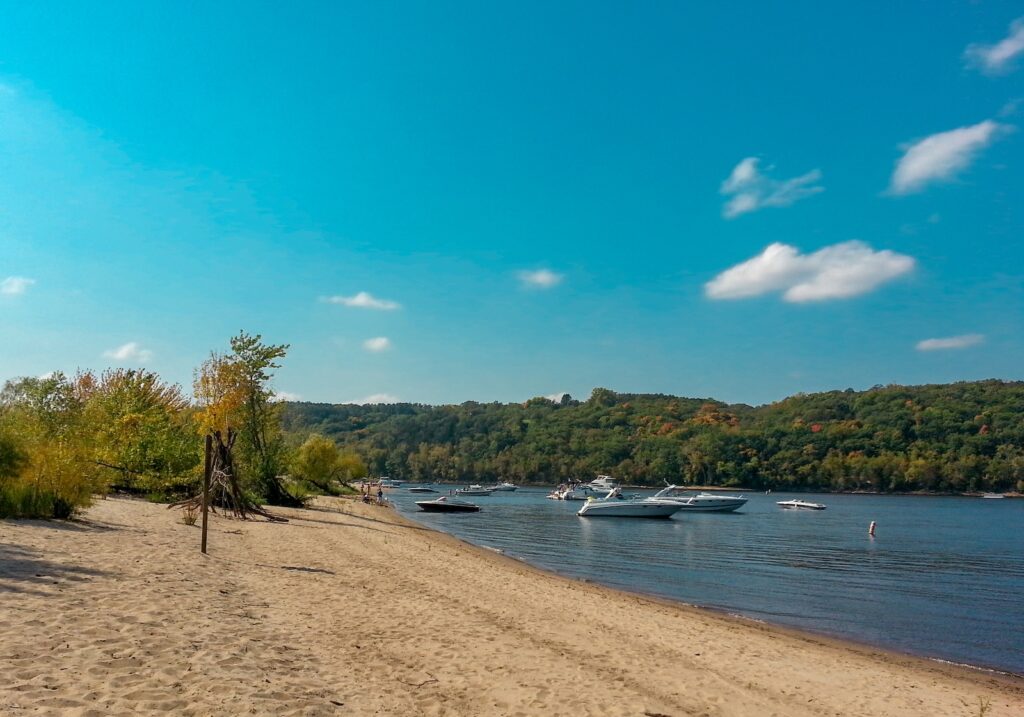
Mirror Lake State Park offers one of the most distinctive outdoor experiences among Wisconsin State Parks, combining calm water recreation with scenic sandstone landscapes. Located near Baraboo in the Wisconsin Dells region, the park is centered around its namesake lake, known for its smooth, reflective surface and protected shoreline. The steep sandstone cliffs create a natural wind barrier, resulting in ideal paddling conditions and a quieter alternative to more crowded destinations.
Mirror Lake, Wisconsin, spans 137 acres and operates as a no-wake lake, making it especially appealing for kayaking, canoeing, and stand-up paddleboarding. Whether you are new to paddling or experienced on the water, the steady conditions allow for an accessible and enjoyable outing. Boat rentals are available on-site, offering a convenient way to explore the lake without bringing your own equipment.
Beyond the water, the park features nearly 20 miles of hiking trails, ranging from flat, easy loops to more challenging routes that climb through sandstone formations. These trails provide a variety of perspectives, from wooded paths to elevated views of the lake and surrounding terrain. Biking trails add another layer of activity, with designated routes marked for off-road exploration.
Additional things to do at the park include swimming at the sandy beach area, fishing for species such as bass and northern pike, and enjoying designated picnic areas throughout the park. A notable highlight within Mirror Lake State Park is the Seth Peterson Cottage, a small Frank Lloyd Wright-designed structure that offers guided tours and architectural interest within the natural setting. For other outdoor adventures, be sure to visit Devil’s Lake State Park as well.
One of the Best Places to Stay in Baraboo
Choosing comfortable places to stay in Baraboo enhances your time at Mirror Lake State Park. A nearby Wisconsin Bed and Breakfast provides a convenient home base just a short drive from the park, allowing you to start your day with a prepared breakfast before heading out to explore.
Guests can return in the afternoon to enjoy outdoor seating, light refreshments, and a relaxed setting after a day of hiking or paddling. Guest rooms feature a blend of historic character and modern updates, including private bathrooms and thoughtfully designed interiors. With easy access to Mirror Lake State Park and other Wisconsin State Parks, this style of lodging is perfect after a day of outdoor adventures. Plan your visit and reserve your stay to experience one of the most accessible and enjoyable natural destinations near Baraboo.
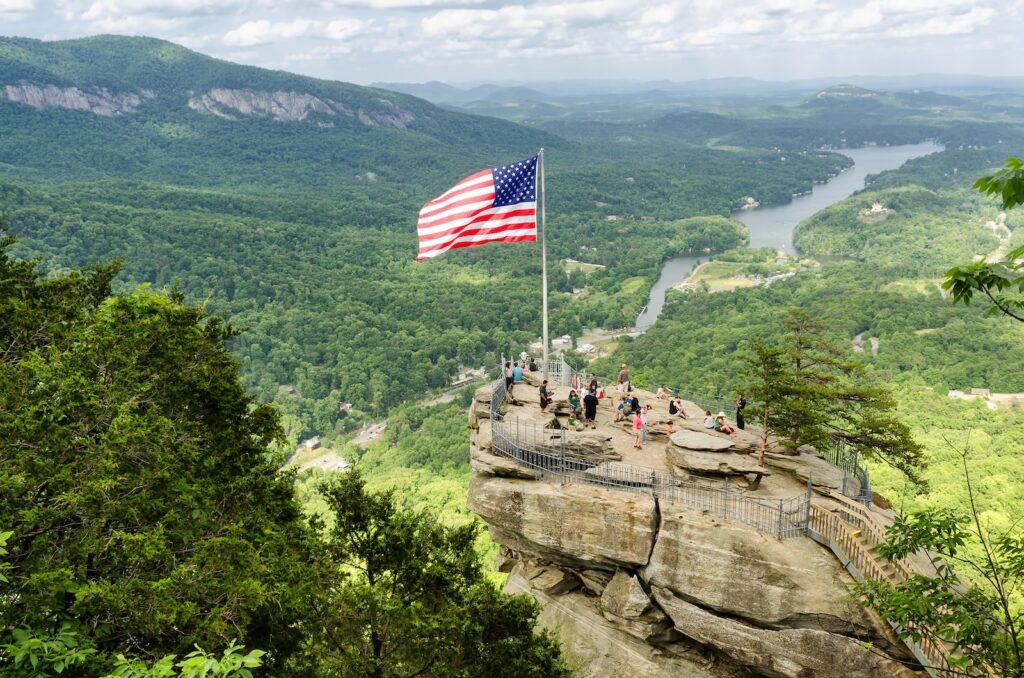
Take a Drive to Explore Chimney Rock in the North Carolina Mountains
Best Things to Do in Chimney Rock NC for Visitors
Chimney Rock, North Carolina, offers a compelling mix of natural beauty, outdoor recreation, and small-town charm in the heart of the Blue Ridge Mountains. Located in Rutherford County and within easy reach of Saluda and Asheville, this destination invites travelers to experience some of the most memorable things to do in Chimney Rock NC, from scenic hiking trails to locally owned shops and dining.
A visit to Chimney Rock State Park is central to the experience. Known for its dramatic cliffs and sweeping views of Hickory Nut Gorge, the park features a range of trails suited to different skill levels. The Hickory Nut Falls Trail leads to one of the tallest waterfalls in the state, while the Exclamation Point Trail rewards hikers with elevated ridge views. For those seeking a more gradual route, the Outcroppings Trail offers multiple overlooks, and the Skyline Trail climbs to Peregrine Point for expansive mountain vistas. The quieter Four Seasons Trail provides a peaceful forest walk that changes with the seasons.
A Refined Stay in Western North Carolina
Beyond the trails, Chimney Rock Village offers a walkable setting filled with local character. Visitors can browse artisan shops, enjoy casual dining, or stop for coffee along the Broad River. Nearby Lake Lure expands the experience with waterfront access and additional dining options, creating a well-rounded itinerary of things to do in Western North Carolina.
After a full day of exploration, returning to our upscale Western North Carolina Bed and Breakfast in Saluda provides a comfortable and private retreat. Accommodations include thoughtfully designed guest rooms, suites, and cottages with high-end amenities such as gas fireplaces, plush linens, and select jetted tubs. Guests can also enjoy on-site spa services, a sauna, and dining that enhances the overall stay. With close proximity to Chimney Rock Park and surrounding attractions, it is an ideal base for an adventure-focused mountain getaway.