Seasonal Guides

When Should You Visit the Western North Carolina Mountains?
Best Time to Visit North Carolina for a Weekend in the Mountains
If you are planning a weekend in the western North Carolina mountains, the best time to visit North Carolina depends on how busy you want to be and the experiences you want to prioritize. There’s an incredible range of things to do in western North Carolina year-round. Spring brings comfortable days for scenic drives, waterfall hikes, and patio dining, and the forests and trails start to look fully alive again. Summer adds long daylight hours for tubing, kayaking, and exploring trail networks, while mountain elevations help keep days more comfortable than many southern destinations. For adventure seekers, this is often the best time to visit North Carolina.
However, if you’re truly looking for what we think is the best time to visit North Carolina, it has to be fall. Fall is the prime season for Blue Ridge color, crisp evenings, and orchard, vineyard, and scenic overlook days. It’s nothing short of spectacular, with gorgeous foliage fees around every twist and turn in the road and along every trail. If you’re looking for something quieter, consider a winter getaway. Winter is quieter and well-suited to cozy dinners, uncrowded shopping, and restorative downtime.
Saluda is an easy choice for a mountain base because it combines small-town character with access to outdoor highlights. Downtown is known for galleries, live music, and boutique shopping, and you can pair that with nearby hikes and waterfall outings. If you are also weighing the best time to visit Asheville, NC, Saluda makes it simple to add a day trip for dining, arts, and city energy without committing your entire weekend to a larger hub.
A Mountain Bed and Breakfast For Getaways in Saluda
For a weekend that balances exploration with comfort, Orchard Inn is one of the finest Bed and Breakfasts in Western North Carolina. Accommodations include rooms, suites, and private cottages, with select options featuring jetted tubs, private porches, and gas fireplaces. On-site amenities support a slower pace after a day outdoors, including a spa for massages and a sauna for unwinding. For dinner, Newmans provides an on-property option that fits naturally into a low-stress itinerary, and it is an appealing alternative to driving after an evening out.
Across the seasons, Western North Carolina offers plenty to build a trip around. Spring and summer bring community events and outdoor recreation, and fall supports scenic drives, hikes, and winery visits in the Tryon Foothills. Winter favors quiet mornings, relaxed afternoons in town, and evenings by the fire. When you are choosing where to go in North Carolina for a mountain weekend, Saluda delivers a mix of culture, nature, and proximity to Asheville that works in any season. Book your stay and plan your ideal weekend.

When You Should Plan a Trip to Santa Fe
Best Time to Visit Santa Fe for a Classic Southwest Getaway
Santa Fe is a destination that rewards travelers year-round, but if you are searching for the best time to visit Santa Fe, fall consistently ranks at the top. With an environment rich with art, history, fantastic New Mexican food, and outdoor recreation in a way that feels distinctly Southwest, it’s hard to beat Santa Fe as a getaway. Autumn just brings all of it together with comfortable weather and striking scenery.
What makes fall especially appealing is how effortless it feels to explore all the things to do in Santa Fe. Daytime temperatures often hover in the 60s and 70s, creating ideal conditions for walking the historic Plaza, browsing galleries on Canyon Road, or lingering over long meals at local restaurants. The summer heat fades, crowds thin slightly, and the city settles into a more relaxed rhythm that many travelers prefer.
Fall in Santa Fe is also visually stunning. Aspens and cottonwoods shift to golden hues in the surrounding mountains and valleys, adding contrast to the region’s earthy tones. This is an excellent time for hiking in the Santa Fe National Forest or taking a scenic drive along the High Road to Taos, where cooler air and clear skies enhance the experience.
Cultural travelers will find just as many things to do in Santa Fe. Museums, historic sites, and seasonal events remain in full swing, offering countless opportunities to connect with Santa Fe’s layered history and creative spirit.
Where to Stay for the Best Santa Fe Experience
Choosing the right lodging elevates your entire visit. Our locally owned Santa Fe bed and breakfast near the Plaza places you within walking distance of top attractions while offering a quieter, more personal retreat at the end of the day. Thoughtfully designed guest rooms, inviting outdoor spaces, and freshly prepared breakfasts add comfort and convenience to your Southwest getaway.
While every season has its appeal, fall makes a strong case as the best time to visit Santa Fe. With welcoming weather, vibrant landscapes, and endless things to do in Santa Fe, it is a season that captures the city at its most inviting.

Where to Find Birding Hotspots Near Wausau, Wisconsin
Where to find the Best Birding Spots in Wisconsin
Wausau makes a smart home base for anyone chasing the best birding spots in Wisconsin, especially in spring when migration lights up central Wisconsin. With the Wisconsin River cutting through town and forested hills rising nearby, you can pivot from lake edges to hardwood canopy to wide-open marsh in a single day. It’s what makes Wausau one of the best birding spots in Wisconsin. Expect Bald Eagles overhead, flashes of Scarlet Tanagers in the trees, and the unmistakable calls of Sandhill Cranes from wetland habitat.
Start your adventure at Bluegill Bay County Park on Lake DuBay, an easy spot for raptors, loons, and waterfowl during spring movement. Then trade shoreline for elevation at Rib Mountain State Park, where mature hardwood forest and big lookout points help you catch migrating songbirds and seasonal hawk activity. If you want quieter, longer walks, Nine Mile County Forest brings deep-woods birding with mixed stands that can reward patient listening and careful scanning, representing one of the best birding spots in Wisconsin.
For a higher species count, head to another of the best birding spots in Wisconsin, Big Eau Pleine County Park. Here, reservoir shoreline, brushy fields, and wooded pockets bring cranes, herons, bluebirds, and migrating ducks. Nearby, Big Eau Pleine Woods State Natural Area protects rare bottomland forest and wetland habitat, a prime choice if you’re hoping for specialized woodland and wetland birds. Serious birders should also carve out time for the George W. Mead State Wildlife Area, a cornerstone for birding in Wisconsin thanks to its sweeping marsh and grassland habitat. Dewey Marsh State Natural Area adds classic sedge meadow birding, and Rookery Park on Lake Wausau offers a memorable chance to observe colonial waterbirds during the breeding season.
Between outings, add a cultural stop that pairs perfectly with your birding adventure. The Leigh Yawkey Woodson Art Museum brings a fresh angle to Wisconsin birdwatching, pairing field sightings with global, bird, and nature-inspired work. It’s fascinating, and also one of the top things to do in Wausau each year.
Where to Stay for an Adventure Cabin Getaway for Two
After dawn patrols and trail miles, come back to a modern luxury cabin in Wisconsin, situated on a secluded wooded lot just outside Wausau. High-end finishes, expansive windows, and a full kitchen make it easy to settle in. Refresh in a spa-inspired bathroom with a steam shower built for two, then cozy up by the fireplace with a glass of wine as the forest quiets down. For couples who want an adventure-filled spring escape with comfort built in, book your stay and make Wausau your birding headquarters.
Where to Find the Best Color This Autumn
A Finger Lakes Fall Foliage Getaway
If you have not seen Finger Lakes fall foliage in person, this is the season to plan the trip. The weather might be better in autumn than at any other point in the year, warm enough for a light jacket by day, crisp enough for a fire by night. Around Trumansburg and the surrounding hills, the maples, oaks, and hickories turn gold, orange, and deep red in waves rather than all at once, which stretches the viewing window across several weeks instead of a single weekend.
Finger Lakes foliage typically runs from late September through early November, with peak color usually landing in the first two to three weeks of October. Because the mix of tree species varies so much by elevation and location, checking a current foliage report before locking in dates is worth the five minutes it takes.
Where to See the Best Finger Lakes Fall Foliage
A handful of spots make up nearly every local’s list, and they are all a short drive from one another.
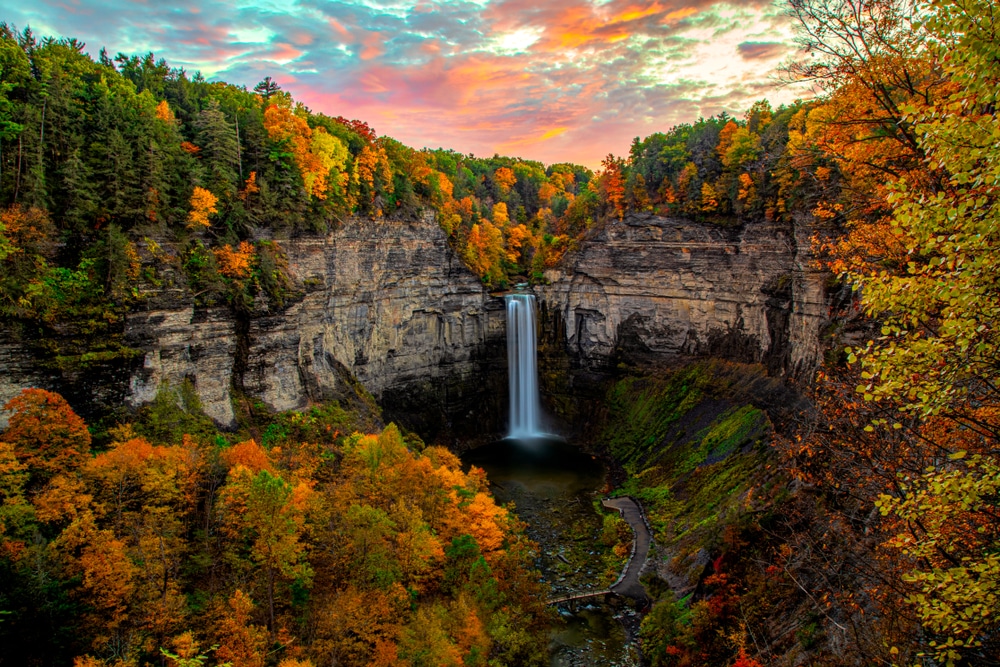
Taughannock Falls State Park sits just minutes from Trumansburg and is one of the most photographed places in the region come autumn. The falls drop 215 feet, framed by cliffs that rise to 400 feet, and once the surrounding trees change, the contrast between grey rock, gold leaves, and rushing water is hard to beat.
Watkins Glen fall foliage might be the single best reason to build a full day around one destination. The state park’s 19 waterfalls and narrow gorges look entirely different in autumn, with red and orange framing the cliffs at every turn. Weekends during peak color draw a crowd, so a weekday visit makes for an easier walk.
Robert H. Treman State Park follows a gorge trail past several smaller falls before reaching Lucifer Falls, and Buttermilk Falls State Park offers both an upper and lower section worth exploring. For a quieter pace, Cornell Botanic Gardens in Ithaca provides a slower, more manicured walk through fall color, with the Cascadilla Gorge Trail nearby on campus.
Ithaca fall foliage extends well past the waterfalls. Between farmers’ markets, downtown shops, and the Cayuga Lake Wine Trail, Ithaca makes an easy stop between hikes.
Stay at One of the Top-Rated Finger Lakes Luxury Hotels
Fall is one of the most romantic seasons in the Finger Lakes, and fewer crowds than summer makes it easier to actually slow down together. The Inn at Gothic Eves sits centrally between Cayuga and Seneca Lakes in Trumansburg, minutes from Taughannock Falls, with luxury guest suites built for exactly this kind of stay. Fireplaces, pillow-top beds, and spa-like baths anchor each room, and the on-site spa offers outdoor hot tubs and couples massages if you want to build a whole day around rest rather than hiking.
Among the Finger Lakes Luxury Hotels, this one puts you close enough to Ithaca for dinner downtown while staying in a quieter village setting. Mornings start with a locally sourced, organic breakfast before you head out to see the color for yourself. Book your stay before fall dates fill up.
Finger Lakes Fall Foliage FAQ
When is the best time to visit the Finger Lakes for fall foliage?
Peak color generally falls in the first two to three weeks of October, though the exact timing shifts year to year depending on temperature and rainfall. Checking a current regional foliage report closer to your travel dates gives the most accurate picture.
Where is the best place to see fall foliage in the Finger Lakes?
Taughannock Falls State Park and Watkins Glen State Park are the two most reliable spots for dramatic color paired with waterfalls, while Cornell Botanic Gardens offers a quieter, slower option in Ithaca.
Is Watkins Glen good for fall foliage?
Yes. The gorge’s 19 waterfalls and steep cliffs create sharp contrast against red and gold leaves, though the trail gets busy on fall weekends, so weekday visits are more comfortable.
How many days should I plan for a Finger Lakes fall foliage trip?
Three to four days allows time for a few waterfall hikes, a stop in Ithaca, and at least one afternoon on the Finger Lakes Wine Trails without feeling rushed.
Finger Lakes fall foliage draws people back year after year, and building the trip around a home base near Taughannock Falls makes it easy to see the color without spending half your visit in the car. Book your room at the Inn at Gothic Eves and start planning your fall foliage getaway today.
Where to See the Best New Hampshire Fall Foliage
Sugar Hill: The Heart of New Hampshire Fall Colors
Every autumn, the New Hampshire fall foliage puts on one of the most dramatic shows in the country, and nowhere is the display more concentrated than in the White Mountains surrounding our small village of Sugar Hill. The brilliant New Hampshire colors come from sugar maples, birches, and beeches carpeting the valleys and lower mountain slopes throughout the White Mountains. When peak foliage arrives, typically from late September through mid-October, the entire landscape is aglow.
Apart from the scenery, there are so many things to do in New Hampshire in the fall and so many unique ways to experience New Hampshire colors. From Sugar Hill, you are minutes from Franconia Notch State Park, where the Flume Gorge and Artists Bluff put you face-to-face with the season’s best New Hampshire fall foliage. The Kancamagus Highway, arguably the most famous foliage drive in America, is under an hour away. Add in waterfall hikes, covered bridges, mountain summits, and a glass of locally made wine at day’s end, and you have the makings of a fall getaway that fills every daylight hour.
You will also want somewhere to relax and take in the scenery. Sugar Hill Inn sits along a quiet country road in Sugar Hill, surrounded by the very views people drive hours to see. Guests wake to a made-to-order breakfast, spend the day surrounded by New Hampshire fall foliage, and return to a fireside drink in our restored 1789 farmhouse. Book your room early, as foliage season fills up faster than any other time of year.
Where to See the New Hampshire Fall Foliage
Millions of people head to New England each autumn to watch the transformation of the New Hampshire fall foliage, and the White Mountains sit at the center of it all. The season is short, and attractions book up months ahead, so the earlier you plan, the better your odds of catching the fall colors in New Hampshire at their brightest.
Here are our favorite ways to experience New Hampshire fall colors, and where we recommend our guests visit every fall:
- Take in the New Hampshire colors from the summit of Mount Washington, at 6,288 feet, the highest peak in the Northeast. Ride the historic Cog Railway, drive the Mt. Washington Auto Road, or earn the view on foot along one of New England’s most demanding mountain hikes.
- Drive the Kancamagus Highway, a 34.5-mile stretch of Route 112 between Lincoln and Conway and New England’s only National Forest Scenic Byway. Kancamagus Highway fall foliage draws crowds for good reason, so go early in the morning and stop at overlooks like Sabbaday Falls and Hancock Overlook along the way.
- For New Hampshire fall foliage from above, ride the gondola at Loon Mountain in Lincoln. It climbs 1,738 vertical feet into the White Mountain National Forest, with an observation tower and seasonal summit café waiting at the top.
- Prefer a little adrenaline with your leaf peeping? Zip through the canopy with Alpine Adventures in Lincoln, home to New England’s first treetop canopy tour. Beginners can ease in on the Tree Top Canopy Tour, while thrill seekers hit 60 miles per hour on the SkyRider, soaring 240 feet above a forest in full color.
- Lace up your boots. The Artists Bluff Trail in Franconia Notch State Park is a short 1.2-mile loop with a postcard view over Echo Lake and the notch. During busy seasons, the trail is signed for one-way travel to reduce congestion. And do not skip the boardwalk through Flume Gorge, where granite walls rise 70 to 90 feet on either side. Reserve tickets online ahead of your visit.
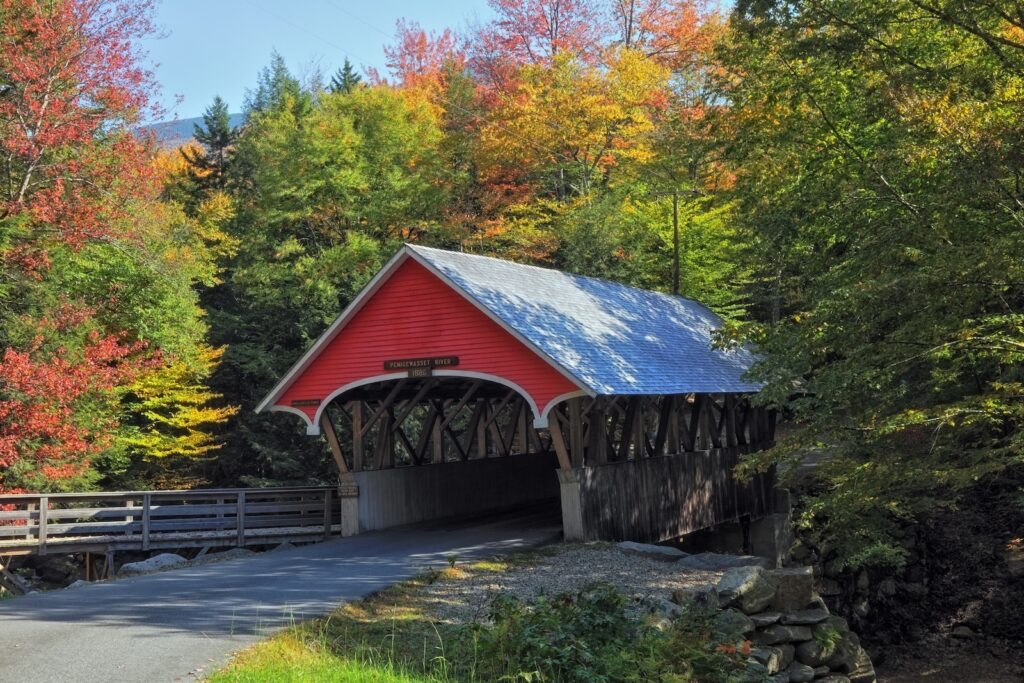
- Fall is prime time for the waterfalls of the White Mountains, when they are surrounded by beautiful New Hampshire colors. There are more than 100 across the region, and the sight of rushing water framed by New Hampshire fall foliage is hard to beat. Tour the covered bridges of the White Mountains for the quintessential New England autumn photo, charming year-round but never more so than at peak foliage.
You do not need an itinerary to enjoy the New Hampshire fall colors. Sip a locally made glass at Seven Birches Winery, open daily inside the RiverWalk Resort at Loon Mountain, where wines are crafted on site using classic grape varietals along with locally grown fruit. Order a tasting flight and a charcuterie board and settle in.
Experience the Best Bed and Breakfast in New Hampshire
Our Bed and Breakfast in New Hampshire is one more way to enjoy the New Hampshire fall foliage. Our restored 1789 farmhouse and private cottages offer guest rooms ranging from cozy to indulgent, many with soaking tubs, wood-burning fireplaces, and porches overlooking the mountains. Original art fills the inn, and our on-site restaurant, a recipient of the Distinguished Restaurant of North America Award, turns dinner into the highlight of your day. Add a massage at our spa, and you may find the hardest part of leaf peeping is leaving the property at all.
Every morning begins with a made-to-order breakfast, baked in-house and served before you head out to chase New Hampshire colors through Franconia Notch and beyond.
Book Your New Hampshire Fall Getaway
The leaves wait for no one, and neither do our rooms during foliage season. Book your room today at Sugar Hill Inn and see the fall foliage from the best seat in the White Mountains.
Frequently Asked Questions
When is peak fall foliage in New Hampshire?
Peak fall foliage in the White Mountains around Sugar Hill typically arrives from late September through mid-October, though timing shifts slightly each year depending on elevation and weather.
Where is Franconia Notch State Park?
Franconia Notch State Park sits in New Hampshire’s White Mountains, just minutes from Sugar Hill, and includes attractions like Flume Gorge and the Artists Bluff Trail.
How long is the Kancamagus Highway?
The Kancamagus Highway runs 34.5 miles along Route 112 between Lincoln and Conway, New Hampshire, and is New England’s only National Forest Scenic Byway.
Where is the best place to stay for a New Hampshire fall getaway?
Sugar Hill, minutes from Franconia Notch State Park and under an hour from the Kancamagus Highway, makes an ideal base, with Sugar Hill Inn offering a restored 1789 farmhouse setting close to the region’s best fall foliage.
Why Brattleboro is One of Vermont’s Hiking Bases
Hiking Near Brattleboro VT: A Fall Foliage Trail Guide
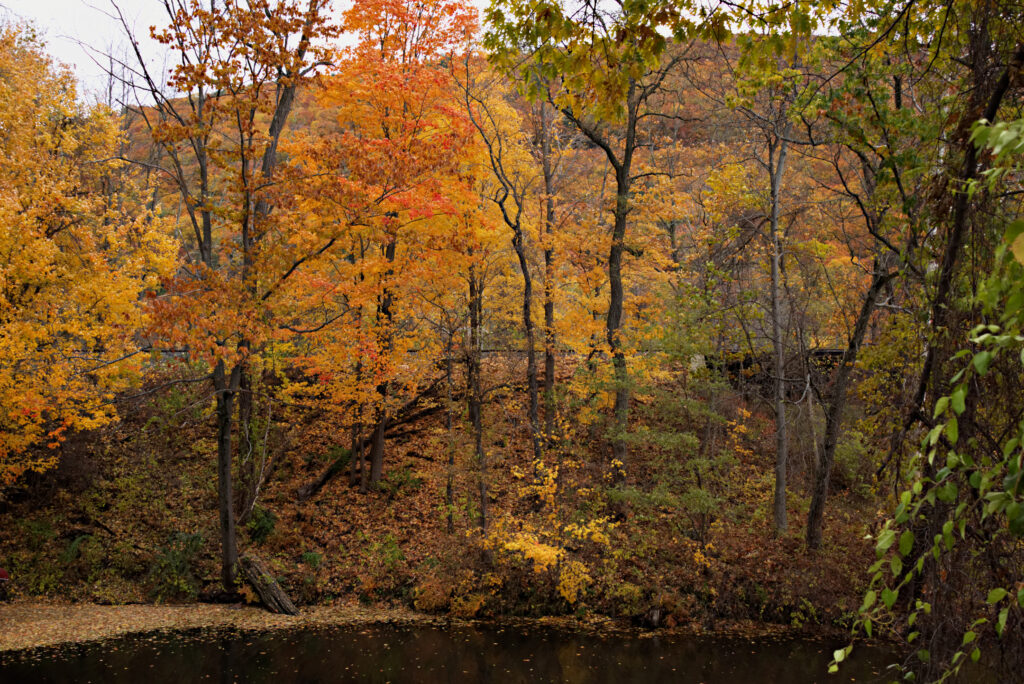
If you’re planning a trip built around hiking near Brattleboro VT this fall, you’ve chosen one of the most beautiful spots New England. The hills surrounding town turn deep red, burnt orange, and gold through most of October, and the trail network here means you can leave a quiet country road and be hiking within twenty minutes. Some trails start right in town. Whether you want a short loop before lunch or a summit hike that fills an afternoon, Brattleboro sits at the center of some of the best hiking in Vermont to take in fall foliage.
Five State Parks Worth the Drive
Townshend State Park covers 1,244 acres at the base of Bald Mountain along a bend in the West River. The Bald Mountain Trail climbs through hemlock, sugar maple, and birch to a 1,680-foot summit, a moderate-to-difficult 2.75-mile round trip that takes about three hours. Start mid-morning to catch the best light on the ridge.
Jamaica State Park suits mixed-ability groups. There’s an easy riverside walk, a steeper summit route, and a longer trek to a 125-foot waterfall, so your group can split up and meet back at the car. Nearly a third of its 1,122 acres is hardwood forest, which makes for strong color in early to mid-October.
Lowell Lake State Park offers an easy 3.5-mile loop around the lake, about two hours, passing a Revolutionary War-era cemetery along the way. It’s a good choice for families or anyone easing into hiking in Vermont without giving up the foliage payoff.
Wilgus State Park sits along the Connecticut River. The one-mile Pinnacle Trail climbs to a ridgeline view, and the half-mile Wilgus Nature Trail runs along the river with a wildlife-viewing platform for a slower pace.
For one of the last old-growth hardwood stands in Vermont, drive out to Gifford Woods State Park. Sugar maple, beech, yellow birch, and hemlock that have stood for generations line five trails, from easy brookside loops to longer routes out to a waterfall and overlook.
Things to Do in Brattleboro VT After Your Hike
Once your boots come off, downtown Brattleboro offers plenty for anyone exploring things to do in Brattleboro VT. Independent shops, art galleries, and long-running coffee spots line Main Street, and the Latchis Theater still screens films inside a building dating to the 1930s. It’s a great way to round out a day on the trails.
Where to Stay: Inn on Putney Road
Among Brattleboro Vermont Hotels, Inn on Putney Road puts you closest to the action. Located in French Baronial-style home, built in 1929, backs directly onto the Retreat Trail network, so you can walk before breakfast, then come back to a gourmet breakfast before heading out for the day.
Ask about the Take a Hike picnic package, which includes a fabric-lined picnic backpack to keep, a bottle of wine with glasses and a corkscrew, Vermont spring water, and two catered lunches, so you can head straight to the trailhead without a grocery stop.
Frequently Asked Questions
Where can I go hiking near Brattleboro VT?
Townshend, Jamaica, Lowell Lake, Wilgus, and Gifford Woods State Parks are all within a twenty to forty-five minute drive of downtown Brattleboro, and the Retreat Trail network is accessible directly from town.
What is the best time of year for fall foliage hikes near Brattleboro?
Color typically peaks in early to mid-October, though elevation and tree mix shift the timing slightly from park to park.
Are there easy hikes near Brattleboro VT suitable for families?
Yes. Lowell Lake State Park’s flat 3.5-mile loop and the Wilgus Nature Trail are both good options for a gentler introduction to hiking in Vermont.
Which Brattleboro Vermont hotels are within walking distance of trails?
Inn on Putney Road connects directly to the Retreat Trail network from its backyard and sits a five-minute walk from downtown.
Fall books up fast around here. Check availability at Inn on Putney Road and plan your trailside stay.
Why Clyde’s Cider Mill Is Mystic’s Best Fall Tradition
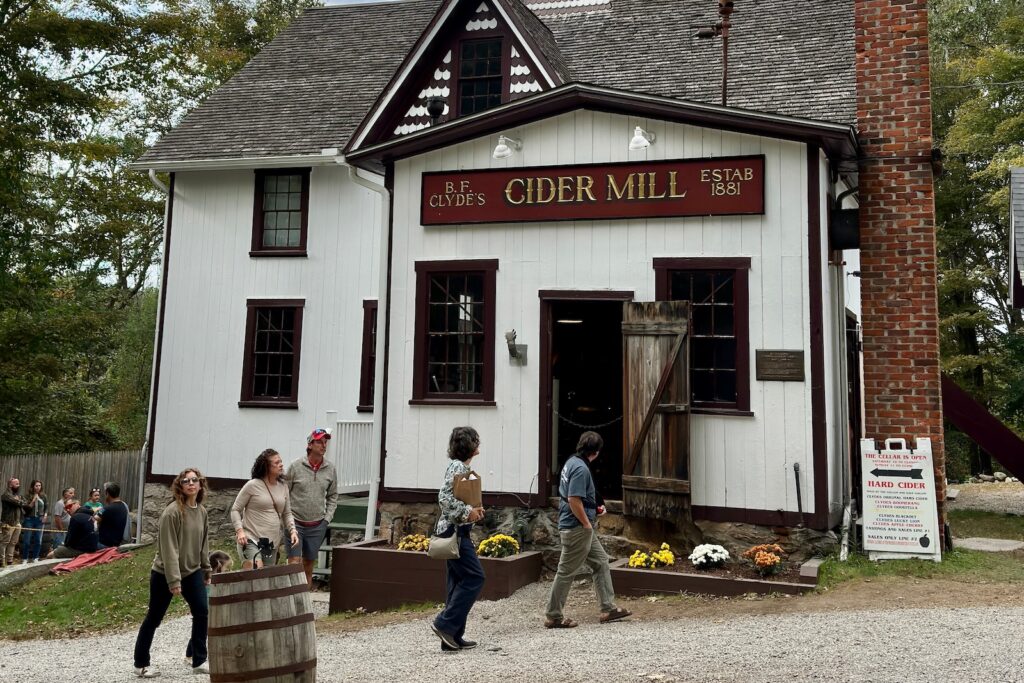
Fall in Mystic starts at Clyde’s Cider Mill. Just ten minutes from our front door, this working steam-powered mill has been pressing apples on North Stonington Road since 1881, and every September 1, visitors from across New England show up for the first taste of the season. B.F. Clyde’s Cider Mill is the last steam-powered cider mill still operating in the country, and the Clyde family has kept it running for generations, producing sweet cider, hard ciders, apple wines, and the warm cider donuts that have become a Connecticut fall tradition.
The mill is also a natural starting point for a full day in Mystic, CT in the fall. Spend the morning at Clyde’s Cider Mill, then fill the afternoon with local favorites like Mystic Seaport Museum, a slice at Mystic Pizza, a tasting at Jonathan Edwards Winery, or an afternoon browsing Olde Mistick Village. Between the mill, the harbor, and downtown, there’s enough here to fill an entire fall weekend.
What to Expect When You Visit Clyde’s Cider Mill
The first thing you notice at this cider mill in Mystic, CT, is the sound. A historic steam engine still powers the belts and presses that turn freshly harvested apples into sweet cider, and watching that machinery at work is one of the biggest reasons people make the trip. Pressing demonstrations run on select days when production is underway, and the schedule shifts through the season, so it’s worth checking the mill’s website before you go. October weekends draw the biggest crowds, so an early arrival helps.
The pressing may be the headline, but the bakery and country store are just as hard to skip. Fresh cider donuts, apple pies, cookies, local honey, candy apples, and pumpkins fill the shelves throughout fall, and many visitors count these among the best apple cider donuts Connecticut has to offer. Plan on leaving with at least one warm bag for the ride home. The cellar tasting room pours samples of the mill’s hard ciders and apple wines, all produced on site, giving visitors a taste of the country’s oldest continuous hard cider producer.
Clyde’s Cider Mill typically opens at 9 a.m. and runs daily throughout the season, closing only on Thanksgiving Day. Closing times and pressing schedules can change as the season progresses, so check the official website before heading over. Wine and hard cider tastings require a valid ID, and since baked goods sell out fast on busy weekends, an earlier visit usually means better selection.
Finding This Cider Mill in Mystic, CT
Clyde’s Cider Mill sits at 129 North Stonington Road in Old Mystic, about five miles from downtown Mystic and roughly three miles from Olde Mistick Village. From our boutique hotel, the drive takes about ten minutes. Visit in the morning, watch the cider being pressed, stock up on donuts and sweet cider, and you’ll still have plenty of the day left for lunch and downtown Mystic.
Where to Stay Near the Mill: The Best of Mystic Connecticut Hotels
The best part of a morning at Clyde’s Cider Mill is how much of the day you still have ahead of you. You’re back in downtown Mystic by lunchtime, and staying with us means you’re already within walking distance of the best things to do in Mystic, including restaurants, boutiques, and waterfront attractions. Among Mystic Connecticut hotels, our luxury property sits directly across from the Mystic River Bascule Bridge, with accommodations ranging from the historic 1865 House and Stanton House to spacious penthouse suites overlooking the water. Whether you want a romantic room with a gas fireplace or space for the whole family, there’s a room built for your fall getaway.
Dinner is another reason guests plan their trip around a stay here. The Shipwright’s Daughter, led by James Beard Award-winning Chef David Standridge, sits just steps from your room, while Mystic Fish Camp offers a more casual seafood option nearby. Add a charcuterie board from our culinary team, a bottle of local Saltwater Farm Vineyard wine, or a chef’s tasting experience to round out your evening. The next morning, enjoy breakfast before heading back out, whether that means more exploring or one more stop at Clyde’s Cider Mill for a second bag of donuts. Book your stay at one of the best Mystic, Connecticut hotels today.
Clyde’s Cider Mill: FAQ
What are Clyde’s Cider Mill hours?
The mill typically opens at 9 a.m. and runs daily throughout the fall season, closing only on Thanksgiving Day. Closing times and pressing demonstration schedules can vary, so check the official website before your visit.
Where is Clyde’s Cider Mill located?
B.F. Clyde’s Cider Mill sits at 129 North Stonington Road in Old Mystic, about five miles from downtown Mystic and roughly three miles from Olde Mistick Village. It’s about a ten-minute drive from our boutique hotel in downtown Mystic.
What is there to do in Mystic, CT in the fall?
A morning at Clyde’s Cider Mill pairs naturally with an afternoon exploring Mystic Seaport Museum, a stop at Mystic Pizza, a tasting at Jonathan Edwards Winery, or shopping through Olde Mistick Village. Between the mill, the harbor, and downtown, fall offers enough to fill a full weekend.
Where to stay in Mystic, CT for a fall trip?
Downtown Mystic puts you within walking distance of the harbor, restaurants, and shops, and staying there keeps you close to both the cider mill and the rest of the area’s fall attractions. Boutique hotels in the heart of downtown, with rooms overlooking the Mystic River, make an easy home base.
Is Clyde’s Cider Mill worth visiting?
Yes. As the last steam-powered cider mill still operating in the United States, it offers a rare look at working industrial history alongside fresh cider, donuts, and hard cider tastings, making it one of the state’s most iconic fall attractions.

Why Spring is Great for Weekend Getaways in Iowa
Explore the Best Weekend Getaways in Iowa This Spring
Spring in the Midwest brings a sense of renewal, making it the perfect time to plan weekend getaways in Iowa. As the snow melts and landscapes turn vibrant green and bright. Charming river towns, lively cities, and scenic countrysides create an inviting backdrop for a refreshing escape. There are so many things to explore in Iowa!
If you are mapping out an Iowa road trip, start with the state’s hidden gem small towns. Albia offers striking Victorian architecture and easy access to hiking trails and Lake Rathbun. In Pella, Dutch heritage shines through its windmill, tulip gardens, and locally owned bakeries. Decorah surprises visitors with limestone bluffs, trout streams, and cultural experiences rooted in Norwegian history. Along the Mississippi River, Clinton’s riverfront trails and historic downtown make it an ideal stop for a relaxed spring weekend.
Larger destinations also deliver memorable things to do in Iowa. Des Moines offers the vibrant East Village, the downtown Farmers Market, and renowned Iowa attractions like Blank Park Zoo. Dubuque pairs river views with historic charm, including the Fenelon Place Elevator and easy access to scenic overlooks. For a lakeside retreat, Okoboji begins to buzz in spring as trails reopen and the deep blue waters draw visitors back outdoors.
Whether you are searching for romantic getaways in Iowa or planning activities in Iowa this weekend with friends, the variety of places to visit makes it easy to customize your trip. Outdoor enthusiasts, food lovers, and culture seekers will all find something that fits their style.
Discover Unique Places to Stay in Iowa
An important element of the best weekend getaways in Iowa is where you stay. Unique places to stay in Iowa, especially locally owned Bed and Breakfasts, offer personalized hospitality and thoughtfully prepared breakfasts. These welcoming properties often reflect the character of their communities and provide insider recommendations on nearby Iowa attractions.
Spring is your invitation to explore somewhere new. Plan your weekend getaways in Iowa, chart your route, and book a stay that turns a simple trip into a memorable one.
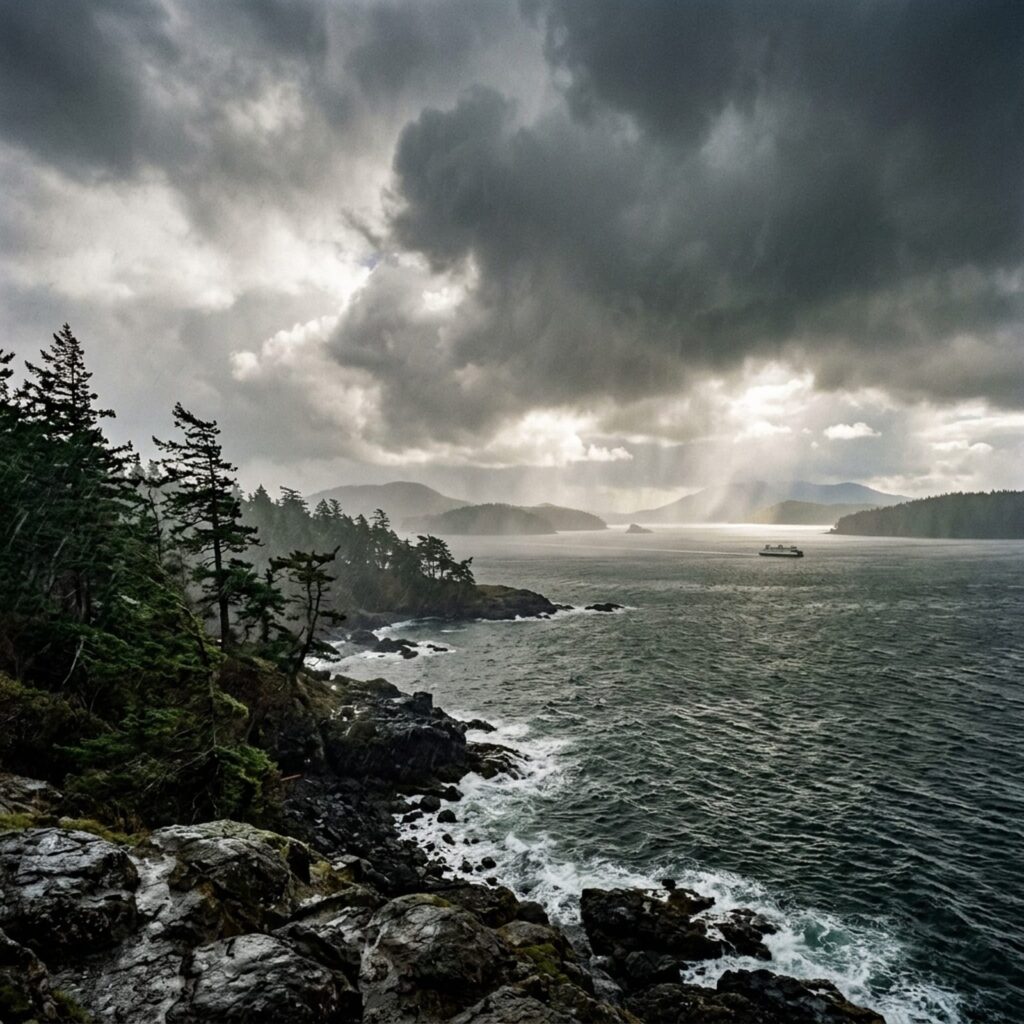
Why Winter Is the Most Underrated Season for Couples on San Juan Island
Winter on San Juan Island Belongs to Couples
Most visitors picture San Juan Island in July, with long ferry lines, full whale-watching boats, and a busy downtown Friday Harbor. Winter shows a quieter island. From November through February, the trails empty out, parking is easy, and the days settle into long breakfasts, coastal walks, and evenings by the fire. For couples who want a getaway without the crowds or months of advance planning, the San Juan Islands in winter deserve a serious look.
What to Do on San Juan Island in Winter
Start at Lime Kiln Point State Park on the island’s west side, where the lighthouse and rocky coast from so many summer photos are often yours alone in January. On a clear day, walk the prairie and beach trails at American Camp, part of San Juan Island National Historical Park, or climb the Mount Finlayson trail for wide views over the water. Back in town, the Whale Museum and several art galleries stay open year round, though winter hours can change, so call ahead before you go.
Winter storms are part of the appeal. Wind and rain sweep across Haro Strait and break against the shoreline, and watching the weather roll in from a warm window with a hot drink is a winter ritual many of our guests look forward to.
The San Juan Islands in Winter, Month by Month
The San Juan Islands in November ease you into the season. Days shorten, crowds thin quickly, and the island suits a quiet long weekend before the holidays.
December brings holiday lights to downtown Friday Harbor and a relaxed, festive mood. It is a natural month for an anniversary trip or a babymoon.
January is the quietest month on the island. Daytime highs typically sit in the mid-40s, and because the islands lie in the rain shadow of the Olympic Mountains, they receive less rain than Seattle. Layers and a good rain jacket cover most days.
February hints at spring, with occasional crisp, clear days for long walks. It is still the off-season, so you keep the quiet without giving up much in weather.
A Friday Harbor Bed and Breakfast Made for Winter Time
The Tucker House Inn and Harrison House Suites occupy historic homes built in 1898 and 1905, two blocks from the ferry terminal and an easy walk to downtown. Several of our guest rooms offer fireplaces and jetted tubs, while many of our cottages and suites add private hot tubs, fully stocked kitchens, and views over Friday Harbor. Each morning, a hot, multi-course breakfast made from seasonal ingredients arrives at your door, which makes a slow start to the day easy.
For dinner, Coho Restaurant sits a block and a half from the inn and serves farm-to-table menus through the holiday season, including Christmas Day and New Year’s Eve. Coho closes for January and reopens for Valentine’s Day, so plan January dinners at other spots in town.
Why Winter Rates Make the Decision Easy
Winter is when our seasonal savings and romance packages offer the most value. Our winter specials favor Sunday through Thursday stays, and packages such as Romance On The Rock add fresh flowers, sparkling wine, chocolate truffles, and a noon checkout. Booking directly with us secures our best rate and lets our innkeepers tailor the details of your stay.
Ready to see the island at its quietest? Book your winter stay at our Friday Harbor bed and breakfast and plan a couples getaway around the season.
Frequently Asked Questions
What is there to do on San Juan Island in winter?
Winter visitors can walk Lime Kiln Point State Park and American Camp, hike Mount Finlayson, watch storms along the shoreline, and visit the Whale Museum and galleries in Friday Harbor. Fewer crowds make every stop more relaxed.
What is the winter temperature on San Juan Island?
Winter daytime highs on San Juan Island typically sit in the mid-40s, and temperatures rarely fall below 30 degrees. Rain is common, though the islands receive less of it than Seattle.
Is Friday Harbor open in winter?
Yes. Some shops close or shorten their hours in January and February, but cafes, several galleries, and the Whale Museum typically remain open. Coho Restaurant is closed from January 1 until Valentine’s Day, so call ahead for any specific plans.