Chasing the Northern Lights in Juneau, Alaska
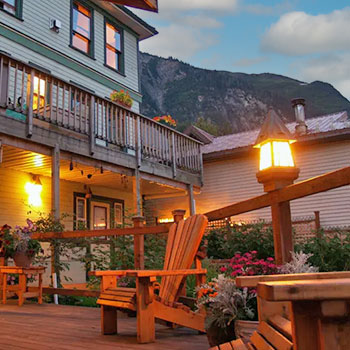
Alaska's Capital Inn Bed & Breakfast
Juneau, Alaska
Historic mansion B&B in downtown Juneau, Alaska, steps from the Alaska State Capitol. Seven elegant guest rooms with period furnishings, hot tub, & mountain views.
What to Expect From the Juneau Northern Lights
The Juneau northern lights rarely fill the entire sky the way they do over Fairbanks, but they appear most winters, and many visitors see them without leaving the borough. What matters is knowing when to look, where to drive, and how many nights to give yourself.
Can You See the Northern Lights in Juneau, Alaska?
Yes. Juneau sits near 58 degrees north latitude, south of the auroral oval over interior Alaska but within range when geomagnetic activity is moderate to strong. Weather is the real limit. Southeast Alaska is a temperate rainforest, and cloud cover cancels more viewing nights here than in Fairbanks.
If the aurora borealis is your only goal, Fairbanks offers better odds. Juneau offers a different trade: a capital city with glaciers, museums, and a walkable downtown, plus a genuine chance at the lights on any clear, active night.
When to Look: Months, Hours, and the Kp Index
Aurora season runs from late September through early April, because Juneau’s summer nights never get fully dark. October brings long nights and milder weather. November through February see frequent geomagnetic activity but also the heaviest clouds. March often has the clearest skies, and the weeks around the spring equinox tend to produce more geomagnetic storms.
For real-time conditions, use the University of Alaska Fairbanks Geophysical Institute aurora forecast, which tracks the Kp index, a 0 to 9 scale of geomagnetic activity. In Juneau, a Kp of 5 or higher gives you a solid chance on a clear night. Peak viewing usually falls between 10 p.m. and 2 a.m., and nights near the new moon are darker than those near a full moon. The sun’s 11-year cycle peaked in 2024 and 2025, and activity often stays elevated afterward, which keeps this winter promising.
Where to See the Northern Lights in Juneau
Downtown streetlights can wash out a faint display, so a short drive makes a real difference.
Eagle Beach State Recreation Area, about 27 miles north of downtown on Glacier Highway, looks across Lynn Canal toward the Chilkat Mountains with very little artificial light. Some gates close for winter, so plan to walk in from roadside parking. Amalga Harbor, a few miles before Eagle Beach, offers a similar open view over the water.
Sandy Beach in Douglas, just across the bridge from downtown, is the closest option, with sky views over Gastineau Channel.
Mendenhall Lake, at the foot of Mendenhall Glacier, pairs a darker sky with an ice and mountain backdrop.
Why a Juneau Bed and Breakfast Makes Aurora Nights Easier
Nobody can promise the aurora on a single night, so the smartest plan is three or four nights with a comfortable base in between. Alaska’s Capital Inn, a restored 1906 gold rush mansion on the Fifth Street hill across from the Alaska State Capitol, suits that kind of stay. Free on-site parking lets you leave for Eagle Beach the moment the forecast turns. After a 1 a.m. return, the gas fireplaces in Lila’s Suite and John’s Room, or the two-person whirlpool tub in the top-floor Governor’s Suite, take the damp chill out quickly. A three-course family-style breakfast starts the next day, and coffee, tea, and the bottomless cookie jar are available around the clock.
How to Improve Your Odds
Check both the Kp forecast and the cloud forecast before heading out. Dress in waterproof layers, because winter nights near the water are damp as well as cold. Once you arrive, give your eyes 15 to 20 minutes to adjust, and keep your phone screen dim. Above all, stay several nights, since clear skies and solar activity rarely line up on schedule.
Juneau Northern Lights FAQ
Can you see the northern lights in Juneau, Alaska?
Yes. The Juneau northern lights appear most winters on clear nights with a Kp of 5 or higher, especially from dark spots outside downtown.
When can you see the northern lights in Juneau, Alaska?
From late September through early April, most often between 10 p.m. and 2 a.m. March tends to offer the clearest skies.
What Kp index do you need to see the northern lights in Juneau?
A Kp of 5 or higher gives you a solid chance, provided the sky is clear.
Where is the best place to see the northern lights in Juneau?
Eagle Beach State Recreation Area is the most reliable dark spot, and Sandy Beach in Douglas is the closest option to downtown.
What direction should you look to see the northern lights in Juneau?
Face north. During strong storms, the aurora can climb higher overhead.
Plan your winter getaway around a few clear nights, and book your stay directly at our Juneau bed and breakfast for the best available rates.