Things to Do in Olympic National Park in Fall: Your Complete Guide
Travel Experience Lodging
Port Angeles & Sequim, Washington
Stay in secluded cabins and vacation homes near Olympic National Park, with modern comforts, pet-friendly options and easy access to rainforest, coast and mountain adventures.
Summer crowds thin out, the maples along the rivers turn gold, and Olympic National Park settles into a quieter, moodier season. If you’re weighing things to do in Olympic National Park this fall, October and November reward visitors who trade beach weather for crisp air, colorful hikes, and a shot at hearing bull elk bugle across the valley.
Fall changes the character of the park more than most seasons. The rain forests turn gold and amber, the elk rut kicks off, and coastal storms roll in off the Pacific with a drama summer never delivers.
When to Visit Olympic National Park in Fall
Mid-October is the sweet spot for Olympic National Park fall colors. Washington State Tourism points to mid-September through early November as the general fall color window, with mid-October offering the best odds of catching bigleaf and vine maples at their peak. Because the park spans sea level to alpine terrain, color doesn’t arrive everywhere at once. Low-elevation maples along the rivers can hold their yellow well into November.
Olympic National Park weather in October runs cool and unpredictable. Rain becomes more frequent as the month goes on, especially in the rain forests and along the coast, while snow starts to dust the higher elevations. The peninsula’s microclimates are dramatic: the Hoh Rainforest gets soaked while Sequim, tucked into the Olympic Mountains’ rain shadow, stays comparatively dry. Pack layers and waterproof boots rather than chasing a perfect forecast.
By Olympic National Park in November, rain dominates the lowlands, snow affects the high country, and some roads and facilities shift to seasonal hours. Hurricane Ridge Road typically moves to winter operations as snow arrives, with access generally limited to Friday through Sunday and holiday Mondays, weather permitting. Check current park conditions before you head out.
Best Hikes in Olympic National Park This Fall
The Hoh River Trail is the pick for travelers who want the rain forest without the crowds that pile into the Hall of Mosses. Starting near the Hoh Rainforest Visitor Center, the trail follows the river beneath towering Sitka spruce, western hemlock, and maple. For a full day out, push to Five Mile Island, roughly ten miles round trip, and keep an eye out for Roosevelt elk along the way. Days get short fast in October and November, so start early and check trail and road conditions before the drive out.
For a completely different mood, the Ozette Triangle delivers coastal drama instead of rain forest calm. The 9.2-mile loop connects Cape Alava and Sand Point through forest, boardwalk, and wild beach. Tides matter here more than anywhere else on the peninsula. Bring a tide chart, since some headlands require inland trail detours at high tide and others can’t be safely rounded even at low tide. Wet boardwalks add another reason to wear boots with real traction.
Watch the Elk Rut and Fall Bird Migration
Few Olympic Peninsula fall activities beat catching the elk rut in person. Olympic National Park protects the largest fully wild herd of Roosevelt elk in the Pacific Northwest, and September brings peak bugling season as bulls compete for mates. The Hoh Rainforest is one of the most reliable places to spot them, with early morning and evening the best windows. Stay at least 100 feet back, and if an elk changes behavior, pins its ears, or moves toward you, put more distance between you.
Just outside Sequim, Dungeness National Wildlife Refuge adds a different kind of wildlife watching to your fall itinerary. The refuge protects one of the world’s longest natural sand spits, and fall migration brings shorebirds to the tideflats and brant to the eelgrass beds. An easy half-mile trail leads from the entrance to an overlook above the spit, and from there you can walk the beach as far as you’d like. Reaching the New Dungeness Lighthouse is an 11-mile round trip, so check the tide first, and leave pets at home since they aren’t permitted in the refuge.
More Olympic National Park Autumn Hikes Worth the Detour
If your schedule allows extra time, a few classics still earn their spot on the list. Hurricane Ridge trades summer wildflowers for sharp mountain air and the possibility of early snow, so check road conditions before the drive up from Port Angeles. Sol Duc Falls looks especially striking as fall rain returns to the forest, and Mount Storm King delivers wide views over Lake Crescent framed by turning leaves. If you’re already in the Sol Duc Valley, add the salmon run at Salmon Cascades to your day.
Where to Stay for Your Olympic National Park Adventure Getaway
A day of hiking wet trails and watching elk in the rain is a lot more enjoyable when you have a warm, comfortable place to return to. Travel Experience Lodging offers distinctive Olympic National Park lodging across Port Angeles and Sequim, so you can choose a home base that fits the corner of the peninsula you plan to explore.
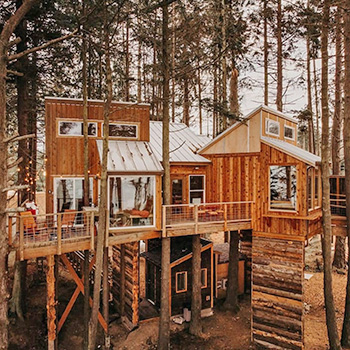
Port Angeles puts you close to Hurricane Ridge, Lake Crescent, and the Sol Duc area, while trips to the Hoh Rainforest or Ozette Triangle are best planned as full-day outings from either town. Eagles Nest, a craftsman treehouse perched 20 feet above the ground with views of the Strait of Juan de Fuca and its own fire-heated hot tub, is a favorite for guests craving something memorable after a day on the trail. Nearby, Cedar Lodge offers water views, a hot tub, and a full kitchen for unwinding once the rain sets in.
If Sequim and Dungeness anchor your plans, the Driftwood Spa Room offers a private hot tub, massage chair, and Strait views just minutes from the refuge. For larger groups, Lavender Castle sleeps up to 10 guests in a converted grain silo with a private hot tub, central fireplace, and lavender fields right outside the door.
Whichever property fits your plans, our Olympic National Park lodging is ready for the season’s rain, wildlife, and color. Browse our vacation rentals and book your fall adventure today.
Fall in Olympic National Park: FAQ
When is the best time to visit Olympic National Park?
Mid-October offers strong fall color, cooler hiking weather, and thinner crowds, making it one of the best windows for things to do in Olympic National Park. November brings more rain and seasonal closures, but rewards visitors with quieter rainforests and rivers.
Is Olympic National Park open in the fall?
Yes, the park stays open, though some roads, campgrounds, and facilities shift to seasonal hours as snow arrives. Hurricane Ridge Road is the one to watch, since it moves to weather-dependent winter access as the season progresses.
Where to stay near Olympic National Park in the fall?
Port Angeles and Sequim both make excellent home bases. Port Angeles is closest to Hurricane Ridge and Lake Crescent, while Sequim is well-suited to Dungeness Spit and lavender country. Vacation rentals with hot tubs and full kitchens, like those from Travel Experience Lodging, make it easy to dry out and warm up after a day outdoors.
How many days do I need for Olympic National Park?
Three to four days let you cover a hike in the Hoh Rainforest, a coastal trail like Ozette, and a scenic drive to Hurricane Ridge without rushing. Add a day if you want to include Dungeness Spit or the Sol Duc Valley.
Are there bears in Olympic National Park?
Yes, black bears live throughout the park. Store food properly and give any wildlife you encounter, including bears and elk, plenty of space.