Blue Lake Ranch – Durango, Colorado
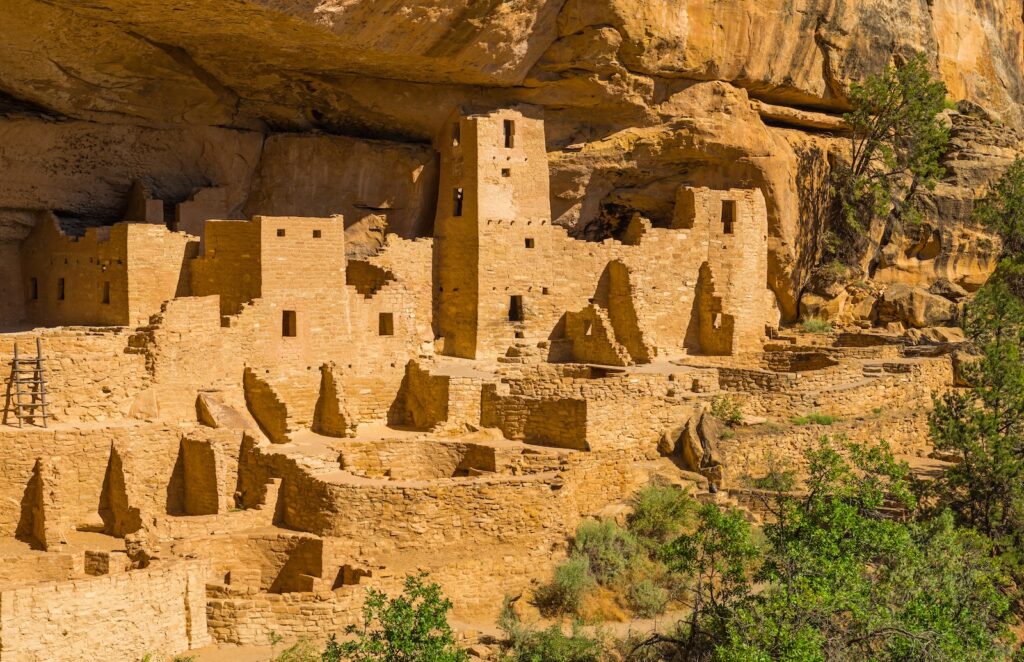
Cliff Dwellings & Ancient History at Mesa Verde National Park
A Unique Guide to Mesa Verde National Park
Mesa Verde National Park stands as one of the most significant archaeological destinations in North America, offering a rare opportunity to explore the legacy of the Ancestral Pueblo people. Located about 45 minutes from Durango, this remarkable site preserves more than 5,000 cultural locations, including iconic cliff dwellings built directly into canyon walls. It remains one of the most compelling things to do near Durango, Colorado for travelers seeking a deeper understanding of the region’s history.
A visit to Mesa Verde National Park reveals how communities lived, farmed, and built in a rugged mountain landscape for more than 700 years. Cliff Palace, the largest cliff dwelling in North America, features over 150 rooms and numerous kivas, which were used for ceremonial gatherings. Nearby, Balcony House offers a more adventurous experience with guided access that includes ladders and narrow passageways. For a broader overview, Mesa Top Loop Road provides an accessible route to multiple archaeological sites and scenic viewpoints.
Beyond the dwellings, the park offers enriching stops like the Chapin Mesa Archeological Museum, where artifacts and exhibits provide valuable historical context. Trails such as Petroglyph Point allow visitors to experience the landscape while viewing ancient rock carvings, while Park Point offers expansive views across the Four Corners region. These diverse experiences highlight why Mesa Verde National Park tours are essential for fully appreciating the site.
Where to Stay Near Mesa Verde National Park
After a full day of exploration, choosing the right lodging in Durango enhances the overall experience. Blue Lake Ranch offers a convenient and comfortable base just outside town, with easy access to both Mesa Verde National Park and downtown Durango. The property features a variety of accommodations, including private cabins, suites, and guest rooms set across expansive gardens and open land.
Guests can unwind in a quiet mountain setting while remaining close to restaurants, shops, and local attractions. With its balance of accessibility and privacy, this lodging option supports a well-rounded itinerary that includes both cultural exploration and relaxation. Planning ahead is recommended, especially for those visiting during peak travel periods.
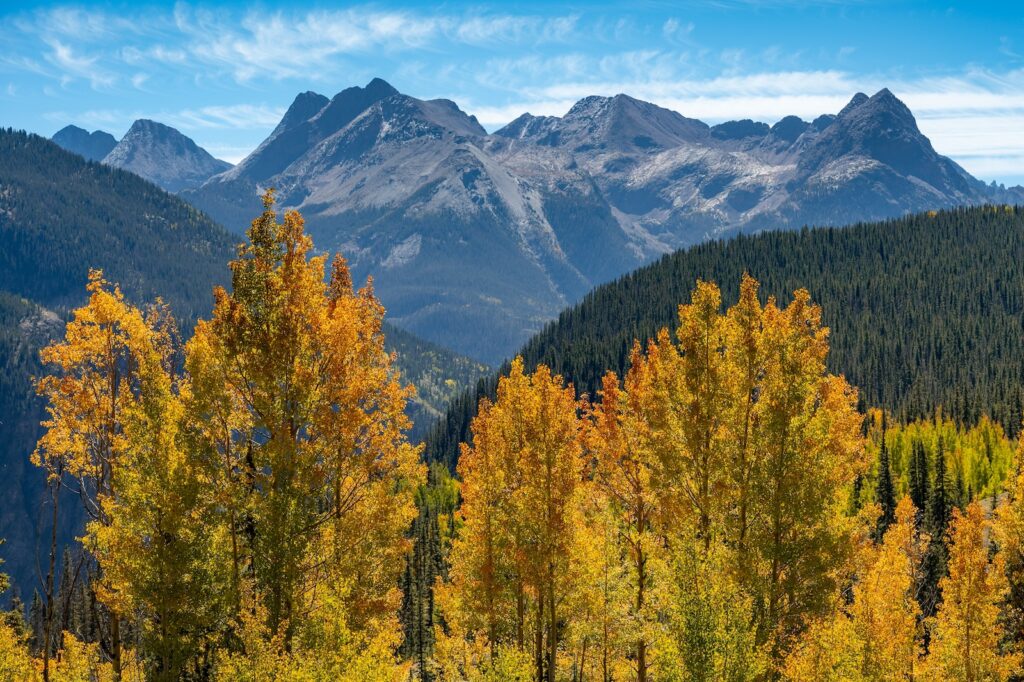
Durango Fall Colors: Hiking to the Golden Aspen Groves
Durango fall colors are reason enough to plan a trip to southwest Colorado. For a few weeks each autumn, the aspen groves in the San Juan Mountains turn from green to a bright gold, and the best way to experience them isn’t through a windshield. It’s on foot, standing inside a grove while golden leaves shimmer and rattle overhead. This is our guide to the hikes we recommend to guests every fall, from the high passes near Silverton to the quiet trails of La Plata Canyon just up the road from us.
Autumn is one of the best times to experience Durango beyond the trails, too. Summer crowds begin to fade, temperatures stay comfortable for exploring, and many of the area’s most popular attractions are still in full swing. Ride the Durango and Silverton Narrow Gauge Railroad through the golden Animas Canyon, take a scenic drive along the Million Dollar Highway or San Juan Skyway, stroll downtown’s locally owned shops and galleries, or unwind with a craft beer on a sunny patio after a day in the mountains. With so many things to do in Durango, it’s easy to build an itinerary around unforgettable hikes, scenic drives, and great local dining.
Where to Hike for Durango Fall Colors
Few places showcase Colorado aspen trees in fall quite like southwest Colorado. Because aspens grow in clonal groves, entire hillsides sharing one root system, they change color together, a whole mountainside flipping to gold in the space of a week. San Juan Mountains fall colors are widely considered among the best in the state for exactly this reason: the groves here are enormous, and they sit beneath rugged 13,000-foot peaks that often catch the season’s first dusting of snow. Walking into one of these groves is a different experience from driving past one. The light turns amber, fallen leaves soften the trail underfoot, and when the breeze moves through, the whole grove sounds like gentle rain.
These are the hikes we recommend most for experiencing the best of Durango fall colors.
Colorado Trail at Molas Pass. Less than an hour and a half from our cabins in Durango, CO, Molas Pass sits on Highway 550 and offers the high-alpine version of fall. Park at Little Molas Lake and follow the Colorado Trail as it climbs above the lake, covering about 5 miles round trip with just over 800 feet of elevation gain.
Views stretch across the Grenadier and West Needle Mountains for nearly the entire route, and on calm mornings, Little Molas Lake often reflects the surrounding peaks and golden aspens, making it one of the area’s favorite spots for photography. For a bigger challenge, the Molas Trail drops from the pass toward the Animas River, about 3.7 miles one way with roughly 1,700 feet of elevation loss that you’ll need to climb back out. Save that one for hikers looking for a more strenuous workout.
Pass Creek Trail at Coal Bank Pass. About an hour from our lodging, this trail begins just off Highway 550 near Coal Bank Pass. It climbs steadily through spruce and fir forests before opening into alpine meadows beneath Engineer Mountain, where views of the surrounding San Juan Mountains and Durango’s fall foliage make a natural turnaround point for most hikers. Adventurous hikers can continue toward Engineer Mountain, but the route quickly turns steeper and more technical, with a final ascent over loose rock and a Class 3 scramble best left to experienced climbers.
La Plata Canyon. Just twenty minutes from Blue Lake Ranch, La Plata Canyon is the closest place to experience spectacular Durango fall colors after your morning coffee. Located off Highway 160 via County Road 124, the canyon is less one defined trail than a collection of old mining roads, creekside paths, and quiet pull-offs that invite exploration.
Park at one of the many roadside pull-offs, wander down to the La Plata River, and you’ll find yourself surrounded by some of the most beautiful aspen groves in Colorado, with remnants of the area’s nineteenth-century mining history tucked among the trees and 13,000-foot peaks rising overhead. The lower portion of the road generally suits most passenger vehicles, but conditions get rougher farther up the canyon, especially after heavy rain, where high-clearance vehicles are recommended.
When Do Aspens Change in Colorado?
One of the most common questions we hear each fall is when do aspens change in Colorado. Weather always plays a role, but elevation is the biggest factor in seeing Durango fall colors at their peak. Higher elevations around Molas Pass and Coal Bank Pass usually turn first, often peaking in late September. Lower elevations like La Plata Canyon typically reach their best color from late September into the first half of October.
Because timing shifts slightly each year depending on temperature and moisture, it’s worth checking Colorado’s weekly fall foliage reports before your trip. If your schedule is flexible, consider visiting on a weekday for quieter trails, easier parking, and a more peaceful experience among the aspens.
Tips for Seeing the Best Durango Fall Colors
A little planning goes a long way during leaf season. Start early, since morning light creates beautiful reflections on Little Molas Lake while afternoons bathe the mountainsides in warm golden light. Dress in layers, since all three hiking areas sit between roughly 8,000 and 11,000 feet, where temperatures can change quickly.
Carry plenty of water, sunscreen, sturdy hiking shoes, and a light rain jacket. Keep an ear out for elk bugling too, since September is rutting season, and hearing a bull elk echo through the aspens is one of fall’s most memorable experiences. If an early snowstorm rolls through, don’t cancel your plans. Fresh snow covering the brilliant Durango fall colors is one of the most iconic sights in the San Juan Mountains.
Where to Stay: Cozy Cabins in Durango, CO
The smartest way to experience Durango fall colors is by staying somewhere that makes exploring easy, and that’s exactly what you’ll find at our lodging. Nestled at the foot of the La Plata Mountains on the west side of Durango, we’re just minutes from La Plata Canyon. Guests staying in our cabins in Durango, CO can spend less time driving and more time enjoying the mountains. Our kitchen prepares fresh, made-to-order picnic lunches, making it easy to head into the high country for the day.
Back at the ranch, a full breakfast buffet is ready each morning before you head out, with egg dishes, homemade pastries, signature jams, and freshly roasted coffee to enjoy on the covered portal while the mist lifts off the lake. Our accommodations range from guest rooms in the historic inn to private cabins, cottages, and casitas, many featuring fireplaces, exactly what tired hikers appreciate after a day in the mountains.
October evenings here have a magic all their own, with the La Plata Mountains catching the day’s final light as the gardens grow quiet. Build in at least one evening with no agenda beyond a glass of wine on your private patio. The aspens keep short hours, so come experience Durango fall colors while the mountains are glowing. Book your fall getaway today.
Durango Fall Colors: FAQ
When do the aspens change color in Colorado?
Elevation is the biggest factor. Higher elevations near Molas Pass and Coal Bank Pass typically turn first, often peaking in late September, while lower elevations like La Plata Canyon usually reach their best color from late September into the first half of October.
What is there to do in Durango, Colorado besides hiking?
Durango offers the Durango and Silverton Narrow Gauge Railroad, scenic drives along the Million Dollar Highway and San Juan Skyway, downtown shops and galleries, and local breweries with patio seating. These pair naturally with a morning or afternoon spent hiking for Durango fall colors.
Where to stay in Durango, Colorado for fall foliage?
Cabins in Durango, CO near the La Plata Mountains put you closest to trailheads like La Plata Canyon while still keeping downtown Durango within easy reach. A lodging option with fireplaces and a hearty breakfast makes cold fall mornings easier before a day on the trail.
How far is Molas Pass from Durango?
Molas Pass sits less than an hour and a half from Durango via Highway 550, making it a manageable day trip for hikers chasing high-alpine Durango fall colors and views of the Grenadier and West Needle Mountains.
Are the aspens changing in Colorado yet?
Timing varies each year slightly based on temperature and moisture, so it’s worth checking Colorado’s weekly fall foliage reports before planning a trip. As a general rule, high-elevation groves near Molas Pass and Coal Bank Pass change first, with lower-elevation areas like La Plata Canyon following a week or two later.
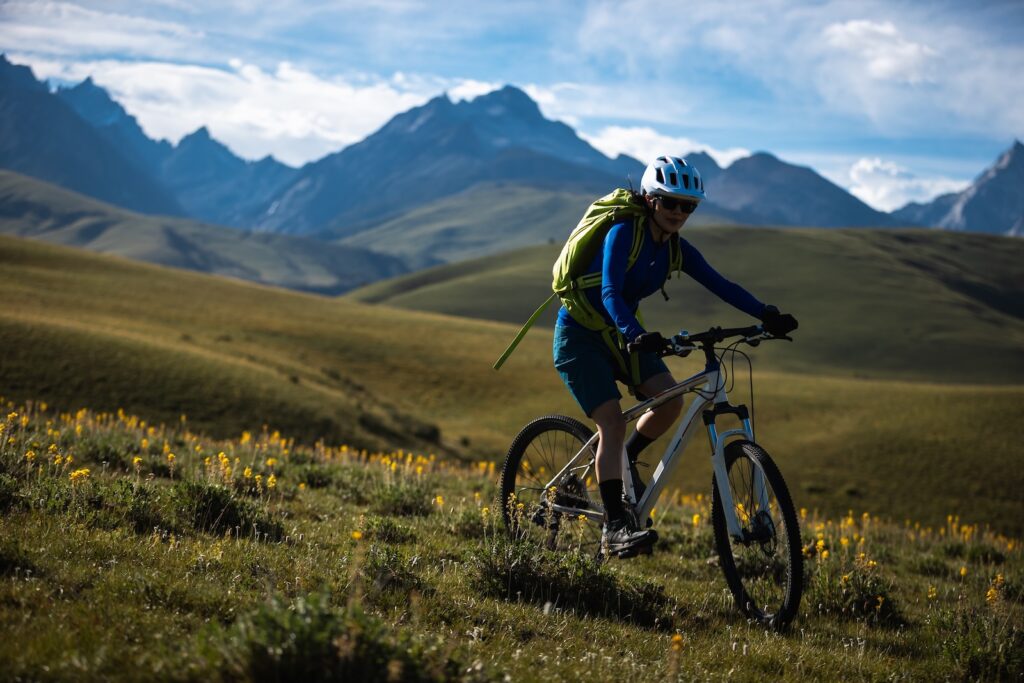
Durango Mountain Biking for Your Next Colorado Getaway
Best Durango Mountain Biking Trails to Explore
Durango mountain biking offers one of the most rewarding ways to experience southwest Colorado during the warm months. With hundreds of miles of trails winding through red rock landscapes, pine forests, open meadows, and alpine terrain, riders of every skill level can build an unforgettable adventure. Whether you are looking for a scenic ride or a challenging climb, the area’s diverse trail network makes mountain biking in Colorado a memorable part of any getaway.
Several Durango trails stand out for their scenery and variety. Horse Gulch Trail System, just minutes from downtown, features interconnected singletrack with options for beginners and experienced riders alike. Twin Buttes showcases striking red rock terrain paired with flowing sections and technical features. Overend Mountain Park rewards riders with panoramic mountain views after demanding climbs, while Hermosa Creek Trail offers a longer backcountry ride through forests and meadows. Riders looking for an even greater challenge can access portions of the renowned Colorado mountain bike trails along the Colorado Trail.
Stay Close to the Adventure in Cabins in Durango, CO
After a full day on the trails, Blue Lake Ranch provides a comfortable place to relax while remaining close to the region’s outdoor recreation. Located in nearby Hesperus, the property offers elegant guest rooms, private casitas, the Spring House, and distinctive cabins in Durango, CO that provide both privacy and convenient access to many of the area’s top attractions. Guests can begin each morning with a fresh Southwestern-style breakfast before heading back out to explore.
For riders who enjoy lift-served terrain, Purgatory Bike Park offers downhill trails ranging from beginner-friendly flow runs to more technical descents with expansive mountain views. Beyond biking, visitors can experience many other things to do near Durango, including the historic Durango and Silverton Narrow Gauge Railroad, local breweries and restaurants, hiking, fishing, and guided jeep tours through the San Juan Mountains.
Trail conditions are typically at their best throughout the warm months, although weather and elevation can affect accessibility. Checking current trail reports before your ride helps ensure the best experience. Whether you are planning a weekend focused on Colorado mountain bike trails or a longer outdoor escape, Durango mountain biking combines exceptional scenery, diverse terrain, and endless opportunities for adventure. Complete your Colorado getaway with a stay at Blue Lake Ranch and enjoy easy access to some of the state’s most celebrated outdoor experiences.
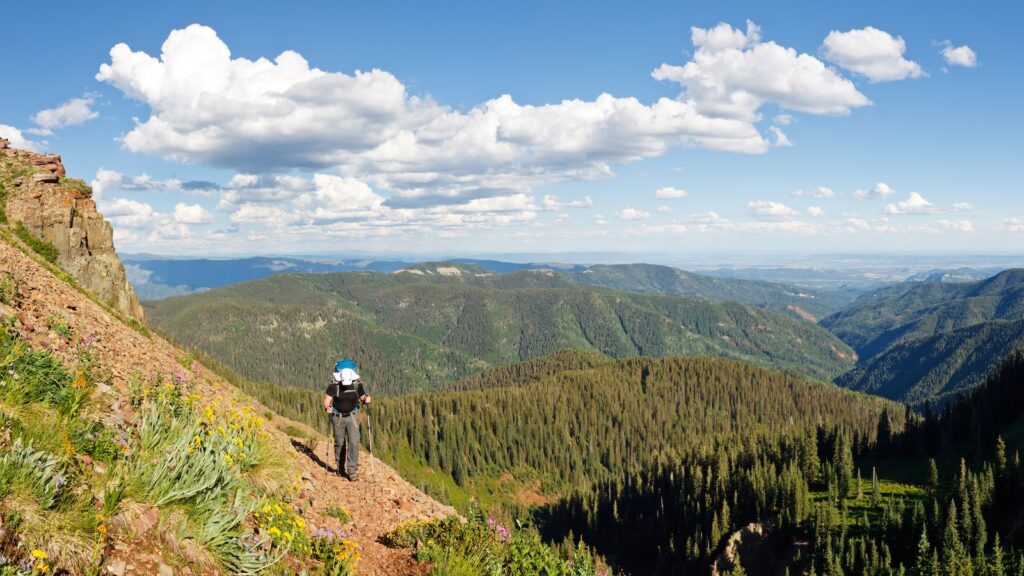
Durango Trails for Hiking this Summer
Best Hikes Near Durango for Summer
If you are planning a summer mountain escape, exploring the best hikes near Durango offers a direct way to experience the region’s varied terrain and outdoor culture. Durango hiking trails move through high desert mesas, alpine forests, and ridgelines that showcase the San Juan Mountains from multiple perspectives. This range makes hiking in Durango appealing for both relaxed outings and more challenging routes.
The best hikes in Durango highlight the area’s diversity. The Animas Mountain Trail System provides a steady climb with expansive views over town, while Colorado Trail Segment 28 offers a longer, more immersive experience with alpine scenery and wildflowers. Engineer Mountain Trail delivers dramatic elevation changes in a shorter distance, and the Animas River Trail offers a flat, flexible option that follows the water through town.
Other notable Durango hikes include the Castle Rock Trail via Elbert Creek, which leads to a summit with wide mountain views, and the Falls Creek Trail, a longer route that rewards hikers with a remote waterfall. Perins Peak Trail combines forested sections with sweeping vistas, while Spud Lake Trail offers a shorter route to a quiet alpine lake. These options reflect why so many travelers consider this area one of the top places for things to do in Durango CO during summer.
Where to Stay Near Durango for a Summer Hiking Trip
After a full day on the trails, where you stay should complement the experience. Blue Lake Ranch, located just outside Durango in Hesperus, provides a setting that aligns with the pace of a mountain adventure. The property offers expansive grounds, gardens, and quiet spaces to help you relax between hikes while staying within reach of top trailheads and Durango attractions.
Choosing a hotel near Durango that balances access and privacy makes a noticeable difference when planning a hiking-focused trip. With its location and thoughtful layout, Blue Lake Ranch offers a comfortable base for exploring the best hikes near Durango while maintaining a relaxed atmosphere. Booking a stay here allows you to experience both the best trails and the quieter side of the region.
Jeep Tours & Big Adventure in Durango
Best Durango Jeep Tours Near Blue Lake Ranch
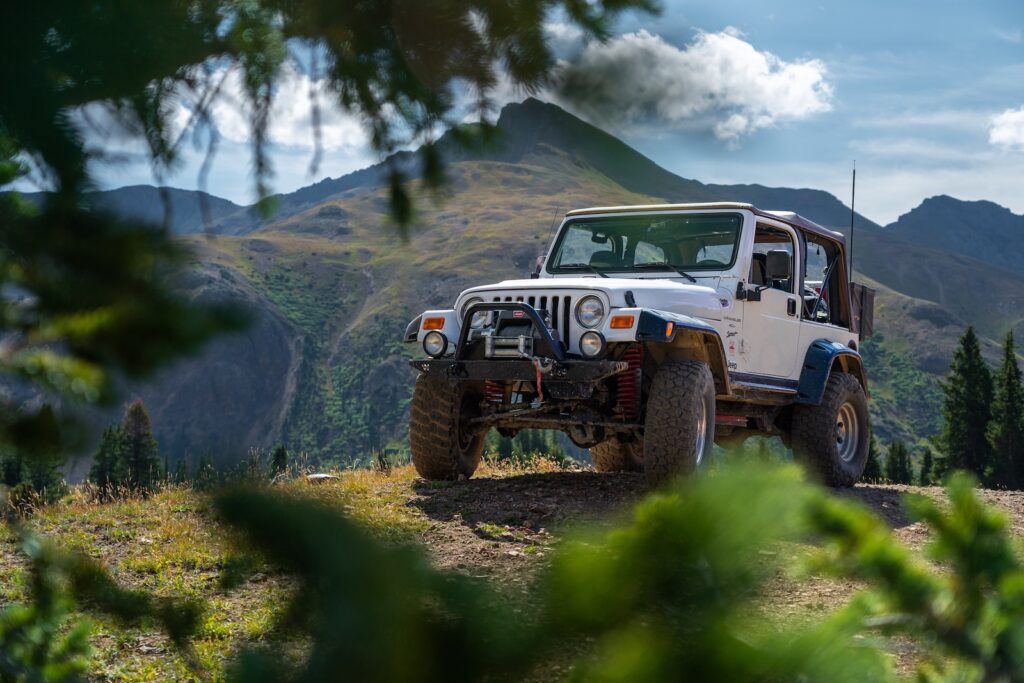
Few experiences showcase the rugged beauty of Southwest Colorado quite like Durango Jeep Tours. These guided off-road adventures take visitors beyond the main roads and deep into the San Juan Mountains, where historic mining routes, alpine landscapes, and panoramic views create an unforgettable mountain adventure getaway. Whether you are visiting Durango for the first time or returning to explore more of the region, a Jeep tour offers one of the most exciting and unique things to do in Durango, CO.
Many jeep tours in Durango Colorado travel through remote backcountry areas that are difficult to access without a specialized vehicle. Along the way, visitors can discover abandoned mining sites, mountain passes, waterfalls, and expansive views stretching across Southwest Colorado. Depending on the route and season, guests may also encounter colorful wildflowers, golden aspen groves, and local wildlife.
Knowledgeable guides enhance the experience by sharing stories about the area’s mining heritage, mountain ecosystems, and local history. Tour options range from family-friendly scenic excursions to more challenging backcountry routes designed for travelers seeking a true Colorado Jeep Tours experience.
Popular tour providers include Colorado Outback Adventures, which offers guided tours and Jeep rentals, Durango Rivertrippers with its scenic waterfall excursions, Outlaw Tours featuring historic routes and ghost towns, and San Juan Backcountry, known for its exploration-focused mountain adventures. Because these tours remain one of the most popular things to do in Durango, advance reservations are highly recommended during peak travel seasons.
Exceptional Lodging in Durango, CO
After a day exploring mountain trails and high-elevation scenery, Blue Lake Ranch offers an exceptional alternative to hotels in Durango, and is a welcoming place to relax and recharge. Located just outside Durango, the property combines refined accommodations with easy access to many of the area’s top attractions.
Guests can choose from 17 unique lodging options, including private cottages and cabins featuring mountain, lake, or garden views. Accommodations include king beds, fireplaces, walk-in showers, whirlpool tubs, and outdoor sitting areas designed for comfort and relaxation.
Each morning begins with a Southwest-inspired breakfast buffet featuring egg dishes, fresh fruit, breakfast meats, pastries, bagels, and other favorites. The peaceful setting allows guests to unwind while remaining close to downtown Durango, outdoor recreation, and the region’s most popular attractions.
If you are searching for what to do in Durango CO during your next mountain adventure getaway, combining Durango Jeep Tours with a stay at Blue Lake Ranch creates a memorable Colorado experience from start to finish. Book your stay today and discover the beauty of the San Juan Mountains for yourself.
Take a Fall Road Trip on the San Juan Skyway
Why This Is Durango’s Best Fall Road Trip
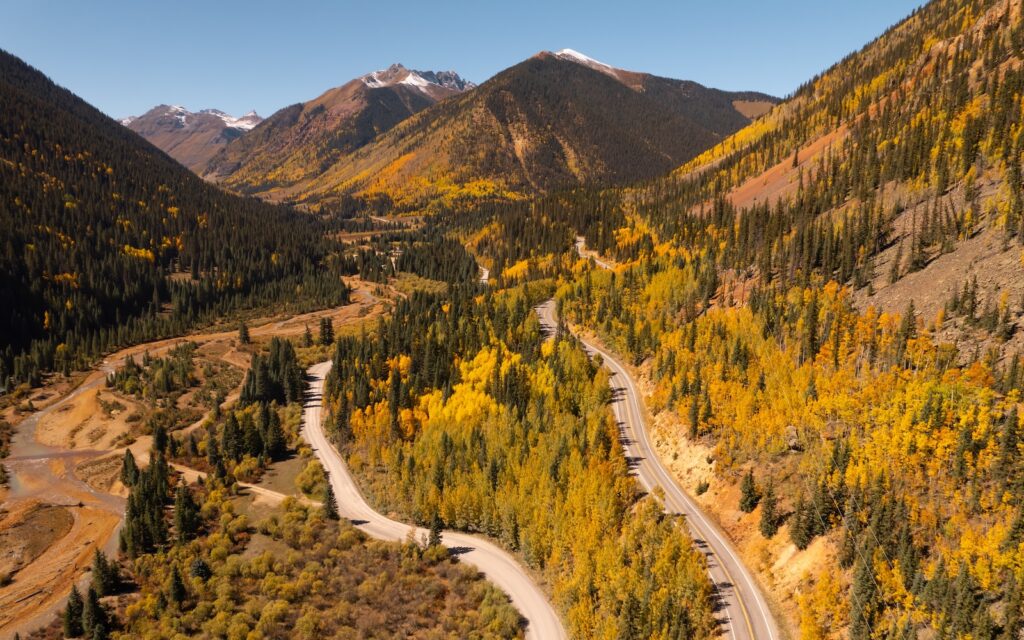
Driving the San Juan Skyway in fall is the best day trip you can take from Durango, and every September our guests ask us the same question at breakfast: when do the aspens turn? Fall foliage runs September through early October, and this 236-mile loop through the San Juan Mountains is the perfect way to see it. Widely considered one of the most spectacular scenic drives in Colorado, the San Juan Skyway scenic byway climbs the famous Million Dollar Highway, threads the high country from Silverton to Telluride, and rolls past gold-drenched hillsides and historic mining towns for hours. The whole loop starts and ends right here in Durango.
With so many things to do in Durango, the San Juan Skyway is just one reason we love autumn here. Our favorite hikes near Durango, like the Colorado Trail at Junction Creek, put you inside those aspen groves instead of just driving past them. Durango Jeep tours for off-road adventure take you deep into the high country on old mining roads. And Durango mountain biking is legendary for good reason, with hundreds of miles of singletrack from mellow river trails to the Horse Gulch network minutes from downtown. It is easy to spend an entire week in this area.
After a day exploring the San Juan Skyway, you will want to relax at the best Durango lodging. Blue Lake Ranch sits on a private ranch just west of Durango with views of the La Plata Mountains, a spring-fed lake, and lush gardens. As Southwest Colorado’s first Bed and Breakfast, we have spent decades perfecting the routine our guests love: a Southwest-inspired breakfast buffet to fuel the day, then an evening back at your own cabin or cottage, many with fireplaces and whirlpool tubs for cool mountain nights.
San Juan Skyway: What to Expect on the Drive
The San Juan Skyway is a 236-mile loop designated as an All-American Road, the highest level of scenic byway recognition the U.S. Secretary of Transportation can give, awarded in 1996. The full loop requires roughly six hours of driving without extended stops, though most visitors spend an entire day exploring the overlooks and mountain towns. Heading north from Durango on Highway 550, you will climb Coal Bank Pass and Molas Pass, both over 10,600 feet, with views of Pigeon and Turret Mountains and three fourteeners: Windom, Eolus, and Sunlight. In late September, the aspen groves along this stretch turn entire mountainsides gold, and the pullouts at Molas Pass are perfect for photos.
Then comes the stretch everyone talks about. From Silverton, the road becomes the Million Dollar Highway, climbing over Red Mountain Pass before clinging to the steep canyon walls of Uncompahgre Gorge as it descends into Ouray. Nobody knows for certain where the name came from, though local lore credits the construction cost, the views, or the gold ore left in the roadway fill.
The Million Dollar Highway is a serious mountain road with drop-offs lacking guardrails, so take it slow and trade drivers if you both want to enjoy the scenery. We always tell our guests to run the loop counterclockwise instead. Driving west from Durango first puts you on the inside of the steepest curves when you reach the Million Dollar Highway, with the rock wall beside you rather than the edge. Always check road conditions before you go, since fall weather in the high country changes fast. Early October can mean sunshine in Durango and snow flurries at the passes.
The towns break up the drive beautifully. Silverton’s downtown is a National Historic Landmark District, its architecture a leftover of early mining wealth, and the Old Hundred Gold Mine tour is a favorite attraction. Ouray, called the “Little Switzerland of America,” is home to Box Cañon Falls and a large natural hot springs pool. The leg from Silverton to Telluride crosses the Dallas Divide past Mount Sneffels, one of Colorado’s most iconic fall viewpoints, before dropping into the box canyon that holds Telluride, where you can ride the free gondola for aerial views of the fall colors. The return leg holds quieter charms, including the galleries and studios of the Mancos Creative District, and the turnoff for Mesa Verde National Park.
Among the scenic drives in Colorado, the San Juan Skyway stands out for its remarkable variety, with alpine passes, Victorian mining towns, river canyons, and ranch country all within a single loop. Start early, fill the tank in Durango, pack layers since higher elevations run cool even in warm months, and skip scheduling anything for the evening.
Durango Lodging Built for This Drive
A full day on the San Juan Skyway deserves an equally special place to begin and end your fall road trip. Blue Lake Ranch can help you make the most of your trip. Before you leave, the kitchen can pack a made-to-order picnic lunch, which beats hunting for a table in Telluride at peak leaf season. When you roll back in, there are 70 acres to stretch your legs on, or skip straight to a wine and cheese platter on your private patio while the La Platas catch the last light. Every room, suite, casita, and cabin here is individually decorated, ranging from the La Plata Vista Room with its whirlpool tub and private balcony to the Cabin on the Lake, which sleeps a full group with three bathrooms, two fireplaces, and a complete kitchen. Bringing the dog along for leaf season? The Cottage in the Woods and the River House are both pet-friendly.
Book Your Fall Road Trip Today
The aspens only give you a few weeks each fall. Book your stay at Blue Lake Ranch and come see why this loop tops every list of scenic drives in Colorado.
Frequently Asked Questions
Where is the Million Dollar Highway?
The Million Dollar Highway is the stretch of U.S. Highway 550 between Silverton and Ouray, Colorado, and it forms one of the most dramatic legs of the San Juan Skyway.
Why is it called the Million Dollar Highway?
No one knows for certain. Local lore credits the original construction cost, the million-dollar views, or gold ore mixed into the roadway fill during construction.
How long is the Million Dollar Highway?
The Million Dollar Highway runs about 25 miles between Silverton and Ouray, though it is often used to describe a longer stretch of Highway 550 through the San Juan Mountains.
Is the San Juan Skyway dangerous to drive?
The Million Dollar Highway section has steep drop-offs without guardrails, so drivers should go slowly and consider running the loop counterclockwise from Durango to stay on the inside of the sharpest curves.
Things to Do in Durango, CO: Your Adventure Getaway Guide
The Best Things to Do in Durango, CO, Start Outside
Durango sits at about 6,500 feet in the San Juan Mountains, with the Animas River running straight through town and the San Juan National Forest at its edges. Most things to do in Durango, CO, revolve around that landscape: a steam train through a granite canyon, a trout stream within walking distance of Main Street, or a long mineral soak after a day on the trail. This guide covers what to prioritize, when to go, and where to base your adventure getaway.
Durango, Colorado Activities: Hiking, Biking, and Fishing
The Animas River Trail, a paved path of nearly seven miles, links parks and neighborhoods along the river and works well for an easy walk or ride. For a real climb, the Animas Mountain Trail System offers a route of about five miles with roughly 1,400 feet of elevation gain and views toward the La Plata Mountains. Durango also marks the southwestern end of the 567-mile Colorado Trail, so you can hike a short section of a famous route in a single morning.
Mountain bikers head to Horse Gulch, just east of downtown, for interconnected singletrack that ranges from mellow to technical. In summer, Purgatory Resort runs a lift-served bike park north of town.
Anglers can fish Gold Medal Water without leaving town. Colorado Parks and Wildlife gives that designation to the Animas River from Lightner Creek to the Rivera Crossing bridge, and local outfitters rent gear and sell licenses. The same river runs Class II and III rapids for rafting, while Lake Nighthorse offers calmer water for paddleboarding and kayaking.
Where to Stay: A Durango Bed and Breakfast Built for Adventure
Blue Lake Ranch gives you a quiet place to recover between big days. The private 200-acre ranch sits in Hesperus, west of Durango on the side of town closer to Mesa Verde, with views of the La Plata Mountains. Guests choose from 17 places to stay, including six rooms and suites in the main house, five casitas, three cabins, and the two-suite Spring House. Most have a private deck or patio and a fireplace, and several include a whirlpool or soaking tub.
Families and groups can spread out in the Cabin on the Lake, which has a king bed, three queens, and a full kitchen. The River House adds a washer and dryer and welcomes pets. Every stay includes a made-from-scratch Southwest breakfast buffet, so you can eat well before an early train departure or a drive to Mesa Verde. Reserve your room, casita, or cabin directly at Blue Lake Ranch, a Durango Bed and Breakfast within easy reach of both town and the region’s major day trips. Book your stay today!
Things to Do Near Durango, CO
Mesa Verde National Park’s entrance sits about 35 miles west of Durango, but reaching the main cliff dwellings takes around an hour and a half from town. The park protects about 600 cliff dwellings, including Cliff Palace, and many require a reserved ranger-led tour, so book ahead.
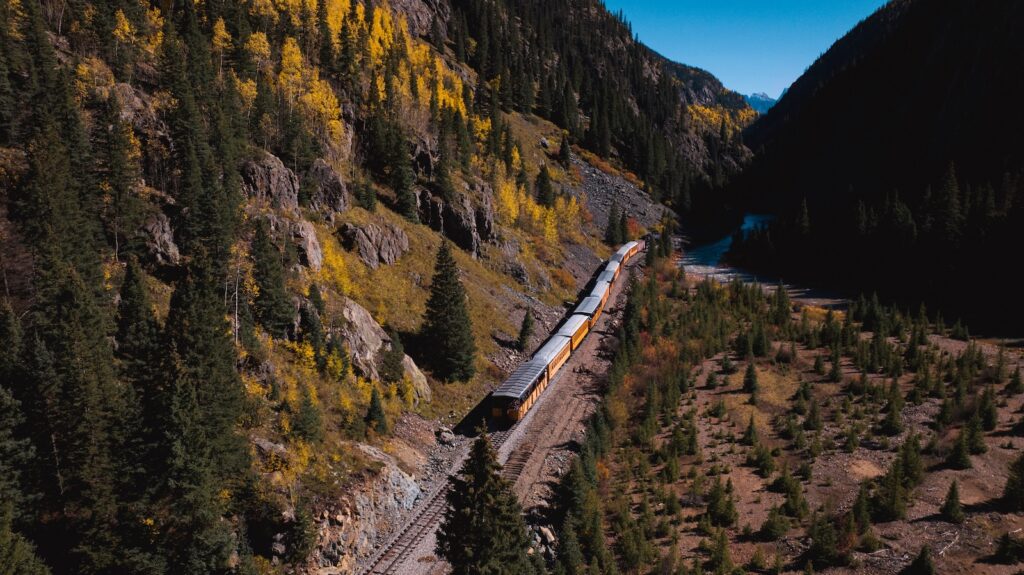
The Durango and Silverton Narrow Gauge Railroad has run the 45 miles between Durango and Silverton since 1882. A full round trip takes about nine hours, including time to explore Silverton, and fall aspen color makes the Animas River Canyon especially striking. Reserve early for peak dates.
For a scenic drive, follow US 550 north to Silverton and continue over the Million Dollar Highway to Ouray, part of the roughly 236-mile San Juan Skyway. On the way back, stop at Durango Hot Springs Resort and Spa, formerly Trimble Hot Springs, for mineral pools and cold plunges north of town.
Things to Do in Durango, CO, in Summer and Beyond
Summer brings open high-country trails and rafting season, along with afternoon thunderstorms, so start exposed hikes early. Fall turns the aspens gold and thins the crowds. Winter adds skiing at Purgatory and the railroad’s seasonal excursions. Spring runoff raises river levels and opens lower trails as the snow melts.
Frequently Asked Questions About Durango
What to do in Durango, CO?
Popular things to do in Durango, CO include riding the Durango and Silverton Narrow Gauge Railroad, hiking the Animas Mountain Trail, fishing the Animas River, and taking a day trip to Mesa Verde National Park.
What is Durango, Colorado known for?
Durango draws visitors with its 1880s railroad heritage, historic downtown, and outdoor recreation, from Gold Medal trout water to singletrack and whitewater. Its location also puts Mesa Verde and the San Juan Skyway within day-trip range.
What is the elevation of Durango, Colorado?
Durango sits at about 6,500 feet. Visitors from lower elevations should drink plenty of water and ease into strenuous activity, since nearby trails and passes climb well above 8,000 feet.
Where to stay in Durango, CO?
Choose a base with easy access to both town and the region’s day trips. Blue Lake Ranch sits west of Durango, toward Mesa Verde, with rooms, casitas, and cabins for couples, families, and groups.