Articles
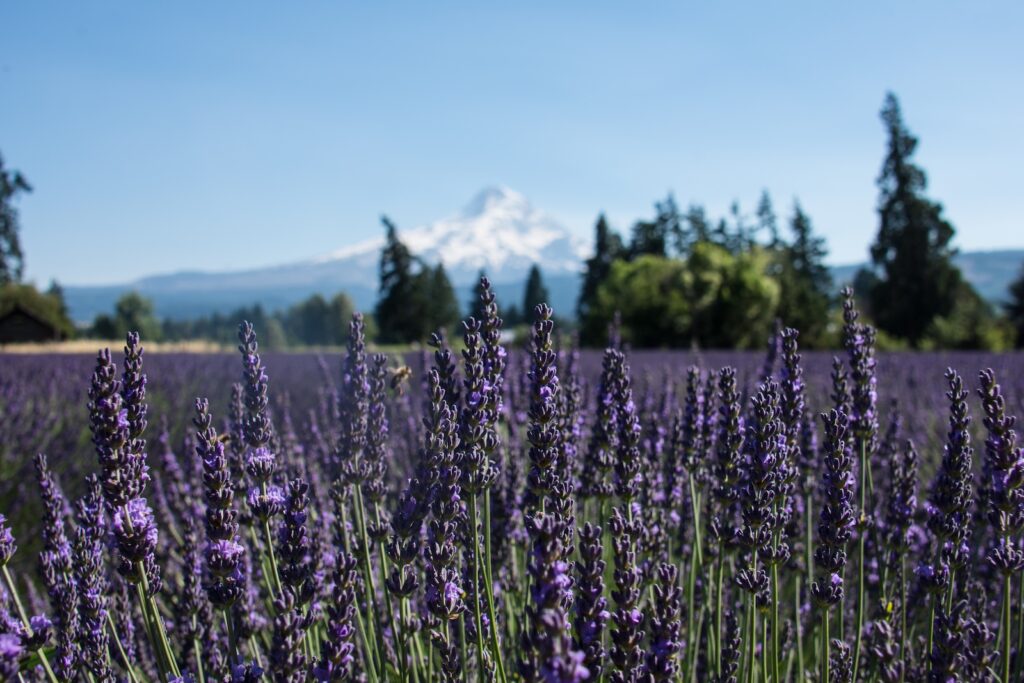
Visit the Top Hood River Lavender Farms This Summer
The Best Hood River Lavender Farms to Visit this Summer
Summer in the Columbia River Gorge brings a vivid display of color, and Hood River Lavender Farms are among the most anticipated seasonal highlights. By late June and early July, fields across the region reach peak bloom, filling the landscape with rows of vibrant purple and a distinct, calming fragrance. Visiting these lavender farms offers a memorable way to experience the natural beauty of the Pacific Northwest while enjoying one of the most popular things to do in the Columbia River Gorge.
Several lavender farms Hood River visitors seek out offer more than scenic walks. Guests can browse farm shops featuring handcrafted goods, culinary lavender products, and locally made gifts. At Hood River Lavender Farm, open fields and sweeping views create an inviting setting for a relaxed afternoon. Nearby, Stave and Stone Winery provides an elevated perspective of the surrounding landscape, pairing lavender views with a beautiful outdoor tasting space.
Van Gogh Lavender Farm welcomes visitors during the summer bloom season with vibrant fields and a focused, small-scale farm experience. At Hope Ranch Lavender Farm, guests can walk through rows of lavender framed by views of Mt. Hood and Mt. Adams, with opportunities to gather fresh bundles and browse the farmstand. Glacier View Lavender Farm, located along the Hood River Fruit Loop, offers a convenient stop between orchards and other agricultural experiences in the area.
Luxury Cabins Near Hood River
A visit to a lavender farm near Portland pairs naturally with a well-located place to stay. A Cabin in Washington State near Hood River provides convenient access to the Gorge while offering a refined lodging experience. Located close to hiking trails, river viewpoints, and local towns, these cabins make it easy to explore the region at your own pace.
After a day spent visiting Hood River Lavender Farms or exploring all the things to do near Hood River, returning to a private cabin offers a comfortable and quiet retreat. Summer is an ideal time for a couple’s getaway in the Pacific Northwest, with long days, clear views, and a wide range of outdoor activities. Plan your visit around peak bloom and secure your stay to fully experience this seasonal highlight.
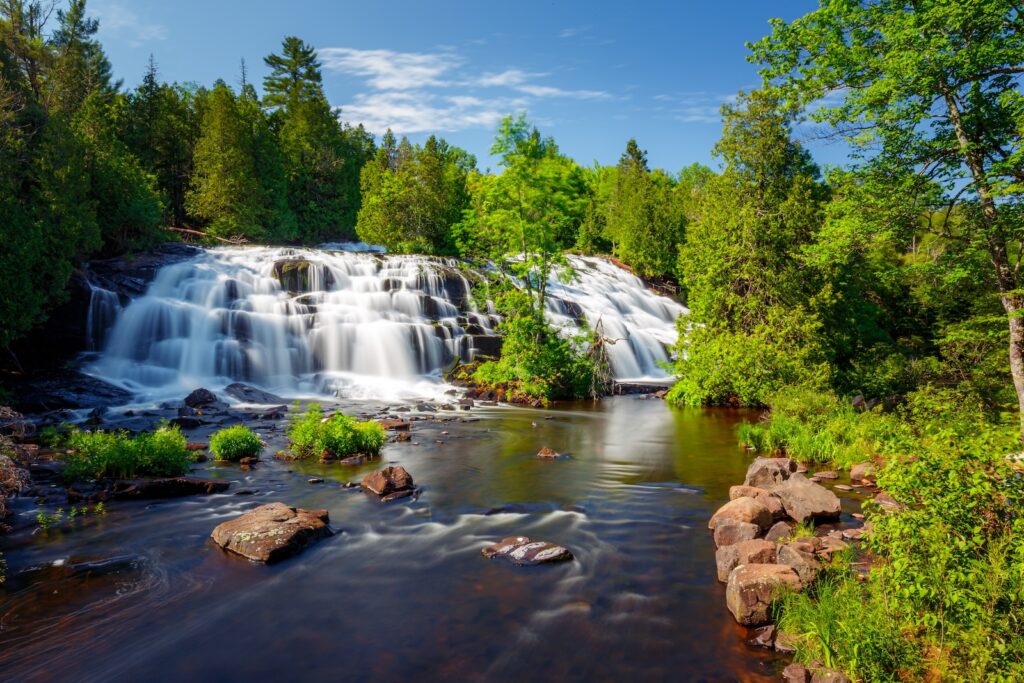
Visit these Breathtaking Waterfalls in Michigan
Best Waterfalls in Michigan for a Midwest Adventure
Michigan is home to more than 300 waterfalls, making it one of the most compelling destinations in the Midwest for outdoor exploration. From powerful river cascades to quiet forest streams, discovering waterfalls in Michigan offers a direct connection to the state’s diverse landscapes. While many of the most dramatic sites are located in the Upper Peninsula, the Lower Peninsula also features accessible, rewarding stops worth adding to any itinerary.
Waterfalls in Upper Michigan often define the experience for first-time visitors. Tahquamenon Falls, located within Tahquamenon Falls State Park, is one of the most recognized examples. The Upper Falls span nearly 200 feet and drop approximately 50 feet, creating one of the largest waterfalls east of the Mississippi River. Nearby, the Lower Falls offer a contrasting experience, with smaller cascades set amid wooded islands. In Pictured Rocks National Lakeshore, Munising Falls and Miners Falls offer short, scenic walks leading to impressive viewpoints. Further west, the Black River Scenic Byway connects multiple waterfalls, including Gorge Falls and Rainbow Falls, creating a route that combines driving with short hikes.
Beyond the Upper Peninsula, waterfalls in Lower Michigan provide a quieter but equally engaging experience. Ocqueoc Falls, the largest waterfall in the Lower Peninsula, features accessible pathways and a wide limestone cascade. Iargo Springs, located near the Au Sable River, offers both a small waterfall and a scenic overlook, accessible via a staircase trail. Additional stops, such as Irontone Springs and the Seven Bridges Recreation Area, introduce smaller waterways and forest settings. Chasing waterfalls is just one of the best things to do in Michigan!
Stay at a Bed and Breakfast in Michigan
After a full day exploring waterfalls in Michigan, choosing a Bed and Breakfast in Michigan adds comfort and a local perspective to your trip. These properties often provide convenient access to nearby parks, scenic routes, and trail systems, making them a practical base for continued exploration.
Guests can expect thoughtfully prepared breakfasts, well-maintained guest rooms, and insight from Innkeepers who understand the surrounding region. Whether you are exploring waterfalls in Upper Michigan or planning stops across the Lower Peninsula, when choosing from places to stay in Michigan, a B&B supports a more connected and efficient travel experience. Booking in advance ensures availability, particularly during peak travel periods when outdoor adventures are at their most popular.
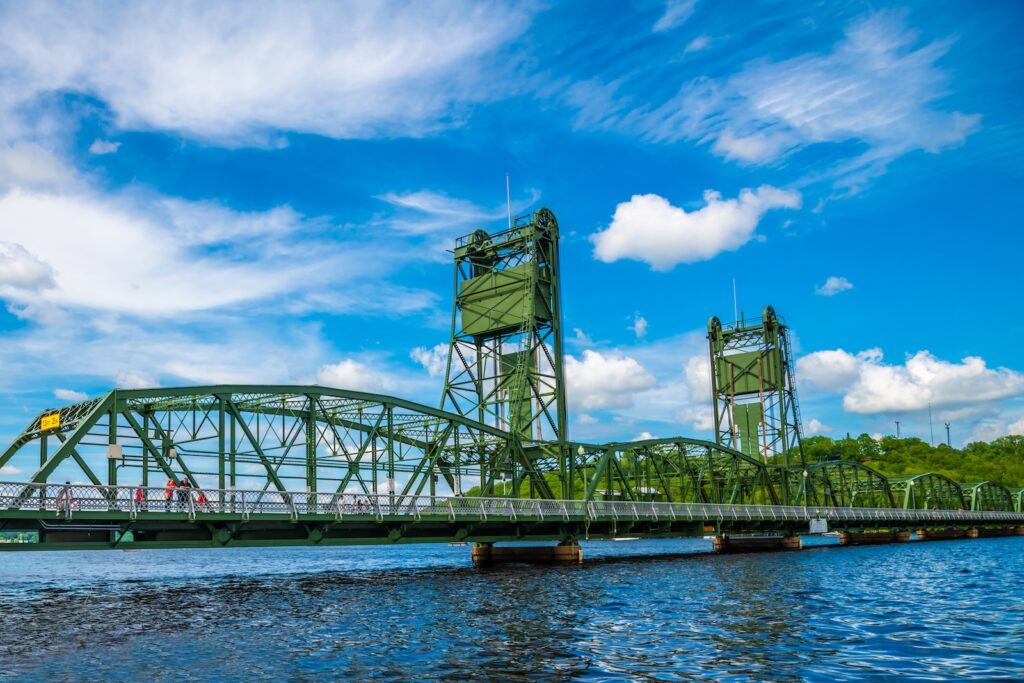
Walk Across the Iconic Stillwater Lift Bridge
Explore the Stillwater Lift Bridge from Downtown
The Stillwater Lift Bridge stands as one of the most recognizable landmarks in the Midwest, offering both historical significance and a scenic outdoor experience. Spanning the St. Croix River between Minnesota and Wisconsin, this historic lift bridge has evolved from a vital transportation route into a pedestrian-friendly attraction. Today, it remains central to many of the top things to do in Stillwater.
Originally constructed in 1931, the Stillwater Bridge was designed with a vertical lift to allow river traffic to pass beneath. Its engineering and longevity earned it a place on the National Register of Historic Places. Following a multi-year restoration, the bridge reopened in 2020 as a space dedicated to walkers and cyclists, providing visitors with a new way to experience the river and the surrounding landscape.
Walking across the Stillwater Lift Bridge is one of the most accessible and rewarding activities in downtown Stillwater. Clearly marked lanes allow pedestrians and cyclists to move comfortably across the span while taking in views of the St. Croix River and the historic riverfront. Midway across the bridge, visitors can pause for photos that capture both the water and the town skyline. During the warmer months, the bridge lift remains in operation, offering the chance to watch the structure rise for passing boats.
Beyond the bridge, visitors can extend their adventure along the St. Croix Crossing Trail Loop, a multi-mile route that connects Minnesota and Wisconsin with scenic viewpoints throughout. Lowell Park, located at the base of the bridge, offers open green space for relaxing along the riverfront. Additional things to do in Stillwater include river cruises, live music, fantastic restaurants, and exploring the many independently owned businesses throughout downtown.
Stay at the Historic Stillwater Hotels
Where you stay enhances your visit. The Water Street Inn is one of the most distinctive Stillwater hotels, located directly along the river and steps from the lift bridge. Its central location makes it easy to explore downtown Stillwater, from shops and restaurants to nearby outdoor attractions.
With its combination of history, accessibility, and scenic views, the Stillwater Lift Bridge remains one of the most memorable historic attractions in the region. Whether you are visiting for a day or planning a longer stay, it offers a central starting point for experiencing everything Stillwater has to offer.
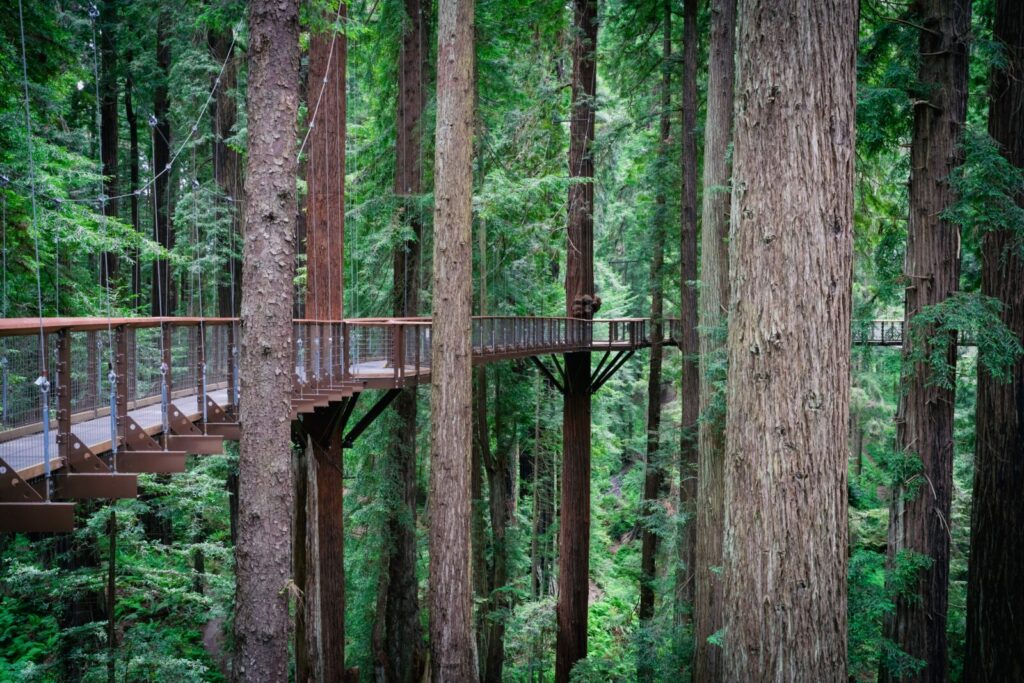
Walk in the Redwood Tree Canopy
The Redwood Skywalk in Eureka CA
The Redwood Skywalk at Sequoia Park Zoo offers one of the most engaging ways to experience the California Redwood Forest from above. This self-guided canopy walk features a network of suspended bridges and platforms rising up to 100 feet, giving visitors a direct view into the upper reaches of towering redwoods. Unlike traditional forest trails, this elevated perspective reveals the scale and structure of these ancient trees in a truly unique way.
Spanning 1,104 feet, the Redwood Skywalk is the longest canopy walk of its kind in the western United States. The gradual ascent leads visitors through the forest with minimal disruption, while an optional adventure section introduces a more dynamic crossing with open mesh decking. The main route remains accessible, allowing a wide range of visitors to enjoy the experience comfortably. Admission also includes entry to Sequoia Park Zoo, California’s oldest zoo, which houses a diverse collection of animals in a compact, thoughtfully designed setting.
Eureka has a well-preserved historic district with Victorian architecture, including the widely recognized Carson Mansion. Its proximity to the Redwood Skywalk and the California Redwood Forest makes it easy to combine outdoor exploration with cultural landmarks. There are so many things to do on the Redwood Coast.
The surrounding area offers a range of experiences for those seeking more ways to explore. Scenic drives along the Redwood Highway connect visitors to dense groves, coastal viewpoints, and trail systems that extend for miles. Stops such as Trees of Mystery offer another perspective on the redwood canopy, combining elevated walkways with interpretive elements.
Whether you are walking among the treetops or exploring the forest floor, the Redwood Skywalk stands out as a defining coastal adventure and a key highlight among things to do in Eureka CA.
Redwood National Park Hotels
For those planning an extended stay, Carter House Inns offers a refined lodging option in the heart of Eureka. Set within restored Victorian buildings, the property places guests within walking distance of downtown and key attractions. As one of the notable hotels near Redwood National Park, it provides a convenient base for exploring nearby destinations such as Redwood National Park, Del Norte Coast Redwoods State Park, and additional redwood canopy tours throughout the region.
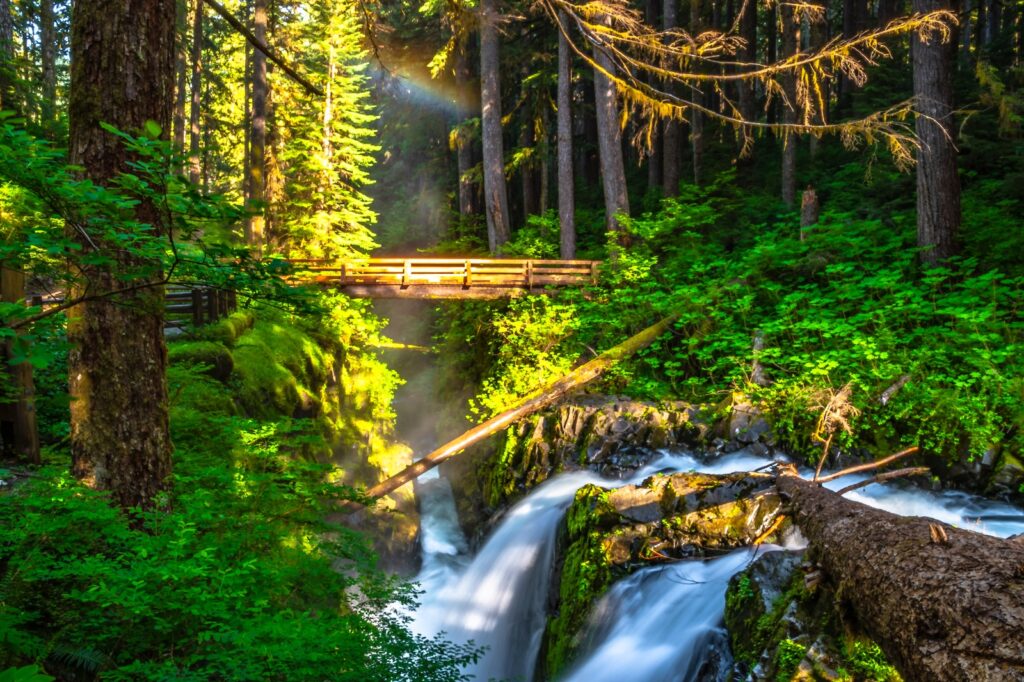
Waterfall Hikes near Port Angeles
Best Olympic Peninsula Hikes for Waterfall Views
Olympic Peninsula hikes offer a diverse way to experience Washington’s landscapes, from coastal paths to forested trails and alpine terrain. While many Olympic National Park hikes draw attention for their elevation and sweeping views, some of the most rewarding routes lead to waterfalls in Washington. These trails provide a closer look at the region’s dense forests, river systems, and seasonal changes, especially when water flow is strong.
Exploring Olympic Peninsula hikes on foot allows you to move through various habitats, where old-growth forests open into river corridors and canyon viewpoints. The variety across the peninsula supports a wide range of hiking experiences, from short, accessible walks to quieter routes that feel more removed from high-traffic areas. In addition to hiking, visitors can round out their itinerary with other things to do on the Olympic Peninsula, including scenic drives, shoreline exploration, and time in areas like Lake Crescent and the Hoh Rain Forest.
Among the most notable hikes near Port Angeles, Sol Duc Falls stands out for its dramatic presentation. A short trail leads to a multi-stream waterfall that drops into a narrow canyon, creating a striking visual framed by evergreens. Marymere Falls, located near Lake Crescent, offers a more gradual hike through forest before reaching a tall, two-tiered cascade. Madison Falls, in the Elwha Valley, is one of the most accessible options, requiring only a brief walk from the parking area.
For those seeking less-trafficked options, Merriman Falls and Willaby Creek Falls near Lake Quinault offer quieter alternatives. Beaver Falls provides a more rugged setting with fewer visitors, adding variety to your list of Olympic Peninsula hikes.
Lodging Near Olympic National Park
Choosing the right lodging can make it easier to experience multiple Olympic Peninsula hikes in one trip. Vacation rentals near Olympic National Park, particularly in Port Angeles and Sequim, provide convenient access to trailheads and nearby attractions. These locations allow you to plan early starts, explore multiple waterfalls in Washington, and return to a comfortable space at the end of the day in Olympic National Park.
With thoughtful planning and well-located lodging, it becomes easier to explore both well-known and lesser-known trails across the peninsula.

Whale Watching With Maya’s Legacy Tours in Friday Harbor
Maya’s Legacy Whale Watching in Friday Harbor
Friday Harbor is one of the most exciting places in Washington to experience whale watching, and Maya’s Legacy Whale Watching delivers one of the most memorable ways to explore these waters. Located in the heart of the San Juan Islands, Friday Harbor offers front-row access to an active marine ecosystem where orcas, humpback whales, minke whales, and porpoises regularly pass through nutrient-rich channels.
Whale watching in the San Juan Islands is especially rewarding thanks to protected waterways and seasonal whale activity that brings both resident and transient pods close to shore. From April through October, sightings are frequent and varied, making this region one of the best places for orca whale watching in the Pacific Northwest. Maya’s Legacy Whale Watching stands out for its ethical practices, knowledgeable naturalists, and focus on smaller group sizes that allow for a more personal and engaging experience.
As one of the most respected whale watching tours in Friday Harbor, Maya’s Legacy emphasizes quality over quantity. Smaller boats mean better visibility, quieter approaches, and more time learning about whale behavior, feeding patterns, and conservation efforts. Guests often encounter not only whales, but harbor seals, sea lions, bald eagles, and seabirds along the way.
Tours range from half-day outings to full-day adventures. Half-day tours are ideal for travelers who want to fit whale watching into a packed itinerary, while full-day tours allow captains to follow wildlife farther into the Salish Sea for extended encounters. Private charters are also available for travelers seeking a more customized adventure, whether for photography, family outings, or celebrating a special occasion.
Stay at Boutique Friday Harbor Hotels After Your Adventure
After a day on the water, returning to one of the best Boutique Friday Harbor Hotels adds comfort and convenience to your adventure getaway. Located just steps from the ferry dock, our accommodations make it easy to start your day early and unwind afterward. Choose from well-appointed rooms, spacious suites, or private cottages designed for couples and families. Pair your stay with Maya’s Legacy Whale Watching and enjoy an island adventure that balances excitement with thoughtful hospitality.
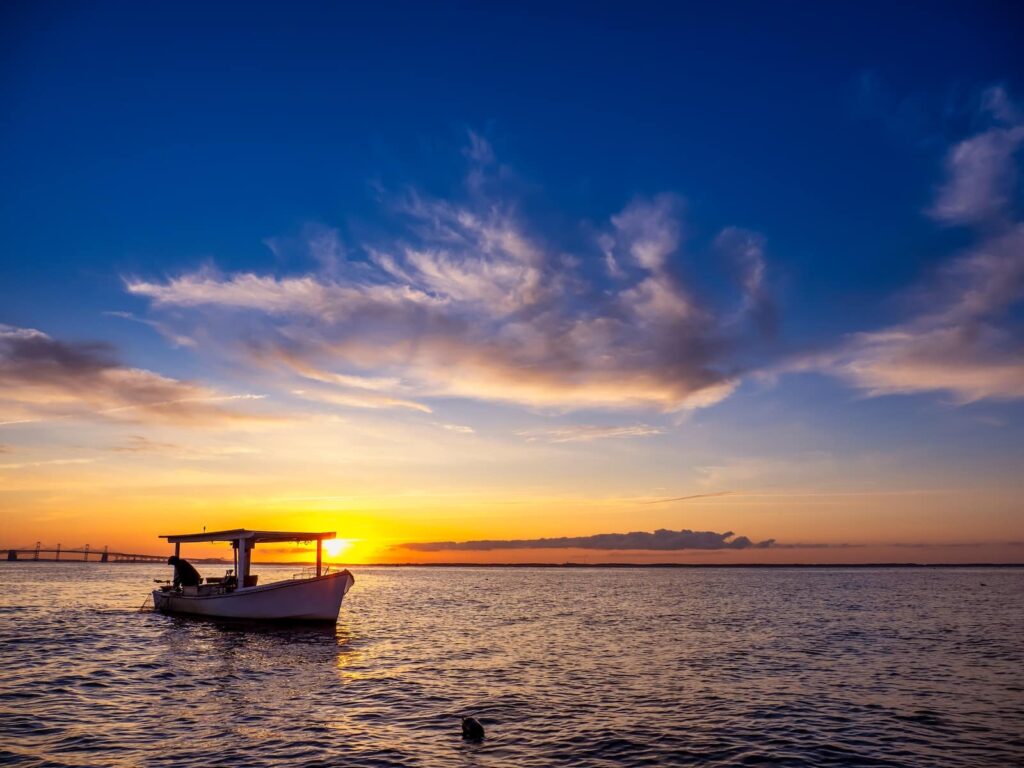
What are The Watermen of Rock Hall, MD?
Best Waterman Things to Do in Rock Hall MD
Rock Hall, Maryland, offers a direct connection to the Waterman culture that defines the Chesapeake Bay. Along this stretch of the Eastern Shore Maryland coast, watermen continue to harvest blue crab, oysters, and fish using techniques shaped by generations of experience. Understanding what a waterman is begins with seeing how daily life here still revolves around the tides, working boats, and the steady rhythm of the Bay.
Summer is an ideal time to explore the many things to do in Rock Hall that highlight this heritage. Start your visit at the Watermen’s Museum, where exhibits feature traditional tools, historic photographs, and authentic workboats that illustrate the lives of the original watermen. From there, head onto the water with a charter fishing trip led by a licensed captain or plan a relaxed sunset sail across the Chesapeake Bay. Kayaking along the Chester River offers another perspective, with quiet shoreline views and opportunities to observe local wildlife.
Back on land, cycling through Rock Hall reveals marinas, seafood docks, and glimpses of commercial boats returning with the day’s catch. Local restaurants serve fresh seafood sourced directly from nearby waters, offering a clear connection between the work of the watermen and the region’s cuisine. A visit to Eastern Neck National Wildlife Refuge adds a natural dimension to your weekend, with birding trails and scenic coastal landscapes.
Rock Hall, MD Bed and Breakfast
A stay at a Rock Hall, MD Bed and Breakfast provides a comfortable base for exploring the coast. The property spans 70 acres of open fields, wooded paths, and waterfront views, offering quiet walks and time to unwind. Guests can choose from five guest suites, seven private cottages, or a vacation rental in town, allowing flexibility based on travel preferences.
Each stay includes thoughtful amenities such as complimentary wine or beer, freshly baked treats, and a homemade breakfast served each morning. On warm summer afternoons, the saltwater pool offers a refreshing place to relax between outings. With its blend of privacy, comfort, and access to local experiences, this Rock Hall, MD Bed and Breakfast is the ideal home base for getaway focused on the traditions of the Watermen.
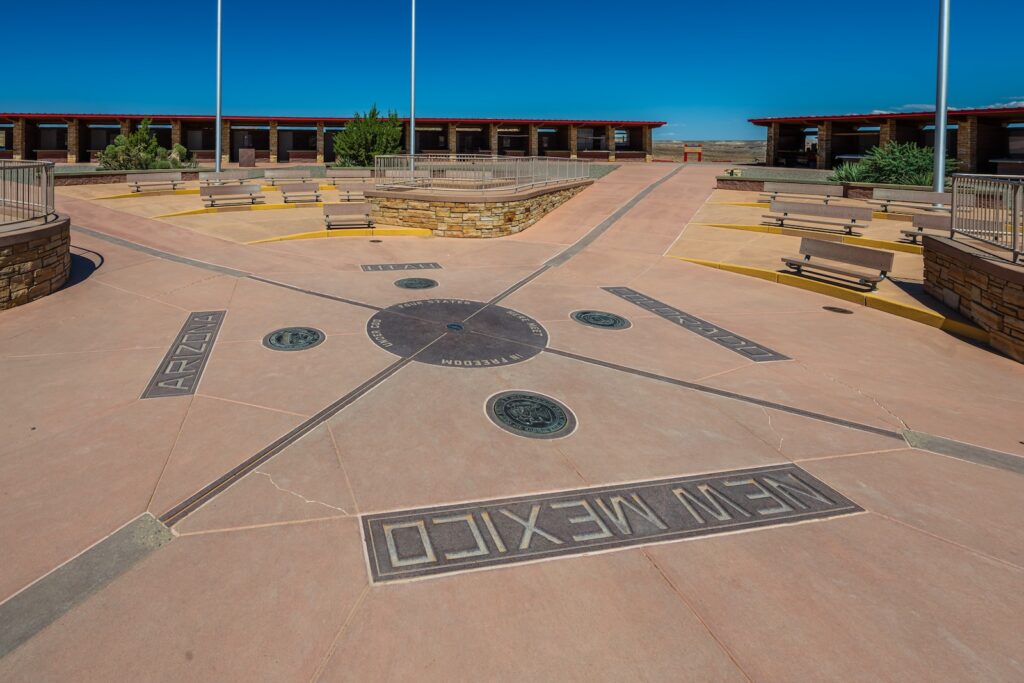
What To Do at the Four Corners Monument Near Farmington
Plan a Trip to the Four Corners From Farmington
The Four Corners is one of the most recognizable landmarks in the American Southwest, offering a rare opportunity to stand in four states at once: Arizona, Utah, Colorado, and New Mexico. Located on the Navajo Reservation, the Four Corners Monument combines geography with cultural significance, making it a meaningful stop on any New Mexico itinerary. From Farmington, this destination is just over an hour away, making it an easy and rewarding day trip.
The monument itself is simple but memorable. Visitors can place their hands and feet on the four corners of the states for a classic photo, then spend time exploring the surrounding plaza. Local Navajo artisans often sell handmade jewelry, crafts, and traditional foods, adding depth to the experience and offering a connection to the region’s heritage. Since the site is managed by the Navajo Nation, it is important to check current hours and bring cash for the entry fee.
Beyond the Four Corners Monument, you’ll find plenty more unique places to visit and things to do in New Mexico. Aztec Ruins National Monument is a worthwhile stop on your return to Farmington, featuring preserved Chacoan structures, a reconstructed Great Kiva, and an informative museum. Salmon Ruins offers another perspective on the area’s history with its archaeological site and exhibits.
Where to Stay in Farmington, New Mexico
Extending your stay allows time to explore even more of the Four Corners USA region. Monument Valley Navajo Tribal Park, located across the Arizona border, offers a scenic 17-mile drive through towering red rock formations. Canyon de Chelly provides another striking landscape shaped by centuries of natural and cultural history.
Casa Blanca Inn stands out among hotels in Farmington, offering a comfortable and convenient base for your travels. Guests can start their day with a thoughtfully prepared breakfast before heading out to explore New Mexico landmarks, then return to private accommodations in a quiet residential setting. With its location and welcoming atmosphere, it supports a well-paced and immersive Southwest experience.
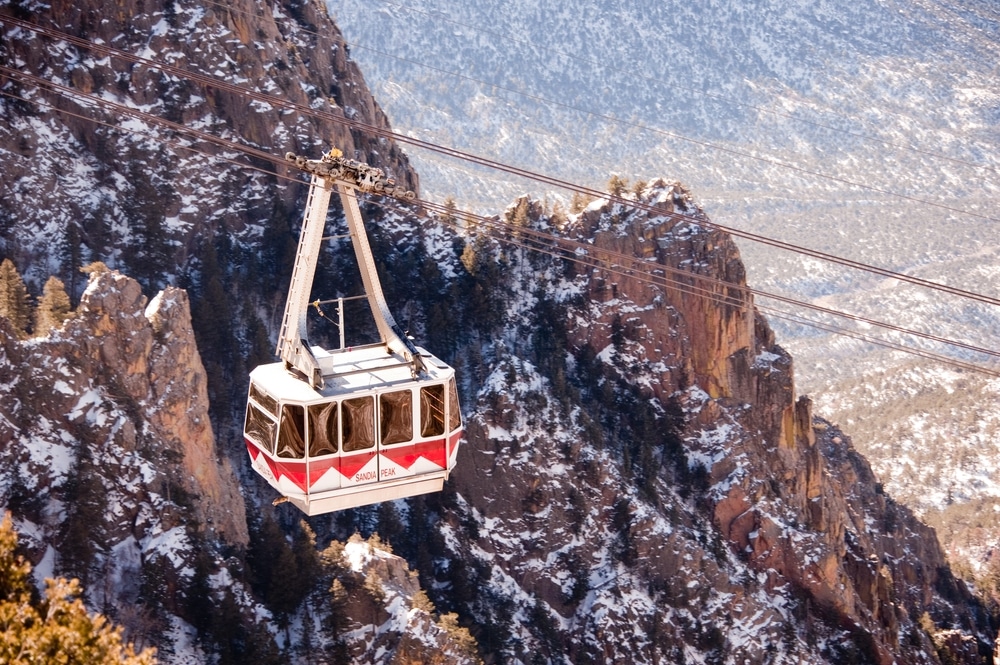
What to Do in Albuquerque on a Winter Getaway
Best of What to Do in Albuquerque This Winter
Winter brings a refreshing calm to the city, making it one of the most enjoyable times to explore what to do in Albuquerque. Crisp mornings, sunny afternoons, and fewer crowds create the perfect conditions for discovering both outdoor scenery and cultural highlights. Snow-dusted mountain views frame the city while historic neighborhoods and museums feel more relaxed and inviting.
Start your winter visit in Old Town, where adobe-lined streets, local shops, and museums are easy to explore without the rush of peak travel seasons. This area is a cornerstone of Albuquerque’s history and one of the best places to visit in New Mexico during the winter. Nearby, downtown Albuquerque adds galleries, dining, and walkable city energy, all just minutes away.
Outdoor adventures are never far. The Sandia Peak Tramway offers sweeping views as it rises from the desert floor to alpine terrain in under 15 minutes. Winter visitors can enjoy snowshoeing, cross-country skiing, or simply taking in panoramic views before returning to mild city temperatures below. Hot air balloon rides also continue through winter, offering calm morning skies and unforgettable views of the surrounding landscape.
Indoor attractions round out the season nicely. The Indian Pueblo Cultural Center provides insight into Pueblo history and art, while museums like the Anderson Abruzzo Albuquerque International Balloon Museum and the New Mexico Museum of Natural History and Science offer engaging options on cooler days. These New Mexico attractions make winter travel both comfortable and enriching.
Relax with Albuquerque Lodging in Old Town
After a full day of exploring things to do in Albuquerque, returning to comfortable Albuquerque Lodging makes the experience even better. Staying in Old Town places you close to historic sites while offering a quiet retreat at the end of the day. Guest rooms at our Albuquerque Lodging offer a mix of comfort and character, giving you a restful night before your next day’s adventures. Comfortable bedding, private baths, and historic details set the tone for a relaxing stay.
Mornings begin with a fresh, homemade breakfast before heading out to explore our fine city! With this Albuquerque Lodging property as your home base, you’ll be set and ready to head out and explore. Whether your plans include mountain views, museums, or dining nearby, winter is a rewarding season to slow down and enjoy Albuquerque at its best.