Outdoor Adventures
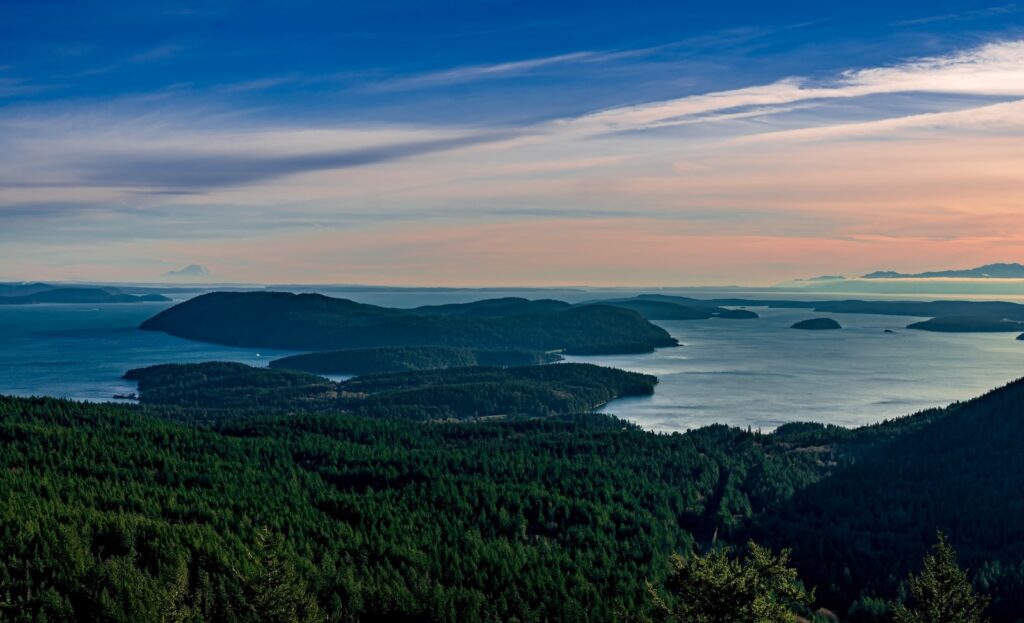
Visit The Most Gorgeous Islands in Washington State
Islands in Washington State Near Seattle
If you are looking at islands in Washington State near Seattle for a weekend escape, the San Juan Islands are one of the most convenient and rewarding options. Many travelers start with the drive north to Anacortes, then board the San Juan Island Ferry for a scenic crossing that sets the tone for the trip. Because the ferry routes link San Juan Island, Orcas Island, Lopez Island, and Shaw Island, it is easy to plan a focused weekend on one island or build in simple island hopping.
If you’re looking for bustling activity hubs while visiting these islands in Washington state, head to San Juan Island. There, you’ll find Friday Harbor offering a walkable waterfront lined with restaurants, galleries, marinas, and the Whale Museum. It’s certainly one of the more popular islands in Washington State. From town, you can enjoy all the best things to do on San Juan Island, including joining a whale watching tour or heading out for shore-based viewing at Lime Kiln Point Lighthouse, a well-known landmark with excellent coastal vantage points. For history, American Camp and English Camp provide a grounded look at the Pig War boundary dispute and the landscapes that shaped it.
Orcas Island is another popular stop in these islands in Washington State. Orcas is known for varied terrain and elevated viewpoints. Moran State Park is a centerpiece, and the climb up Mount Constitution is one of the region’s most memorable hikes, with sweeping views over the Salish Sea on clear days. In Eastsound, you can browse local art at places like Crow Valley Gallery, then break for a meal before continuing your drive around the island.
Lopez Island is popular with cyclists thanks to quieter roads and gentler grades, plus coastal stops such as Spencer Spit State Park and Shark Reef Sanctuary. Shaw Island is the quietest of the four, with minimal development, a single general store near the ferry landing, and shoreline access at Shaw County Park that suits travelers who want a slower pace.
A San Juan Island hotel that keeps the weekend easy
Staying within walking distance of the Friday Harbor ferry dock simplifies arrival day and makes it easier to spend more time exploring. Our San Juan Island hotel offers well-appointed guest rooms, spacious suites, and private cottages that can accommodate families and dogs. Breakfast is delivered to your room each morning, and a concierge team helps with details such as whale-watching reservations, restaurant recommendations, kayak outfitters, and scenic drives. Book directly to keep your weekend plans smooth from the first ferry to the final sunset.
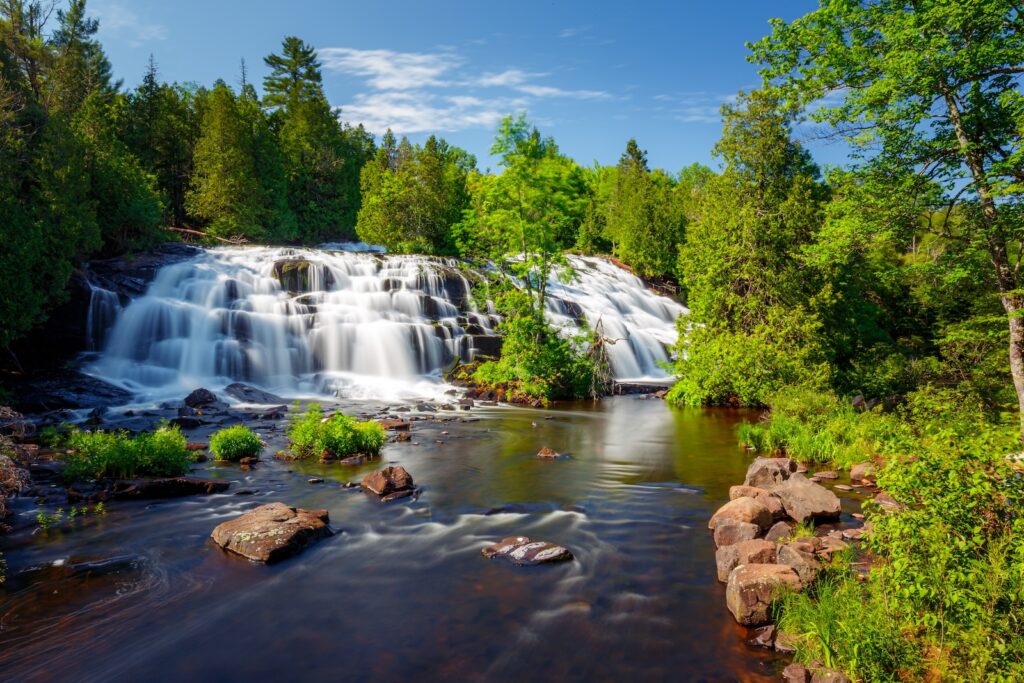
Visit these Breathtaking Waterfalls in Michigan
Best Waterfalls in Michigan for a Midwest Adventure
Michigan is home to more than 300 waterfalls, making it one of the most compelling destinations in the Midwest for outdoor exploration. From powerful river cascades to quiet forest streams, discovering waterfalls in Michigan offers a direct connection to the state’s diverse landscapes. While many of the most dramatic sites are located in the Upper Peninsula, the Lower Peninsula also features accessible, rewarding stops worth adding to any itinerary.
Waterfalls in Upper Michigan often define the experience for first-time visitors. Tahquamenon Falls, located within Tahquamenon Falls State Park, is one of the most recognized examples. The Upper Falls span nearly 200 feet and drop approximately 50 feet, creating one of the largest waterfalls east of the Mississippi River. Nearby, the Lower Falls offer a contrasting experience, with smaller cascades set amid wooded islands. In Pictured Rocks National Lakeshore, Munising Falls and Miners Falls offer short, scenic walks leading to impressive viewpoints. Further west, the Black River Scenic Byway connects multiple waterfalls, including Gorge Falls and Rainbow Falls, creating a route that combines driving with short hikes.
Beyond the Upper Peninsula, waterfalls in Lower Michigan provide a quieter but equally engaging experience. Ocqueoc Falls, the largest waterfall in the Lower Peninsula, features accessible pathways and a wide limestone cascade. Iargo Springs, located near the Au Sable River, offers both a small waterfall and a scenic overlook, accessible via a staircase trail. Additional stops, such as Irontone Springs and the Seven Bridges Recreation Area, introduce smaller waterways and forest settings. Chasing waterfalls is just one of the best things to do in Michigan!
Stay at a Bed and Breakfast in Michigan
After a full day exploring waterfalls in Michigan, choosing a Bed and Breakfast in Michigan adds comfort and a local perspective to your trip. These properties often provide convenient access to nearby parks, scenic routes, and trail systems, making them a practical base for continued exploration.
Guests can expect thoughtfully prepared breakfasts, well-maintained guest rooms, and insight from Innkeepers who understand the surrounding region. Whether you are exploring waterfalls in Upper Michigan or planning stops across the Lower Peninsula, when choosing from places to stay in Michigan, a B&B supports a more connected and efficient travel experience. Booking in advance ensures availability, particularly during peak travel periods when outdoor adventures are at their most popular.
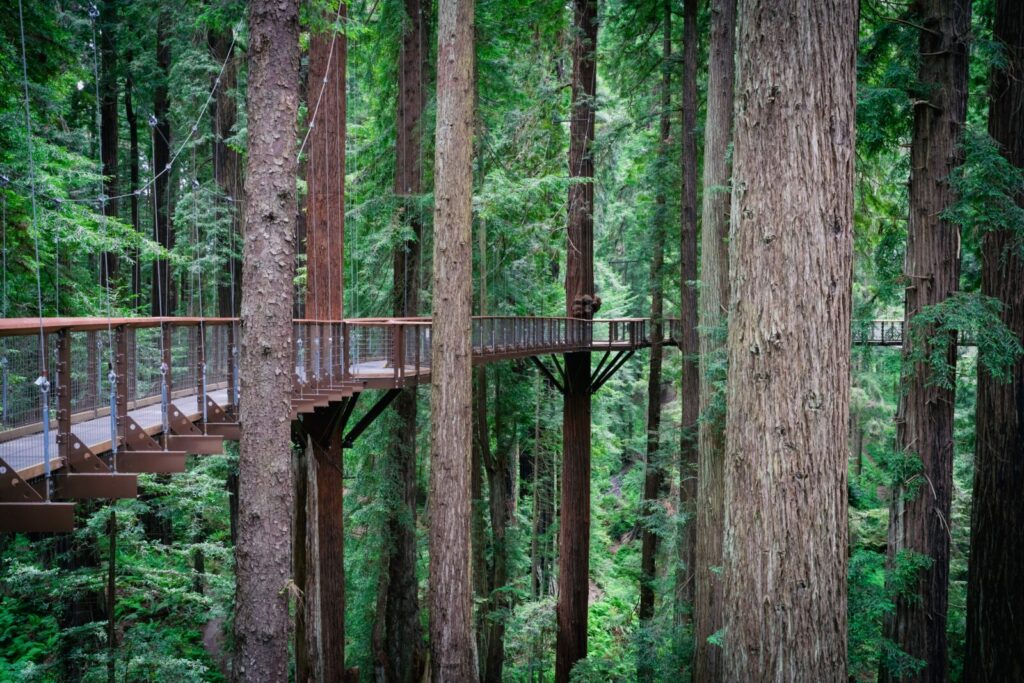
Walk in the Redwood Tree Canopy
The Redwood Skywalk in Eureka CA
The Redwood Skywalk at Sequoia Park Zoo offers one of the most engaging ways to experience the California Redwood Forest from above. This self-guided canopy walk features a network of suspended bridges and platforms rising up to 100 feet, giving visitors a direct view into the upper reaches of towering redwoods. Unlike traditional forest trails, this elevated perspective reveals the scale and structure of these ancient trees in a truly unique way.
Spanning 1,104 feet, the Redwood Skywalk is the longest canopy walk of its kind in the western United States. The gradual ascent leads visitors through the forest with minimal disruption, while an optional adventure section introduces a more dynamic crossing with open mesh decking. The main route remains accessible, allowing a wide range of visitors to enjoy the experience comfortably. Admission also includes entry to Sequoia Park Zoo, California’s oldest zoo, which houses a diverse collection of animals in a compact, thoughtfully designed setting.
Eureka has a well-preserved historic district with Victorian architecture, including the widely recognized Carson Mansion. Its proximity to the Redwood Skywalk and the California Redwood Forest makes it easy to combine outdoor exploration with cultural landmarks. There are so many things to do on the Redwood Coast.
The surrounding area offers a range of experiences for those seeking more ways to explore. Scenic drives along the Redwood Highway connect visitors to dense groves, coastal viewpoints, and trail systems that extend for miles. Stops such as Trees of Mystery offer another perspective on the redwood canopy, combining elevated walkways with interpretive elements.
Whether you are walking among the treetops or exploring the forest floor, the Redwood Skywalk stands out as a defining coastal adventure and a key highlight among things to do in Eureka CA.
Redwood National Park Hotels
For those planning an extended stay, Carter House Inns offers a refined lodging option in the heart of Eureka. Set within restored Victorian buildings, the property places guests within walking distance of downtown and key attractions. As one of the notable hotels near Redwood National Park, it provides a convenient base for exploring nearby destinations such as Redwood National Park, Del Norte Coast Redwoods State Park, and additional redwood canopy tours throughout the region.
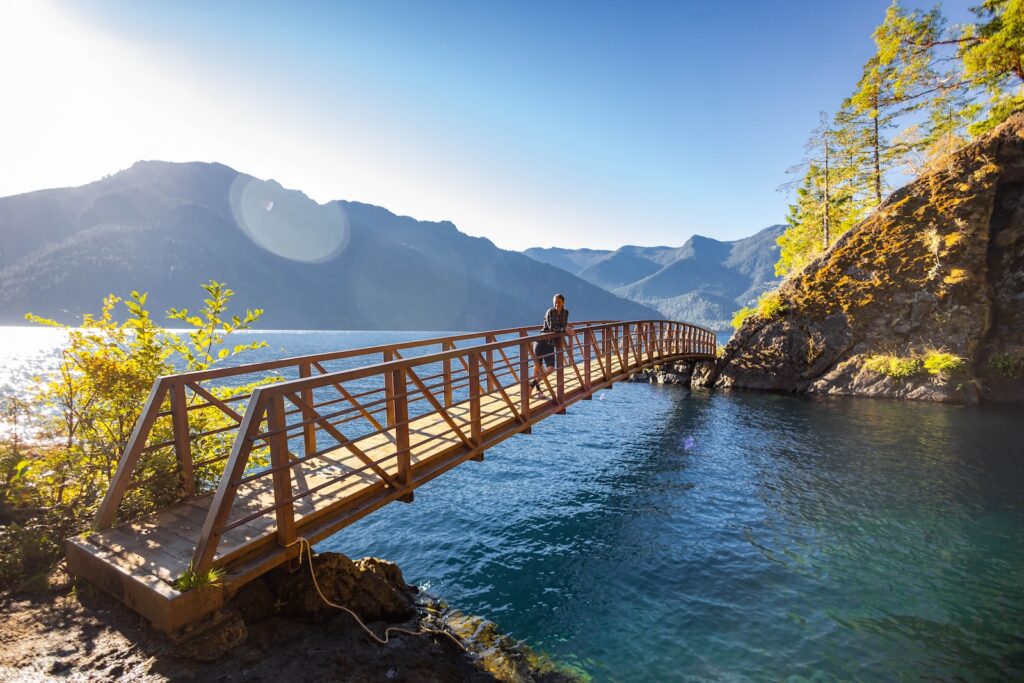
Walk the Spruce Railroad Trail at Lake Crescent
Why the Spruce Railroad Trail Is the Best Way to See Lake Crescent
Most old rail lines disappear once the trains stop running. The Spruce Railroad Trail took a different path, turning a World War I era railroad grade into one of the most scenic waterfront walks in Olympic National Park. The route follows the north shore of Lake Crescent for about eight miles round trip, passing two restored railroad tunnels and a detour to the famous Devils Punchbowl along the way. For anyone planning an adventure trip on the Olympic Peninsula, this trail belongs near the top of the list.
The Spruce Railroad Trail is a great starting point, but with so many things to do in Olympic National Park, it is far from the only reason to plan a trip here. Hurricane Ridge delivers some of the best mountain views in the park, the Olympic National Park beaches on the west side offer a completely different landscape, and Port Angeles adds ferry access to Victoria along with Sequim’s lavender farms and drier climate nearby. Between all of it, you will want more than a single day.
What to Expect on the Spruce Railroad Trail
The trail runs four miles one way between the Lyre River Trailhead and the Camp David Junior Road Trailhead, which puts the full out and back at close to eight miles, plus another mile if you add the Devils Punchbowl detour. It hugs the shoreline of Lake Crescent the entire way, follows the old railroad route as part of the Olympic Discovery Trail, and stays open to bicycles and leashed pets, which is rare inside the park. The path is paved from end to end, making it one of the more accessible hikes in Olympic National Park and a solid choice for families or casual walkers who want lake views without a steep climb.
About a mile in from the east side, you will reach the first of two restored railroad tunnels, with the turnoff for Devils Punchbowl just before it. That side trail is short but rougher, with roots and loose rock leading down to a footbridge over a striking blue-green pool. This spot is the most popular for Lake Crescent swimming, though the water stays cold year-round, so anyone getting in should use caution around the cold temperatures and varying depths.
The trail stays open year-round, but late spring through early fall offers the best conditions for hiking and biking. Bring water, sturdy shoes, and a light for the tunnels, especially on overcast days. Restrooms sit at both trailheads, and parking fills quickly on summer weekends, so an early start helps. If you have extra time, the historic Lake Crescent Lodge is a short drive from the eastern trailhead and makes a good stop for lunch or another angle on the lake.
Where to Stay After a Day at Lake Crescent
A day spent walking the Spruce Railroad Trail and cooling off near Devils Punchbowl is the kind of day that earns a good view to come home to. Olympic National Park Lodging offers vacation rentals across Port Angeles and Sequim built for exactly that. Spend the night twenty feet up in a craftsman treehouse overlooking the Strait of Juan de Fuca, soak in a private hot tub at a bluff-top cabin, or settle into a cozy log cabin with a fireplace after a long day outdoors. Whether you are traveling with your dog, your family, or just your hiking boots, there is a rental designed for the trip.
Full kitchens make it easy to cook dinner after a day on the trail, and several properties welcome pets, so bringing your dog along the Spruce Railroad Trail does not mean leaving them out of the stay. Browse the full collection of vacation rentals near Port Angeles and Sequim, and find the property that puts the Spruce Railroad Trail, Hurricane Ridge, and the rest of the Olympic Peninsula within easy reach.
Book Your Olympic Peninsula Adventure Trip
Whether the Spruce Railroad Trail is your first stop or your last on an Olympic National Park adventure trip, having the right home base changes the whole experience. Book your Olympic National Park lodging today and start planning your route from Lake Crescent to Hurricane Ridge and beyond.
Frequently Asked Questions
Can you swim in Lake Crescent?
Yes. Devils Punchbowl along the Spruce Railroad Trail is the most popular swimming spot on the lake, though the water stays cold year-round and depths vary near the footbridge.
How deep is Lake Crescent?
Lake Crescent reaches depths of several hundred feet in places, making it one of the deepest lakes in Washington State and a major reason its water stays so clear.
Is Lake Crescent in Olympic National Park?
Yes. Lake Crescent sits within Olympic National Park along Highway 101, with the Spruce Railroad Trail tracing its north shore.
How far is Lake Crescent from Port Angeles?
Lake Crescent sits roughly 25 minutes west of Port Angeles by car, making it an easy day trip from Olympic National Park Lodging’s Port Angeles rentals.
Waterfall Hikes near Port Angeles
Best Olympic Peninsula Hikes for Waterfall Views
Olympic Peninsula hikes offer a diverse way to experience Washington’s landscapes, from coastal paths to forested trails and alpine terrain. While many Olympic National Park hikes draw attention for their elevation and sweeping views, some of the most rewarding routes lead to waterfalls in Washington. These trails provide a closer look at the region’s dense forests, river systems, and seasonal changes, especially when water flow is strong.
Exploring Olympic Peninsula hikes on foot allows you to move through various habitats, where old-growth forests open into river corridors and canyon viewpoints. The variety across the peninsula supports a wide range of hiking experiences, from short, accessible walks to quieter routes that feel more removed from high-traffic areas. In addition to hiking, visitors can round out their itinerary with other things to do on the Olympic Peninsula, including scenic drives, shoreline exploration, and time in areas like Lake Crescent and the Hoh Rain Forest.
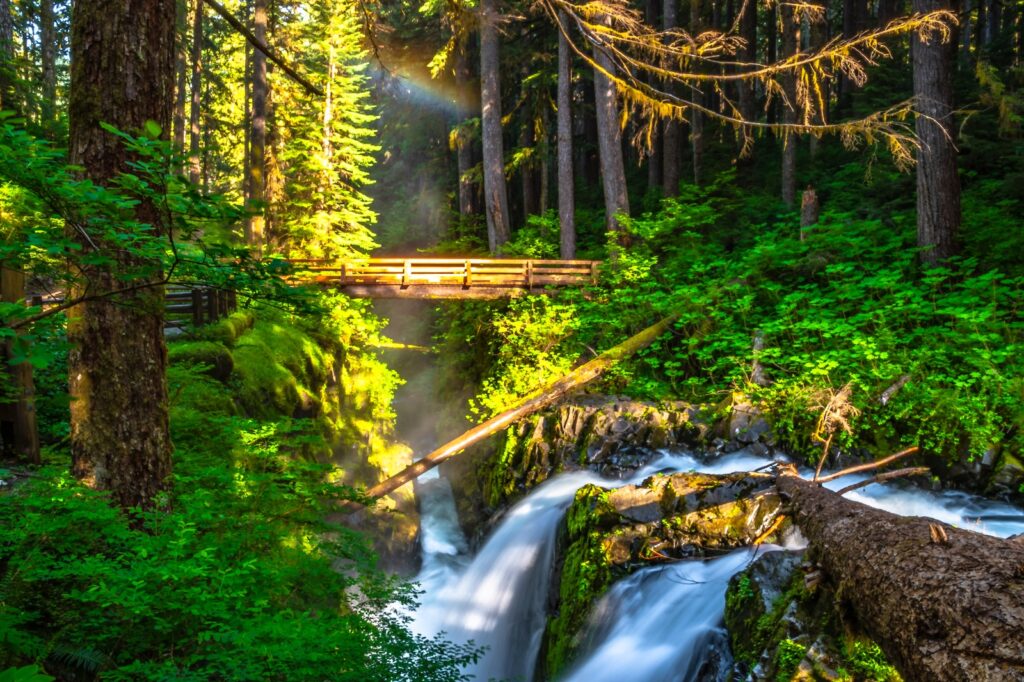
Among the most notable hikes near Port Angeles, Sol Duc Falls stands out for its dramatic presentation. A short trail leads to a multi-stream waterfall that drops into a narrow canyon, creating a striking visual framed by evergreens. Marymere Falls, located near Lake Crescent, offers a more gradual hike through forest before reaching a tall, two-tiered cascade. Madison Falls, in the Elwha Valley, is one of the most accessible options, requiring only a brief walk from the parking area.
For those seeking less-trafficked options, Merriman Falls and Willaby Creek Falls near Lake Quinault offer quieter alternatives. Beaver Falls provides a more rugged setting with fewer visitors, adding variety to your list of Olympic Peninsula hikes.
Lodging Near Olympic National Park
Choosing the right lodging can make it easier to experience multiple Olympic Peninsula hikes in one trip. Vacation rentals near Olympic National Park, particularly in Port Angeles and Sequim, provide convenient access to trailheads and nearby attractions. These locations allow you to plan early starts, explore multiple waterfalls in Washington, and return to a comfortable space at the end of the day in Olympic National Park.
With thoughtful planning and well-located lodging, it becomes easier to explore both well-known and lesser-known trails across the peninsula.
What to See at Lake Logan State Park
Best Activities at Lake Logan State Park in Hocking Hills
Lake Logan State Park offers a refreshing perspective on the Hocking Hills landscape. While many visitors focus on waterfalls and dramatic rock formations, this 400-acre Hocking Hills Lake highlights open water, rolling shoreline, and expansive Midwest views. For those seeking an adventure that blends relaxation with recreation, Lake Logan State Park is a great addition to any getaway itinerary.
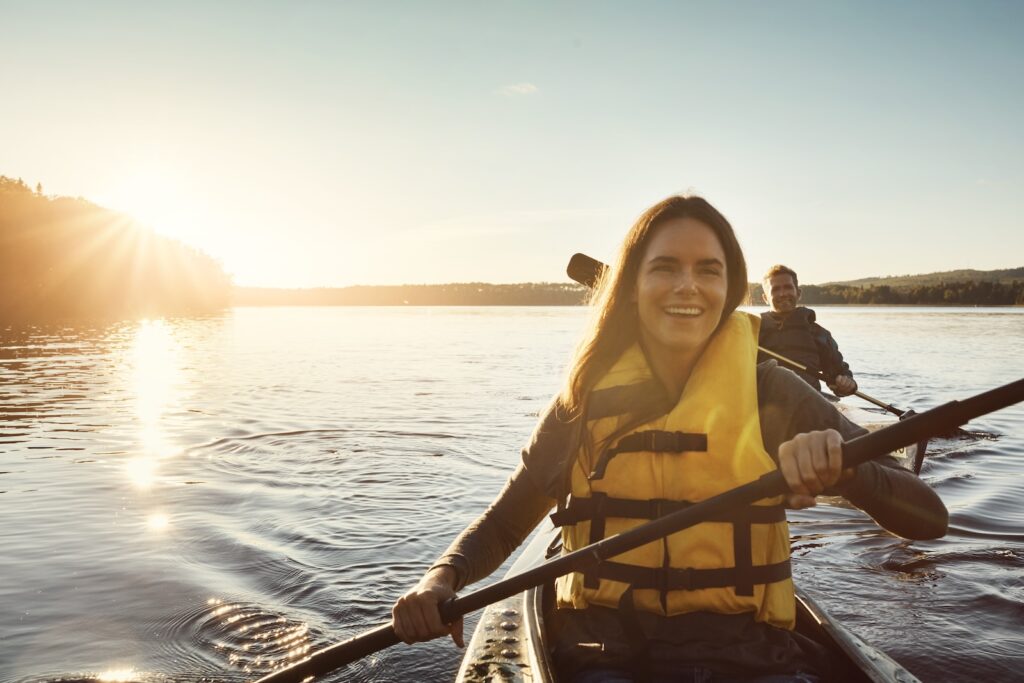
Lake Logan Beach is a favorite stop during warmer months. The designated swimming area features a sandy shoreline and calm water, making it easy to spend an afternoon cooling off after hiking in Ohio’s forested terrain. Boating is equally popular. The lake allows electric motors up to 10 horsepower, along with kayaks, canoes, and paddleboards. Paddling along the shoreline provides glimpses of waterfowl, herons, and kingfishers drawn to the lake’s healthy ecosystem.
Hocking Hills hiking continues here with the one-mile Pine Vista Trail. This easy loop winds through white and black oaks, tuliptree, shagbark, and pignut hickory, making it ideal for a relaxed walk. In spring, wildflowers dot the forest floor, while birders may spot warblers, thrushes, hawks, and even owls near dusk.
Lake Logan fishing is another major draw. Anglers regularly cast for northern pike, bass, bluegill, and saugeye from both the shoreline and small boats. With fewer crowds than nearby trailheads, Lake Logan, Ohio, offers space to focus on the experience. A visit to this Ohio State Park is just one of the best things to do in Hocking Hills!
Stay at Luxury Cabins in Hocking Hills
Just a scenic 10-minute drive from Lake Logan State Park, our Luxury Cabins in Hocking Hills provide an adults-only retreat set on 140 wooded acres. Guests enjoy private hiking trails, a Scottish-style golf course, and elegant accommodations that include fireplaces and, in many cases, private hot tubs overlooking the hills.
Evenings are reserved for multi-course dining in our on-site restaurant, where seasonal ingredients and classic technique guide each menu. Breakfast is included with your stay, making it easy to plan full days at Lake Logan Beach, on the water, or exploring nearby Hocking Hills hiking trails. Pair your Lake Logan State Park adventure with refined lodging and attentive service. Reserve your cabin directly with us and begin planning your next Hocking Hills escape.
When and Where to See Whales Near Bandon
Oregon Coast Whale Watching
When Is Oregon Coast Whale Watching Season?
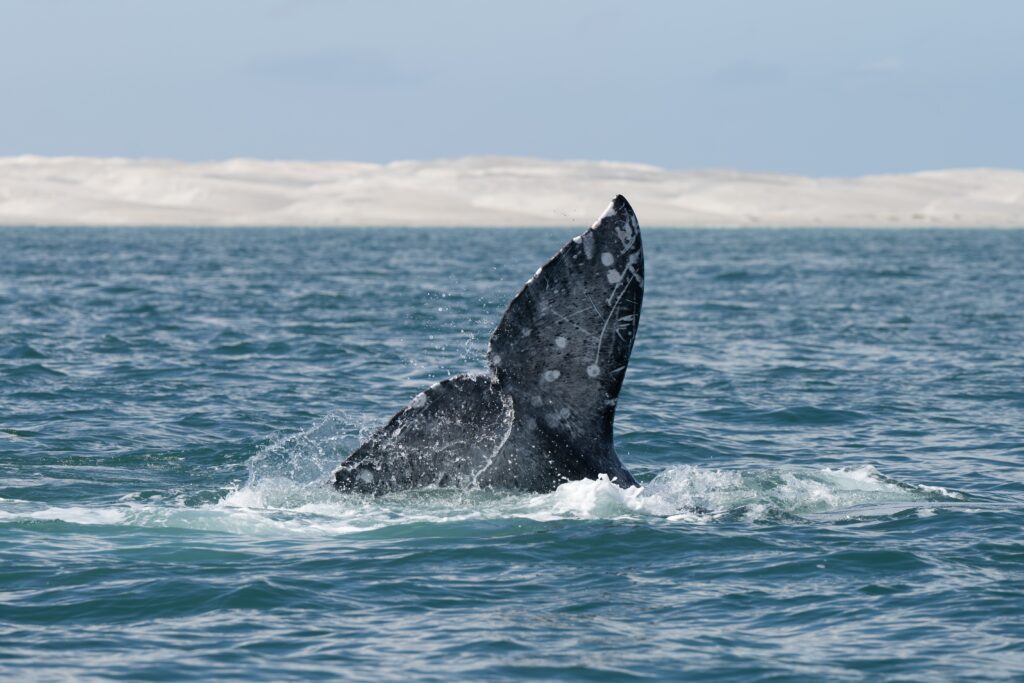
Oregon Coast whale watching season runs nearly year-round, but two windows stand out. Gray whales migrate south past Bandon from mid-December through mid-January, and they return north from late March through June, which is when the largest numbers pass close to shore. If you’re planning a wildlife getaway built around whale sightings, that spring stretch is your best bet.
The spring migration coincides with Oregon’s Whale Watch Week, when volunteers staff key viewpoints to help visitors spot spouts and tail flukes as the whales head north. Face Rock State Scenic Viewpoint, just down the road from our hotel, is one of the better shore-based spots to catch the action. Coquille Point offers another solid vantage point nearby.
Whale watching does not stop once spring ends. Resident gray whales linger off the Oregon coast from June through October, feeding in the shallow waters near shore. Humpback whales show up occasionally in late summer and early fall, and on a lucky day you might spot orcas hunting along this stretch of coastline. That variety is part of what makes whale watching near Bandon worth planning around no matter the season.
Where to See Whales Near Bandon, Oregon
You do not need a boat to see whales here. Face Rock State Scenic Viewpoint and Coquille Point both put you close enough to spot whales with a decent pair of binoculars, especially during the December and spring migration windows. Bring a jacket, since the wind off the water can be chilly even on a sunny day.
If you want a closer look, South Coast Tours operates guided boat trips from nearby Port Orford through the Redfish Rocks Marine Research Reserve. Beyond gray whales, the reserve supports harbor seals, sea lions, and a wide range of seabirds, so a boat trip often turns into a broader wildlife outing. Spring also overlaps with harbor seal pupping season, when you might spot pups tucked onto rocks and beaches while their mothers hunt offshore. Give them space and enjoy the view from a distance.
Whale watching is one of many reasons visitors visit the Southern Oregon Coast. The dramatic rock formations near Face Rock make for excellent beachcombing, Bandon Dunes draws golfers from around the country, and the Coquille River is a favorite for paddlers. Old Town Bandon rounds things out with local shops and fresh seafood after a day outdoors.
Plan Your Trip Around the Migration
Timing your visit to the whale migration gives you the best odds of a real sighting. Late March through June is the busiest window, when Whale Watch Week volunteers help visitors spot whales at prime viewpoints. If you prefer fewer crowds and don’t mind cooler weather, the December through January southbound migration pairs well with the coast’s storm watching season.
Stay Close to the Action at Our Bandon Oregon Hotel
A whale watching trip is easier when your hotel puts you minutes from the viewpoints. The Inn at Face Rock sits within walking distance of Bandon Beach and Face Rock State Scenic Viewpoint, so you can head out at first light and be back in time for their breakfast buffet. Our rooms include free Wi-Fi, and several suites come with a partial ocean view and a fireplace for warming up after a morning outdoors. Guests also have access to our indoor pool and hot tub, which makes for a good way to close out a day spent on the water or the trail.
As one of the top rated Bandon Oregon Hotels, we are set up to be your home base for a coastal wildlife getaway, whether you are here for a few hours of whale spotting or a full week exploring the southern Oregon coast. Book your stay at the Inn at Face Rock and start your morning steps from Face Rock State Scenic Viewpoint.
Frequently Asked Questions
When is Oregon coast whale watching season?
Oregon coast whale watching runs almost year-round. Gray whales migrate south from mid-December through mid-January, then return north from late March through June. Resident whales stick around from June through October, with occasional humpback and orca sightings in late summer and early fall.
When do whales migrate in Oregon?
Southbound migration runs mid-December through mid-January, and the northbound return runs late March through June. The northbound migration is the larger and more visible of the two, since more whales pass close to shore.
When can you see whales on the Oregon coast?
Late March through June offers the best odds, since that’s peak northbound migration and coincides with Oregon’s Whale Watch Week. The December to January window is a quieter alternative if you don’t mind cooler weather.
Where can you watch whales near Bandon, Oregon?
Face Rock State Scenic Viewpoint and Coquille Point are the most reliable shore based spots near Bandon. For a closer look, South Coast Tours runs guided boat trips out of Port Orford through the Redfish Rocks Marine Research Reserve.
Do you need a boat tour to see whales in Bandon?
No. Shore based whale watching is free and productive at spots like Face Rock Viewpoint, particularly during the migration windows. A guided tour simply gets you closer and adds a chance to spot seals, sea lions, and seabirds along the way.
When Should You Plan a Trip to the Eastern Shore?
When to Visit the Eastern Shore of Maryland This Year
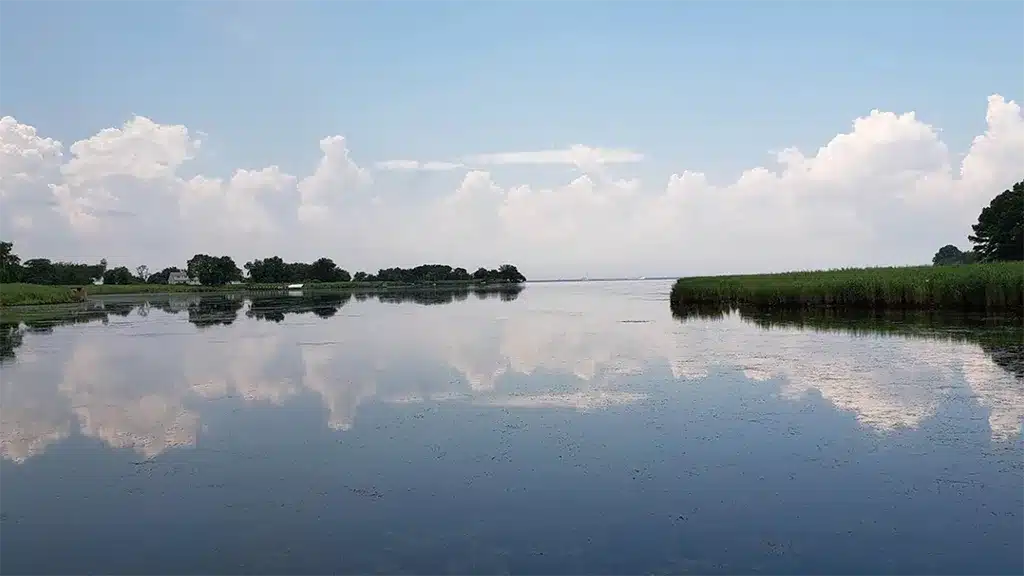
A trip to Rock Hall MD on the Eastern Shore of Maryland is an effortless getaway in summer. With gorgeous water views, working marinas, plenty of fresh crab and other seafood, and sunsets you can actually plan your evening around, there’s no shortage of things to do on the Eastern Shore. On Maryland’s Chesapeake Bay side, this is the kind of coastal town where couples can wake up slowly, get out on the water before lunch, then linger over crab and cocktails as the sky turns gold.
Start your day by getting on the bay. Book a charter fishing trip, take a sailing lesson, or rent kayaks and paddle along the shoreline. If you prefer land over water, rent bikes and cruise to Ferry Park Beach for a low-key morning by the bay. From there, head into town for coffee on Main Street, browse local shops, then map out a seafood lunch that includes steamed blue crabs and a front-row seat to the harbor.
Summer is also when the Eastern Shore MD calendar adds something extra for your trip. Rock Hall’s Fourth of July celebration brings parades, contests, and fireworks, and Wenches and Pirates Weekend turns the town into a playful, costume-filled beach party with a treasure hunt. Between events, take a sunset cruise, check out nearby Maryland coastal towns, or make a beach day of it at Betterton Beach or Point Lookout State Park.
Where Couples Should Stay on the Eastern Shore
For couples who want a true getaway, our upscale Eastern Shore Bed and Breakfast keeps you close to Rock Hall MD, while feeling like your own private destination. Set on 70 acres, the property offers open green space, wooded paths, and waterfront views that make it easy to unplug. Choose an elegant guest suite, a private cottage, or a vacation rental in town, then settle into upscale amenities designed for comfort and privacy.
Mornings begin with a homemade breakfast, the perfect launchpad for another day exploring the Maryland coast. In the warmer months, unwind by the saltwater pool, or simply claim a quiet spot outside and let the bay breeze do the rest. If you are planning a couples trip, the best time to visit the Eastern Shore is when you can actually take it, and summer in Rock Hall makes that decision easy. Book your stay today.
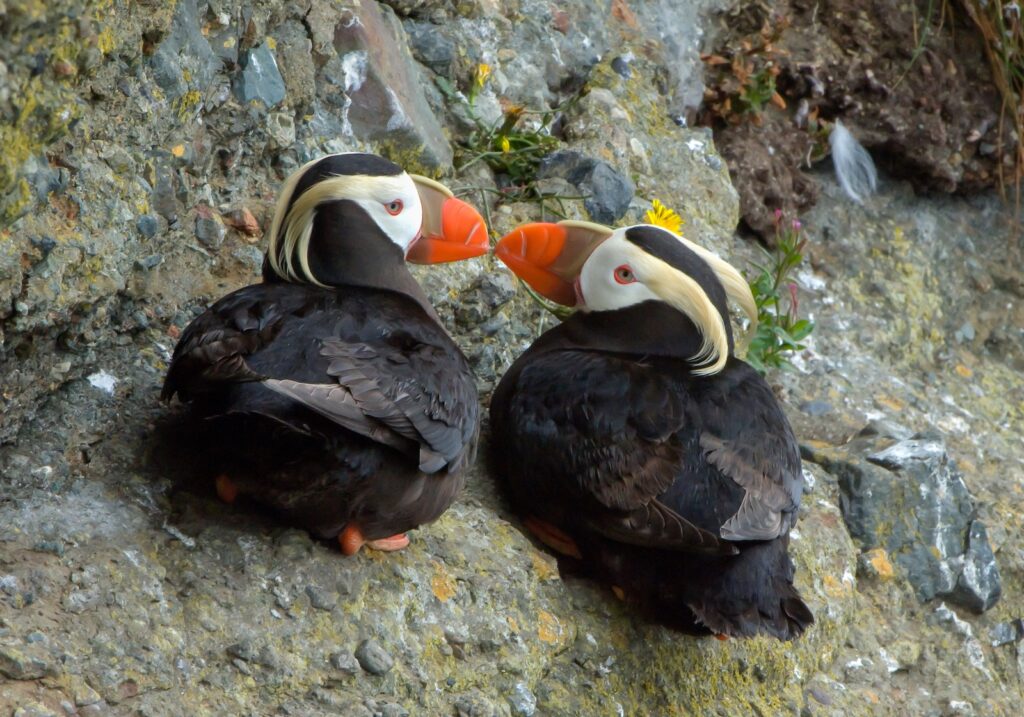
When to See the Tufted Puffin Migration
Best Tufted Puffin Viewing on the Oregon Coast
Each spring, the return of the Tufted Puffin marks one of the most anticipated wildlife moments on the Oregon Coast. From late April through August, these distinctive seabirds arrive from life at sea to nest on offshore rock formations, and Face Rock State Scenic Viewpoint in Bandon is one of the best places to see them without needing a boat tour. Bright orange bills, golden head plumes, and low, fast flights over the water make spotting puffins in Oregon a memorable experience for coastal visitors.
Face Rock is an ideal destination for both access and visibility. Clear vantage points allow visitors to watch Tufted Puffins fly between nesting sites and feeding grounds, or perch on rocky ledges. Compared to more crowded puffin viewing locations farther north, Face Rock offers a calmer, more enjoyable setting that fits perfectly into a spring adventure itinerary. For travelers wondering when to see puffins in Oregon, early mornings during the spring season, especially between 7 am and 10 am, tend to offer the most activity.
Puffin season also provides a deeper look into seabird behavior. During breeding months, Tufted Puffins return to the same burrows year after year, forming colonies where pairs mate for life and raise a single puffling. By late June through August, visitors may even spot young puffins near nesting areas before they head out to sea. It is this combination of timing, location, and accessibility that makes Face Rock a favorite for Oregon Coast birding.
Beyond puffins, Bandon offers plenty of ways to round out the day. Beach walks, tide pooling, and time spent in Old Town all pair naturally with wildlife viewing. Nearby birding spots like Bandon Marsh expand opportunities to see shorebirds and waterfowl, adding variety to any Oregon Coast adventure.
Where to Stay for Puffin Season
After mornings spent scanning the rocks for Tufted Puffins, having a comfortable place to return to makes all the difference. Inn at Face Rock offers private beach access, complimentary breakfast, and welcoming guest rooms designed for relaxation after time outdoors. Among Oregon Coast hotels, it provides a convenient and inviting home base for spring trips centered around puffins and coastal exploration. Book your stay and experience puffin season at its best.