Outdoor Adventures
The Best Winter Activities in the White Mountains
Best Things to Do in the White Mountains This Winter
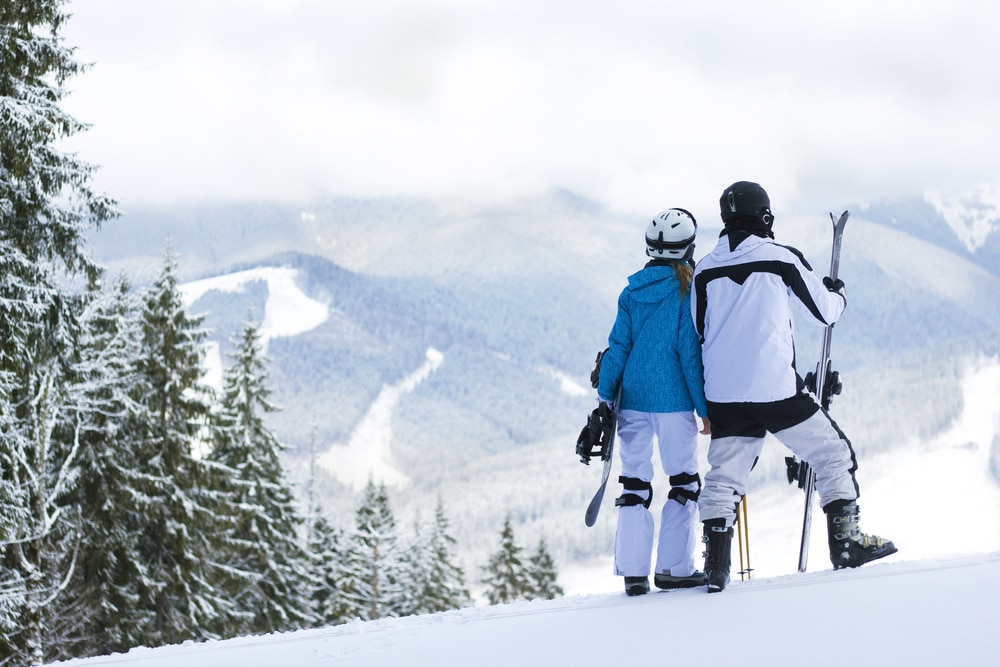
Winter transforms the White Mountains into one of the most exciting destinations in New England. With snow-covered peaks, crisp mountain air, and endless outdoor recreation, it’s an ideal setting for a true adventure-focused New Hampshire getaway. Whether you’re planning a ski trip, a multi-day outdoor escape, or a quieter winter retreat with scenic views, there’s no shortage of memorable things to do in the White Mountains this winter.
Among the top things to do in the White Mountains during winter is exploring the trail network by snowshoe or cross-country ski. Winter hiking opens access to peaceful forest paths and scenic overlooks, while Nordic centers like Great Glen Trails and Bretton Woods provide groomed trails for all experience levels. For downhill enthusiasts, nearby New Hampshire ski resorts such as Cannon Mountain, Loon Mountain, and Bretton Woods deliver reliable snow, varied terrain, and spectacular mountain scenery.
Snowmobiling is another favorite way to experience winter in the White Mountains. Miles of interconnected trails wind through forests and valleys, offering both guided tours and independent adventures. For something a little different, dog sledding provides a thrilling way to see the landscape while learning about this classic winter sport. You can also ride the Mount Washington Snowcoach for a dramatic, high-altitude view of the region without needing technical skills.
Where to Stay for Your Winter Getaways
After full days outdoors, choosing the right New Hampshire inn makes all the difference, and that’s where our White Mountains Bed and Breakfast comes in. Staying near Franconia Notch and Cannon Mountain allows easy access to many of the region’s best winter activities while offering a comfortable place to unwind. Our welcoming New Hampshire inn gives you the chance to warm up by the fire, enjoy a thoughtfully prepared meal, and relax in well-appointed guest rooms or private cottages.
Winter in New Hampshire invites you to slow down without sacrificing adventure. From skiing and snowmobiling to scenic drives and quiet moments indoors, the White Mountains deliver a balanced winter escape. If you’re looking for the best things to do in the White Mountains this winter, pair outdoor exploration with a stay that makes your getaway feel complete.
The Perfect Olympic National Park Itinerary for Summer
Best Olympic National Park Itinerary and Must-See Stops
Planning an Olympic National Park Itinerary is one of the best ways to experience the remarkable diversity of Washington’s Olympic Peninsula. Within a single trip, visitors can explore the rugged Pacific coastline, old-growth rainforests, alpine mountain landscapes, and crystal-clear lakes. Whether you are planning an adventure weekend or an extended Olympic National Park road trip, the region offers countless opportunities to discover some of the most memorable things to do in Olympic National Park.
A well-rounded itinerary begins along the Pacific Coast, where iconic destinations like Ruby Beach, Rialto Beach, Kalaloch Beach, and Mora Beach showcase dramatic sea stacks, driftwood-lined shores, and expansive ocean views. Visitors searching for Olympic National Park must-see locations often place these beaches at the top of their list. The Hole in the Wall hike near Rialto Beach provides access to fascinating coastal formations and tide pools during low tide, while Lake Ozette offers a quieter experience with forest boardwalks, kayaking opportunities, and access to the scenic Ozette Triangle Loop.
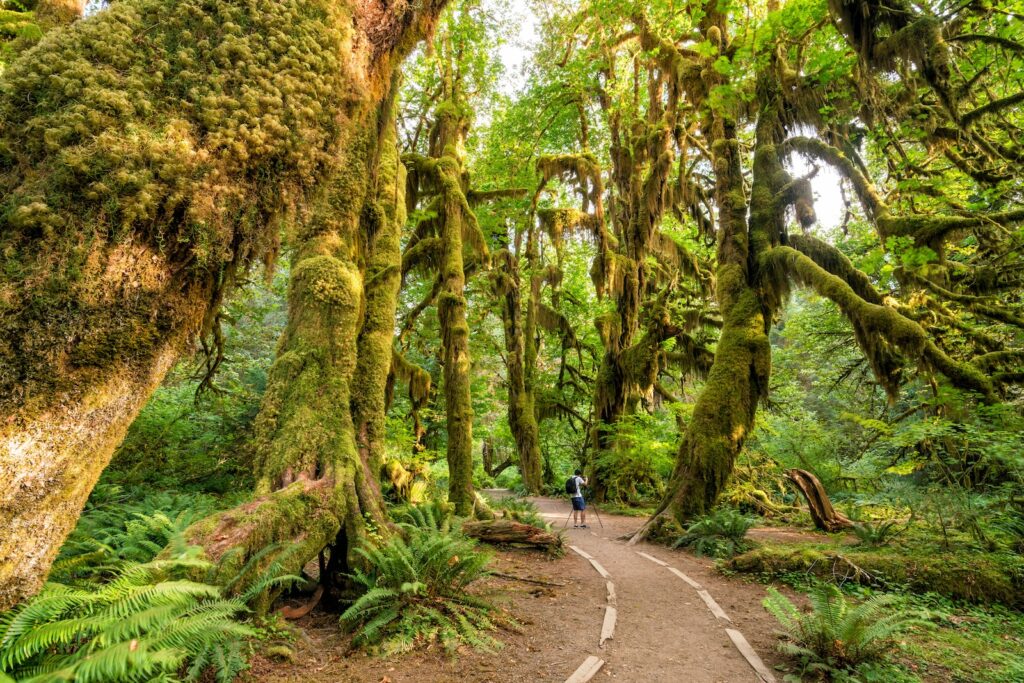
The next stage of an Olympic National Park guide should include the park’s famous rainforests. The Hoh Rain Forest is known for its moss-covered trees and the popular Hall of Mosses Trail. Nearby, the Quinault Rain Forest features waterfalls, lakeside scenery, and towering Sitka spruce and western red cedar trees. For travelers looking for less-crowded things to see in Olympic National Park, the Queets Rain Forest provides a more remote experience surrounded by old-growth forest and river landscapes.
Lodging Near Olympic National Park
No Olympic National Park Itinerary is complete without time spent exploring the park’s mountain and valley regions. Hurricane Ridge offers panoramic views of the Olympic Mountains, hiking opportunities, and year-round wildlife viewing. The Elwha River Valley and Sol Duc Valley feature lush forests, scenic rivers, and access to popular attractions such as Sol Duc Falls. Nearby Lake Crescent is a favorite destination for kayaking, hiking, and visiting Marymere Falls, while Deer Park and Staircase provide quieter access to mountain overlooks and forested trails.
After a day of exploring, comfortable lodging near Olympic National Park enhances the overall experience. Boutique vacation rentals throughout the Olympic Peninsula offer convenient access to the region’s most popular attractions while providing inviting spaces to relax and recharge. Whether you are planning a family vacation, an adventure getaway, or a weekend escape, choosing accommodations that reflect the character of the Olympic Peninsula creates a memorable home base for every journey.
The Southern Oregon Coast
Best Bandon Boat Tours for a Unique Summer Escape
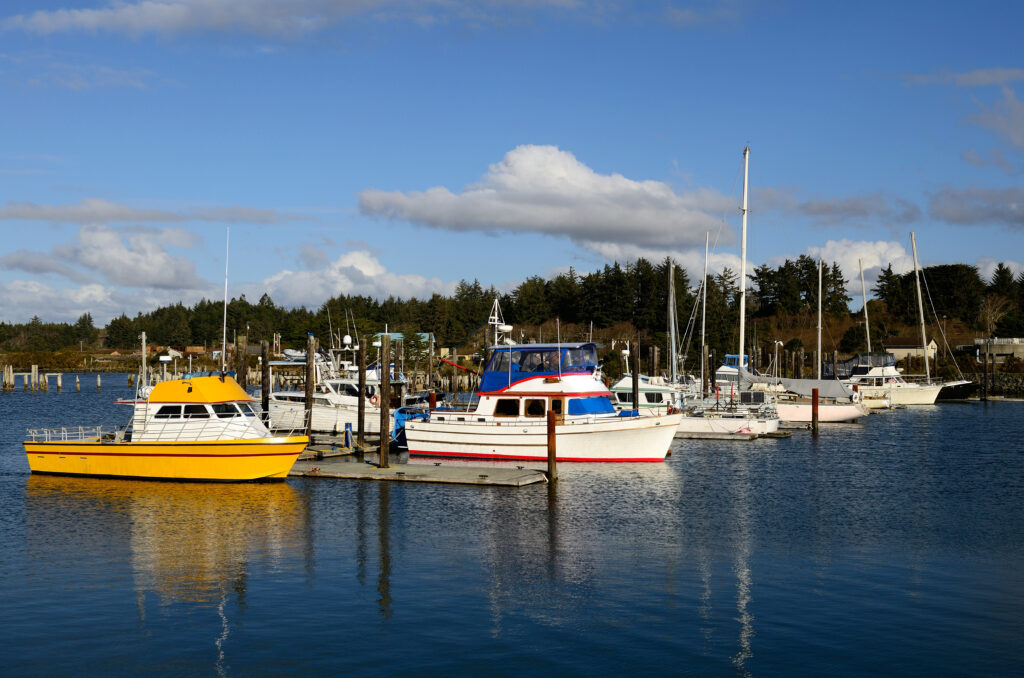
There is something special about seeing the South Oregon Coast from the water. Bandon Boat Tours offer a different perspective on this remarkable stretch of coastline, where rugged sea stacks, marine wildlife, and scenic waterways create unforgettable experiences for visitors seeking a unique summer getaway. Whether you are interested in sightseeing, fishing, wildlife viewing, or paddling along quiet rivers, there are plenty of ways to explore the region from the water.
Bandon Boat Tours range from guided coastal excursions to kayaking tours that bring visitors closer to the area’s natural beauty. South Coast Tours is a popular choice for exploring the dramatic shoreline and iconic rock formations that define this part of the Oregon coast. For those seeking a more personal experience, guided kayaking tours along the Coquille River offer opportunities to observe seals, pelicans, and other wildlife while navigating calm waters.
Visitors looking for a faster-paced adventure often enjoy Rogue River Jet Boat Tours, where sweeping river views and knowledgeable guides create an exciting day on the water. Offshore excursions are also available through local operators, offering opportunities for ocean fishing and seasonal whale watching. These Oregon coast tours showcase the diversity of experiences available along the South Oregon Coast and remain among the most memorable things to do in Bandon Oregon.
Stay Near the Coast at One of the Top Bandon Oregon Hotels
After a day exploring the water, finding the right place to relax is just as important. Inn at Face Rock offers convenient access to many of the area’s top attractions while providing a comfortable coastal retreat. Located along the shoreline, the property features a private beach trail, making it easy to enjoy the ocean at any time of day.
Guests can start each morning with a complimentary breakfast buffet before heading out to experience Bandon Boat Tours and other things to do on the Oregon Coast. At the end of the day, the heated pool offers a welcoming place to unwind and reflect on the day’s adventures.
From kayaking tours and wildlife encounters to coastal sightseeing and fishing excursions, there is no shortage of ways to experience the South Oregon Coast. When paired with a stay at one of the most conveniently located Bandon Oregon Hotels, a summer trip to Bandon becomes the perfect blend of relaxation and adventure. Book your stay today and discover why this coastal destination continues to attract visitors year after year.
The View Every Visitor to Lassen National Park Should See
Manzanita Lake: A Picture Postcard
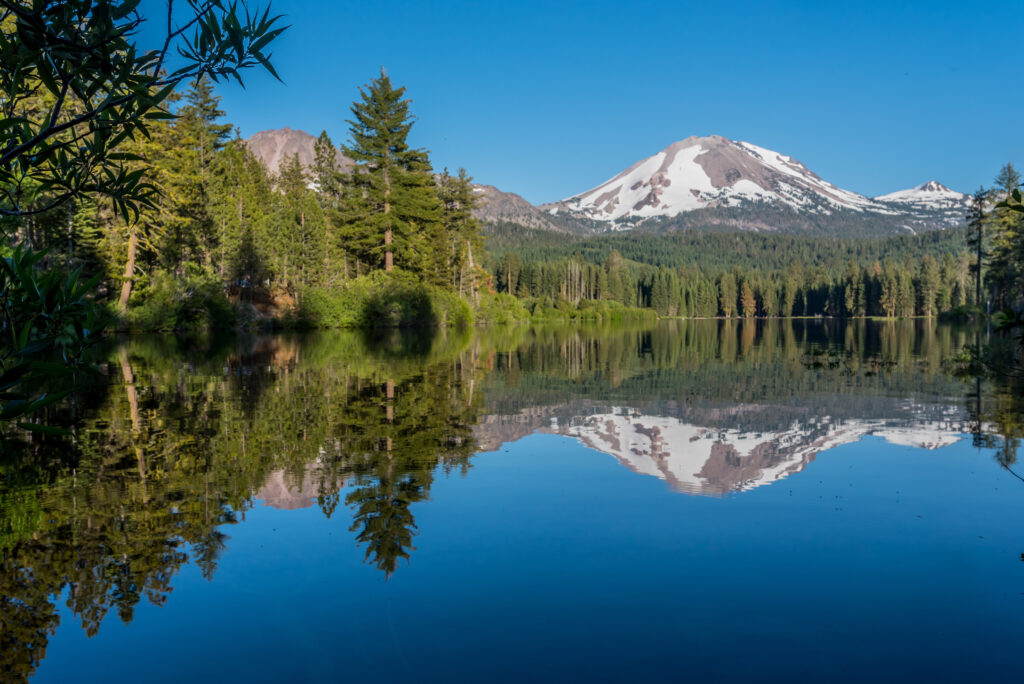
Manzanita Lake sits in the northwest corner of Lassen Volcanic National Park, and it’s the most photographed spot in the park for good reason. Formed roughly 350 years ago when a chain of avalanches broke off Chaos Crags and dammed a nearby stream, the lake now holds one of the clearest reflections of Lassen Peak found anywhere in Northern California. On a still morning, the 10,457-foot volcano doubles itself in the water, and it’s easy to see why photographers plan entire trips around this single shot.
The Manzanita Lake Loop Trail circles the water for about 1.5 miles on flat, shaded ground, making it one of the easiest trails in the park. Most visitors finish in under an hour, and the payoff comes early, with Lassen Peak visible across the water for most of the walk. Families, first-time hikers, and anyone stretching their legs before a longer trek elsewhere in the park will find the Manzanita Lake Trail an easy add to the day.
Swimming is allowed at the designated beach near the day-use area, though the water remains cold even in August because it’s fed by snowmelt from the surrounding peaks. Fishing draws a steady crowd too, though the rules are specific: only fly-fishing with barbless hooks is permitted, and the lake operates under a strict catch-and-release policy for its rainbow and brown trout. Early morning and evening are the best windows, before the water warms and the fish move deeper.
Kayaking and canoeing are popular on Manzanita Lake as well, and since motorized boats aren’t allowed, the water stays calm all season. Rentals are available at the Manzanita Lake Camper Store, so visitors don’t need to haul their own gear north. Paddling toward the center of the lake gives a different angle on Lassen Peak than the shoreline trail offers, and it’s worth the extra time if you have it.
Your Home Base for an Outdoor Adventure Getaway
Not every visitor wants to end a day at Manzanita Lake by setting up camp, and that’s where St. Bernard Lodge comes in. This historic European-style Bed and Breakfast has welcomed travelers to this stretch of Northern California since the 1920s, and it sits close to the park’s southwest entrance, making an outdoor adventure getaway easy to plan around. From the lodge, Manzanita Lake is roughly an hour’s scenic drive north along the road connecting nearly every major stop in the park.
Guests wake up to a full breakfast, unwind in the tavern or on the patio after a day of hiking, fishing, or kayaking, and can arrange dinner without leaving the property. The lodge is also close to the Pacific Crest Trail, Lassen National Forest, and Lake Almanor, so a single stay covers more ground than a lakeside campsite would. For travelers searching for places to stay near Lassen Volcanic National Park who want a real bed and a hot shower after a day at Manzanita Lake, St. Bernard Lodge is one of the closest options with that level of comfort.
Manzanita Lake FAQ
Where is Manzanita Lake?
Manzanita Lake sits in the northwest corner of Lassen Volcanic National Park, just south of the park’s north entrance off Highway 44/89.
Can you swim in Manzanita Lake?
Yes. Swimming is allowed at the designated beach near the day-use area, though the water runs cold year round since it’s fed by snowmelt.
Can you fish at Manzanita Lake?
Fishing is permitted with fly tackle and barbless hooks only, and the lake operates under a catch-and-release policy for rainbow and brown trout.
Can you kayak on Manzanita Lake?
Yes, non-motorized kayaks and canoes are welcome, and rentals are available at the Manzanita Lake Camper Store for visitors who don’t bring their own.
Manzanita Lake is worth building an entire day around, whether that means an easy loop hike, an afternoon in a kayak, or a quiet evening with a fly rod. When the day winds down, St. Bernard Lodge is one of the closest and most comfortable places to stay near Lassen Volcanic National Park. Reserve your room today and start planning your outdoor adventure getaway.

There’s More to Discover Beyond Hiking in Hocking Hills
Best Things to Do in Hocking Hills Besides Hiking
Hocking Hills is widely recognized for its scenic trails, but there are many things to do in Hocking Hills besides hiking that make it a well-rounded Midwest destination. From cultural attractions to local wineries and outdoor recreation, the region offers a variety of experiences for visitors who want to explore beyond the trails. Whether planning a unique getaway or adding variety to a longer stay, these activities highlight a different side of Hocking Hills.
Antiquing is one of the most popular ways to spend time in the area. Towns like Logan, Nelsonville, and Lancaster feature antique malls and locally owned shops filled with collectibles, furniture, glassware, and handmade goods. Stops like the Logan Antique Mall and Hocking Hills Market make it easy to browse regional finds and bring home something distinctive.
Wine tasting is another memorable option. Hocking Hills Winery offers an inviting setting to sample locally produced wines while taking in views of the surrounding countryside. Nearby, Revolution Rockbridge Wine Co. provides a smaller, more intimate experience with wines made from grapes grown on-site. For those interested in spirits, Hocking Hills Moonshine introduces visitors to handcrafted flavors and the history behind Appalachian distillation traditions.
The Pencil Sharpener Museum in Logan showcases thousands of collected pieces, while the John Glenn Astronomy Park provides access to remarkably dark skies for stargazing. For those seeking activity, High Rock Adventures offers guided rappelling experiences, and nearby waterways such as the Hocking River and Lake Logan provide opportunities for kayaking.
Hocking Hills Cabins with Hot Tubs
Choosing the right place to stay adds depth to your experience. Glenlaurel offers more than traditional lodging, with cottages, crofts, and cabins with hot tubs set across a private estate. Guests can enjoy features such as the property’s Camusfearna Gorge, private decks, and on-site dining, all designed to support a relaxed and romantic stay.
From cultural stops to outdoor recreation, there is no shortage of things to do in Hocking Hills besides hiking. With thoughtful lodging options, the region continues to attract visitors seeking a unique Midwest getaway.
Things to Do in Midland MI
Best Chippewa Nature Center Trails and Things to Do
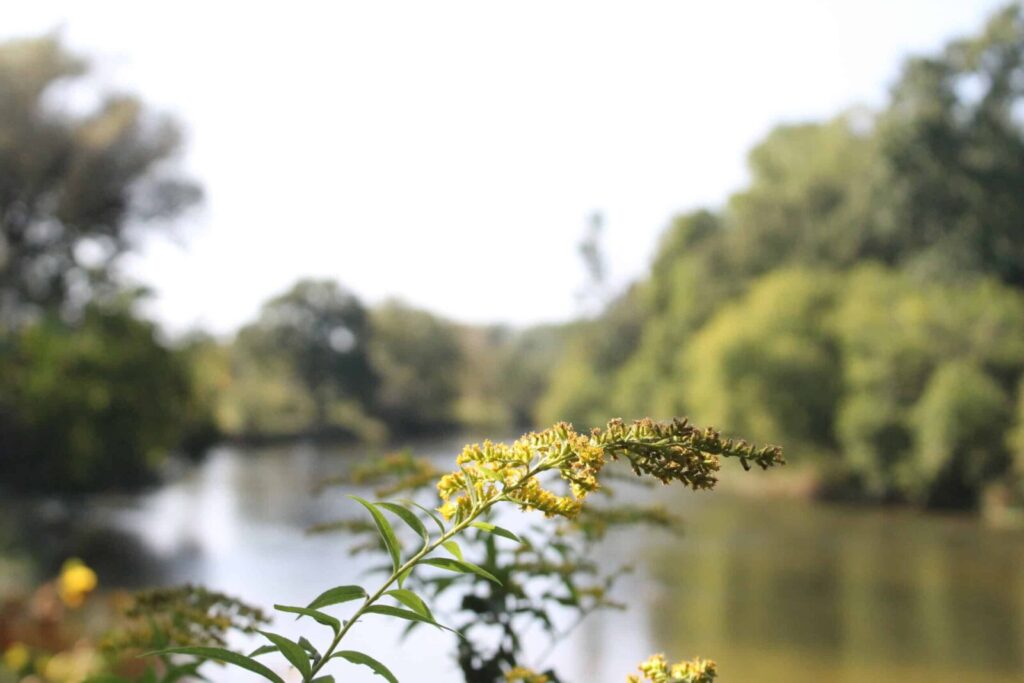
Chippewa Nature Center offers one of the most complete outdoor experiences in the Midwest, combining expansive trails, wildlife observation, and cultural history just outside Midland, Michigan. Spanning more than 2,000 acres, the park offers space to explore forests, wetlands, and riverfront landscapes that change throughout the year. With 19 miles of trails open daily, it is easy to spend a full day walking without covering the same ground twice.
The River Trail serves as a natural starting point, following the Chippewa River through open stretches and wooded areas where wildlife sightings are common. Further into the property, the Arboretum introduces more than 100 species of native trees and shrubs across 16 acres, offering a closer look at Michigan’s natural ecosystems. The Oxbow area, shaped by a historic flood, features mature forests and a dense habitat that supports a wide range of wildlife, making it one of the most compelling areas for observation among parks in Midland MI.
The preserved 1870s homestead, with its original buildings and seasonal demonstrations, connects visitors to the region’s agricultural past. An observation tower overlooks the surrounding wetlands, while river access offers opportunities for kayaking and canoeing in the warmer months. The Chippewa Nature Center is far more than a walk in the woods.
With additional things to do in Midland MI, including Dow Gardens, Whiting Forest, and a walkable downtown, it is easy to build an itinerary with a visit to Chippewa Nature Center anchoring the experience.
Where to Stay Near Midland MI
A well-planned weekend benefits from thoughtful accommodations, and nearby Bay City offers an ideal place to stay. Historic Webster House provides a refined Michigan Bed and Breakfast alternative to standard lodging, pairing restored architecture with attentive hospitality. Guests can return from a full day outdoors to luxurious rooms and a multi-course breakfast each morning, with personalized hospitality.
Things to Do in Olympic National Park in Fall: Your Complete Guide
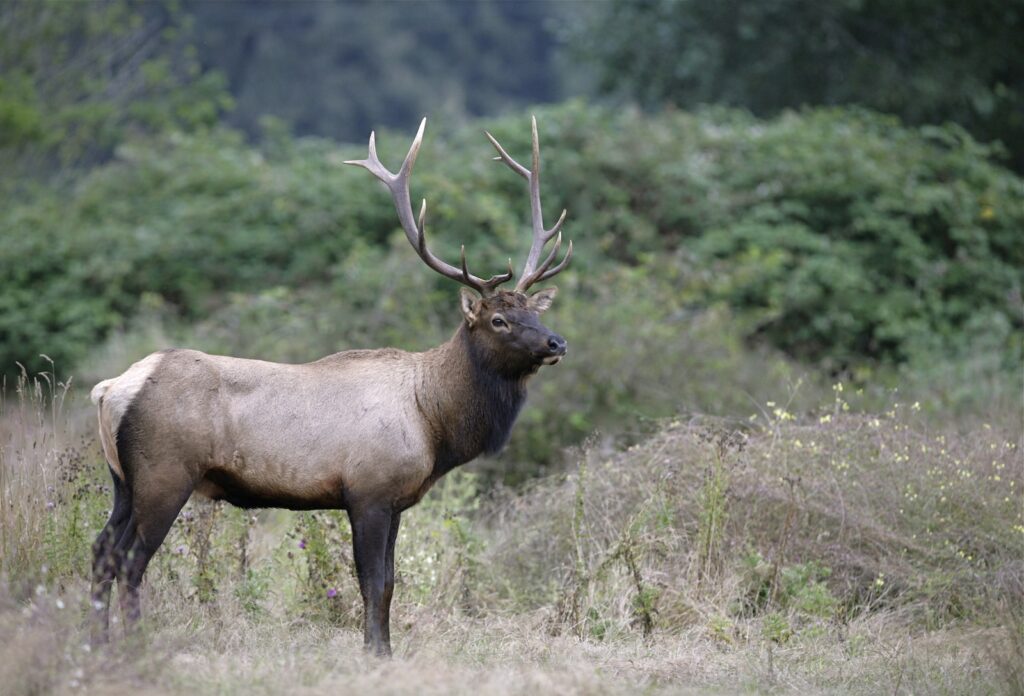
Summer crowds thin out, the maples along the rivers turn gold, and Olympic National Park settles into a quieter, moodier season. If you’re weighing things to do in Olympic National Park this fall, October and November reward visitors who trade beach weather for crisp air, colorful hikes, and a shot at hearing bull elk bugle across the valley.
Fall changes the character of the park more than most seasons. The rain forests turn gold and amber, the elk rut kicks off, and coastal storms roll in off the Pacific with a drama summer never delivers.
When to Visit Olympic National Park in Fall
Mid-October is the sweet spot for Olympic National Park fall colors. Washington State Tourism points to mid-September through early November as the general fall color window, with mid-October offering the best odds of catching bigleaf and vine maples at their peak. Because the park spans sea level to alpine terrain, color doesn’t arrive everywhere at once. Low-elevation maples along the rivers can hold their yellow well into November.
Olympic National Park weather in October runs cool and unpredictable. Rain becomes more frequent as the month goes on, especially in the rain forests and along the coast, while snow starts to dust the higher elevations. The peninsula’s microclimates are dramatic: the Hoh Rainforest gets soaked while Sequim, tucked into the Olympic Mountains’ rain shadow, stays comparatively dry. Pack layers and waterproof boots rather than chasing a perfect forecast.
By Olympic National Park in November, rain dominates the lowlands, snow affects the high country, and some roads and facilities shift to seasonal hours. Hurricane Ridge Road typically moves to winter operations as snow arrives, with access generally limited to Friday through Sunday and holiday Mondays, weather permitting. Check current park conditions before you head out.
Best Hikes in Olympic National Park This Fall
The Hoh River Trail is the pick for travelers who want the rain forest without the crowds that pile into the Hall of Mosses. Starting near the Hoh Rainforest Visitor Center, the trail follows the river beneath towering Sitka spruce, western hemlock, and maple. For a full day out, push to Five Mile Island, roughly ten miles round trip, and keep an eye out for Roosevelt elk along the way. Days get short fast in October and November, so start early and check trail and road conditions before the drive out.
For a completely different mood, the Ozette Triangle delivers coastal drama instead of rain forest calm. The 9.2-mile loop connects Cape Alava and Sand Point through forest, boardwalk, and wild beach. Tides matter here more than anywhere else on the peninsula. Bring a tide chart, since some headlands require inland trail detours at high tide and others can’t be safely rounded even at low tide. Wet boardwalks add another reason to wear boots with real traction.
Watch the Elk Rut and Fall Bird Migration
Few Olympic Peninsula fall activities beat catching the elk rut in person. Olympic National Park protects the largest fully wild herd of Roosevelt elk in the Pacific Northwest, and September brings peak bugling season as bulls compete for mates. The Hoh Rainforest is one of the most reliable places to spot them, with early morning and evening the best windows. Stay at least 100 feet back, and if an elk changes behavior, pins its ears, or moves toward you, put more distance between you.
Just outside Sequim, Dungeness National Wildlife Refuge adds a different kind of wildlife watching to your fall itinerary. The refuge protects one of the world’s longest natural sand spits, and fall migration brings shorebirds to the tideflats and brant to the eelgrass beds. An easy half-mile trail leads from the entrance to an overlook above the spit, and from there you can walk the beach as far as you’d like. Reaching the New Dungeness Lighthouse is an 11-mile round trip, so check the tide first, and leave pets at home since they aren’t permitted in the refuge.
More Olympic National Park Autumn Hikes Worth the Detour
If your schedule allows extra time, a few classics still earn their spot on the list. Hurricane Ridge trades summer wildflowers for sharp mountain air and the possibility of early snow, so check road conditions before the drive up from Port Angeles. Sol Duc Falls looks especially striking as fall rain returns to the forest, and Mount Storm King delivers wide views over Lake Crescent framed by turning leaves. If you’re already in the Sol Duc Valley, add the salmon run at Salmon Cascades to your day.
Where to Stay for Your Olympic National Park Adventure Getaway
A day of hiking wet trails and watching elk in the rain is a lot more enjoyable when you have a warm, comfortable place to return to. Travel Experience Lodging offers distinctive Olympic National Park lodging across Port Angeles and Sequim, so you can choose a home base that fits the corner of the peninsula you plan to explore.
Port Angeles puts you close to Hurricane Ridge, Lake Crescent, and the Sol Duc area, while trips to the Hoh Rainforest or Ozette Triangle are best planned as full-day outings from either town. Eagles Nest, a craftsman treehouse perched 20 feet above the ground with views of the Strait of Juan de Fuca and its own fire-heated hot tub, is a favorite for guests craving something memorable after a day on the trail. Nearby, Cedar Lodge offers water views, a hot tub, and a full kitchen for unwinding once the rain sets in.
If Sequim and Dungeness anchor your plans, the Driftwood Spa Room offers a private hot tub, massage chair, and Strait views just minutes from the refuge. For larger groups, Lavender Castle sleeps up to 10 guests in a converted grain silo with a private hot tub, central fireplace, and lavender fields right outside the door.
Whichever property fits your plans, our Olympic National Park lodging is ready for the season’s rain, wildlife, and color. Browse our vacation rentals and book your fall adventure today.
Fall in Olympic National Park: FAQ
When is the best time to visit Olympic National Park?
Mid-October offers strong fall color, cooler hiking weather, and thinner crowds, making it one of the best windows for things to do in Olympic National Park. November brings more rain and seasonal closures, but rewards visitors with quieter rainforests and rivers.
Is Olympic National Park open in the fall?
Yes, the park stays open, though some roads, campgrounds, and facilities shift to seasonal hours as snow arrives. Hurricane Ridge Road is the one to watch, since it moves to weather-dependent winter access as the season progresses.
Where to stay near Olympic National Park in the fall?
Port Angeles and Sequim both make excellent home bases. Port Angeles is closest to Hurricane Ridge and Lake Crescent, while Sequim is well-suited to Dungeness Spit and lavender country. Vacation rentals with hot tubs and full kitchens, like those from Travel Experience Lodging, make it easy to dry out and warm up after a day outdoors.
How many days do I need for Olympic National Park?
Three to four days let you cover a hike in the Hoh Rainforest, a coastal trail like Ozette, and a scenic drive to Hurricane Ridge without rushing. Add a day if you want to include Dungeness Spit or the Sol Duc Valley.
Are there bears in Olympic National Park?
Yes, black bears live throughout the park. Store food properly and give any wildlife you encounter, including bears and elk, plenty of space.
Things to Do near Baraboo
Best Devils Lake Wisconsin Outdoor Adventure Retreat
If you are looking for an unforgettable outdoor experience in the Midwest, Devils Lake Wisconsin belongs at the top of your list. Surrounded by towering quartzite bluffs, this glacial lake offers some of the most impressive scenery in Wisconsin State Parks. Whether you are visiting during summer or early fall, the combination of calm water, dramatic landscapes, and abundant recreation opportunities makes it a destination worth exploring.
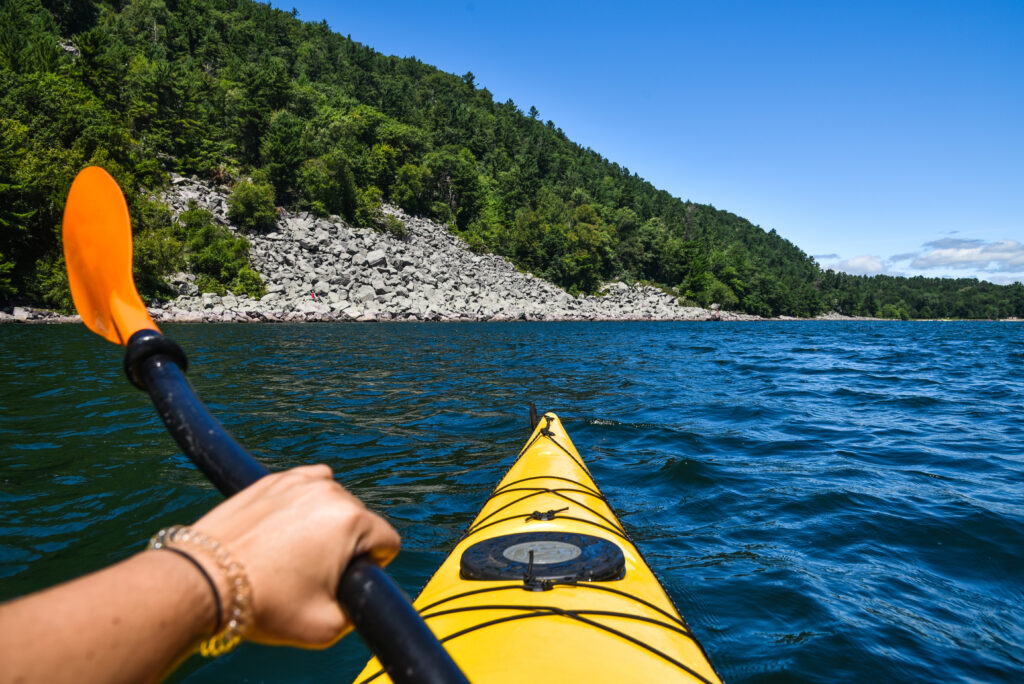
One of the most popular things to do at Devils Lake State Park is kayaking. Because motorized boats are not allowed on the lake, paddlers enjoy peaceful conditions and clear views in every direction. Beginners appreciate the calm water, while experienced kayakers enjoy exploring the shoreline beneath the park’s iconic 500-foot bluffs. The North Shore landing provides excellent views and photo opportunities, while the South Shore offers convenient access and parking.
Devils Lake State Park Wisconsin is known for exceptional hiking, rock climbing, wildlife viewing, and scenic overlooks. Visitors can spend an entire day exploring trails that wind through forests and along rocky ridges. The surrounding Baraboo area also offers additional attractions, including the International Crane Foundation, Circus World Museum, and scenic drives through the Driftless Region.
Summer and early fall are particularly rewarding times to visit. Warm temperatures create ideal paddling conditions, while early fall brings vibrant color to the surrounding hardwood forests. Reflections of autumn foliage across the lake add another layer of beauty to an already remarkable landscape.
Stay Near Devils Lake at a Historic Bed and Breakfast
After a day of adventure, return to the comfort of Ringling House Bed and Breakfast in Baraboo. Located just minutes from Devils Lake Wisconsin, this historic property combines personalized hospitality with a unique connection to the Ringling family legacy. Guests enjoy a home-cooked breakfast served at the original Ringling family dining table, surrounded by thoughtfully displayed circus memorabilia throughout the home.
For travelers searching for things to do near Baraboo, Devils Lake Wisconsin offers the perfect balance of outdoor adventure and natural beauty. When you stay at a welcoming Bed and Breakfast Devils Lake visitors are offered comfort, local knowledge, and easy access to the region’s most memorable attractions. Book your stay and discover why this remarkable destination continues to attract visitors from across the Midwest.
Traveling to Lake Okoboji With Your Dog: A Dog-Friendly Packing and Planning Guide
Planning a Dog-Friendly Trip to Lake Okoboji
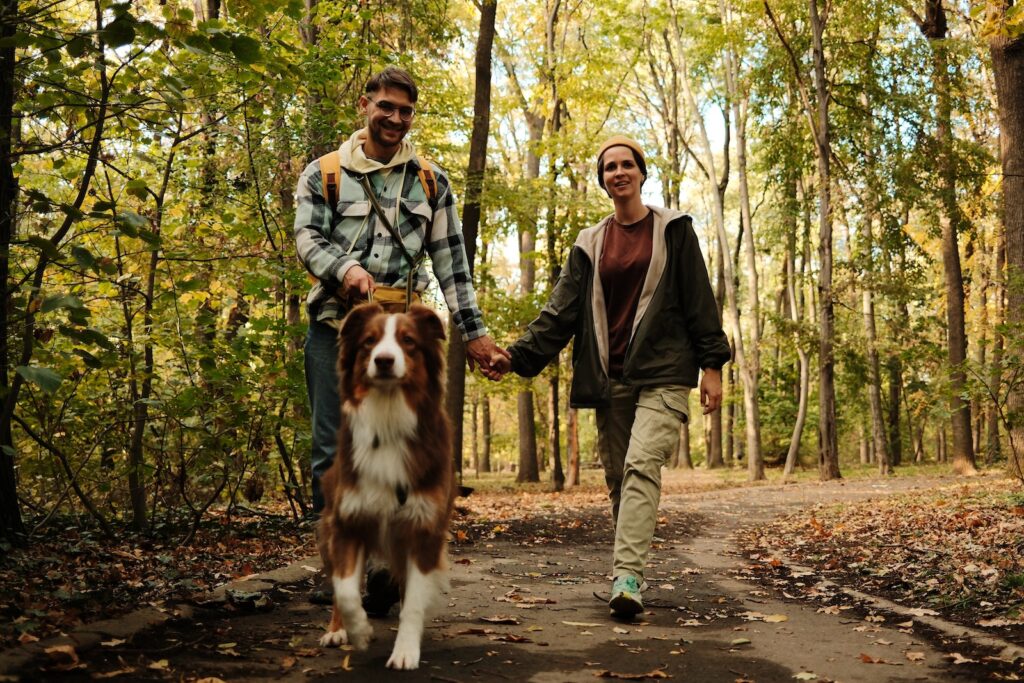
Lake Okoboji is good country for a dog-friendly getaway. The Dickinson County Trails run right past our door, and many lake town patios welcome leashed dogs during peak season. A good trip with your dog still depends on preparation. We built this guide from what guests at The Oakwood Inn most often forget, ask about, or wish they had packed, so you can arrive ready to enjoy the lakes together.
Check the Hotel Pet Policy Before You Book
Every property handles pets differently. Before you commit to dates, confirm three things: the nightly pet fee, which rooms accept pets, and any size or breed limits. Reading the hotel pet policy ahead of time prevents surprises at check-in. At The Oakwood Inn, our lodging policies page lists current fees and restrictions. If you plan to bring more than two dogs, call the innkeepers before you book.
Dog Travel Essentials to Pack
We keep collapsible bowls and extra waste bags on hand for guests, but some dog travel essentials can only come from home.
Comfort and sleep: Bring your dog’s own bed or a familiar blanket. A new room smells like nothing your dog recognizes, and a known scent helps on the first night. Pack a crate or travel gate if one is part of your routine at home, along with a favorite toy.
Food and water: Pack enough of your dog’s regular food for the full trip, plus one extra day. A sudden change in food can upset your dog’s stomach while traveling. Bring your own collapsible bowls for the car.
Walking gear: Bring a sturdy leash and a spare, more waste bags than you expect to need, and a first-aid kit with any regular medications. Iowa state parks require leashes no longer than six feet. In July and August, paw protection helps on hot pavement.
Paperwork: Carry proof of current vaccinations, especially rabies. Confirm that your dog’s tag and microchip list your current cell number, and save your veterinarian’s contact information on your phone.
Extras: Old towels for muddy paws, a stain and odor spray, and treats for the car ride all earn their space.
A Dog Friendly Bed and Breakfast Built for You Both
Many chain hotels set aside a single pet room and call it accommodation. Our approach is different. Many of our rooms have outdoor access for quick walks, and the Dickinson County Trails start right outside the property. After a morning walk, you can return to a three-course gourmet breakfast and a suite with a fireplace. Innkeepers Bill and Bridget live on-site with Maggie, their Bernedoodle, who is a large part of why we welcome pets at all. Don’t be surprised if she says hello from the porch.
Plan the Drive With Real Pet Relief Breaks
Whether you are coming from Des Moines, Sioux Falls, or Minneapolis, plan a stop every couple of hours. A short walk at a rest area or small-town park gives your dog a real pet relief break instead of a rushed minute on gravel. On longer drives, choose a dog park near the halfway point and treat it as a scheduled stop. Keep your dog secured in a crate, car harness, or cargo barrier for the entire trip.
Where to Walk Once You Arrive
The Dickinson County Trails cover your daily walks. For a longer outing, Gull Point State Park is a short drive away, and its trails welcome leashed dogs. Iowa state park rules prohibit animals on designated beaches, so plan your dog’s time around the trails. Our pet-friendly lodging page and our guide to things to do in Okoboji offer more ideas, including outings better suited to a solo afternoon while your dog rests at the inn.
Frequently Asked Questions
What should I take when traveling with a dog?
Pack your dog’s regular food plus one extra day’s supply, a familiar bed or blanket, a leash and a spare, waste bags, vaccination records, medications, and towels.
How often should you stop when traveling with a dog?
Plan to stop about every two hours so your dog can walk, drink water, and relieve itself.
What does a dog-friendly hotel need?
Look for a clear pet policy, rooms that accept pets, space for walks, and basics such as water bowls and waste bags.
What dog-friendly parks are near the hotel?
The Dickinson County Trails begin right outside The Oakwood Inn, and Gull Point State Park is a short drive away.
Book Your Dog Friendly Lodging in Okoboji
Your dog belongs on this trip. Browse our suites and reserve your dog friendly lodging directly with The Oakwood Inn.