Outdoor Adventures
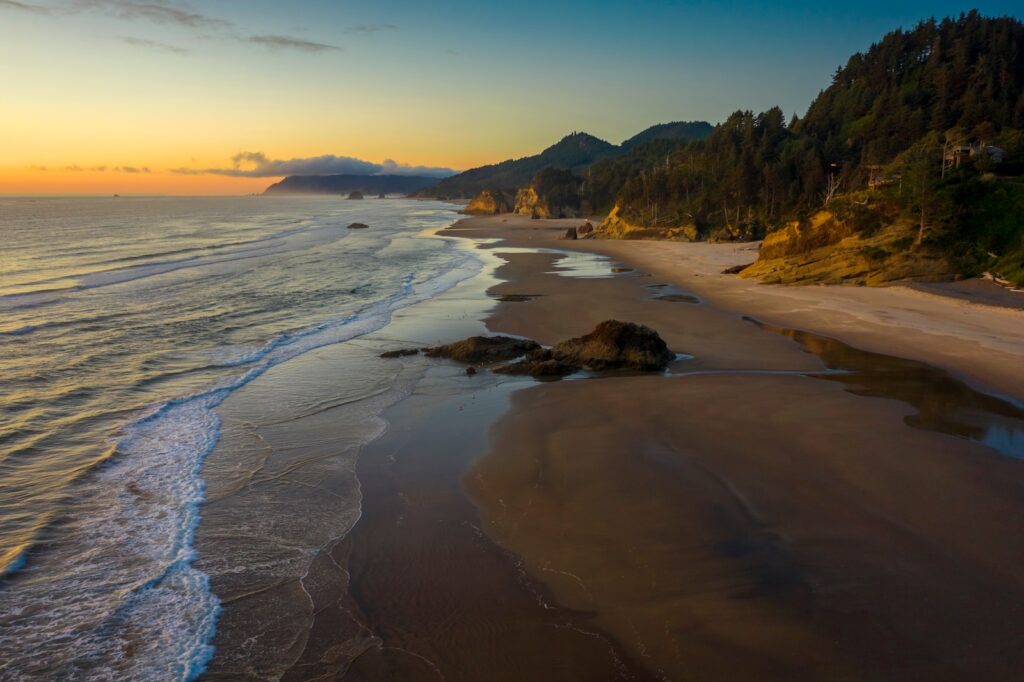
Explore These Oregon Beaches on Your Next Getaway
Five Oregon Beaches Worth Building a Trip Around
Anyone searching for the best Oregon beaches has one goal: sand, surf, and a stretch of coastline that feels worth the drive. The good news is that the northern Oregon coast has all three within a few miles of each other, from a hidden cove framed by volcanic rock to the most photographed sea stack on the coast. If you are planning a romantic getaway, these five Oregon Coast beaches make a strong case for building your entire trip around Arch Cape and Cannon Beach.
Cove Beach in Arch Cape. A short forest trail through old-growth trees opens onto this secluded stretch of sand, nicknamed for the volcanic outcroppings that click and clack as the tide recedes over them. It sits five minutes from Arch Cape Inn, and the front desk can point you to the trailhead at check-in.
Short Sand Beach at Oswald West State Park. Half a mile south, this is one of the most active surf breaks on this part of the coast. A well-marked forest trail leads down to the sand, manageable for most fitness levels, and you will likely spot local surfers in the water regardless of season.
Hug Point Recreation Area. Rock formations and a small waterfall frame this beach, but the real draw is a hidden cove that only appears at low tide. Check tide tables before you go. Hug Point is one Oregon beach where timing decides whether you see the whole thing.
Neahkahnie Beach in Manzanita. A quieter alternative to the busier tourist towns, Neahkahnie sits at one end of a seven-mile run of white sand, dunes, and forested bluffs. It is a good choice if you want a slower beach day without the crowds.
Haystack Rock in Cannon Beach. Oregon’s most recognizable coastal landmark still earns the trip. The beach town around it draws photographers and artists year-round, and the sea stack itself remains the classic postcard shot of the Oregon coastline.
A Romantic Oregon Coast Bed and Breakfast Near It All
Deciding where to stay matters as much as which beach you visit first. Arch Cape Inn is a boutique Oregon Coast Bed and Breakfast with only nine guest rooms, recently remodeled with calming white walls, custom furnishings, and modern en suite bathrooms. It is built for couples and solo travelers looking to unplug, not for large groups or families chasing amenities. One of the best Oregon beaches sits just steps from the property, often quiet enough that you will feel like you have it to yourselves.
Mornings start with a farm-to-table breakfast built around seasonal ingredients, paired with coffee from Sleepy Monk Coffee Roasters. It is the kind of start that sets the tone for a full day exploring the coast, whether that means a hike to Cove Beach or a drive down to Hug Point at low tide.
Tips Before You Go
A few things make for a better beach day on this stretch of coast. Check tide tables before heading to Hug Point, since the hidden cove is underwater most of the day. Layer up, since coastal weather shifts fast even in summer. Arrive early or plan for golden hour, since parking at Haystack Rock and Short Sand Beach fills by midday in peak season. And bring sturdy shoes, since several beaches, including Cove Beach, require a short hike through the forest to reach the sand.
Frequently Asked Questions
Does Oregon have beaches?
Yes. The Oregon coast runs roughly 360 miles and includes public beaches the entire length, from Astoria south to Brookings.
Can you swim at Oregon beaches?
Wading and shallow swimming are possible at many Oregon beaches, but the water stays cold year-round and currents can be strong, so check conditions before going in.
Are Oregon beaches dog friendly?
Most Oregon beaches, including the ones near Arch Cape and Cannon Beach, allow leashed dogs. Always check posted signage for local restrictions.
Can you take driftwood from Oregon beaches?
Small pieces for personal use are generally fine, but check current Oregon State Parks guidance before collecting, since rules can vary by location.
What are the best beaches on the Oregon coast?
Cove Beach, Short Sand Beach, Hug Point, Neahkahnie Beach, and Haystack Rock are five of the strongest options on the northern Oregon coast, each within a short drive of Arch Cape.
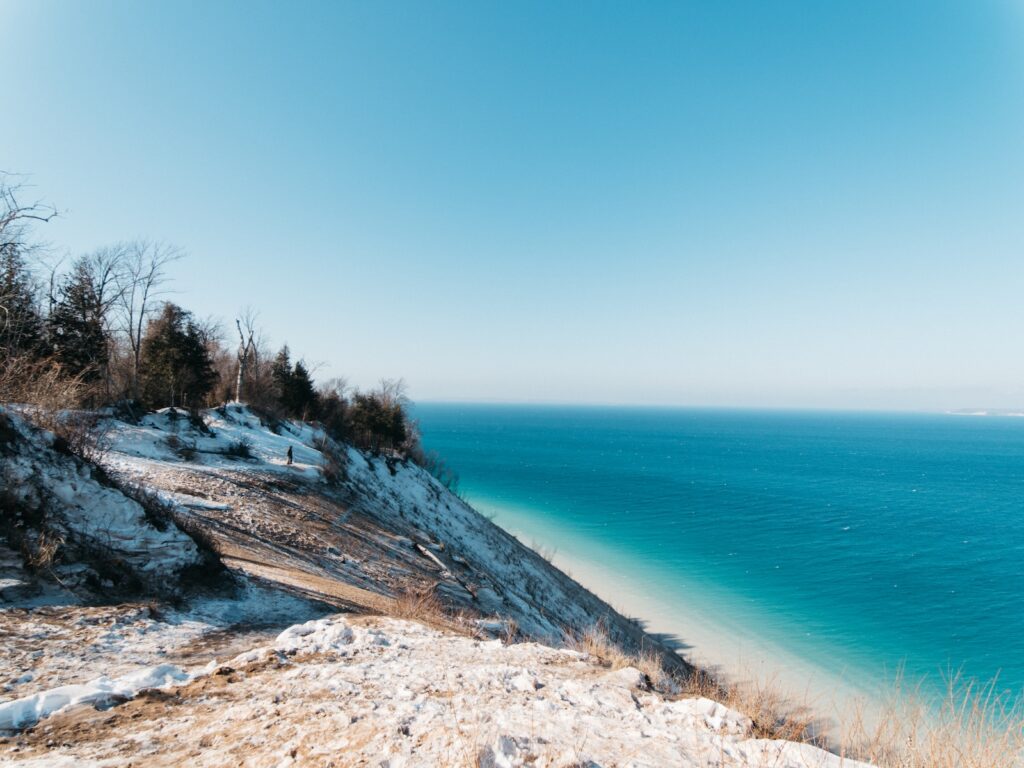
Explore These Top Things to Do in Traverse City in Winter
Best Things to Do in Traverse City in the Winter
Traverse City, Michigan proves that winter travel can be just as rewarding as peak summer season, especially for a refreshing Midwest weekend getaway. When snow blankets the shoreline of Grand Traverse Bay, the region transforms into a destination filled with outdoor adventure, cozy indulgences, and memorable seasonal experiences. From scenic landscapes to chef-driven dining, there are plenty of things to do in Traverse City in the winter for travelers who enjoy both activity and relaxation.
Outdoor enthusiasts will find no shortage of winter activities in Michigan. Skiing and snowboarding at Crystal Mountain offer well-maintained runs for all skill levels, while snowshoeing through wooded trails at the Village at Grand Traverse Commons provides a quieter way to explore the area. Fat tire biking remains a favorite for adventurous travelers who want to experience Traverse City’s trail systems year-round. For iconic scenery, a winter visit to Sleeping Bear Dunes National Lakeshore delivers sweeping lake views and peaceful hiking opportunities without the crowds.
Winter in Traverse City also invites visitors to slow down and savor the region’s food and wine scene. Wine tasting on the Old Mission and Leelanau Peninsulas remains one of the most popular things to do in Traverse City, with snow-dusted vineyards setting a dramatic backdrop. Downtown, Front Street stays lively with boutiques, bookstores, breweries, and inviting restaurants perfect for warming up after a day outdoors.
Where to Stay for a Cozy Traverse City Winter Getaway
Choosing the right lodging can elevate your winter getaway in Michigan. Local bed and breakfasts in Michigan offer a welcoming alternative to traditional hotels, with personalized service, thoughtful amenities, and insider recommendations that enhance your stay. Many feature fireplaces, whirlpool tubs, and inviting common spaces that feel especially comforting after a cold day outside. Mornings often begin with freshly prepared breakfasts that highlight regional flavors and set a relaxed tone for the day ahead.
As evening settles in, few experiences rival watching the sun dip below Grand Traverse Bay, painting the winter sky with vibrant color. Whether you are planning a romantic escape or a laid-back weekend trip, Traverse City delivers a winter experience that feels both energizing and restorative. With so many fun things to do in Michigan during the colder months, this northern destination stands out as a favorite for seasonal travel.
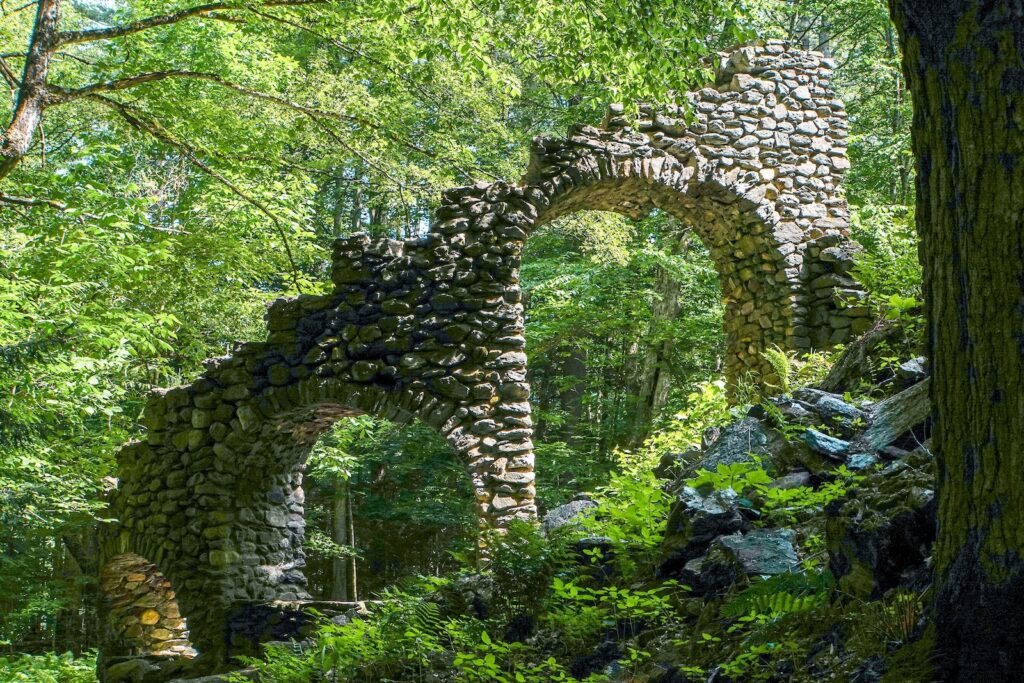
Exploring the Unique Castle Ruins near Brattleboro
Visit the Castle Ruins in Madame Sherri Forest
Exploring the castle ruins in Madame Sherri Forest is one of the most unique things to do in Vermont, offering a blend of history, architecture, and scenic hiking just outside Brattleboro. Located in nearby West Chesterfield, New Hampshire, this destination draws visitors with its unusual setting and the remains of a once-grand summer home hidden within the forest.
The trail to Madame Sherri’s Castle follows the Ann Stokes Loop, a manageable two-mile route that winds through a dense hemlock forest before revealing the site’s most recognizable feature, a sweeping stone staircase that rises unexpectedly into the trees. As you continue through the grounds, the remaining stonework, including columns, archways, and a large fireplace, provides a clear sense of the home’s original scale and design. These castle ruins stand as one of the most memorable landmarks in southern New England.
Madame Sherri’s house was commissioned by Antoinette Bramare, a French-born costume designer who built a name for herself in New York’s theater scene. In the late 1920s, she transformed this quiet landscape into a gathering place known for elaborate parties and distinctive architecture that blended European influences. After financial challenges forced her to leave, the property was abandoned and later destroyed by fire in 1962. Today, the preserved ruins and surrounding forest offer both historical context and a distinctive outdoor experience.
Beyond the castle ruins, the surrounding area adds depth to any visit. Extending your hike leads to Indian Pond and open ledges with expansive views, while nearby Brattleboro offers galleries, restaurants, and local markets. This combination makes it easy to pair outdoor exploration with cultural experiences, creating a well-rounded itinerary on a romantic getaway to Vermont!
Brattleboro, Vermont Boutique Hotels
After a day spent exploring Madame Sherri Forest, returning to one of the boutique hotels in Brattleboro, Vermont, provides a comfortable and thoughtfully designed retreat. The Inn on Putney Road offers a refined setting with carefully appointed guest rooms, inviting common spaces, and well-maintained gardens, creating a welcoming atmosphere.
Guests can begin their mornings with a gourmet breakfast and spend quiet time outdoors before heading out to explore more of the region. Its location within walking distance of downtown Brattleboro allows easy access to shops, dining, and the local arts scene, while still providing a peaceful place to unwind. Plan your visit to these castle ruins and reserve your stay to experience one of the most distinctive and engaging destinations in Vermont.
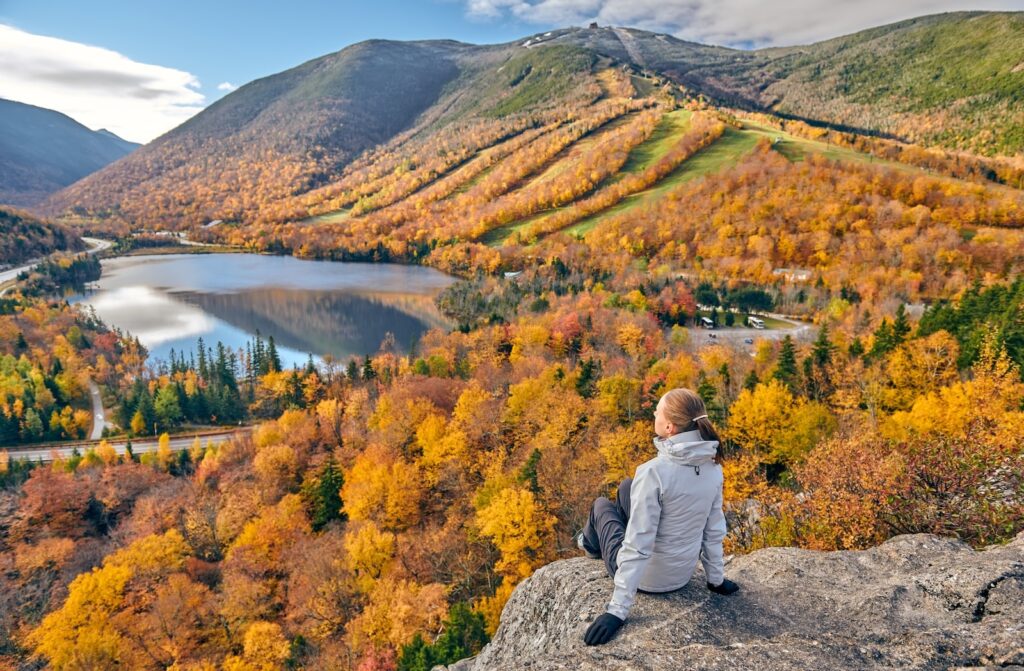
Fall at Franconia Notch State Park in New Hampshire
Why Franconia Notch State Park Is a Fall Must-See
Franconia Notch State Park is one of the best places to experience New Hampshire fall foliage. The park fills a dramatic mountain pass between the Kinsman and Franconia ranges, and when the hardwoods turn, the whole notch glows. Granite cliffs, a glacial lake, waterfalls, and some of the most photographed foliage views in New England sit within a few miles of each other here, which is why it attracts thousands of visitors every autumn. The best time to see fall foliage in New Hampshire is typically late September through mid-October, with higher elevations turning first.
With so many things to do in New Hampshire in the fall, Franconia Notch State Park should be one of many stops during your fall getaway. Head to the top of Mount Washington, the highest peak in the Northeast, via the Cog Railway or the Auto Road for foliage views stretching across four states. Closer to the clouds, the best hikes on the Presidential Range put you above the color looking down, offering spectacular White Mountains fall foliage views. And save time for Sugar Hill, NH, itself, where we send guests to Harman’s Cheese and Country Store for aged cheddar and up Route 117 at golden hour for views across the valley to the Franconia Range.
All of it starts with a comfortable home base, and it is hard to beat ours. Sugar Hill, NH, is widely regarded as one of New England’s most picturesque villages, and Sugar Hill Inn sits right in the heart of it, about ten minutes from the park entrance, close enough for a sunrise hike at Artists Bluff with time to spare before breakfast.
Things to Do in Franconia Notch State Park This Fall
With so many things to do in Franconia Notch State Park, visitors never tire of visiting this beautiful mountain pass, especially in the fall. Franconia Notch hiking ranges from short family walks to the famous ridge trails above, and a paved recreation path runs roughly nine miles through the notch, one of our favorite ways to take in the Franconia Notch fall foliage by bike.
Franconia Notch State Park’s most popular attraction is the Flume Gorge, an 800-foot natural chasm at the base of Mount Liberty. A boardwalk carries you between granite walls that rise 70 to 90 feet and narrow to as little as 12 feet, ending at Avalanche Falls, a 45-foot waterfall whose present course was dramatically reshaped after a powerful storm in 1883. The gorge is open from mid-May through late October, so peak foliage falls within its final weeks of the season. Reserve a timed entry ticket online in advance, since fall weekends regularly sell out.
The two-mile Flume loop offers a bonus for covered-bridge fans. You will cross the Flume Covered Bridge, built in 1886 and one of the park’s most recognizable historic landmarks, then reach the Sentinel Pine Bridge, a covered footbridge perched above the Pool, a deep basin in the Pemigewasset River ringed by cliffs. Both are framed by fiery maples in October.
For the classic Franconia Notch fall foliage photo, hike the Artists Bluff Trail. The ledge overlooks Echo Lake and Cannon Mountain, and at peak color the view is unforgettable, especially at sunrise. During peak foliage season, the state directs hikers along a one-way, 1.2-mile counterclockwise loop, and parking is in the large dirt lot across from the Cannon Mountain base area, not the Echo Lake Beach lot. Go early on October weekends, as this is the most popular short hike in the White Mountains for good reason.
Round out your day at Echo Lake itself, where the fall colors reflect off the water beneath Cannon’s cliffs, then stop at The Basin, NH, a 30-foot granite pothole carved by glacial meltwater an estimated 25,000 years ago. It is a free, five-minute walk from the parking area and one of the easiest scenic stops in Franconia Notch State Park.
Stay at the Best New Hampshire Bed and Breakfast
After a day of White Mountains fall foliage, you will want to return to a cozy New Hampshire Bed and Breakfast. Sugar Hill Inn’s restored 1789 farmhouse and cottage rooms are filled with original art, and include features such as a fireplace, a luxury soaking tub, and fine linens. Warm up with a drink in our tavern, book a massage at our spa, and settle in for dinner at our restaurant.
Mornings here begin with a made-to-order breakfast, baked in-house, the right fuel before another day exploring things to do in Franconia Notch State Park, just minutes down the road.
Book Your Fall Getaway in Sugar Hill, NH
Foliage season is our favorite time of year in Sugar Hill, NH, and rooms for late September and October go quickly. Book your fall getaway at Sugar Hill Inn and see the best of fall in the White Mountains.
Frequently Asked Questions
Where is Franconia Notch State Park?
Franconia Notch State Park sits in New Hampshire’s White Mountains between the Kinsman and Franconia ranges, about ten minutes from Sugar Hill, NH.
How long is the Flume Gorge hike?
The Flume Gorge boardwalk loop covers about two miles round trip, including the walk to Avalanche Falls and back past the Flume Covered Bridge and Sentinel Pine Bridge.
When does Flume Gorge open?
Flume Gorge typically operates from mid-May through late October, meaning peak fall foliage falls within its final weeks of the season each year.
Where should you stay near Franconia Notch State Park?
Sugar Hill, NH, about ten minutes from the park entrance, makes an excellent base, with Sugar Hill Inn offering a restored 1789 farmhouse setting close to Franconia Notch’s fall attractions.

Fall Getaways in Wisconsin: An Owl Ridge Weekend
Why Wausau Is Made for Fall Getaways in Wisconsin
Fall getaways in Wisconsin tend to center on the same handful of things: color, cool air, and a good reason to stay outside longer than usual. Wausau delivers all three. October here brings hillsides that shift from green to gold and rust, mornings cool enough for a jacket, and afternoons still mild enough to spend on a trail or a patio. It’s the kind of stretch that makes autumn in Wisconsin worth planning a trip around, rather than just noticing on the drive to work.
Wisconsin weather in October runs mild by day and sharp by night. Wausau typically sees highs near 56 degrees and lows around 37, with an early dusting of snow always a possibility. That swing is part of the appeal. A sunny hike in the afternoon can turn into a fire-lit evening within a few hours, which is exactly the rhythm a good fall getaway should have.
Fall Things to Do in Wisconsin Near Wausau
A few outings define fall things to do in Wisconsin around Wausau, and most of them are within a short drive of downtown. Here are some ideas for fall getaways in Wisconsin.
Granite Peak runs a scenic chairlift up Rib Mountain during peak color season, weather permitting, and it’s worth reserving ahead since fall weekends fill quickly. Rib Mountain State Park itself is a strong option for anyone who’d rather take the color in on foot, with an observation tower that opens up wide views across the Wisconsin River valley. For a ride instead of a hike, Nine Mile Forest offers wooded mountain bike trails southwest of the city, while the Mountain Bay State Trail begins nearby in Weston and follows a former railroad corridor through the countryside.
If you’d rather stay behind the wheel, Highway 107 north toward Merrill tracks the Wisconsin River through wooded terrain, with Grandfather Falls worth a stop along the way. And downtown Wausau covers the rest: a stop at Timekeeper Distillery, a local brewery, dinner at one of the area’s better restaurants, or an afternoon at the Leigh Yawkey Woodson Art Museum, where the Birds in Art exhibition runs September 12, 2026, through January 3, 2027, with free admission.
Fall festivals in Wisconsin add another reason to time a visit around October. Wausau’s Harvest Fest takes over the 400 Block on October 3, 2026, with pumpkins, food vendors, and family activities, while Boos and Booze brings an adults-only Halloween night to the Rothschild Pavilion on October 23.
A Home Base for Your Fall Getaway
After a day outside, Owl Ridge Cabin gives you somewhere to enjoy your evening and is one of the best parts of fall getaways in Wisconsin. Set on a private, five-acre wooded lot about ten minutes from downtown Wausau, the cabin was built for couples, with 1,100 square feet split between an open living, dining, and kitchen space, a king bedroom, and a spa-inspired bathroom with a steam shower and an oversized soaking tub. Heated floors and a fireplace make the cooler October nights part of the experience rather than something to plan around.
For a fall getaway with a bit more occasion, Owl Ridge offers a Culinary Experience, where a local chef prepares and serves a four-course dinner for two at the cabin with wine chosen for the season, along with add-on touches like roses, chocolates, and sparkling wine for an anniversary or birthday. Owl Ridge is the sister property of the Stewart Inn in downtown Wausau, so if you’re weighing Wisconsin cabin rentals against a boutique hotel stay, both options put you close to the same fall color and the same city.
Book your stay at Owl Ridge Cabin and build your own version of a Wisconsin fall weekend, whether that means hiking Rib Mountain in the morning or simply staying in by the fire.
Frequently Asked Questions
When does fall start in Wisconsin?
Wisconsin’s fall color season typically begins in mid-September in the north and moves south through October, with the Wausau area often at or near peak color during the first half of October.
What’s the weather like in Wisconsin in October?
In Wausau, October days average around 56 degrees with nights closer to 37, and an early snow flurry is always possible, so layers are worth packing for both hiking and evenings outside.
Where can you see fall colors near Wausau?
Rib Mountain State Park, the Dells of the Eau Claire, and Big Eau Pleine County Park are three of the most reliable spots for fall color near Wausau, with Rib Mountain’s observation tower offering the widest view.
Are there fall festivals near Wausau?
Yes, Harvest Fest takes place on the 400 Block on October 3, 2026, and Boos and Booze, an adults-only Halloween event, follows at the Rothschild Pavilion on October 23.
Book your stay at Owl Ridge Cabin and make one of Wisconsin’s best fall getaways your next weekend away.
Find Adventure at the Wausau Whitewater Park
Find Adventure at Wausau Whitewater Park During the Warm Months
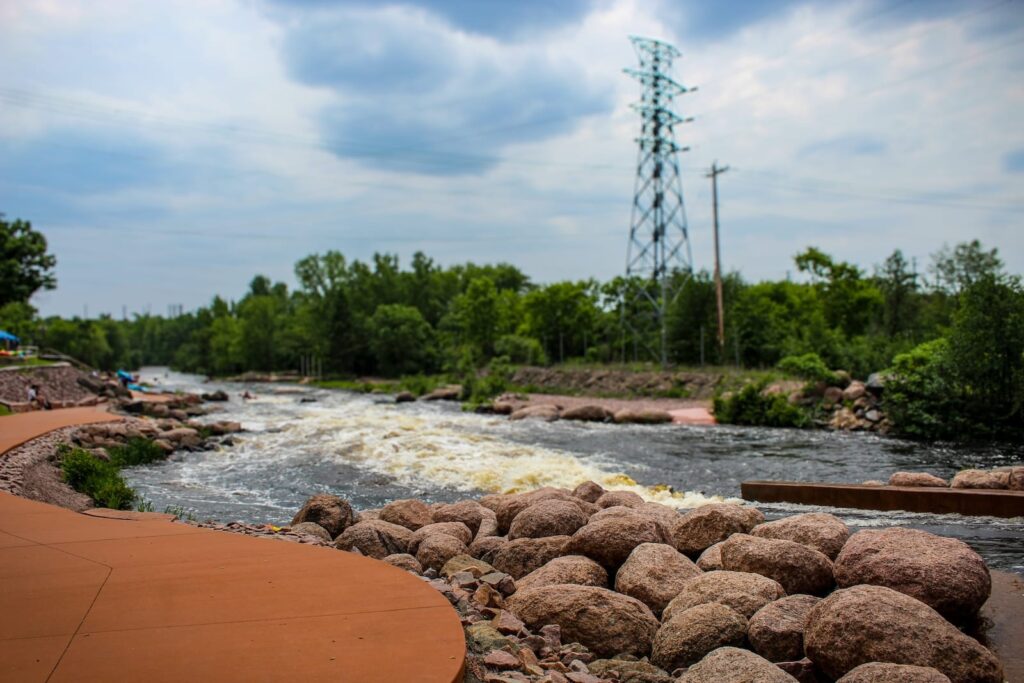
If you’re planning an adventure getaway in the Midwest, the Wausau Whitewater Park deserves a place on your itinerary. Located along the Wisconsin River in downtown Wausau, this renowned whitewater course has welcomed paddlers from around the world since 1974. Whether you’re an experienced athlete looking to refine your skills or a beginner interested in experiencing whitewater kayaking, the park offers an exciting opportunity to enjoy kayaking in Wisconsin during the warm months.
Stretching approximately one-third of a mile through downtown, the Wausau Whitewater Park features more than a dozen natural and engineered rapids with dependable water levels provided through scheduled dam releases. Most of the course consists of Class II rapids, while several Class III sections provide an added challenge for more advanced paddlers. Recreational releases welcome kayakers, canoeists, and boogie boarders of varying experience levels, making the park an inviting destination for outdoor enthusiasts.
Visitors who prefer to stay on shore will also find plenty to enjoy. Throughout the season, the park hosts freestyle and slalom competitions that attract talented athletes from across the country and beyond. Watching competitors navigate the rapids from the riverbank creates an exciting atmosphere in the heart of downtown Wausau.
Beyond the river, there are many additional things to do in Wausau. Ride the trails at Sylvan Hill or Nine Mile, browse the collections at the Leigh Yawkey Woodson Art Museum, stroll through the downtown 400 Block, or visit local shops and craft beverage destinations before returning to your accommodations.
Stay at One of the Finest Hotels in Wausau, WI
After an active day exploring the Wisconsin River and experiencing the area’s outdoor recreation, relax at one of the most distinctive hotels in Wausau, WI. Located less than five minutes from the whitewater park, our restored 1906 Prairie-style boutique inn combines historic architecture with modern comfort. Guests enjoy private ensuite baths with luxury steam showers, premium linens, king-sized beds, spa robes, and thoughtfully appointed guest rooms, with select accommodations featuring fireplaces or private balconies.
Each stay also includes a nightly wine reception and a gourmet multi-course breakfast prepared with locally sourced Wisconsin ingredients, creating the perfect beginning and ending to every day. Reserve your stay today and discover why the Wausau Whitewater Park and our boutique hotel create an unforgettable Midwest adventure.
Find the Best Bear Watching in Alaska
Wildlife at the Pack Creek Bear Viewing Area
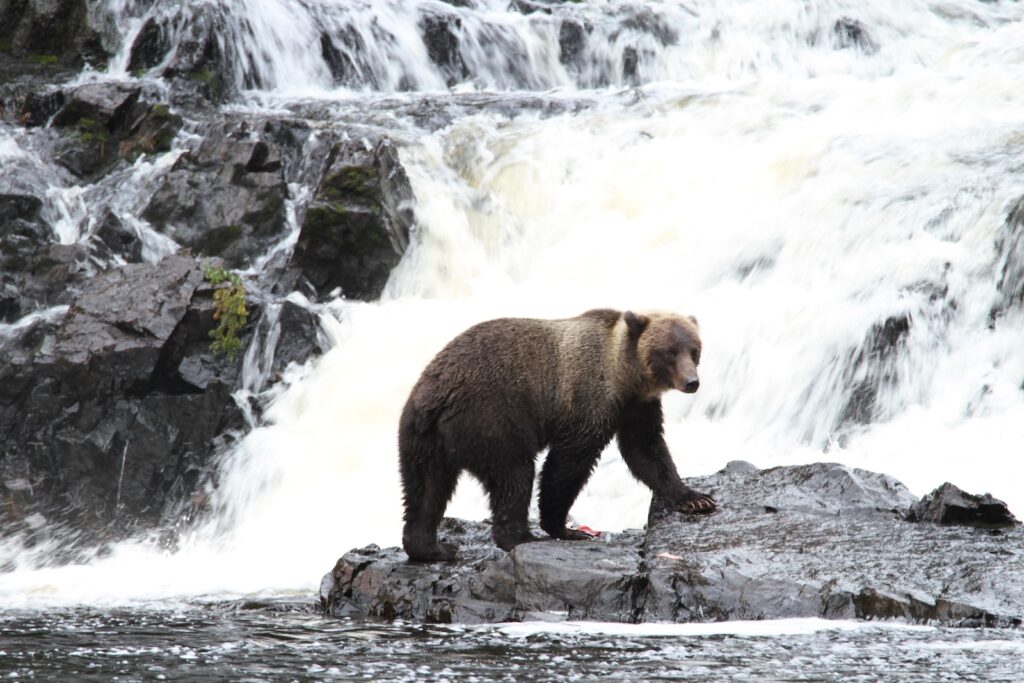
The Pack Creek bear viewing area is set inside the Kootznoowoo Wilderness on Admiralty Island, a name that translates loosely from Tlingit as “fortress of the bears.” The site is formally protected as the Stan Price State Wildlife Sanctuary and jointly managed by the U.S. Forest Service and the Alaska Department of Fish and Game.
Admiralty Island holds an estimated 1,500 brown bears, more than the entire Lower 48 combined, and the Pack Creek estuary is one of the most reliable places anywhere to watch them fish, clam, and nap out in the open. A daily cap of 24 visitors, split between independent permits and guided tours, keeps the bears calm enough to ignore people entirely. In more than 90 years of recorded visits, no bear or person has ever been harmed here. For anyone weighing things to do in Juneau, it’s hard to beat.
Getting There: Permits, Access, and Timing
There’s no road to Pack Creek. Visitors arrive by floatplane, boat, kayak, or canoe, and most fly, a roughly 30-minute trip across forested islands and quiet passages from downtown Juneau. A permit is required for every visitor between April 1 and September 30, and it’s the one piece of planning worth locking in early.
Permit fee: $60 per person, plus a non-refundable $6 reservation fee through Recreation.gov
Daily cap: 24 visitors, split evenly between independent bookings and guided tours
Peak season: July 5 through August 25, when salmon draw the highest concentration of bears
Staffed season: Rangers are on site roughly June 1 through September 10 for orientations
Permits for peak weeks book out months ahead, so this isn’t a trip to plan the week before a cruise or flight. Anyone visiting Admiralty Island bears at Pack Creek benefits from locking in a permit as soon as travel dates firm up. It’s always one of the best excursions from Juneau for those seeking a unique adventure!
What to Expect on the Ground
Floatplanes land in 8 to 16 inches of saltwater, since there’s no dock, so proper footwear matters even on a clear-forecast day. A ranger meets every group at the South Spit for a short orientation, then visitors choose between two viewing spots: the Viewing Spit, a quarter-mile walk across the tidal meadow where bears graze and fish the estuary, or the Observation Tower, a mile-long walk through old-growth rainforest to a platform above the upper creek.
There are no bathrooms, no shelter outside the tower, and no cell service. Bring layers and rain gear regardless of the forecast, since Southeast Alaska weather shifts fast and floatplane flights are occasionally delayed by wind or fog.
When to Go for the Best Bear Watching in Alaska
Bears at Pack Creek tend to show up more on cool, overcast days than sunny ones. June is typically the quietest month for sightings, while July through August, when the salmon run peaks, brings the most activity and the tightest permit demand. Travelers chasing volume should plan around the salmon run. Those who want a quieter, more solitary version of the same experience should look at shoulder weeks in June or early September.
Stay at One of the Best Juneau Hotels for Your Home Base
A trip built around tide charts and floatplane windows goes more smoothly when the lodging isn’t adding logistics. Alaska’s Capital Inn is one of the most walkable Juneau hotels, a beautifully restored 1906 gold rush mansion just blocks from downtown restaurants, the waterfront, and tour departure points, and close enough to the airport for an early floatplane departure.
The seven rooms and suites come dressed in period wallpapers, Alaskan artwork, and plush linens, with two suites offering whirlpool tubs and working fireplaces for a rainy Southeast Alaska evening. Mornings start with a three-course, family-style breakfast, and evenings wind down with a bottomless cookie jar, wine, and fireside conversation. A complimentary Mt. Roberts Tram pass and full concierge service come standard, so planning a bear-viewing day, glacier trek, or whale-watching outing is largely done for you.
Frequently Asked Questions
Where is Admiralty Island?
Admiralty Island sits in Southeast Alaska’s Inside Passage, roughly a 30-minute floatplane flight from downtown Juneau.
How many bears live on Admiralty Island?
An estimated 1,500 brown bears live on Admiralty Island, a higher concentration than the entire Lower 48 states combined.
Do you need a permit for Pack Creek bear tours?
Yes. Every visitor needs a permit between April 1 and September 30, booked through Recreation.gov for a $60 fee plus a $6 reservation fee.
What is the best time for bear watching in Alaska at Pack Creek?
July 5 through August 25 brings the highest bear activity during the salmon run, while June and early September offer quieter, less crowded viewing.
What’s the best bear viewing in Alaska near Juneau?
Pack Creek on Admiralty Island is widely considered one of the best bear viewing sites in Alaska, thanks to its daily visitor cap and decades-long safety record.
Get Adventurous With These Cape Cod Shark Tours
Best Shark Tours on Cape Cod for a Summer Adventure
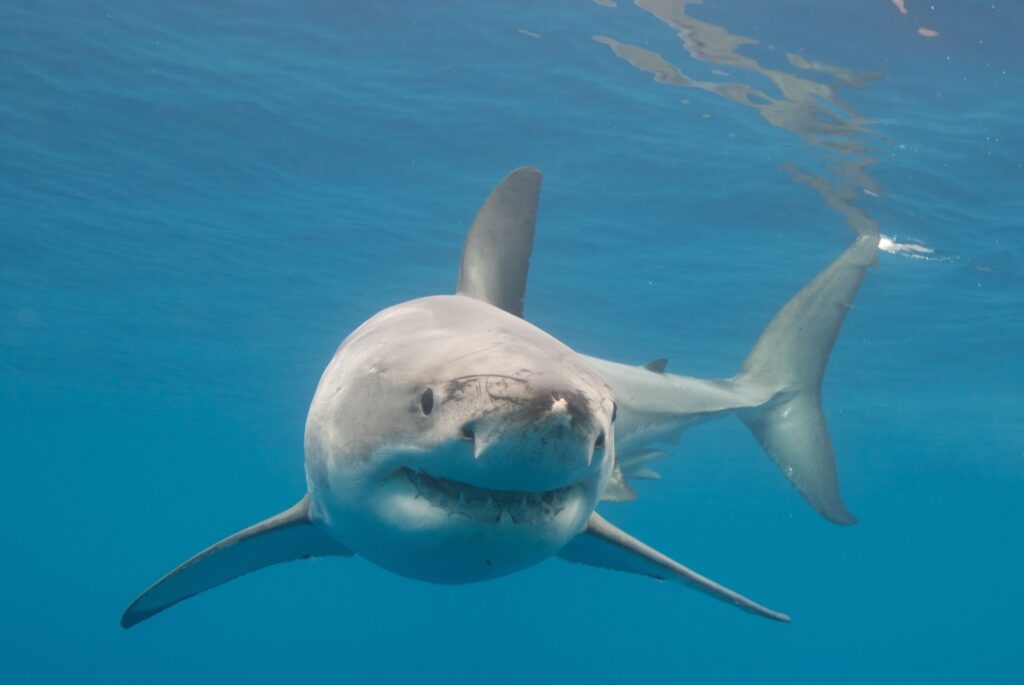
Summer is one of the most exciting times to experience Shark Tours on Cape Cod. The waters off the Outer Cape become a hub of marine activity as gray seals gather along the shoreline and Cape Cod great white sharks return to their seasonal feeding grounds. For visitors seeking a memorable coastal adventure, shark tours offer an opportunity to witness one of the Atlantic Ocean’s most fascinating predators while learning about the region’s unique marine ecosystem.
Departing primarily from Chatham and Orleans, many Cape Cod shark tours are led by experienced captains, naturalists, and marine experts who provide educational commentary throughout the excursion. Guests may observe shark activity near seal colonies, spot dorsal fins in the distance, and gain valuable insight into shark behavior, migration patterns, and conservation efforts taking place offshore. These tours provide much more than wildlife viewing, creating a deeper appreciation for the Atlantic waters that surround Cape Cod.
Organizations such as the Atlantic White Shark Conservancy have helped transform public interest in Cape Cod great white sharks into meaningful conservation awareness. Several tour operators work closely with researchers and educational organizations to share information about ongoing studies, shark tracking initiatives, and marine habitat protection. Visitors interested in expanding their experience can also visit the Shark Center in Chatham to learn more about local shark research and conservation programs.
A Refined Cape Cod Lodging Experience
After a day spent exploring the waters of the Outer Cape, return to Platinum Pebble Boutique Inn for a relaxing and sophisticated stay. Our adults-only bed and breakfast in West Harwich offers a peaceful setting within convenient reach of many popular Cape Cod tours and coastal attractions.
Guests enjoy beautifully appointed accommodations featuring plush furnishings, premium linens, and thoughtfully designed en-suite bathrooms. The seasonally heated pool provides a comfortable place to unwind after a day on the water, while each morning begins with a gourmet breakfast prepared with fresh ingredients.
Whether you are planning a weekend escape or a longer summer adventure, Platinum Pebble Boutique Inn offers the ideal home base for exploring all the best things to do on Cape Cod, including visiting nearby beaches, charming coastal towns, and some of the region’s most memorable outdoor experiences. Book your stay today and discover a different side of Cape Cod.
Get Out on the Hiking Trails Near Asheville, NC This Winter
Best Hikes Near Asheville for a Winter Adventure
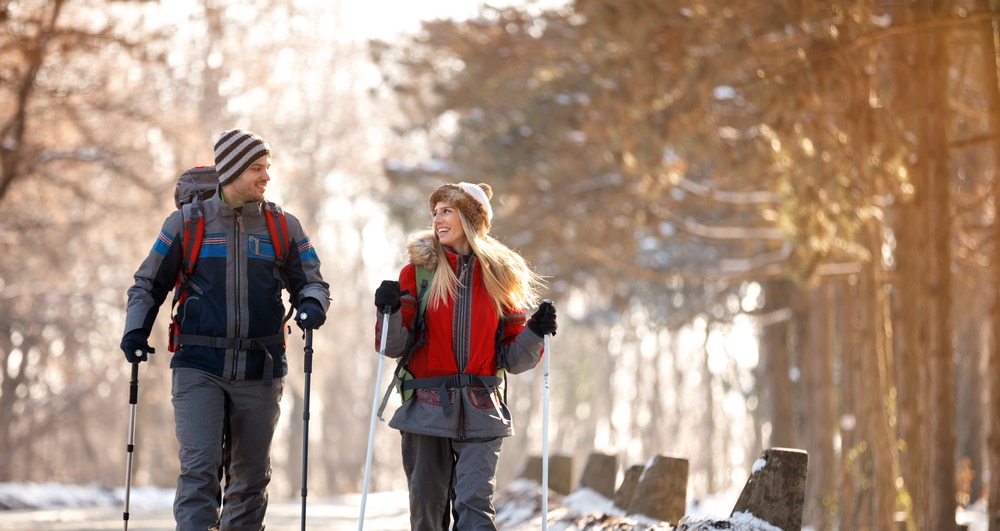
Winter transforms Western North Carolina into a rewarding destination for outdoor exploration, and the best hikes near Asheville take on a whole new character during the colder months. With fewer crowds and crisp mountain air, winter hiking offers a quieter, more immersive way to experience all the wonderful things to do in Western North Carolina. Bare trees reveal long-range views that stay hidden during other seasons, making winter an ideal time for adventure-focused travelers.
Hiking in Asheville, NC during winter delivers more than scenic beauty. Cooler temperatures make longer hikes more comfortable, while frozen waterfalls and frost-lined trails add dramatic detail to familiar routes. Many visitors are surprised by how active and accessible Asheville hikes remain throughout winter, especially on clear days following light snowfall.
Some of the best hikes in North Carolina are found just outside Asheville. DuPont State Recreational Forest remains a favorite for waterfall hikes, including Triple Falls and High Falls, where winter ice formations create striking visuals. Along the Blue Ridge Parkway, trails like Beacon Heights and Graveyard Fields offer panoramic views when conditions allow, making them standout choices for winter adventure. Chimney Rock State Park and Nantahala National Forest also provide rewarding routes for hikers looking to explore western North Carolina beyond the usual summer season.
Where to Stay After Hiking Near Asheville
After a full day on the trails, having a comfortable place to recharge makes all the difference. The Orchard Inn offers one of the most elevated mountain getaways in North Carolina, pairing outdoor access with thoughtful amenities designed for relaxation. Spacious rooms, suites, and private cottages give guests a quiet place to unwind after hiking near Asheville.
The on-site spa and sauna help ease sore muscles, while fireplaces, jetted tubs in select accommodations, and cozy gathering spaces create a welcoming atmosphere during winter evenings. Each morning begins with a gourmet breakfast, setting you up for another day exploring the best hikes near Asheville.
Winter in North Carolina invites travelers to slow down, embrace the season, and experience the mountains from a fresh perspective. With exceptional trails nearby and a relaxing retreat waiting at the end of the day, this is the perfect time to plan your winter adventure.