Outdoor Adventures
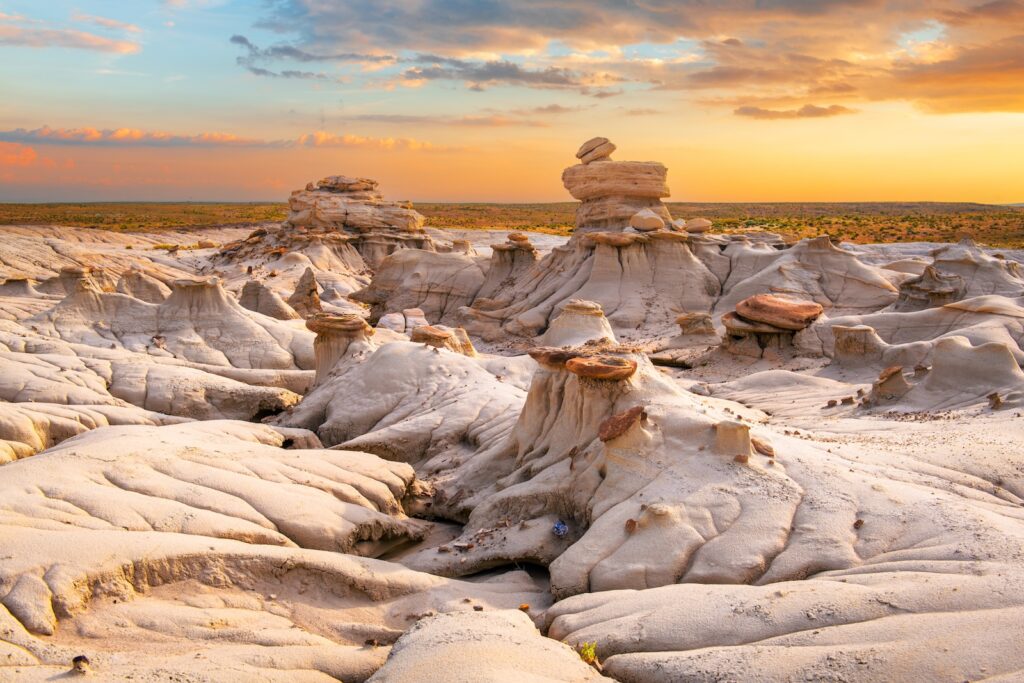
Hiking the Bisti Badlands: A Guide to New Mexico’s Otherworldly Wilderness
The Bisti Badlands turn a stretch of high desert south of Farmington into one of New Mexico’s strangest places to explore. Hoodoos rise from bare clay hills, dry washes twist between oddly shaped rock formations, and petrified wood lies scattered across the ground. Part of the Bisti/De-Na-Zin Wilderness, the Bisti Badlands have no marked trails or single designated viewpoint. Exploring here means wandering, paying attention, and seeing what turns up around the next bend. Remote, quiet, and unlike anywhere else in northwestern New Mexico, it’s easy to see why hikers and photographers keep adding this spot to their itineraries.
Beyond the badlands, there’s plenty to round out a trip. Chaco Culture National Historical Park, a UNESCO World Heritage Site preserving one of the great centers of Ancestral Puebloan culture, sits roughly two hours away. The Four Corners Monument, the only point in the United States where four states meet, makes another worthwhile day trip. Closer to town, the San Juan River draws anglers for its trout fishing, and Farmington itself offers plenty of places to grab dinner or coffee after a long day outside.
What to See in the Bisti Badlands
The landscape here tells the story of a very different New Mexico. This part of the Bisti/De-Na-Zin Wilderness preserves layers of sandstone, shale, mudstone, coal, and silt deposited during the Late Cretaceous, when the region held coastal plains, wetlands, and river systems near a retreating inland sea. Plants and animals thrived in that environment, and the fossils they left behind are still surfacing as the softer rock erodes.
The age of petrified wood in the Bisti Badlands traces to that same Late Cretaceous period, when trees grew in a far wetter climate than the high desert you see today. Wind and water continue to shape the exposed rock, carving the hoodoos and other unusual formations that make Bisti worth the drive.
There are no marked routes connecting one formation to the next here, just clay hills, dry washes, ridges, hoodoos, and open country. Among the best known formations are the Bisti Badlands Cracked Eggs, often called the Alien Egg Hatchery or Egg Factory, along with Hoodoo City, Manta Ray Wing, and King of Wings. Petrified wood turns up throughout the wilderness as well. If the Alien Throne is on your list, plan for it separately: the formation sits on tribal land near Ah-Shi-Sle-Pah Wilderness, outside the boundaries of Bisti/De-Na-Zin.
Planning Your Bisti Badlands Hike
Exploring here takes a bit more preparation than the average day hike. The Bisti Trailhead has a dirt parking area, information kiosk, shaded group picnic area, and vault toilet, but no potable water, so bring enough for your entire outing. Once you leave the trailhead, routes are unmarked and cell service is minimal to nonexistent. Download a Bisti Badlands hiking map or GPS information before you go, and make sure you know how to navigate back to the parking area.
Checking Bisti Badlands weather before you head out matters too. Spring and fall generally bring the most comfortable conditions, while summer can turn extremely hot with little to no shade. Rain or snow can make the unpaved access roads slippery or impassable, and storms can create flash flood hazards in the washes. There is no entrance fee to visit the wilderness. While exploring, leave petrified wood, vertebrate fossils, and cultural objects exactly where you find them, and keep in mind that drones, bicycles, and motorized travel are all prohibited within the wilderness. Give yourself at least half a day here, especially on a first visit, and longer if you plan to explore deeper into the wilderness.
Where to Stay Near Bisti Badlands
After a few hours picking your way through washes and hoodoos, a comfortable place to return to makes a real difference. Our lodging offers a distinctive home base for your Bisti Badlands adventure getaway, with a location that keeps you close to the wilderness while giving you easy access to the rest of northwestern New Mexico.
The Best of Hotels in Farmington, NM
One of the top hotels in Farmington, NM, our Spanish Colonial hacienda sits in a quiet residential neighborhood overlooking downtown, surrounded by gardens, courtyards, and fountains. The property has twelve individually decorated rooms and suites, each with its own character. Depending on the room you choose, you’ll find fireplaces, king beds, kitchenettes, whirlpool or jetted tubs, and comfortable indoor or outdoor seating.
In the morning, a complimentary full Southwest buffet breakfast makes it easy to fuel up before heading back out, whether the day’s plan is another trip into the badlands, Chaco Culture National Historical Park, Shiprock, or the San Juan River. Beyond your room, you’ll find Wi-Fi, a library stocked with books and games, shared living and dining spaces, Tesla charging stations, on-site parking, and a gift shop featuring New Mexico arts and crafts. Compared with standard hotels in Farmington, NM, this property offers a stay that feels connected to the landscape and character of the region. Book your stay and start planning your Bisti Badlands adventure getaway today.
Bisti Badlands: FAQ
Where is the Bisti Badlands?
The Bisti Badlands sit within the Bisti/De-Na-Zin Wilderness in high desert country south of Farmington, New Mexico. The area falls within San Juan County and is reached via unpaved access roads leading to the Bisti Trailhead.
What to do in Farmington, NM besides the Bisti Badlands?
Farmington makes a strong base for exploring northwestern New Mexico, with Chaco Culture National Historical Park about two hours away, the Four Corners Monument as another day trip option, and the San Juan River nearby for trout fishing. Downtown Farmington also offers dining and coffee for after a day outside.
Where to stay near the Bisti Badlands?
Farmington offers the closest lodging options to the Bisti/De-Na-Zin Wilderness, with hotels ranging from standard chains to distinctive boutique properties. A Spanish Colonial-style hacienda with gardens and courtyards gives visitors a quieter, more character-filled home base than typical hotels in the area.
How long should you spend hiking the Bisti Badlands?
Plan for at least half a day, especially on a first visit, since there are no marked trails and navigating between formations takes time. Give yourself longer if you want to explore deeper into the wilderness or search out specific formations like the Cracked Eggs or Hoodoo City.
Is there an entrance fee for the Bisti Badlands?
No, there is no entrance fee to visit the Bisti/De-Na-Zin Wilderness. Visitors should still come prepared with water, navigation tools, and a plan, since the trailhead has no potable water and cell service is minimal throughout the wilderness.

Hit the Snow With These Michigan Snowmobile Trails!
Best Michigan Snowmobile Trails for Winter Getaways
Winter in the Midwest delivers something special, and nowhere is that more obvious than across Michigan snowmobile trails. When snowfall settles in, thousands of miles of groomed routes connect forests, frozen lakes, and welcoming towns, creating unforgettable Michigan winter getaways for riders of every experience level.
Snowmobile trails in Michigan stretch from the Upper Peninsula to the Lower Peninsula, offering variety that keeps each ride fresh. Riders can cruise wide-open paths, wind through wooded corridors, and stop in small towns where winter hospitality shines. Whether you are chasing adrenaline or planning a relaxed winter weekend, Michigan in winter delivers consistent conditions and scenic rewards.
Upper Michigan snowmobile trails remain a favorite for serious riders. The Upper Peninsula boasts over 3,000 miles of connected routes, with destinations like Ironwood, Paradise, Marquette, and the Keweenaw Peninsula standing out for reliable snowfall and striking scenery. In the Lower Peninsula, snowmobile trails Michigan visitors love include Gaylord, Cadillac, Clare County, and areas shaped by lake-effect snow. Even southern regions provide solid trail networks perfect for shorter winter escapes.
Snowmobiling pairs naturally with other winter activities in Michigan. Skiing, snowshoeing, fat tire biking, scenic chairlift rides, and winter festivals add depth to your itinerary. From frozen waterfalls to brewery stops and local shops, there is no shortage of things to do in Michigan in the winter beyond the trails.
Where to Stay During Michigan Winter Getaways
After a full day outdoors, comfort matters. Michigan Bed and Breakfasts offer warm guest rooms, homemade breakfasts, and thoughtful hospitality that make winter travel feel personal. These locally owned inns are often located near trail systems, dining, and seasonal attractions, making them ideal home bases for snowmobile-focused trips.
Michigan winter getaways combine adventure with ease. With expansive trail networks, diverse winter activities, and inviting places to stay, Michigan snowmobile trails continue to define Midwest winter travel. Plan your winter escape, explore the trails, and enjoy everything Michigan has to offer this season.
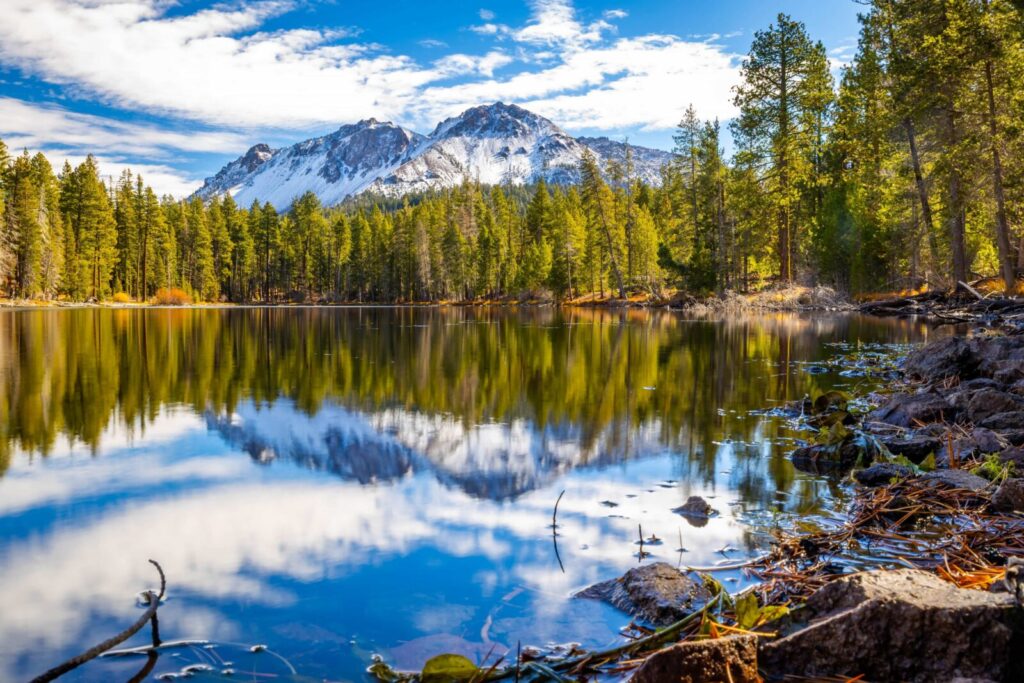
Hit the Trails at Lassen Volcanic National Park
Lassen Volcanic National Park Trails in California
Lassen Volcanic National Park Trails offer one of the most dynamic mountain adventures in the country. Within a compact section of Northern California, Lassen National Park showcases multiple types of California volcanoes, from lava domes to cinder cones. Jagged peaks, steaming geothermal basins, alpine lakes, and forested slopes create a landscape that feels both rugged and otherworldly.
Among the most popular Lassen hikes is the Bumpass Hell Trail. This three-mile round-trip walk leads to the park’s largest geothermal area, where boardwalks guide visitors past bubbling mud pots and steaming vents. It is one of the most fascinating things to do in Lassen National Park and a great introduction to the park’s volcanic power.
For hikers seeking elevation and expansive views, the Lassen Peak Trail delivers a classic mountain challenge. The five-mile round-trip climb up Mt Lassen gains significant elevation, rewarding you with panoramic views of surrounding California volcanoes and distant ridgelines. Snow can linger into early summer, so always check trail conditions before heading out.
Manzanita Lake Loop offers a gentler option. This easy 1.5-mile trail provides postcard-worthy reflections of Mount Lassen and is ideal for families or a relaxed evening walk. Kings Creek Falls, Cinder Cone Trail, and Brokeoff Mountain round out the best hikes in Lassen for those looking to mix waterfalls, lava fields, and summit views into a single trip.
Comfortable Lodging Near Lassen National Park
After full days exploring the trails of Lassen Volcanic National Park, comfort matters. Instead of camping, return to a warm and welcoming lodge just outside the park. St Bernard Lodge has been hosting guests since 1920, offering rustic European charm, open grounds, and an on-site restaurant perfect for refueling after long hikes. It’s one of the best places to stay near Lassen National Park!
With easy access to Mt. Lassen and the park’s most iconic trailheads, it is an ideal mountain home base. Trade dusty boots for a hot shower, enjoy a thoughtfully prepared meal, and relax before another day of adventure.
Reserve your stay and experience the best Lassen Volcanic National Park Trails with comfort waiting at the end of each day.

Hit the Water With Kayaks and Paddleboard Rentals & Tours
Best Adventure Mystic Kayak Tours on the Connecticut Coast
Summer is the perfect time to experience the Connecticut coastline from the water, and Adventure Mystic Kayak offers one of the most engaging ways to explore the area. Located along the Mystic River, this popular outfitter gives visitors access to kayaking in Mystic, paddleboarding, biking, and guided excursions that showcase the beauty of the coast from a unique perspective.
Whether you are looking for a relaxing paddle through downtown or a more active outdoor experience, Adventure Mystic Kayak provides options for every skill level. Guests can choose from kayak rentals, paddle boards, crystal kayaks, and bike rentals to create their own itinerary along the Mystic River. Convenient rental add-ons, including dry bags, lockers, and waterproof phone bags, help make time on the water even more enjoyable.
For those seeking a guided experience, Adventure Mystic Kayak offers several memorable tours. The Full Moon Paddle Tour allows experienced paddlers to explore the shoreline beneath the moonlight, while the Let’s Glow Mystic Paddle Adventure brings colorful LED-illuminated kayaks and paddleboards to the river after dark. Early risers can enjoy the Sunrise Paddle, featuring calm waters and peaceful views, while the Sunset Paddle provides an opportunity to end the day surrounded by vibrant evening colors along the coast.
Families and beginners will also find plenty to enjoy. Paddleboard lessons introduce the fundamentals of balance, steering, and paddling, while the Adventure Club offers children ages 7 to 14 an opportunity to participate in guided outdoor activities centered around the river and coastline. These experiences make Adventure Mystic Kayak one of the most popular options for kayaking Connecticut waterways during the summer season.
Stay Close to the Water at Our Mystic Hotel, CT
After a day exploring the Mystic River, return to The Whaler’s Inn, one of the best Mystic Hotels, CT, for a comfortable and refined coastal retreat in the heart of downtown Mystic. The boutique property places guests within walking distance of waterfront attractions, local shops, restaurants, and many of the most popular things to do in Mystic.
Start your morning with breakfast at The Shipwright’s Daughter before heading out for another day of Mystic River kayaking, boat rentals in Mystic, CT, or coastal sightseeing. With thoughtfully designed accommodations, convenient access to the waterfront, and a prime downtown location, The Whaler’s Inn provides an ideal home base for a summer adventure getaway on the Connecticut coast.
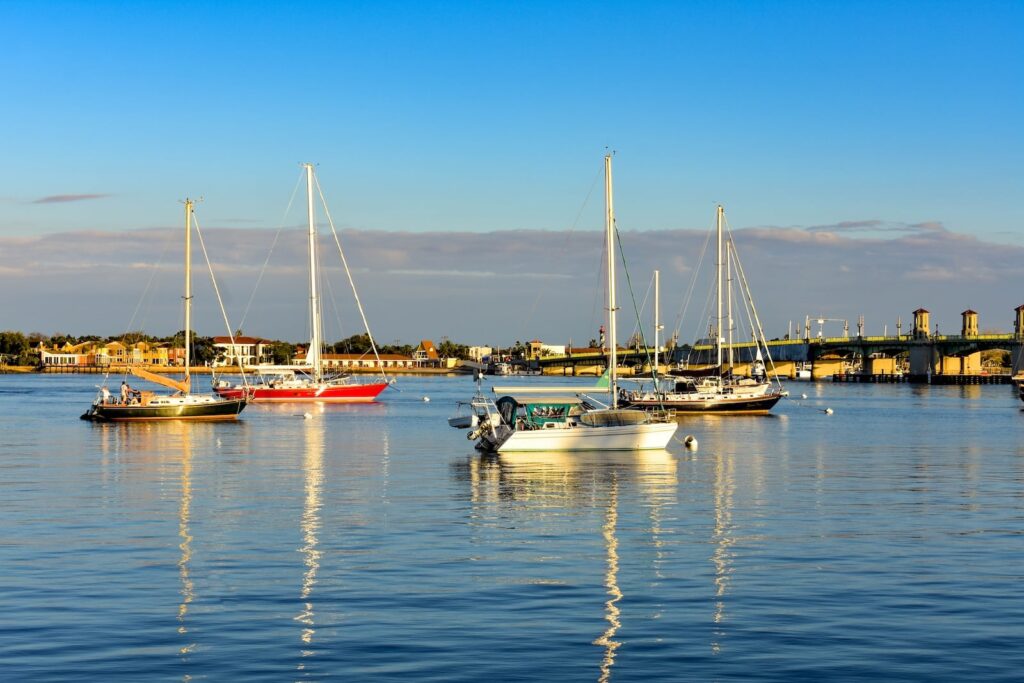
Hit The Water With These St. Augustine Boat Tours
Best St. Augustine Boat Tours to Explore the Coast
St. Augustine is known for its centuries of history, charming architecture, and beautiful waterfront setting, but some of the most memorable views of Florida’s oldest city are found on the water. From dolphin encounters and sunset sails to narrated sightseeing cruises, St. Augustine Boat Tours offer a unique way to experience the city’s historic landmarks and coastal scenery.
A scenic cruise through Matanzas Bay or along the Intracoastal Waterway reveals a different perspective of local attractions, including Castillo de San Marcos, the Bridge of Lions, the St. Augustine Lighthouse, and the city’s picturesque shoreline. Whether you are planning an adventure getaway, a family vacation, or a romantic escape, there are boat tours in St. Augustine designed for every type of traveler.
Several local operators provide distinctive experiences. Florida Water Tours offers wildlife cruises, private charters, educational excursions, and specialty outings such as wine tasting cruises and sunset experiences. St. Augustine Boat Tours features sightseeing adventures through Matanzas Bay, the Intracoastal Waterway, and nearby coastal areas, while Red Boat Tours is a popular choice for family-friendly dolphin cruises and relaxing sunset cruises in St. Augustine.
Nature enthusiasts can explore the region’s coastal ecosystems with St. Augustine ECO Tours or Native Sun Tours, both of which focus on wildlife, conservation, and the natural beauty of Florida’s waterways. For a classic sailing experience, Schooner Freedom Sailing Charter provides memorable excursions aboard a traditional tall ship. Visitors seeking a narrated overview of local history often enjoy the scenic cruise experiences offered by St. Augustine Scenic Cruise.
Stay at a Historic St. Augustine Bed and Breakfast
After a day spent exploring the waterfront and enjoying the vast array of things to do in St. Augustine, returning to a comfortable and centrally located inn completes the experience. Casa de Sueños Bed & Breakfast places guests in the heart of the Historic District, within walking distance of restaurants, attractions, and many departure points for St. Augustine tours.
Guests enjoy thoughtfully appointed accommodations, complimentary homemade breakfasts, and welcoming afternoon refreshments. Select rooms feature private balconies and jetted tubs, creating a relaxing retreat after a day of sightseeing. For travelers looking to experience even more of the city, special vacation packages include popular attractions such as trolley tours, scenic bay cruises, and other local experiences.
Whether you are interested in wildlife encounters, coastal sightseeing, or a sunset cruise in St. Augustine, exploring the city by boat is one of the most rewarding things to do in St. Augustine. Pair your adventure on the water with a stay at the most romantic bed and breakfast in St. Augustine for a memorable coastal getaway.
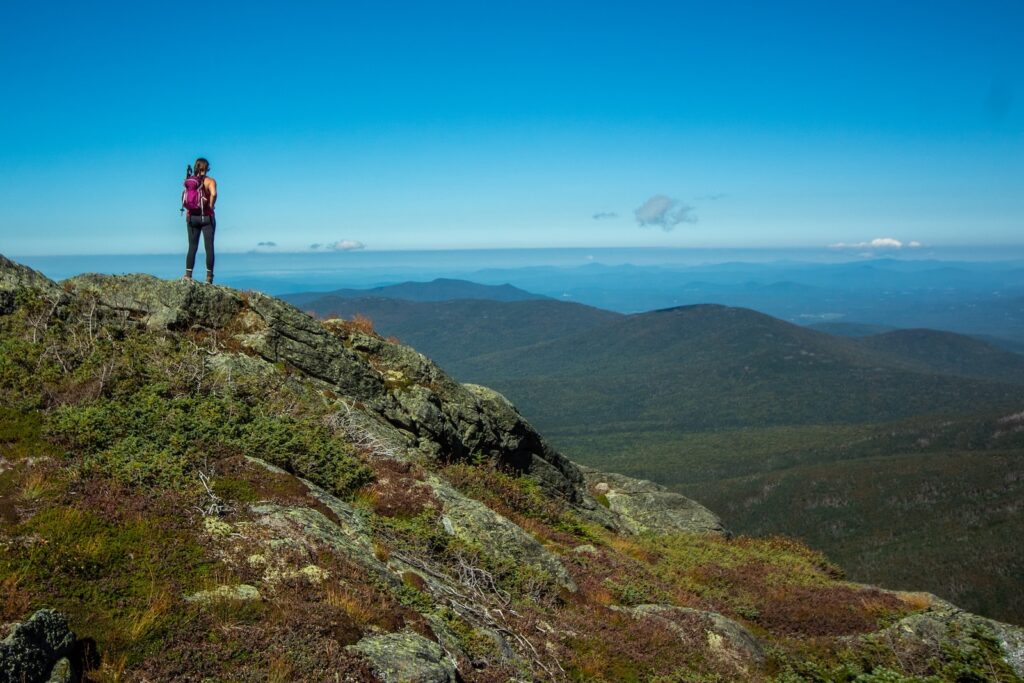
How to Get to the Summit of Mount Washington in New Hampshire
Best Mount Washington Adventure in New Hampshire
The White Mountains of northern New Hampshire offer an engaging mountain escape, where the Presidential Range rises above winding forest roads and expansive alpine terrain. At the center of this landscape is Mount Washington, the tallest peak in the Northeast and one of the most compelling destinations in New England. Known for its sweeping views and rapidly changing weather, Mount Washington New Hampshire provides a dynamic setting for travelers seeking a true adventure experience.
Exploring the region reveals a variety of things to do in the White Mountains. Visitors can walk through the granite walls of the Flume Gorge or spend time in Franconia Notch State Park, where cliffs and lakes define the terrain. The Kancamagus Highway offers a scenic drive through the mountains, with consistent viewpoints that highlight the scale of the surrounding peaks.
Reaching the summit of Mount Washington is a defining part of any visit. The Cog Railway provides a historic and accessible route, climbing from Bretton Woods through forest and into alpine conditions. A Mount Washington hike offers a more demanding option, with routes like the Tuckerman Ravine Trail and Ammonoosuc Ravine Trail showcasing waterfalls, ridgelines, and varied terrain. For flexibility, the Mount Washington Auto Road allows visitors to drive to the summit, with scenic stops along the way and expansive views at the top.
New Hampshire Inns Near Mount Washington
After a full day in the mountains, returning to one of the best New Hampshire Inns near Mount Washington creates a comfortable balance to the adventure. Guests can choose from thoughtfully designed rooms or private cottages, each offering a refined place to unwind. Mornings begin with a full country breakfast, while afternoons invite time in the Tavern with cocktails and small plates.
Evenings bring a more elevated dining experience at the on-site restaurant, where carefully prepared meals reflect the region’s character. The Inn also coordinates experiences such as guided hikes, helicopter tours, and climbing excursions, allowing guests to explore the Presidential Range with ease. For quieter moments, options like massage treatments or couples yoga provide a restorative contrast to the day’s activities.
From summit views to well-appointed accommodations, a Mount Washington adventure combines outdoor exploration with a seamless and comfortable stay, making it one of the most rewarding mountain getaways in New Hampshire.
How to Plan Your Winter Getaway at our Luxury Cabins in Washington
Best Luxury Cabin Getaway for Winter in the Gorge
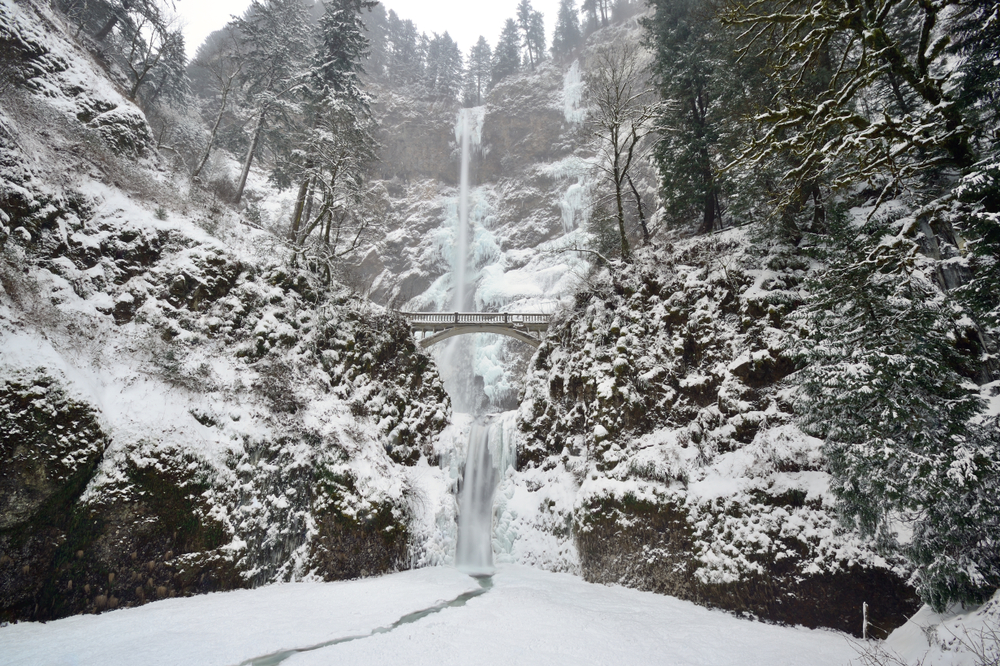
Winter in the Columbia River Gorge is the perfect excuse to slow down and plan a luxury cabin getaway designed for comfort, connection, and adventure. As the season settles in, snow dusts the mountain peaks, the pace of life eases, and the Gorge transforms into one of the most rewarding winter destinations in the Pacific Northwest.
A winter luxury cabin getaway offers the best of both worlds. Outdoor enthusiasts can enjoy skiing and snowboarding on Mount Hood, explore scenic trails with snowshoes, or seek out iconic waterfalls framed by winter light. Many of the things to do in the Columbia River Gorge remain accessible throughout the season, just with a quieter, more intimate feel that makes winter travel even more magical.
After a day spent exploring, returning to a private cabin changes the entire experience. Warm fireplaces, generous soaking tubs, and thoughtfully designed interiors create an inviting place to unwind and truly relax. Winter is when our luxury cabins near Hood River shine, offering an atmosphere that encourages lingering mornings, unhurried evenings, and time well spent together.
A Cozy Retreat Designed for Winter Getaways
Our cabins in the Columbia River Gorge are ideally positioned for winter travelers who want easy access to Mount Hood, Hood River, and the surrounding landscape without sacrificing comfort or a personalized touch. Luxury amenities elevate each stay, while the privacy of a standalone cabin adds a sense of exclusivity that hotels simply cannot match.
Even if you choose to spend a day staying in, the experience feels indulgent. Curl up by the fire, soak away the chill, or enjoy the peaceful setting that winter brings to the Gorge. These moments are what define a true luxury cabin getaway.
Conveniently located within reach of Portland and Seattle, the Columbia River Gorge feels worlds away once you arrive. Winter travel here invites you to disconnect from busy schedules and reconnect with what matters most.
How to See the Dungeness Spit Lighthouse
Earning the View at the Dungeness Spit Lighthouse
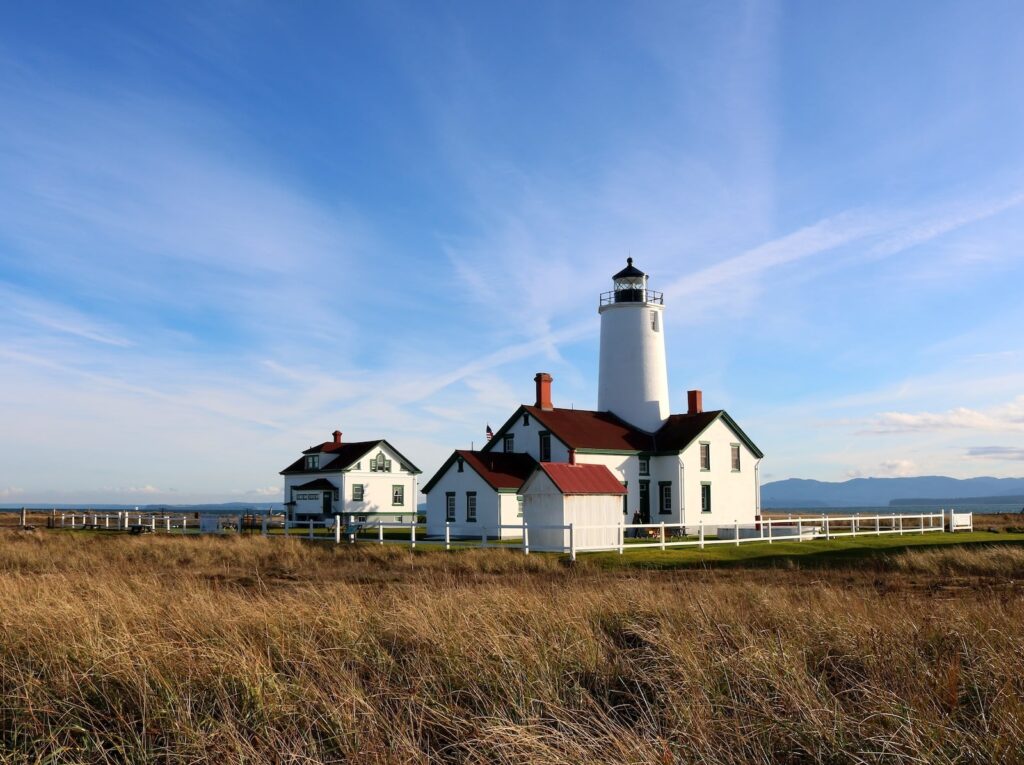
The Dungeness Spit Lighthouse, officially known as the New Dungeness Lighthouse, has marked the entrance to Dungeness Bay since 1857, making it one of the oldest working lighthouses in Washington and one of the few you cannot drive to. To stand at its base, you either hike five miles along the Dungeness Spit Trail, arrive by boat with permission to land, or get lucky and become a volunteer lighthouse keeper for a week. That is exactly what makes visiting the Dungeness Lighthouse feel like an accomplishment instead of a quick photo stop, and the perfect anchor for a coastal getaway. Here is every way to experience it, from the classic Dungeness Spit hike and New Dungeness Lighthouse tours to watching the Dungeness Lighthouse webcam with your morning coffee.
The Dungeness Spit Lighthouse sits within the Dungeness National Wildlife Refuge, where the spit shelters harbor seals, migrating shorebirds, and some of the calmest waters in the Strait of Juan de Fuca. It also puts you within easy reach of other things to do in Sequim. The Olympic Discovery Trail runs through town for cyclists, Hurricane Ridge and Olympic National Park are less than an hour away, and the famous Sequim lavender farms bloom every July. Our guests often plan their Dungeness Spit hike around the Dungeness Spit tides, then spend the next day enjoying fresh Dungeness crab just a few miles from where it was caught.
If you are comparing hotels in Sequim, WA for a Dungeness Spit Lighthouse getaway, location makes all the difference. Juan de Fuca Cottages sit on the water at Dungeness Bay, close enough that you can see the spit stretching toward the lighthouse before you have finished breakfast.
How to See the Dungeness Spit Lighthouse
The classic way to see the Dungeness Spit Lighthouse is to earn it on foot. The Dungeness Spit Trail begins inside the Dungeness National Wildlife Refuge, where a half-mile forest trail leads down to the beach. From there, it is a five-mile walk to the New Dungeness Lighthouse, making the round trip about 11 miles from the parking lot. Timing is everything. Check the Dungeness Spit tides before you go and plan your hike around low tide, when the firm wet sand provides easier footing and more beach to walk on. Allow at least five hours for the round trip, plus time at the lighthouse, and remember there is no shelter until you arrive.
There is a small entry fee per vehicle group of up to four adults. Pets are not allowed on the refuge, and everyone must leave before sunset. At the end of the hike, you will find a small museum, picnic tables, restrooms, drinking water, and free New Dungeness Lighthouse tours offered daily by volunteer keepers. Visitors can also climb the 74-step tower for views of the Strait of Juan de Fuca and Dungeness Bay.
If an 11-mile Dungeness Spit hike is not your idea of vacation, consider arriving by water. Olympic Coast Sailing Charters in Sequim offers seasonal New Dungeness Lighthouse tours aboard the Ingrid Princess, a classic ketch that anchors off the spit, allowing guests to go ashore for a keeper-led tour. Trips typically operate from spring through fall, with schedules determined by tides and weather. Experienced paddlers also kayak to the Dungeness Spit Lighthouse, though regulations are important. Boats may land only at the designated landing area just south of the light station during visiting hours, and advance reservations are required.
For the ultimate experience, become the keeper yourself. The New Dungeness Light Station Association runs a volunteer keeper program in which members spend a full week living at the Dungeness Spit Lighthouse after being transported there with their gear. Membership is required; the keeper’s quarters sleep up to eight people, and children six and older may participate. These coveted weeks often book well in advance, so early planning is essential.
If you would rather admire the lighthouse from afar, there is a webcam for that. A Dungeness Lighthouse webcam is an easy way to check conditions before committing to the hike, and our live Sequim webcam at Juan de Fuca Cottages overlooks Dungeness Bay with views toward the spit.
Looking for Hotels in Sequim, WA? Stay on the Water Instead
After a day exploring the Dungeness Spit Lighthouse, the walk back to your room should be short, and ours is about as close as it gets. Our cottages sit on seven waterfront acres with a private beach on Dungeness Bay, giving you front row views of the same shoreline you spent the day exploring. Most cottages include full kitchens, and The Hideaway features a private hot tub overlooking the bay. Breakfast is an optional add-on, either a quick option for an early tide departure or a chef’s-choice hot breakfast delivered to your door.
As one of the best hotels in Sequim, WA, we have everything you need for a successful lighthouse trip. Check the Dungeness Spit tides on our tides page, watch our live webcam over breakfast to size up conditions, and borrow one of our rental kayaks or paddleboards if you would rather experience the bay from the water.
Book Your Coastal Getaway Today
Celebrating a special occasion? Ask about our romance package with champagne, flowers, and chocolate-covered strawberries waiting in your cottage. Book your stay at Juan de Fuca Cottages, watch the tides, and come experience the Dungeness Spit Lighthouse for yourself.
Frequently Asked Questions
How long is the Dungeness Spit hike?
The Dungeness Spit Trail runs about five miles one way to the New Dungeness Lighthouse, making the full round trip approximately 11 miles from the parking lot.
Where is the Dungeness Spit located?
The Dungeness Spit sits inside the Dungeness National Wildlife Refuge near Sequim, Washington, on the northern Olympic Peninsula.
Where should you stay near the Dungeness Spit?
Juan de Fuca Cottages sits directly on Dungeness Bay, offering some of the closest lodging to the Dungeness Spit Trail and views of the New Dungeness Lighthouse from the property itself.
Can you tour the New Dungeness Lighthouse?
Yes. Free tours are offered daily by volunteer keepers at the end of the Dungeness Spit hike, and visitors can climb the 74-step tower for views of the Strait of Juan de Fuca.

Hyde Memorial State Park: What to Know Before You Go
An Outdoor Getaway Above the City
A short drive up Hyde Park Road from downtown Santa Fe, Hyde Memorial State Park sits tucked into the Sangre de Cristo Mountains along Little Tesuque Creek. One of New Mexico’s earliest state parks, it ranges from about 8,300 to 9,400 feet in elevation, which means cooler air and quieter trails than you’ll find near the Plaza. If you’re planning an outdoor getaway that doesn’t require a long drive out of the city, this is one of the easiest ways to trade downtown for pine forest for an afternoon.
Hyde Memorial State Park Trails and What to Know Before You Visit
Also known as Hyde Park Santa Fe, the park sits at 740 Hyde Park Road and covers 355 acres. Its lodge, visitor center, and several picnic and camping shelters were built by the Civilian Conservation Corps between 1938 and 1942, and the Hyde Memorial State Park Historic District was added to the National Register of Historic Places in 2021.
The main draw is 4.2 miles of hiking trails winding through ponderosa pine, part of the larger Santa Fe National Forest, with several difficulty levels to choose from. The half-mile Piggyback Trail and the 0.31-mile Girl Scout Trail are rated easy, while the western portion of the Circle Trail is considered difficult, climbing about 1,000 feet in one mile. Beyond hiking, you’ll find picnic areas, a playground, and a volleyball court, along with good birding and wildlife viewing throughout the park.
Hyde Memorial State Park Weather and Trip Planning
Hyde Memorial State Park weather runs cooler than the city below because of the elevation, but the bigger factor is how quickly mountain conditions can shift. The official trail guide recommends dressing in layers, carrying plenty of water, and accounting for how altitude itself affects hikers. In winter, snow can open the park to cross-country skiing, sledding, and snowshoeing when conditions and park rules allow, so check current alerts before heading up the mountain.
The park charges a small day-use fee for both New Mexico residents and nonresidents, though residents are exempt from October through April. Cell service is poor to nonexistent once you’re up there, so download maps and directions before you leave downtown.
Your Santa Fe Bed and Breakfast After a Day on the Trails
With so many things to do in Santa Fe, Hyde Memorial State Park should only be part of your visit. Spend the morning on the trails, then head back into town: walk Canyon Road’s galleries, sample local craft beer at Santa Fe Brewing Company, or add a scenic rail ride to your itinerary. Either way, Santa Fe hiking trails are just one piece of the trip.
Afterward, our Santa Fe Bed and Breakfast is close to Hyde Memorial State Park while still putting you near the galleries, restaurants, museums, and historic sites of downtown Santa Fe. We offer six individually decorated guest rooms with Southwestern character, four with private entrances plus two in a historic house, each with its own garden patio to unwind in after a day outdoors. Individually controlled heat and air conditioning and Wi-Fi throughout the property mean you’re comfortable no matter the season. In the morning, a buffet-style breakfast in the dining room or on the patio includes a hot entree, fresh fruit, cereals, yogurt, juice, coffee and tea, and a rotating selection of home-baked goods.
Book your stay and start planning your state park getaway today.
Frequently Asked Questions
Where is Hyde Memorial State Park?
Hyde Memorial State Park sits at 740 Hyde Park Road, a short drive up Hyde Park Road from downtown Santa Fe, in the Sangre de Cristo Mountains along Little Tesuque Creek.
How long are the trails at Hyde Memorial State Park?
The park has 4.2 miles of hiking trails, ranging from the easy half-mile Piggyback Trail to the more difficult western section of the Circle Trail, which gains about 1,000 feet in one mile.
Is there a fee to visit Hyde Memorial State Park?
Yes, there’s a small day-use fee for both residents and nonresidents, though New Mexico residents are exempt from October through April.
Can you go camping at Hyde Memorial State Park?
Yes, the park offers camping alongside its picnic and hiking areas. Check current site availability and conditions directly with the park before your visit.