Seasonal Guides
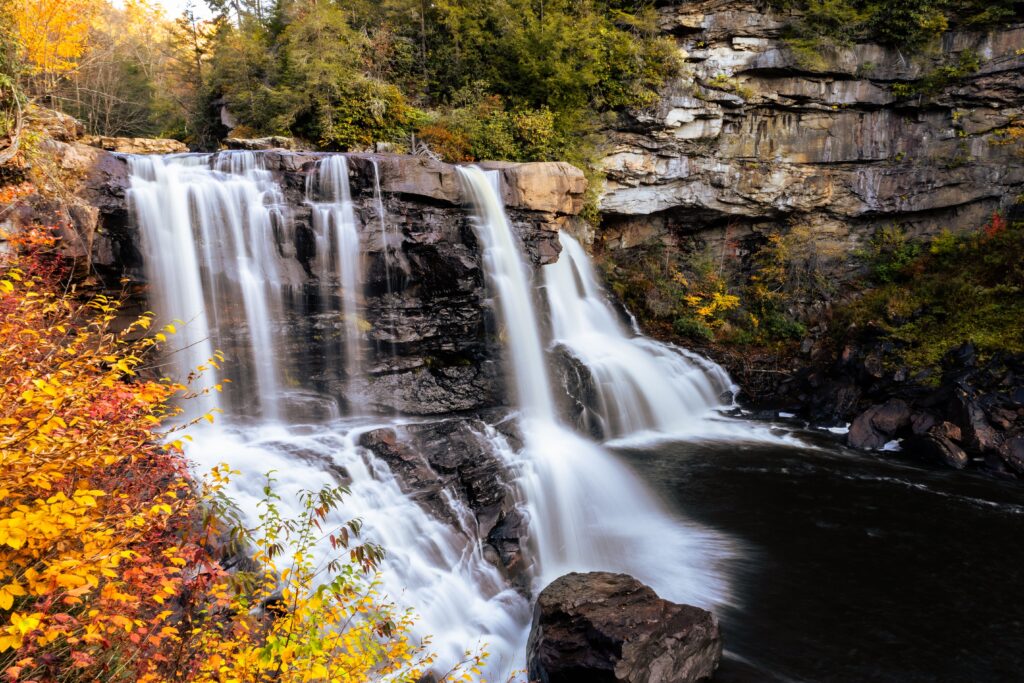
Elakala Falls
Blackwater Falls Fall Foliage: When to Go and What to See
Blackwater Falls fall foliage is one of the best reasons to plan a fall getaway to the Alleghenies. The park sits at more than 3,000 feet in Tucker County, West Virginia, so its hardwoods turn color two to three weeks ahead of the lower elevations across Maryland and Virginia. That head start is exactly why Blackwater Falls fall foliage pulls visitors from across the region every October, all chasing the same view: red maples, yellow birch, and golden oaks framing the park’s 57-foot waterfall.
One of the best fall getaways is to add a stay on Deep Creek Lake. This allows you to spend one day on the Maryland side of the lake exploring Swallow Creek Falls and the best things to do on Deep Creek Lake. Then, spend the other day across the state line at the Blackwater Falls, giving ample time to enjoy both locations without rushing.
When Is Peak Blackwater Falls Fall Foliage?
Plan for the first two to three weeks of October. Because of its elevation, Blackwater Falls state park fall foliage typically peaks earlier than most of West Virginia and the wider mid-Atlantic. While lower elevations are just starting to turn, the park’s red spruce, hemlock, and hardwood mix is often already past its brightest color by late October.
The first weekend of October is usually the safest bet for peak color, and by the third week the canopy is thinning and browning. Weather shifts the timeline slightly each year, so checking a current fall foliage tracker before you go is worth the extra step. If you can only commit to one week without checking anything else, the first full week of October gives you the best odds.
Best Trails and Overlooks for Fall Color
You do not need serious mileage to see great autumn color here. The Blackwater Falls Boardwalk leads straight down to the base of the main falls, where amber, tannin-stained water set against orange and red foliage makes for the view everyone comes to photograph. It is paved and manageable for most fitness levels, though the stairs back up will get your heart rate going.
For the wider canyon view, the overlook above Blackwater Canyon is a short but moderately challenging walk from the parking area, opening onto tree line after tree line of color stretching toward the horizon.
Elakala Falls deserves its own stop. It is actually a series of four waterfalls along Shays Run as the creek drops into the canyon, and the first cascade, roughly 35 feet, is an easy walk from the trailhead near the lodge. The other three require more scrambling and are not necessary if you are short on time, but that first fall alone is worth the detour. Wear hiking boots, since the boardwalk gets slick with wet leaves in October.
More to See Near the Park
If you are already making the drive from Deep Creek Lake, build in time for Davis, West Virginia, just two miles from the park entrance, with breweries, coffee shops, and outdoor gear shops lining its short main street. For a longer day, Canaan Valley fall foliage offers a different vantage point on the same season, with open meadows in place of dense canyon forest.
Your Deep Creek Lake Bed and Breakfast Home Base
If you are building a trip around Blackwater Falls fall foliage, you need a home base that makes the drive worthwhile on both ends. Lake Pointe Inn sits directly on the shore of Deep Creek Lake in McHenry, Maryland, about an hour from the park entrance, close enough for an easy day trip.
This Deep Creek Lake Bed and Breakfast offers twelve guest rooms in an Arts and Crafts-style mansion, a gourmet breakfast each morning, and lake views from the wrap-around porch. Guests can take out kayaks and canoes or relax by the outdoor fire pit as the evening cools down.
Frequently Asked Questions
Where is Blackwater Falls in West Virginia?
Blackwater Falls State Park is in Tucker County, West Virginia, near the town of Davis, about an hour and a half from Deep Creek Lake, Maryland.
When is peak fall foliage in West Virginia?
Higher elevations like Blackwater Falls typically peak in the first two to three weeks of October, ahead of lower-elevation areas across the state.
What is the best time to see fall foliage in West Virginia?
The first full week of October is generally the most reliable window for catching color at its brightest at higher elevations, though a foliage tracker can confirm year to year conditions.
Is Blackwater Falls open in the fall?
Yes, the park is open year round, and fall is one of its busiest and most popular seasons.
Fall weekends at Deep Creek Lake and Blackwater Falls fill quickly once the leaves start turning. If you are planning a Blackwater Falls fall foliage trip, check availability and book your stay at Lake Pointe Inn today.
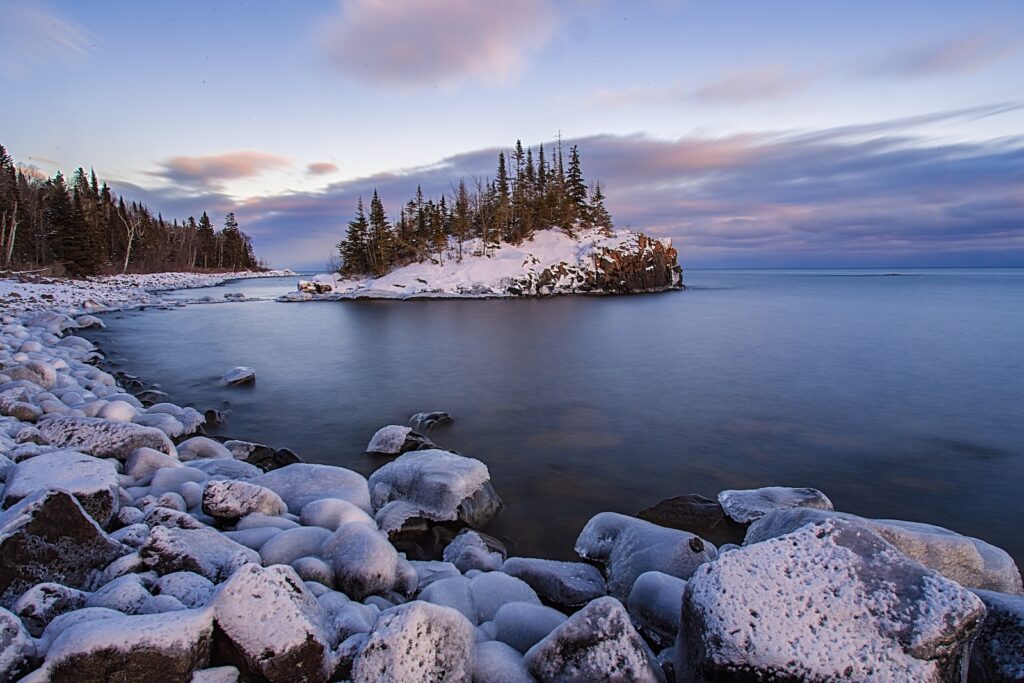
Enjoy the Best of Winter in Minnesota
Best of Winter in Minnesota For Weekend Getaways
Winter in Minnesota transforms the Midwest into a destination defined by energy, beauty, and unforgettable seasonal experiences. Snow-covered landscapes, frozen lakes, and lively towns create the perfect backdrop for a weekend escape filled with outdoor adventure and cozy downtime. If you are looking for things to do in Minnesota in the winter, this season delivers far more than you might expect.
Minnesota winter activities span the entire state, making it easy to build a weekend itinerary no matter where you stay. Cross-country skiing is a favorite pastime, thanks to an extensive network of trails in state parks and urban green spaces alike. Snowshoeing offers a quieter way to explore forests and river valleys, while downhill skiing at popular resorts near Duluth and southern Minnesota adds a rush of excitement. Ice fishing, snowmobiling, and even dog sledding give visitors a chance to embrace classic Midwest winter traditions.
Beyond the outdoors, winter in Minnesota also shines through its cultural offerings. Museums, historic neighborhoods, local dining scenes, and seasonal events provide plenty of indoor options when you want a break from the cold. Whether you are exploring places to see in Minnesota, like Duluth’s waterfront, or strolling through charming river towns, winter adds a fresh perspective to familiar destinations.
Warm Up at Minnesota Bed and Breakfasts
After full days of winter activities in Minnesota, having the right place to stay makes all the difference. Minnesota bed and breakfasts offer inviting spaces where comfort meets character. Many feature fireplaces, whirlpool tubs, and thoughtful amenities designed for winter weekend getaways. Located throughout the state, these inns place you close to top attractions while providing a welcoming place to unwind each evening.
Winter weekends in Minnesota balance adventure with relaxation in a way few destinations can match. From active days outdoors to quiet nights spent recharging, this season invites you to slow down and enjoy the Midwest at its most memorable. Start planning your winter weekend and experience the best of winter in Minnesota firsthand.
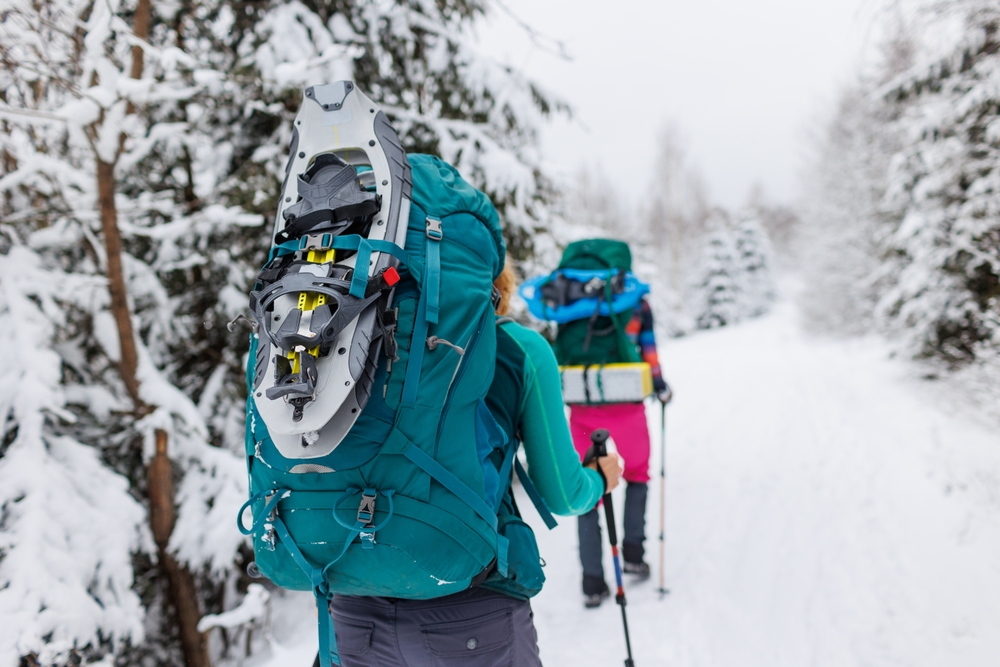
Explore Savage River State Park in Maryland this Winter
Snowshoeing in Savage River State Forest
Winter in Maryland brings crisp mountain air, snowy trails, and inviting ways to slow down for a few days. Savage River State Forest is one of the best places to experience the season thanks to its vast network of trails and scenic outdoor spaces. There are so many fantastic things to do in Deep Creek Lake, including snowshoeing, cross-country skiing, and time spent in the fresh snow.
Snowshoeing remains one of the most popular winter activities in Maryland because it is easy to learn and offers a peaceful way to move through the trees. At Savage River State Forest, routes like Monroe Run and parts of Big Savage Mountain offer open views, evergreens, and terrain ranging from gentle to more gradual climbs. When snowfall picks up, the forest turns into a clean white landscape perfect for long days outside.
Cross-country skiing is another top choice. Nearly nine miles of marked ski trails sit off I-68 at Exit 29 near the Savage River Lodge. Snowshoeing is welcome on these trails as long as visitors stay to the sides of the groomed tracks. With free access and straightforward navigation, these routes appeal to both beginners and seasoned winter hikers.
Snowmobiling draws visitors as well, especially after six inches or more of snowfall. With a required ten-dollar DNR ORV Sticker, riders can explore three main areas, including the Meadow Mountain Trail, Margraff Plantation Roads loop, and Bowman Hill North Trails.
Stay at one of the Best Deep Creek Lake Hotels
Lake Pointe Inn is one of the best Deep Creek Lake Hotels. Its location offers easy access to the forest and Wisp Resort, which adds skiing, snowboarding, tubing, and a year-round mountain coaster to your list of the best things to do in Maryland this winter. After a day outside, warming up by the fire or enjoying quiet moments in your comfortable suite makes the getaway even more memorable. A winter trip to Savage River State Forest offers both the thrill of outdoor recreation and the comfort of mountain lodging, creating a balanced and refreshing escape.
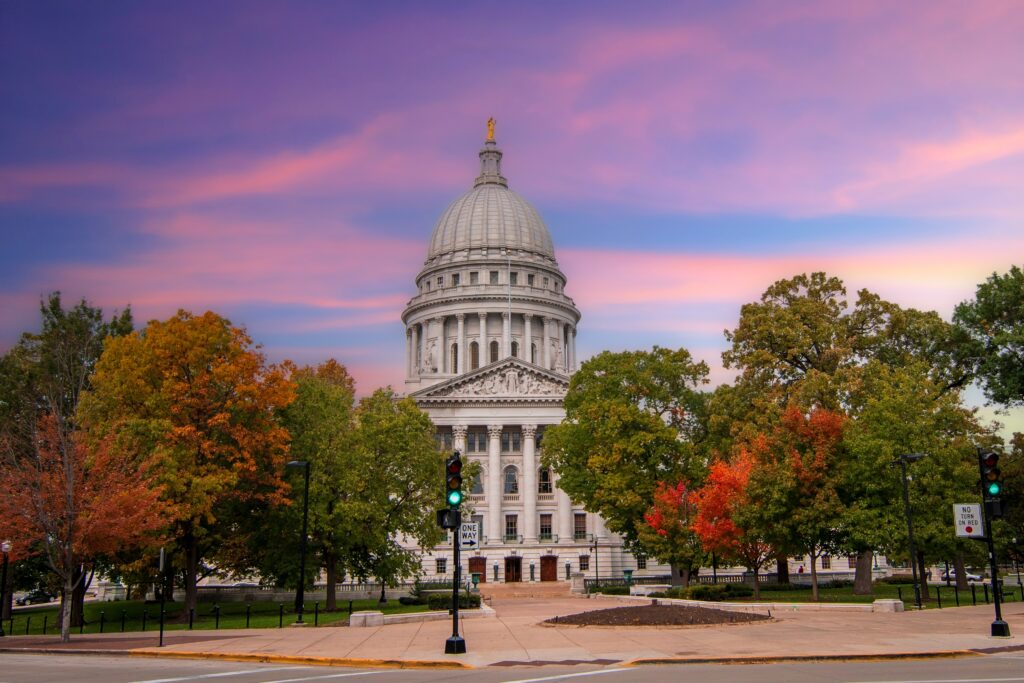
Explore the Best of Madison, WI, in the Fall
The Favorite Fall Things to Do in Madison, WI
Fall in Madison is spectacular. The temperatures drop to a comfortable 50s and 60s, the trees around the lakes turn brilliant shades of red and gold, and the city fills with visitors ready to explore harvest festivals, football games, and seasonal attractions. If you’re planning fall things to do in Madison, Wisconsin, this guide covers the best experiences—and where to stay in Madison to make the most of your visit.
Chase Fall Foliage Across Madison’s Parks
Madison’s position between lakes makes it ideal for seeing fall foliage up close. The UW Arboretum, just minutes from downtown, transforms into a gallery of autumn colors by mid-October. The 1,260-acre space includes walking and biking trails that loop through oak forests, wetlands, and open meadows. Peak color typically arrives in mid to late October, though consulting a fall foliage map before your trip helps you time it right.
The Capital City State Trail and Lakeshore Path offer equally stunning views on foot or by bike. Madison ranks among the Midwest’s most bike-friendly cities, and fall’s cooler weather makes extended rides feel effortless. Many guests find that cycling through changing leaves beats any museum visit for capturing the season.
Harvest Events and Local Farms
The Dane County Farmers Market wraps Capitol Square well into October, bursting with squash, apples, and root vegetables. It’s worth a Saturday morning visit just for the atmosphere—locals browsing, live music drifting across the plaza, and nearby shops and restaurants worth exploring while you’re there.
Just outside the city, Schuster’s Farm offers classic fall activities: pumpkin picking, corn mazes, and hayrides. If you prefer apples, Eplegaarden Orchards is nearby, with rows of trees to wander among and fresh cider to take home. Both make excellent half-day trips that require little planning and deliver genuine fall memories.
Cheer on the Badgers at Camp Randall
Fall means football. UW Madison home games draw crowds that transform downtown into a sea of red. Homecoming week amplifies the energy with a parade, bonfire, and a stadium full of tradition. If you’re timing your fall things to do in Madison around a game weekend, book accommodations early—rooms fill fast during October home games.
Explore Madison’s Year-Round Landmarks
Olbrich Botanical Gardens shifts into fall mode as outdoor perennial beds transition to cool-season blooms and the Bolz Conservatory keeps tropical plants and orchids thriving inside. The Royal Thai Pavilion and stone pathways perfectly frame a backdrop of changing leaves.
State Street deserves an afternoon stroll any time of year, but fall’s clarity makes it a particularly pleasant walk. You’ll find locally owned shops, restaurants serving cuisines from around the world, live performance venues at the Overture Center, and the stunning Wisconsin State Capitol building always striking when framed by fall color.
Where to Stay in Madison This Fall
After a day exploring foliage trails, orchards, or cheering the Badgers, returning to a quiet, thoughtfully appointed space completes the trip. The Buckingham Inn is a three-room boutique Bed and Breakfast in Madison that specializes in fall getaways. The innkeepers are lifelong locals and devoted Badger fans—they know which trails have the best color this week, which farmers market stand has the season’s best apples, and which restaurants are worth the wait on game day.
This B&B has a homemade breakfast available each morning and warm common spaces perfect for reading, planning tomorrow’s adventures, or simply sitting with coffee before heading back out. Fall books up quickly around foliage peak and football weekends, so don’t delay.
Frequently Asked Questions
When is the best time to see fall colors in Madison?
Peak foliage in Madison typically arrives in mid to late October, though the exact timing shifts by a week or two depending on weather. Checking a foliage tracker closer to your travel dates helps you time your visit perfectly.
What is there to do in Madison for football fans?
UW Madison hosts Badgers football at Camp Randall throughout fall, with homecoming drawing the largest crowds. Downtown becomes packed on game days, so book accommodations early if you’re planning around a specific Saturday.
Where can I pick apples and pumpkins near Madison?
Eplegaarden offers apple picking with fresh cider, while Schuster’s Farm provides pumpkin patches, corn mazes, and hayrides. Both are short drives from downtown Madison.
Is Madison bike-friendly in the fall?
Yes. Madison is one of the most bike-friendly cities in the Midwest, with dedicated trails like the Capital City State Trail and Lakeshore Path offering scenic routes through changing foliage and manageable terrain.
What are Madison’s best fall attractions besides nature?
The Dane County Farmers Market runs through October, Olbrich Botanical Gardens features both outdoor and conservatory displays, and State Street offers shopping, dining, and cultural venues like the Overture Center.
Explore the Best Things to Do in Friday Harbor this Fall
Things to Do in Friday Harbor for a Fall Getaway
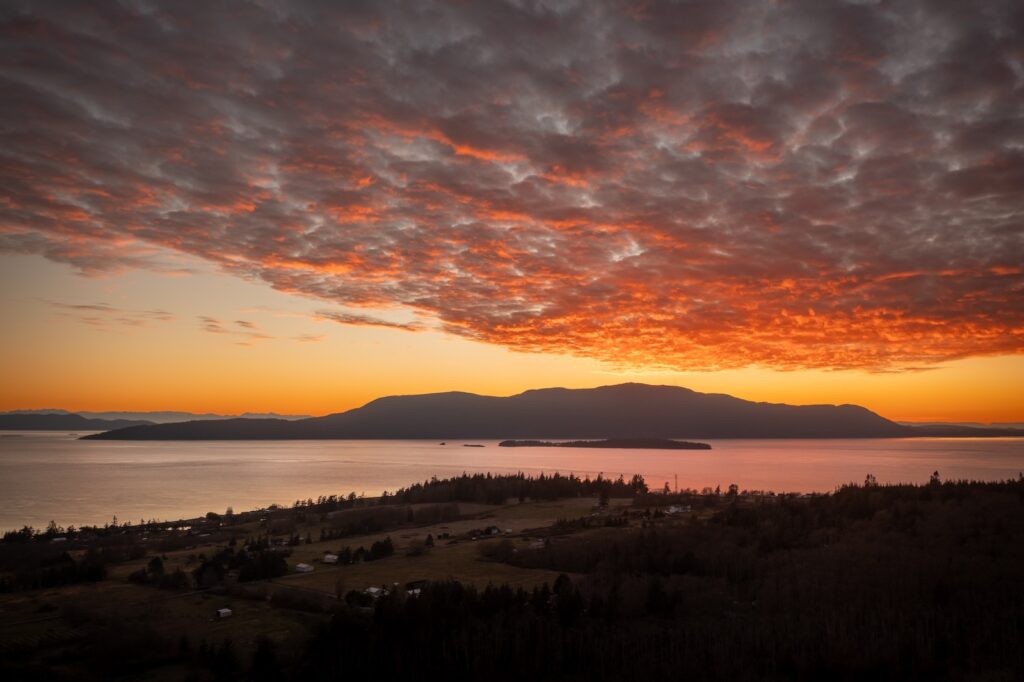
Fall may be the best-kept secret on San Juan Island. If you are weighing whether September or October is worth the trip, it’s truly one of the best times to plan a visit. Here is what to do once you land in Friday Harbor, Washington, and where to base your stay.
Whale watching tops most lists of things to do in Friday Harbor, and fall is arguably the best season for it. Boat traffic drops off after Labor Day, the water sits calmer, and both Southern Resident orcas and transient pods remain active in the surrounding waters. Smaller operator boats run this time of year too, which often means closer, quieter encounters than you would get in July or August.
For a single hike that captures fall on the island, head to Afterglow Vista, also known as the McMillin Memorial Mausoleum. The trail is short, the light through the trees is striking in October, and the cooler air makes it one of the more comfortable hikes on San Juan Island to tackle at a real pace. Bring a camera. The color this time of year does not last.
Fall migration pulls a real mix of species through the island, and birders travel from well outside the region just for this window. Lime Kiln State Park and the San Juan Island National Historical Park are two of the better spots to post up with binoculars for a morning. You do not need any expertise to enjoy it, just patience and decent light.
Farm dinners, cider tastings, and small vineyard visits are a genuine part of fall here. San Juan Island supports a strong local farm and wine scene, and Madrone Cellars in Friday Harbor is a favorite recommendation for guests looking to spend an afternoon tasting what the island grows. Check the current season’s event calendar for farm tours and food festivals, since the lineup shifts year to year.
Shops, galleries, and cafes sit a short walk from the ferry terminal. Grab a coffee, browse a bookstore, sit somewhere with a water view. If your trip lines up with it, the Friday Harbor Film Festival brings a documentary-focused lineup to a handful of walkable downtown venues, a solid reason on its own to plan a fall visit.
Stay at a Friday Harbor Bed and Breakfast
With this much to do on San Juan Island, you want a place to stay that puts you in the middle of it. This Friday Harbor Bed and Breakfast sits a short walk from the San Juan Island Ferry Terminal and from everything listed above. Rooms, suites, and cottages suit different kinds of travelers, including pet-friendly options for guests bringing their dog along. Mornings start with a gourmet breakfast built around local, seasonal ingredients, and the concierge team can help arrange whale watching tours, dinner reservations, and transportation for the rest of your stay. It is one of the better bases for a San Juan Island vacation, fall or otherwise.
Frequently Asked Questions
What is there to do on San Juan Island in the fall?
Fall adds farm dinners, cider tastings, and the Friday Harbor Film Festival to the usual lineup of hiking, birding, and whale watching, all with quieter ferries and easier restaurant reservations.
How do you get to Friday Harbor?
Washington State Ferries run from Anacortes to Friday Harbor, and it is the most common way visitors reach San Juan Island. Some travelers also arrive by seaplane or private boat.
How long is the ferry ride from Anacortes to Friday Harbor?
The ferry crossing typically runs a little over an hour, depending on whether it stops at other islands in the San Juan chain along the way.
Where should I stay in the San Juan Islands?
Friday Harbor is the most walkable base, putting you close to the ferry terminal, restaurants, and tour operators. Tucker House Inn and Harrison House Suites sit within that walk, making logistics simple for a short trip.
When is the best time for whale watching in the San Juan Islands?
Late summer through fall tends to offer the best combination of active orca pods and calmer water, which often means a better view from smaller tour boats.
Explore the Stunning Fall Colors in Pennsylvania
Fall Foliage in Pennsylvania: Where to See It Best
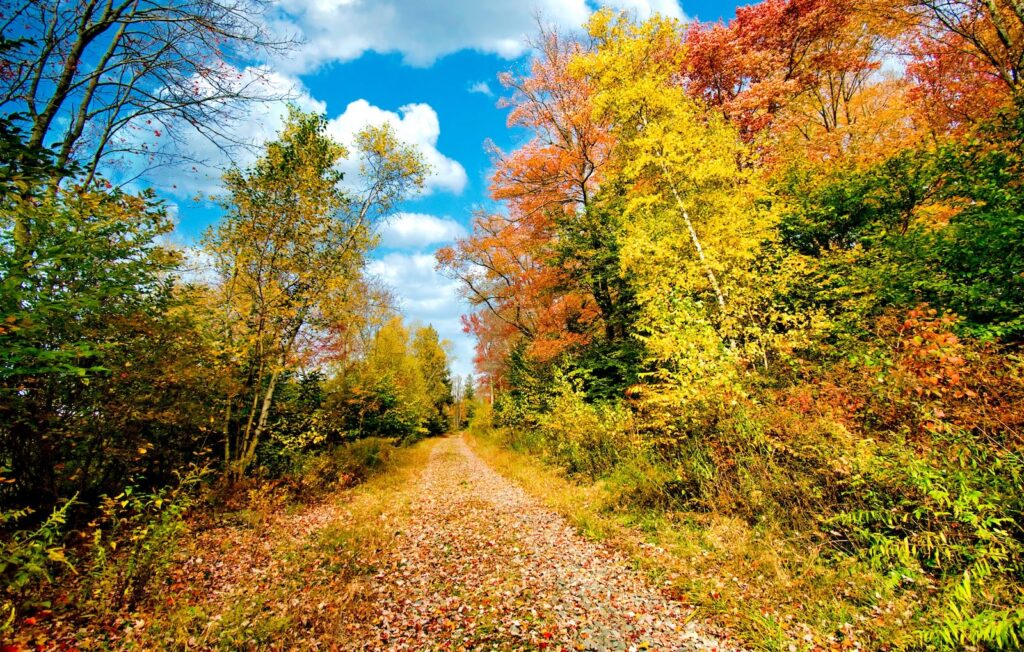
The fall foliage in Pennsylvania starts to turn first in the Northern reaches of the state and moves South. The central area of the state usually hits its peak about one to two weeks behind the state’s northern tier. That timing lines up almost perfectly with Penn State’s home football schedule and a full run of harvest festivals, which makes central Pennsylvania one of the more rewarding stops for a fall trip. Not to mention there are just so many fantastic things to do in State College, year-round.
When and Where Fall Colors Peak in Central PA
The far north of the state, near the New York border, typically turns first, usually by late September. In central PA, color builds through early October and tends to peak near the middle of the month, though exact timing shifts year to year with temperature and rainfall. If you want to time a trip precisely, the Pennsylvania fall foliage map from the state’s tourism office tracks color progression county by county and is worth checking a week or two before you travel. If you would rather plan around a fixed date than watch a live map, the third weekend of October is the safest bet for peak color in this part of the state most years.
Best Spots to See Fall Colors Near State College
Mount Nittany remains the classic choice. The main overlook trail runs two to three hours round trip, and the view across the valley during peak color is the kind of scene most fall trips to this region are built around. Parking fills early on weekends once the leaves turn, so plan to arrive before mid-morning.
Rothrock State Forest covers a wide stretch of ridge and valley just south of town and offers a quieter alternative with more trail mileage. Several overlooks along its ridgelines give sweeping views without the crowds that build up at Mount Nittany.
Black Moshannon State Park sits about thirty minutes out and is one of the more underrated fall stops in the region. Its wetlands, framed by hardwood forest, make for a striking scene once color peaks. Closer to Boalsburg, the Alan Seeger Natural Area protects a grove of old-growth hemlock and hardwood left largely untouched for over a century. The loop runs closer to thirty minutes, shorter than the others on this list, but the scale of the trees against fall color makes it worth the stop.
Fall Festivals and Scenic Drives Worth Planning Around
Harvest festivals, cider events, and small town celebrations run through Centre County all autumn, and local farmers markets shift toward pumpkins, squash, and other fall produce. Boalsburg, one of the oldest towns in Pennsylvania, holds several of its own fall events and makes a good stop even outside a festival weekend. The Arboretum at Penn State hosts an annual pumpkin festival with hundreds of carved jack o’lanterns lit after dark.
For a lower effort option, a drive along Route 26 through the ridge country south of town, or the winding roads through Bald Eagle Valley, puts you in the middle of the color without a hike required. A longer loop out toward Raymond B. Winter State Park and back through Boalsburg makes for a full afternoon of scenic driving with several good stops along the way.
Where to Stay for a Fall Weekend near State College
Fall is the busiest season in State College, between foliage, football, and festivals, which makes booking one of the best boutique hotels in Boalsburg, PA early a good idea. The Apple Pony Inn sits about four miles from Penn State on a 17-acre working farm, close enough for an easy drive to any trail on this list but far enough out to start and end each day away from downtown traffic. This property is lined with trees that turn their own shade of color each Autumn, and a farm-to-table breakfast each morning is a good way to fuel up before a hike.
Frequently Asked Questions
When is peak fall foliage in Pennsylvania?
Peak timing varies by region. The northern tier usually peaks by late September, while central Pennsylvania, including the Happy Valley area, typically peaks in the second to third week of October.
Where is the best fall foliage in Pennsylvania near State College?
Mount Nittany and Rothrock State Forest are the two most reliable spots near State College, with Black Moshannon State Park and the Alan Seeger Natural Area as strong options within a thirty-minute drive.
How long does it take to hike Mount Nittany?
The main overlook loop takes most hikers two to three hours round trip.
Is there a fall foliage map for Pennsylvania?
Yes. The state’s tourism office publishes a fall foliage map that tracks color progression county by county and is updated through the season.
Explore these Fall Adventures in Hocking Hills
Favorite Hocking Hills Adventures for Fall
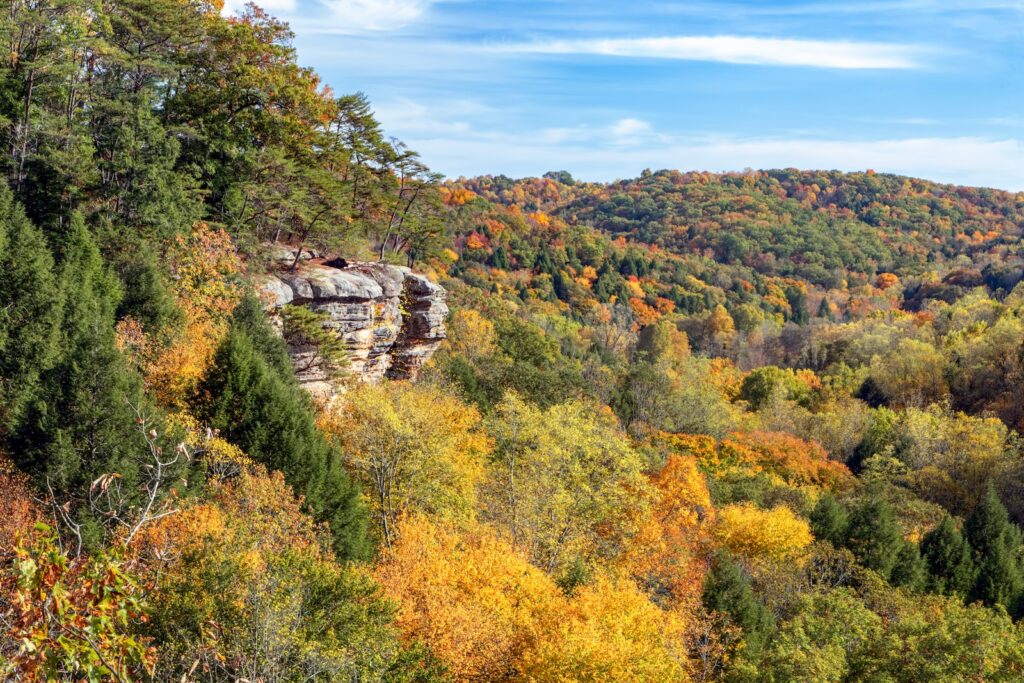
Fall changes everything about Hocking Hills adventures. The sandstone cliffs, deep gorges, and waterfalls that define this corner of southeastern Ohio are striking year-round, but crisp air and turning leaves push the whole landscape into another category. If your idea of a good getaway includes ziplining through a golden canopy, rappelling a cliff face, paddling the Hocking River, or hiking into a rugged gorge, autumn is the season to do it.
There’s plenty to do in Hocking Hills for visitors who prefer a scenic drive or an easy walk, but the region also has a bolder side. Many of the best Hocking Hills adventures put you high above the forest floor, down a cliff face, out on the water, or deep inside landscapes shaped by thousands of years of erosion, and a lot of them sit just minutes from one of the best places to stay in Hocking Hills.
Building a Fall Adventure Itinerary in Hocking Hills
Hocking Hills Canopy Tours in Rockbridge, about ten minutes from Glenlaurel, is the region’s go-to for ziplining. Autumn adds an extra layer to the experience: instead of looking up at changing leaves, you fly straight through the canopy. The Original Canopy Tour runs two and a half to three hours across a network of ziplines and skybridges above cliffs, a cave, and the Hocking River, and it operates daily through October and into November.
The same outfitter also runs guided off-road Segway tours and the Rockbridge Encounter, an open-air nature drive built around Ohio’s largest natural rock bridge, a formation roughly 100 feet long. Horseback riding is another option nearby, with guided trail rides through Zaleski State Forest.
Not every adventure here happens in the air. The area’s sandstone cliffs make rock climbing and rappelling one of the most rewarding ways to experience the geology up close. High Rock Adventures offers guided climbing and rappelling, and its Zip and Climb package pairs with Hocking Hills Canopy Tours for a combined day. Depending on the route, climbers either scale natural sandstone or rappel from cliffs between 35 and 100 feet high. Earth Water Rock Outdoor Adventures and Hocking Hills Adventure Trek are two more solid options for guided climbing and rappelling in Hocking State Forest, and either is worth a look for anyone wondering what to do in Hocking Hills beyond the standard overlooks.
Hiking remains the anchor of any fall trip. Hocking Hills State Park holds some of Ohio’s most recognizable landscapes: Old Man’s Cave, Ash Cave, Cedar Falls, Conkle’s Hollow, Rock House, and Cantwell Cliffs, all within about ten miles of Glenlaurel. Each spot offers its own mix of cliffs, caves, waterfalls, and forest, so a full weekend can easily be built around exploring several of them. Start early, wear sturdy shoes, and build in extra time for photos. Fall weekends draw crowds, so an early arrival pays off.
For a different pace, the Hockhocking Adena Bikeway offers a paved route through southeastern Ohio’s woodland scenery, a strong pick for travelers who want to cover more ground than a single trail allows. The Hocking River rounds things out with kayaking and canoeing, including sunrise, sunset, and specialty guided paddles from local outfitters. Water levels and outfitter schedules shift as the season progresses, so it’s worth checking current conditions before booking a late-fall paddle.
Plan Your Ohio Weekend Getaway
After a day spent chasing waterfalls, cliffs, and ziplines, this collection of cabins in Hocking Hills offers a different kind of evening. Instead of an ordinary hotel room, you return to a private cottage or upscale guest room on a wooded Scottish estate. Walk the private Camusfearna Gorge trails, play a round on the on-site Scottish Links golf course, or settle in at the Old Course Pub or Thistle and Stone, the fine-dining restaurant, for a multi-course meal to close out the day. Fall in Ohio doesn’t offer a better reason to get outside and try something new than to come back to a retreat built for rest.
This adults-only estate covers 140 private acres and includes its own hiking trails through Camusfearna Gorge, complete with waterfalls and quiet overlooks. It’s a place to feel genuinely away from it all while staying close enough to reach the region’s biggest draws in minutes. If you’re planning an easy trip from Columbus or Cincinnati this fall, you’ll find romantic cottages tucked along forested paths, private hot tubs, and a Scottish country estate built for slowing down after an active day outside.
Explore these Madison Lakes this Summer in Wisconsin
Best Madison Lakes Near Downtown for Summer Fun
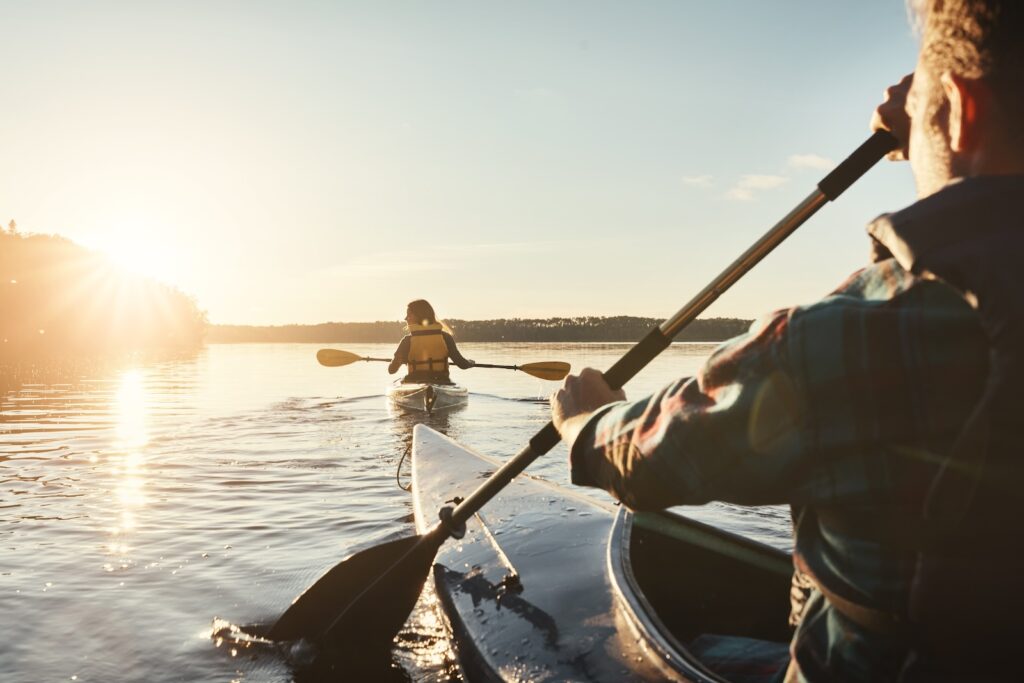
Exploring Madison Lakes during the summer is one of the most engaging ways to experience the city. Surrounded by water, Madison offers immediate access to lake activities that range from relaxed cruising to full-day boating adventures. Whether you are searching for things to do in Madison, WI, or planning a seasonal escape, time spent on the lakes adds both variety and energy to your itinerary.
Lake Mendota and Lake Monona are the most prominent lakes in Madison, WI, both located within minutes of downtown. Lake Mendota, the largest of the Madison Lakes, provides expansive water for sailing, fishing, and high-speed boating. Its shoreline stretches past parks, residential areas, and the University of Wisconsin campus, offering changing views throughout the day. Launch points such as Marshall Park and Tenney Park make access straightforward, and boat rental services in Madison, WI, allow visitors to get on the water without bringing their own equipment.
Pontoon boating is a popular way to spend a summer afternoon on Lake Mendota. The lake’s size and steady conditions support extended cruising, whether you anchor near Picnic Point or move along the shoreline. Fishing is another key draw, with opportunities to catch walleye, northern pike, and smallmouth bass, especially in the early morning hours.
Lake Monona, located just south of downtown, offers a more central and active atmosphere. With direct views of the Madison skyline and the Wisconsin State Capitol, it is one of the most visually distinctive lakes in the area. Law Park and Olin Park provide easy entry points, while a mix of motorboats, kayaks, and paddleboards keeps the lake active throughout the day. Unique experiences such as group boating excursions and lakeside cycling routes add to the variety of things to do in Madison, WI.
Wisconsin Bed and Breakfast in Downtown Madison
Staying at a Wisconsin Bed and Breakfast enhances your summer visit by pairing lake access with a comfortable retreat. Located in a historic neighborhood close to both Lake Mendota and Lake Monona, this style of lodging makes it easy to transition between outdoor activities and relaxation. After a day of boating or exploring lakefront parks, enjoying dinner at one of the best restaurants in Madison, and returning to a well-appointed guest room provides a welcome reset. With a limited number of rooms, guests can expect a quieter environment, along with thoughtful amenities and hospitality.
Explore these Oregon Beaches this Summer on the Coast
The Best Oregon Beaches for Summer Adventure
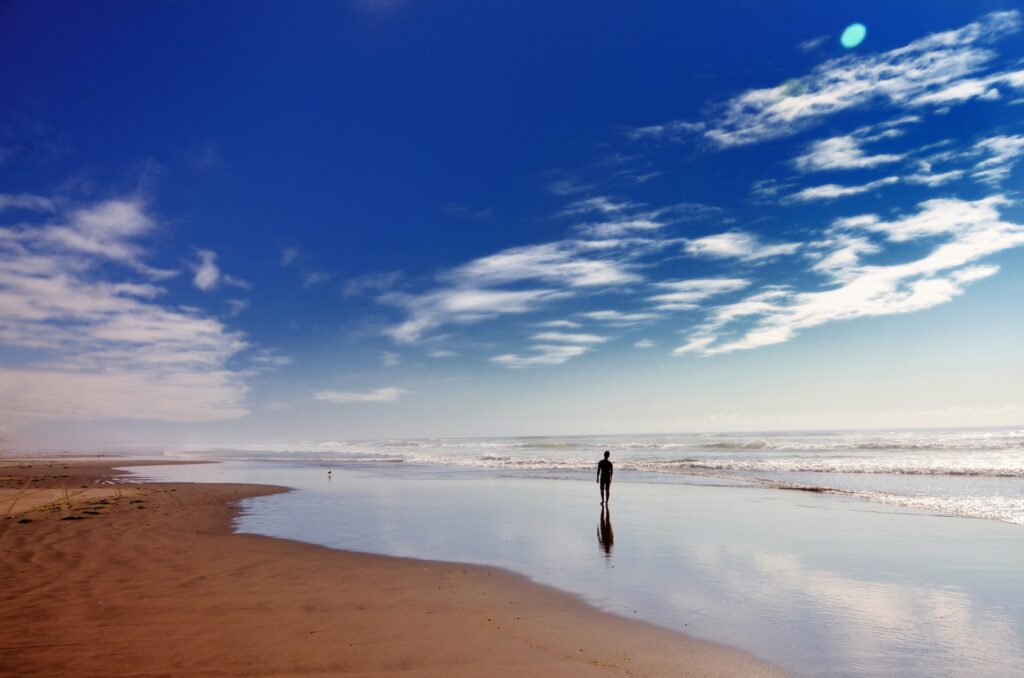
Oregon beaches offer one of the most distinctive coastal experiences in the country, especially in the summer, with long, sunny days and perfect temperatures. Along the Southern Oregon Coast, wide stretches of sand, dramatic sea stacks, and open shoreline create the ideal setting for a beach-focused adventure. For travelers seeking memorable things to do on the Oregon Coast, this region provides both scenic beauty and easy access to a variety of outdoor experiences.
Bandon stands out among Oregon Coast beaches as a central hub for exploring the area. Known for its striking rock formations and expansive shoreline, the town offers access to some of Oregon’s best beaches. Face Rock State Scenic Viewpoint offers a well-known vantage point where sea stacks rise just offshore, while nearby Bandon Beach invites long walks, photography, and tidepool exploration. At low tide, visitors can observe marine life such as sea stars and anemones among the rocks.
Outdoor activities extend beyond the sand. Visitors often enjoy beachcombing for shells and agates, cycling along coastal routes, or exploring nearby estuaries by kayak. Wildlife viewing is also common, with seabirds and marine life visible from various coastal viewpoints.
Evenings in Bandon bring a different pace. Old Town offers shops, galleries, and waterfront dining, allowing visitors to unwind after a day of exploration. The combination of outdoor activity and small-town atmosphere makes this area one of the most appealing destinations on the Oregon Coast.
Stay at a Pet-Friendly Hotel in Bandon Oregon
Choosing pet-friendly hotels in Bandon, Oregon, makes it easier to enjoy a flexible trip. With direct access to the shoreline, guests can begin the day with a beach walk and continue exploring nearby Southern Oregon beaches. Staying close to the coast allows more time to experience the variety of beaches in Oregon. The road trip from Portland to Bandon is a beautiful drive!
Several nearby locations add depth to any coastal itinerary. Coquille Point Beach provides an educational experience with interpretive signs and accessible tidepools. Bullards Beach State Park offers miles of open shoreline, ideal for walking, beach games, and picnics. For a quieter setting, Seven Devils State Recreation Site and Merchants Beach offer less-crowded alternatives with equally scenic views. Start planning your summer getaways today!