Seasonal Guides

Hit the Snow With These Michigan Snowmobile Trails!
Best Michigan Snowmobile Trails for Winter Getaways
Winter in the Midwest delivers something special, and nowhere is that more obvious than across Michigan snowmobile trails. When snowfall settles in, thousands of miles of groomed routes connect forests, frozen lakes, and welcoming towns, creating unforgettable Michigan winter getaways for riders of every experience level.
Snowmobile trails in Michigan stretch from the Upper Peninsula to the Lower Peninsula, offering variety that keeps each ride fresh. Riders can cruise wide-open paths, wind through wooded corridors, and stop in small towns where winter hospitality shines. Whether you are chasing adrenaline or planning a relaxed winter weekend, Michigan in winter delivers consistent conditions and scenic rewards.
Upper Michigan snowmobile trails remain a favorite for serious riders. The Upper Peninsula boasts over 3,000 miles of connected routes, with destinations like Ironwood, Paradise, Marquette, and the Keweenaw Peninsula standing out for reliable snowfall and striking scenery. In the Lower Peninsula, snowmobile trails Michigan visitors love include Gaylord, Cadillac, Clare County, and areas shaped by lake-effect snow. Even southern regions provide solid trail networks perfect for shorter winter escapes.
Snowmobiling pairs naturally with other winter activities in Michigan. Skiing, snowshoeing, fat tire biking, scenic chairlift rides, and winter festivals add depth to your itinerary. From frozen waterfalls to brewery stops and local shops, there is no shortage of things to do in Michigan in the winter beyond the trails.
Where to Stay During Michigan Winter Getaways
After a full day outdoors, comfort matters. Michigan Bed and Breakfasts offer warm guest rooms, homemade breakfasts, and thoughtful hospitality that make winter travel feel personal. These locally owned inns are often located near trail systems, dining, and seasonal attractions, making them ideal home bases for snowmobile-focused trips.
Michigan winter getaways combine adventure with ease. With expansive trail networks, diverse winter activities, and inviting places to stay, Michigan snowmobile trails continue to define Midwest winter travel. Plan your winter escape, explore the trails, and enjoy everything Michigan has to offer this season.
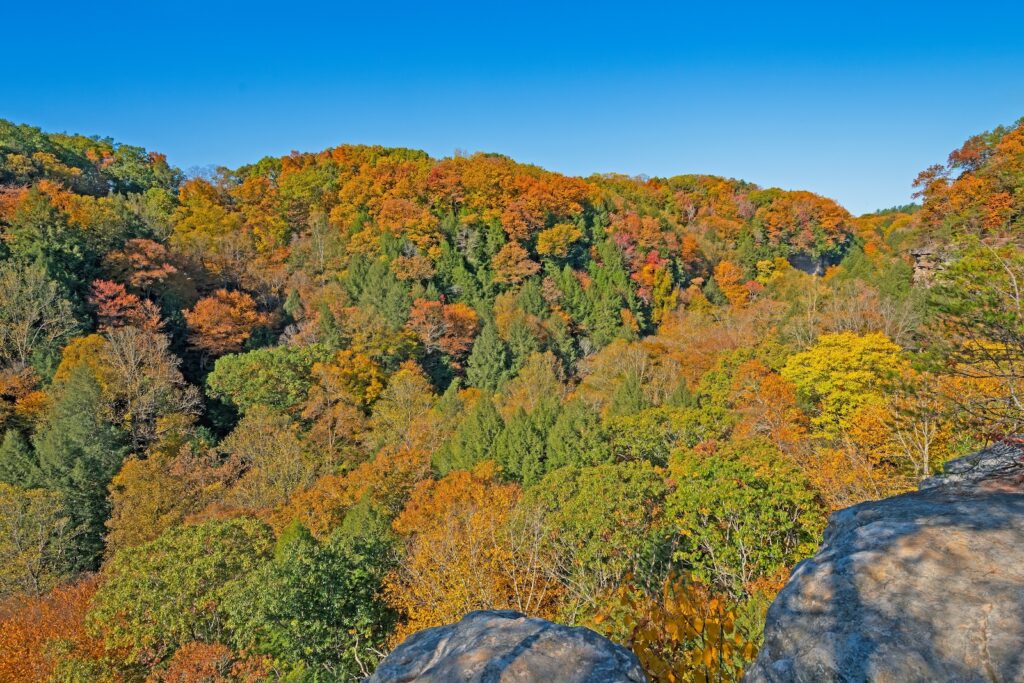
Hocking Hills Fall Foliage: Where to See it Best
When & Where to See Hocking Hills Fall Foliage
Hocking Hills fall foliage draws visitors back to the region year after year, and it’s easy to see why. By late September, sugar maples begin turning a deep red, oaks shift to a slower bronze, and the hemlocks hold their dark green through the season, which makes the surrounding color look even more vivid by contrast. Morning fog settles into the gorges most days this time of year, then burns off into a clear, crisp afternoon.
Glenlaurel sits on 140 acres in Rockbridge, right in the middle of the region’s best color, and our guests plan entire trips around this window. Peak color typically lands in mid-October, though the exact week shifts depending on temperatures and rainfall, so it’s worth checking the state park’s foliage reports before you lock in dates. A visit to Hocking Hills in October rewards planning, but any week in autumn is a beautiful time to visit.
Book Hocking Hills Romantic Cabins as Your Home Base
Our romantic cabins in Hocking Hills put that scenery outside your door instead of down the road. Rooms, suites, and named cabins each carry their own character, and many include a private hot tub, a fireplace, and a jetted or clawfoot soaking tub. Every stay includes a full gourmet breakfast, and guests can walk from their room straight down into Camusfearna Gorge on Glenlaurel’s own private trail, watching the same fall color up close before heading out for the day.
After a day spent climbing rim trails and photographing waterfalls framed in fall color, Glenlaurel’s grounds are built for slowing back down. An eight-hole Scottish links golf course played with hickory clubs comes complimentary with your stay, along with pickleball, bocce, and horseshoes. Evenings center around the fire pits and the nightly Pub Social, followed by a multi-course dinner at Thistle and Stone. Guests arriving in an EV can charge for free during their stay. Book your Hocking Hills romantic cabins getaway today.
Where to Find the Best Color in the Park
Rockbridge State Nature Preserve, about a mile and a half from the inn, is home to Ohio’s largest natural bridge, a sandstone arch that stretches more than a hundred feet across a forested ravine. The loop trail circles above the canopy rather than looking up from below, and it’s short enough to work as a first stop before a longer hike.
Conkle’s Hollow cuts two hundred feet deep through sandstone walls, and the rim trail on top opens onto a wide view across the treetops below. It’s a more strenuous walk than most on this list, so plan extra time, but the overlook is hard to match anywhere in the region.
Hocking Hills State Park is one of the most popular places to see the fall colors in Ohio. Old Man’s Cave, Cedar Falls, and Ash Cave connect along the Grandma Gatewood Trail and are usually visited together. Old Man’s Cave is the most visited spot in the park, with cliffs above the gorge lined in red and orange by mid-October.
Cedar Falls, the largest waterfall in the county by volume, collects drifting leaves along the creek below it. Ash Cave, the largest recess cave in Ohio, closes out the trail with an easy, mostly flat approach through a hemlock-lined gorge. This stretch draws the biggest crowds during peak weekends, so arriving early or visiting on a weekday makes a real difference.
Rock House, the only true cave in the area, is a shorter, easier walk than Old Man’s Cave or Conkle’s Hollow. Its arched sandstone windows frame some of the best fall photos in Hocking Hills.
Hocking Hills Fall Foliage FAQ
Where is Hocking Hills located in Ohio?
Hocking Hills sits in southeastern Ohio, centered around the town of Logan, about an hour southeast of Columbus.
When is peak fall color in Hocking Hills?
Peak color typically arrives in mid-October, though it can shift a week earlier or later depending on rainfall and temperature that season.
Is Hocking Hills open in the fall?
Yes. The state park trails and nature preserves stay open through autumn, and fall is one of the busiest and most popular seasons to visit.
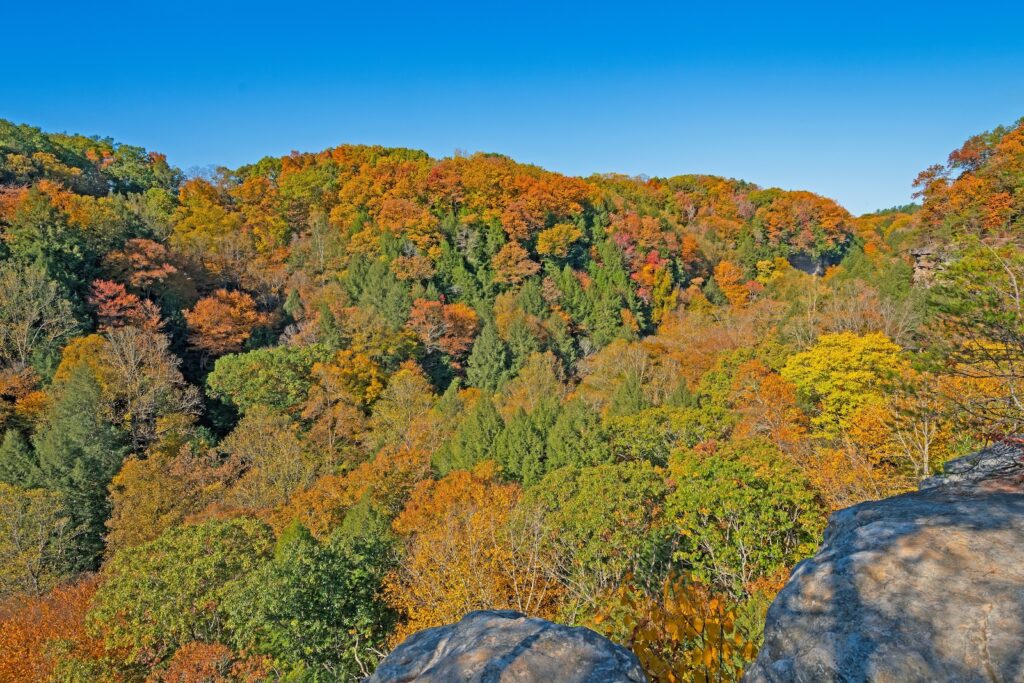
Hocking Hills in the Fall: A Couples Guide to Peak Color
Planning a Fall Couples Getaway Around Peak Color
Fall is the season most couples picture when they start planning a trip to Ohio’s sandstone country. Hocking Hills in the fall brings gorges framed by sugar maples, red oaks, and hickories, cool mornings that make the trails comfortable again, and evenings that call for a fireplace. This guide covers when the color typically peaks, where to see it, and why Glenlaurel, A Scottish Inn & Cottages, makes a natural home base for a fall couples getaway.
When Is Peak Color for Hocking Hills in the Fall?
Hocking Hills fall colors usually peak in the second half of October, and the third and fourth weeks of the month tend to land closest to the sweet spot. Color begins in early October with yellows and light oranges along the ridges and rim trails. By mid-month, reds and deep oranges take over the hillsides. The shaded gorges often hold their leaves into late October after higher ground has started to thin, and early November trades peak intensity for crisp air and quieter trails.
Rainfall and temperature shift the timing by several days each year. As your dates approach, check the weekly Fall Color Report from the Ohio Department of Natural Resources, which tracks progress across the state. Hocking Hills in October is also the region’s busiest stretch, so plan weekday hikes where you can and reserve lodging early.
Where to See Hocking Hills Fall Foliage
Conkle’s Hollow offers two views of the same color. The rim trail looks down into one of the deepest gorges in Ohio, while the gorge floor trail places the canopy directly overhead. Walking both in one morning shows how the light changes through the leaves.
Old Man’s Cave and Cedar Falls sit inside gorges that fill with color from the rim down, so the waterfalls end up framed in red and gold. These are the most visited stops in Hocking Hills State Park, and an early start makes a real difference in October.
Ash Cave, the largest recess cave in Ohio, sits at the end of a short, accessible walk lined with maples and hickories. Cantwell Cliffs sees far less foot traffic, and its narrow passages and tall cliff faces put you at eye level with the canopy.
For a slower day, the Hocking Hills Scenic Byway along State Route 374 connects several of these trailheads, so a scenic drive pairs easily with short walks. If your trip falls between October 21 and 24, 2026, the Circleville Pumpkin Show adds one of Ohio’s oldest festivals to the itinerary.
Couples Getaway Lodging With a Private Gorge
The fall color on the state park’s busiest trails also fills Glenlaurel’s 140-acre estate. Camusfearna Gorge runs through the middle of the property, and guests have private access to three trails: the Camusfearna Gorge Trail, the Highland Scott’s Trail, and the Thistle Bluff Walk. The half-mile gorge trail takes about an hour and a half and passes waterfalls, rock cliffs between 50 and 100 feet high, Dripping Rock Cave, and Big Ben, a centuries-old pine.
The adults-only inn offers rooms, suites, crofts, and private cottages, with select accommodations featuring gas log fireplaces or Franklin stoves, private hot tubs, and screened porches. Every stay includes a three-course gourmet breakfast at Thistle & Stone, the on-site restaurant. Order a gourmet picnic lunch for the trail, then return for a made-from-scratch dinner or the chef’s tasting menu on Saturday evenings. The Hiker’s Getaway Package bundles handcrafted walking sticks, a picnic lunch, and a multi-course dinner for couples who plan to spend their days outdoors.
Reserve Your Fall Couples Getaway
Peak October weekends fill quickly, so booking early gives you the widest choice of rooms and cottages. When you are ready to plan Hocking Hills in the fall, book your Hocking Hills romantic getaway directly with Glenlaurel.
Frequently Asked Questions
When is peak fall color in Hocking Hills?
Peak color typically arrives during the third and fourth weeks of October. Exact timing varies with weather, so check the Ohio Department of Natural Resources Fall Color Report closer to your trip.
What is there to do in Hocking Hills in October?
October is ideal for hiking Conkle’s Hollow, Cantwell Cliffs, Ash Cave, Old Man’s Cave, and Cedar Falls, driving the Hocking Hills Scenic Byway, and visiting the Circleville Pumpkin Show, held October 21 through 24 in 2026.
What should I wear for hiking Hocking Hills in October?
Dress in layers, since gorge floors stay cooler than the rims in the morning. Wear footwear with solid tread, because wet sandstone and fallen leaves can make trails slippery.
Is Hocking Hills in the fall a good couples getaway?
Yes. Cooler weather, peak foliage, and quieter weekday trails make fall a strong season for couples, especially when paired with an adults-only inn with private hiking trails and on-site dining.
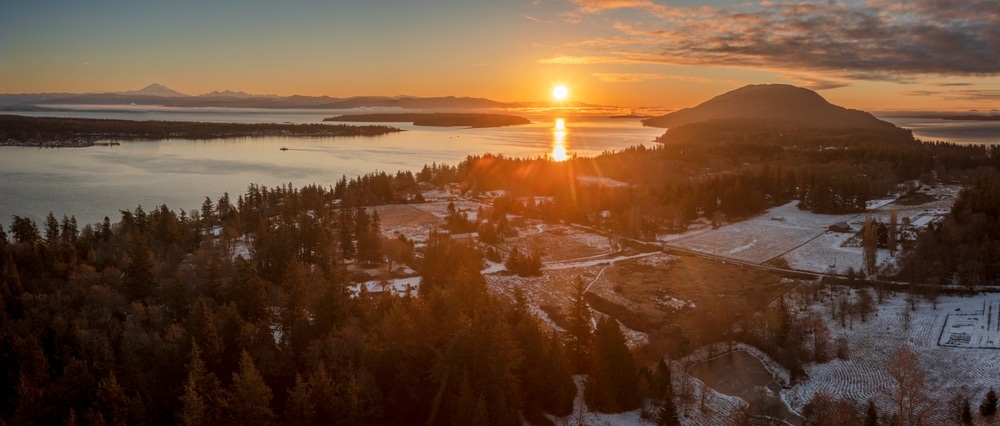
How to Enjoy Your Weekend Escape to the San Juans
Best Things to Do in the San Juan Islands This Winter
Winter is an inviting time to slow down and explore the best things to do in the San Juan Islands, especially if you are planning a coastal weekend escape. With fewer visitors, peaceful scenery, and a relaxed pace, winter in the San Juan Islands offers a different and deeply rewarding experience. The islands benefit from a rainshadow effect, which often brings drier weather than surrounding areas, making it easy to enjoy both outdoor adventures and cozy indoor moments.
Friday Harbor is the heart of winter activity on San Juan Island. Spend time browsing local boutiques, independent bookstores, and galleries, or warm up with coffee at a nearby café. The Whale Museum is a favorite winter stop, offering engaging exhibits about the orcas and marine life of the Salish Sea. Art lovers will also enjoy the San Juan Island Museum of Art and the many small galleries scattered throughout town.
Outdoor exploration remains one of the most popular things to do in the San Juan Islands in winter. Forest trails and shoreline paths take on a quieter feel this time of year, creating an ideal setting for hiking, beach walks, and fresh island air. After a day outside, unwind with a craft beer at San Juan Island Brewing or enjoy a relaxed afternoon with a book at Griffin Bay Bookstore.
Cozy Friday Harbor Lodging for a Winter Weekend
After exploring the best things to do in the San Juan Islands, returning to welcoming Friday Harbor lodging makes the experience even better. This well-appointed bed and breakfast in Friday Harbor offers comfortable guest rooms, thoughtful amenities, and inviting spaces to relax after a cool coastal day. Many properties also offer private suites and cottages, perfect for a peaceful winter weekend getaway.
Winter is also the perfect season for a little indulgence. Booking a spa day, enjoying a leisurely meal at one of Friday Harbor’s top restaurants, or simply relaxing by the fire are all part of the experience. With concierge services available to help plan activities, dining, and transportation, your winter visit feels effortless from start to finish.
If you are looking for a refreshing coastal escape, winter in the San Juan Islands delivers. From outdoor exploration to dining, shopping, and comfortable Friday Harbor lodging, there is no shortage of memorable ways to spend a winter weekend. Book your stay and experience it for yourself.
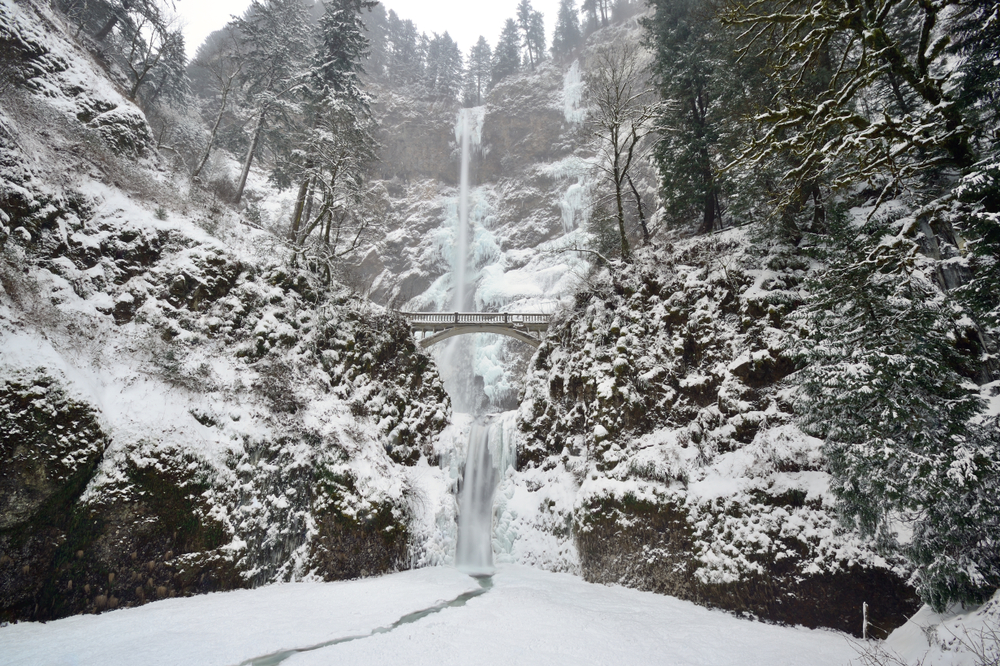
How to Plan Your Winter Getaway at our Luxury Cabins in Washington
Best Luxury Cabin Getaway for Winter in the Gorge
Winter in the Columbia River Gorge is the perfect excuse to slow down and plan a luxury cabin getaway designed for comfort, connection, and adventure. As the season settles in, snow dusts the mountain peaks, the pace of life eases, and the Gorge transforms into one of the most rewarding winter destinations in the Pacific Northwest.
A winter luxury cabin getaway offers the best of both worlds. Outdoor enthusiasts can enjoy skiing and snowboarding on Mount Hood, explore scenic trails with snowshoes, or seek out iconic waterfalls framed by winter light. Many of the things to do in the Columbia River Gorge remain accessible throughout the season, just with a quieter, more intimate feel that makes winter travel even more magical.
After a day spent exploring, returning to a private cabin changes the entire experience. Warm fireplaces, generous soaking tubs, and thoughtfully designed interiors create an inviting place to unwind and truly relax. Winter is when our luxury cabins near Hood River shine, offering an atmosphere that encourages lingering mornings, unhurried evenings, and time well spent together.
A Cozy Retreat Designed for Winter Getaways
Our cabins in the Columbia River Gorge are ideally positioned for winter travelers who want easy access to Mount Hood, Hood River, and the surrounding landscape without sacrificing comfort or a personalized touch. Luxury amenities elevate each stay, while the privacy of a standalone cabin adds a sense of exclusivity that hotels simply cannot match.
Even if you choose to spend a day staying in, the experience feels indulgent. Curl up by the fire, soak away the chill, or enjoy the peaceful setting that winter brings to the Gorge. These moments are what define a true luxury cabin getaway.
Conveniently located within reach of Portland and Seattle, the Columbia River Gorge feels worlds away once you arrive. Winter travel here invites you to disconnect from busy schedules and reconnect with what matters most.
Insider Tips for Game Day Parking at Beaver Stadium
Beaver Stadium Parking: A Game Day Guide
Navigating Beaver Stadium parking on a Penn State Football weekend can feel overwhelming, especially if you’re unfamiliar with Penn State’s system. More than 100,000 fans descend on State College for home games, and the traffic patterns around the stadium shift dramatically as kickoff approaches. The good news: with some advance planning and clear knowledge of how the parking zones work, game day becomes manageable, and you can focus on enjoying the experience.
Penn State uses a color-coded, zone-based parking system around Beaver Stadium that keeps traffic flowing and helps fans find their assigned spots quickly. Understanding how this system works and preparing before you arrive can make all the difference between a stressful arrival and a smooth one.
How Beaver Stadium Parking Zones Work
Beaver Stadium’s parking is organized into four primary zones, each identified by both a direction and a color: North (Blue), South (Purple), East (Orange), and West (Green). When Penn State activates its one-way traffic pattern on game day, each zone has a dedicated entry route. Your parking pass assigns you to a specific zone and lot, and you must enter through that zone’s designated entry point. Traffic personnel monitor the entrances and will redirect you if you attempt to use the wrong access route.
Before leaving for the stadium, look up your assigned parking zone and lot number. The official Beaver Stadium parking map on Penn State’s website is essential; reviewing it in advance saves time and confusion on game day.
Buy Your Parking Pass in Advance
Penn State offers advance single-game parking passes, starting at $50 and subject to availability. Online advance sales close 15 days before each game, but additional passes may still be available through the Bryce Jordan Center box office in the final days before kickoff. Some fans wait until the day of the game, and while passes may be available in overflow lots like Lots 25 or 36, space is not guaranteed.
The simplest strategy: purchase your parking pass when you buy your Penn State football tickets. This approach removes uncertainty and lets you book your lodging at the same time, creating a complete game day plan.
Parking Lot Opening Times
For noon kickoffs, parking lots open at 7 a.m. For all other start times, they open at 8 a.m. You don’t need to arrive the moment the gates open, but arriving well before kickoff gives you time to find your spot, set up a tailgate if you wish, and enjoy the pregame atmosphere. Penn State’s Team Arrival walk and pep rally begin two hours before kickoff at the Beaver Stadium Block Party on Curtin Road, so arriving early lets you participate in those events as well.
Tailgating Rules at Beaver Stadium
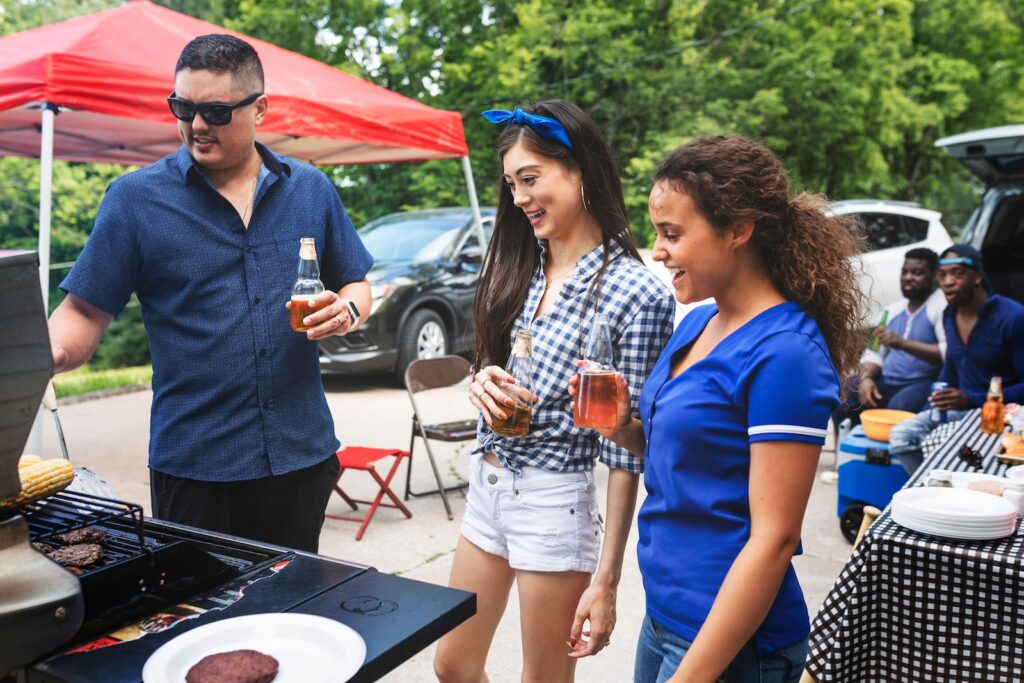
Tailgating is a central part of Penn State football culture, and the parking areas become social hubs hours before the game starts. Your vehicle and tailgating setup must stay within your designated 8.5-by-15-foot parking space. Tents and canopies must not exceed 10 by 10 feet and must not block traffic lanes or neighboring spaces. Penn State prohibits open flames, glass bottles in grass lots, kegs, fireworks, and drones. Review the current rules on Penn State’s athletics website, as policies can change season to season.
Stay at a Quiet Hotel Near Penn State
A Penn State football weekend offers unmatched excitement, but game day brings crowds and congestion that can overwhelm the hotel scene in State College. Staying at a hotel near Penn State, outside the downtown core, allows you to fully enjoy the day while retreating to a quieter space afterward.
Apple Pony Inn, located in historic Boalsburg just four miles from Penn State University, provides exactly that experience. Our seven guest suites sit on a beautiful 17-acre working farm, far enough from downtown State College to offer peace and quiet, yet close enough to Beaver Stadium to make parking and attending the game straightforward. After navigating parking and spending hours in the stands, you’ll appreciate returning to a spacious guest room, sharing a meal, and unwinding on our wrap-around porch.
Start your game day with a hearty farm-to-table breakfast at the Inn, confirm your parking zone, and head to the stadium with plenty of time to spare. When the final whistle blows, your comfortable suite is waiting. Book your Penn State football hotel stay today and make your next game weekend both thrilling and restorative.
Is Maple Hill Manor Haunted?
What Guests Have Reported Over the Years
Is Maple Hill Manor haunted? It is the question we hear more than any other. Our Manor holds 175 years of complicated history, so we certainly understand why people wonder. We do not have a clear answer. What we can tell you is there is a long list of guests who have experienced things they cannot quite explain.
A House Built to Hold Onto Things
Thomas Irvine McElroy built Maple Hill Manor in 1851 as a wedding gift for his bride, Sarah Jane Maxwell. The nearly 7,000-square-foot Greek Revival home boasts 14-foot ceilings, 12-foot doorways, and a cherry spiral staircase original to the build. Between the McElroys’ wedding and today, the house served as a Confederate encampment during the Civil War, later a Union field hospital, and eventually a foster home that housed more than 300 children.
We are not claiming this history explains what guests report. But if any house in this part of Kentucky was going to hold onto something, Maple Hill Manor is a fair candidate.
What Guests Have Told Us
A guest staying in the John James Audubon Room woke in the middle of the night to a weight pressing down near his feet, as if someone were sitting at the end of the bed. As he opened his eyes, the weight lifted, and he saw a woman dressed in white sitting on the loveseat by the fireplace. A moment later, she was gone.
A young couple in the Clara Barton Room didn’t report anything unusual during their stay. About a week later, the wife emailed to say a woman in white had appeared in their bathroom, playing with the water faucet. Both of them saw her, and their door had been locked the entire time.
One of our returning guests was lying in bed alone when a man’s voice asked her, “Ma’am, are you okay?”
The Harriet Beecher Stowe Room has had two separate incidents. A couple watching TV around 10:30 p.m. heard a booming knock at the door. No one was there, and the hallway security footage showed an empty hall. About ten days later, three women staying in the same room heard the same knock at 1:30 a.m. while asleep with no TV on. The hallway camera showed nothing again.
Stories Passed Down Before Our Time
Some of what we know came from previous owners and longtime locals rather than our own guests. They describe soldiers on the upper floors, a woman in white on the balcony, children in parts of the house, and a woman in the lobby. We share these because they belong to the property’s story, but we cannot verify them the way we can verify what guests have told us directly since we took over the inn.
Which Rooms Report the Most Activity
Most reports come out of the Audubon, Barton, and Stowe rooms. The Davis Room has stayed quiet by comparison. The Stephen Collins Foster Room is where the innkeepers have personally noticed the most small, unexplainable things.
Plan Your Own Spooky Season Getaway
Guests who come specifically for the property’s reputation often bring their own EMF detectors and voice recorders. Orbs in photos and unexplained voices on recordings come up often enough that we no longer find them surprising. For a spooky season getaway with history and unexplained happenings behind it, a stay in one of the rooms with reports.
So, Is Maple Hill Manor Haunted?
We will let you decide. These unexplained events don’t happen regularly. Months can pass without a single mention. But often enough, a guest comes down to breakfast with a story we have heard some version of before, and the Audubon, Barton, and Stowe rooms fill up well ahead of Halloween because of it.
Frequently Asked Questions
Is Maple Hill Manor actually haunted?
We cannot say for certain. What we can say is that guests regularly report unexplained experiences, particularly in three specific rooms, and the property’s Civil War and foster home history gives the stories a plausible explanation.
Which room at Maple Hill Manor has the most reported activity?
The Audubon, Barton, and Stowe rooms account for the vast majority of guest reports. The Davis Room has stayed quiet, and the Stephen Collins Foster Room shows smaller, harder-to-explain occurrences.
Can I request a specific room for a ghost hunting stay?
Yes. Guests interested in the reported activity can request the Audubon, Barton, or Stowe rooms directly when booking, though these rooms book quickly around Halloween.
What other haunted places are near Maple Hill Manor?
Kentucky has a deep bench of reportedly haunted sites within driving distance, from historic homes to Civil War battlefields. Our guide to haunted places in Kentucky covers the most talked-about locations in the region.
When is the best time to visit for a spooky season getaway?
Late September through October draws the most guests interested in the property’s history, and rooms with reported activity book out well in advance of Halloween.
Book Your Stay
If you are curious enough to find out for yourself whether Maple Hill Manor is haunted, reserve your room directly with one of the most unique places to stay in Kentucky. And for more of the region’s haunted history, their guide to haunted places in Kentucky covers other locations near their Springfield location.
Lake Granbury’s Favorite Fall Festival
Don’t Miss Granbury Lakefest
Granbury Lakefest turns the shoreline of Lake Granbury into a full day of live music, food trucks, and free family entertainment every fall. Hosted by 92.1 Hank FM at the Lake Granbury Conference Center, the festival draws visitors from Fort Worth, Dallas, and across Hood County for an afternoon of vendor booths, a cornhole tournament, and an evening concert that closes with a drone show over the water. If you’re planning a lake getaway around Granbury Lakefest, the earlier you book lodging, the better, since rooms near the festival grounds fill quickly.
Granbury Lakefest is just one afternoon of what makes this town worth the drive from the Metroplex. Historic Granbury Square sits a short walk from the festival grounds, lined with independent shops, restaurants, and live theatre. Between the square, the lake, and the surrounding wineries and golf courses, there are enough things to do in Granbury TX to fill an entire weekend, not just a single evening.
What Happens at Granbury Lakefest
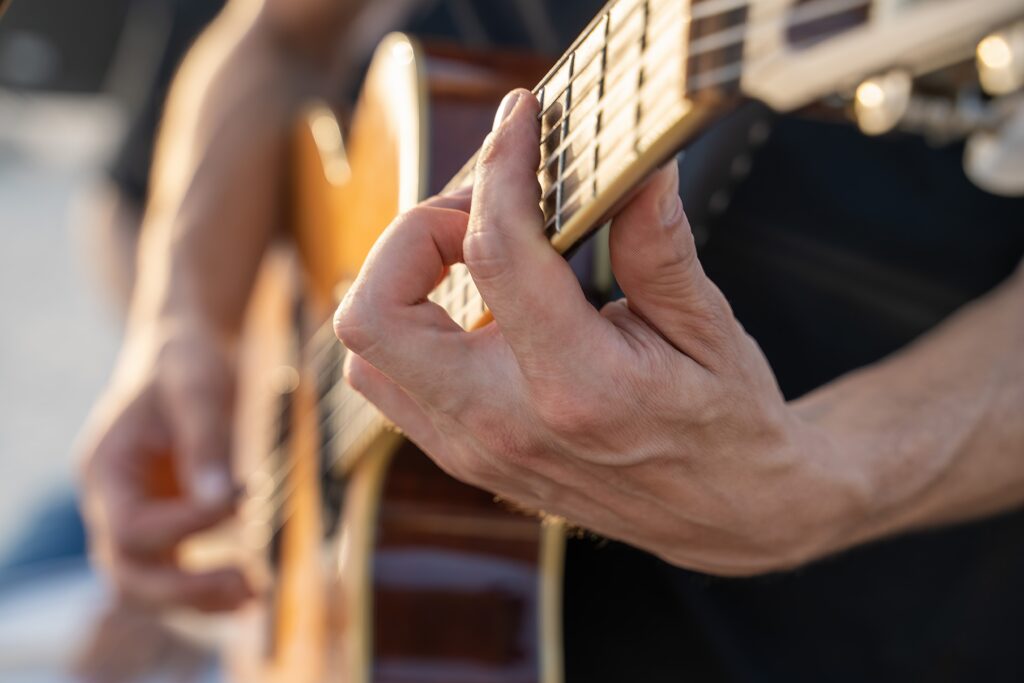
Granbury Lakefest is a free, one-day festival held on the shore of Lake Granbury, typically in late September. The Lake Granbury Conference Center becomes festival headquarters for the day, with food trucks, vendor booths, and a cornhole tournament running through the afternoon before the music takes over at night. Past lineups have leaned into Texas country and classic hits, and proceeds benefit Mission Granbury, the local nonprofit behind the area’s family violence shelter and food pantry.
Daytime hours are built for families. Hank FM’s Party Patrol typically runs a kids’ zone on Granbury City Beach, sandcastle contests included, while the main lawn fills with festival food and the sound of the cornhole tournament. If you’re visiting without kids, arrive mid-afternoon, work through the food truck lineup, and stay for the evening set when the crowd shifts toward adults settling in with a drink and good music.
The drone show is the reason to stay until the end. Once the sky goes dark, a fleet of drones takes over with choreographed shapes and color-changing animations set to a live soundtrack, with the display reflecting off Lake Granbury for extra effect. It typically starts around 9:30 pm, so claim a spot on the shoreline before then.
Lake Granbury Marina typically offers same-day pontoon, tritoon, and Sea-Doo rentals, just a half-mile walk or short boat ride from Historic Granbury Square, for anyone who wants to experience Granbury boat rentals firsthand and take in Lakefest from the water. A valid boater safety course through Texas Parks and Wildlife is required to rent. Texas Malibu also sets up a lineup of wake boats along the shore during the festival, worth a walk over even if you’re not shopping for one.
Granbury Lakefest isn’t the only reason to plan a fall visit. The Historic Granbury Merchants Association runs Oktoberfest the first weekend of October and the Harvest Moon Festival of the Arts in late October, giving visitors two more Granbury Texas events worth building a trip around.
Your Home Base: Granbury Hotels on the Lake
Among the Granbury Hotels on the lake, Inn on Lake Granbury sits on three acres of lakefront grounds just minutes from where Lakefest happens, making it a natural fit for couples treating the festival as the daytime highlight of a longer weekend getaway for a girls’ weekend with friends in Texas. The property is adults-only, with private balconies overlooking the water in many rooms and suites.
Return from the festival to cool off in the saltwater pool, then unwind with complimentary chef’s choice appetizers and a glass of wine, tea, or lemonade before heading back out for the evening entertainment. Mornings bring a chef-prepared breakfast, think upside-down banana walnut French toast or green chile cheese grits, with bottomless coffee to start the day.
FAQ: Planning Your Granbury Lakefest Weekend
What is Granbury Lakefest?
Granbury Lakefest is a free annual fall festival on the shore of Lake Granbury, featuring food trucks, vendor booths, a cornhole tournament, live music, and an evening drone show, with proceeds benefiting Mission Granbury.
What are fun things to do in Granbury TX besides Lakefest?
Historic Granbury Square offers shopping, dining, and live theatre within walking distance of the festival grounds, and the lake itself supports boating, wakeboarding, and waterfront dining throughout the fall.
What are the best things to do in Granbury TX for couples?
Pairing Granbury Lakefest with a stay at an adults-only lakefront inn, a walk through Historic Granbury Square, and a boat rental on Lake Granbury makes for a fun weekend getaway.
Is Granbury Lakefest good for a weekend getaway in Texas?
Yes. Lakefest anchors a single evening, but the surrounding attractions, from wineries to the lake itself, make it easy to extend into a full weekend.
Leaf Peeping in Southern Vermont
Best Fall Foliage Adventures in New England
As summer gives way to crisp autumn days, Brattleboro becomes one of the best places to experience fall foliage in New England. Located in southern Vermont, this welcoming town offers colorful mountain views, scenic backroads, and inviting small-town charm, making it an ideal destination for a couples getaway. Whether you prefer hiking to panoramic overlooks or enjoying a leisurely drive through the countryside, there are countless things to do in Brattleboro.
One of the most common questions travelers ask is, when is peak fall foliage in Vermont? While weather conditions influence the timing each year, the general pattern remains consistent. Color begins appearing in northern Vermont and at higher elevations during mid to late September before gradually moving south. In Brattleboro and the surrounding region, peak fall foliage typically arrives during the second half of October, giving visitors a longer opportunity to enjoy vibrant landscapes throughout the season.
Outdoor enthusiasts will find no shortage of places to admire the changing leaves. Popular destinations include the Retreat Trails, Fort Dummer State Park, Wantastiquet Mountain, Hogback Mountain Conservation Area, Putney Mountain, and the Ledges Overlook Trail. Each offers a unique perspective of the rolling hills covered in brilliant shades of red, orange, and gold.
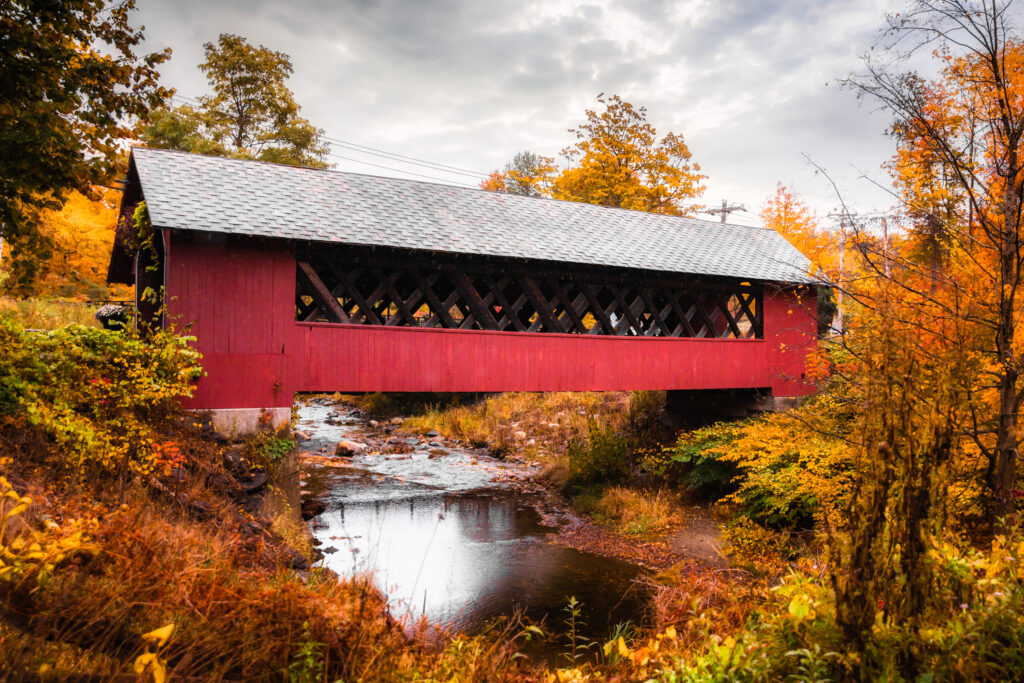
Drivers can also experience spectacular scenery along the Molly Stark Scenic Byway, the Connecticut River National Byway, Scenic Route 100, the Shires of Vermont Byway, and the drive between Brattleboro and Mount Snow. Covered bridges, working farms, and classic New England villages make every mile memorable during fall.
Stay at a Charming Brattleboro Bed and Breakfast
The Inn on Putney Road provides an exceptional home base for exploring southern Vermont during fall. Set beside the Retreat Meadow, this beautifully restored 1938 French Baronial manor features six thoughtfully appointed guest rooms, personalized hospitality, and a gourmet breakfast prepared fresh each morning. Guests can even enjoy remarkable foliage from the property, including views of one of the country’s largest Cut Leaf Japanese Maple trees.
Whether you spend your days hiking scenic trails, exploring Vermont’s picturesque byways, or relaxing on the property, Brattleboro offers everything needed for an unforgettable fall in New England. Reserve your stay atthe premier Bed and Breakfast in Brattleboro VT to one of New England’s most beautiful seasons.