What To See & Do
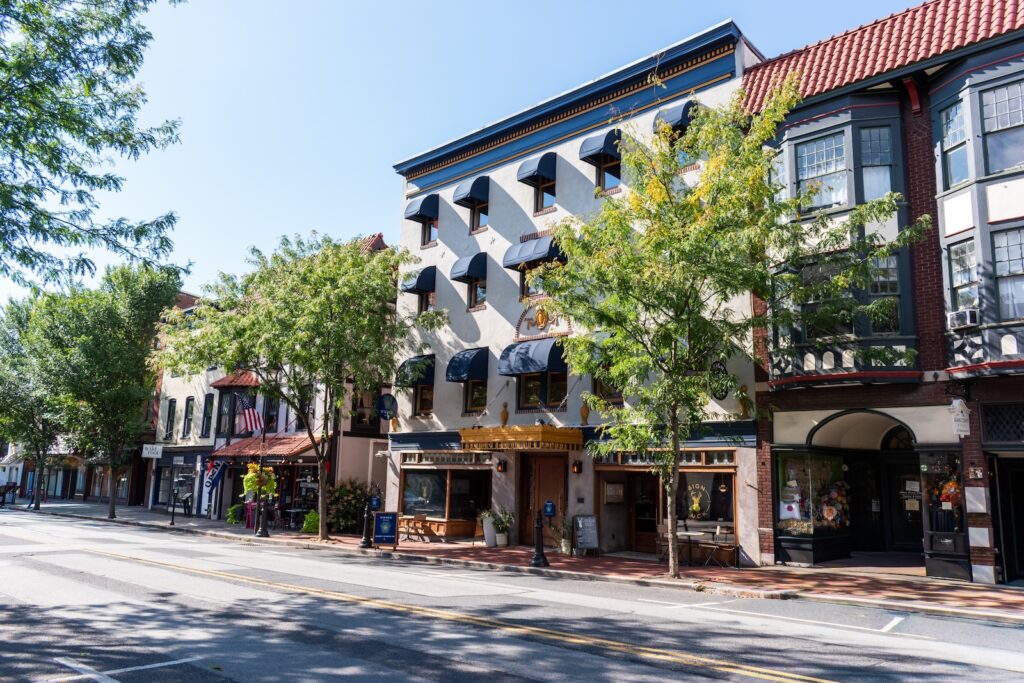
The Best Things to Do in Gettysburg, PA, this Year
Things to Do in Gettysburg That Bring History to Life
Gettysburg, Pennsylvania, packs more of the American story into ten square miles than almost anywhere else in the country. Three days in July of 1863 decided the direction of a nation on these fields, and today those same ridges, orchards, and stone walls draw visitors who want more than a quick photo stop. Whether you have a full weekend or just an afternoon, there are enough things to do in Gettysburg to fill an itinerary with real substance.
Start at the Gettysburg National Military Park Museum and Visitor Center. The exhibits give you the context you need before you head out onto the actual battlefield, where a Licensed Battlefield Guide can turn a self-guided drive into something far richer, walking you through individual regiments, decisive turns, and the ground each side fought to hold. Make time to cross Sachs Covered Bridge, a wooden span that carried both Union and Confederate troops during the fighting and still stands today.
The history continues at Soldiers’ National Cemetery, where Abraham Lincoln delivered the Gettysburg Address and thousands of Union soldiers are buried. Next door, Evergreen Cemetery holds the graves of Jennie Wade, the only civilian killed during the battle, and John Burns, the 69-year-old local who picked up a musket to fight alongside Union troops. Both sites offer a quieter, less crowded counterpoint to the main battlefield tour.
For a more immersive angle, catch one of the seasonal battle reenactments, where costumed historians stage camp life and artillery demonstrations, or book a Gettysburg ghost tour that blends Civil War history with local legend. The Beyond the Battle Museum fills in what daily life looked like for residents before, during, and after the war, and the Jennie Wade House and Shriver House Museum let you walk through homes that were directly caught in the crossfire.
Gettysburg rewards a slower pace too. Ride the Gettysburg Railway through the rolling farmland of Adams County, known as Pennsylvania’s Fruit Belt for its apple orchards. Stop at Ploughman Cider Taproom on Lincoln Square for cider and live music, or work your way through Fourscore Beer Co., Michaux Brewing, Adams County Winery, and Mason Dixon Distillery for a full taste of the region. Downtown shopping rounds things out, with independent shops like Lark, Gettysburg Goods, and Gallery 30 alongside a new antique shop on Chambersburg Street.
Where to Stay: Hotels in Gettysburg Worth Booking Direct
Among hotels in Gettysburg, the Union Hotel puts you a half block from Lincoln Square, within easy walking distance of the battlefield, the cemeteries, and downtown dining. Our twelve suites, built into a property with roots dating to 1804, feel more like private apartments than hotel rooms, with cozy seating areas and kitchenettes. Free parking and a continental breakfast round out the stay, and our own restaurant, Sign of the Buck, was recently voted Gettysburg’s best by readers of Celebrate Gettysburg magazine.
Frequently Asked Questions
What is the best way to tour Gettysburg battlefield?
Most visitors start at the Gettysburg National Military Park Museum and Visitor Center for context, then book a Licensed Battlefield Guide, who can ride along in your vehicle or walk the grounds with you and explain what happened at each stop.
How long does it take to tour Gettysburg battlefield?
A guided battlefield tour typically runs two to three hours, though many visitors spend a full day pairing the battlefield with the cemeteries and museums nearby.
Is Gettysburg haunted?
Gettysburg has a long-standing reputation for paranormal activity tied to its Civil War history, and several local companies run ghost tours through downtown and near the battlefield that explore this folklore alongside the historical record.
What to do in Gettysburg beyond the battlefield?
Beyond the battlefield, popular options include the Gettysburg Railway, downtown shopping, and Adams County’s cideries, breweries, and wineries, several of which are within walking distance of Lincoln Square.
Can you drive through Gettysburg battlefield?
Yes, the National Military Park includes roads that allow visitors to drive the battlefield at their own pace, though a guided tour adds context you won’t get on a self-directed drive.
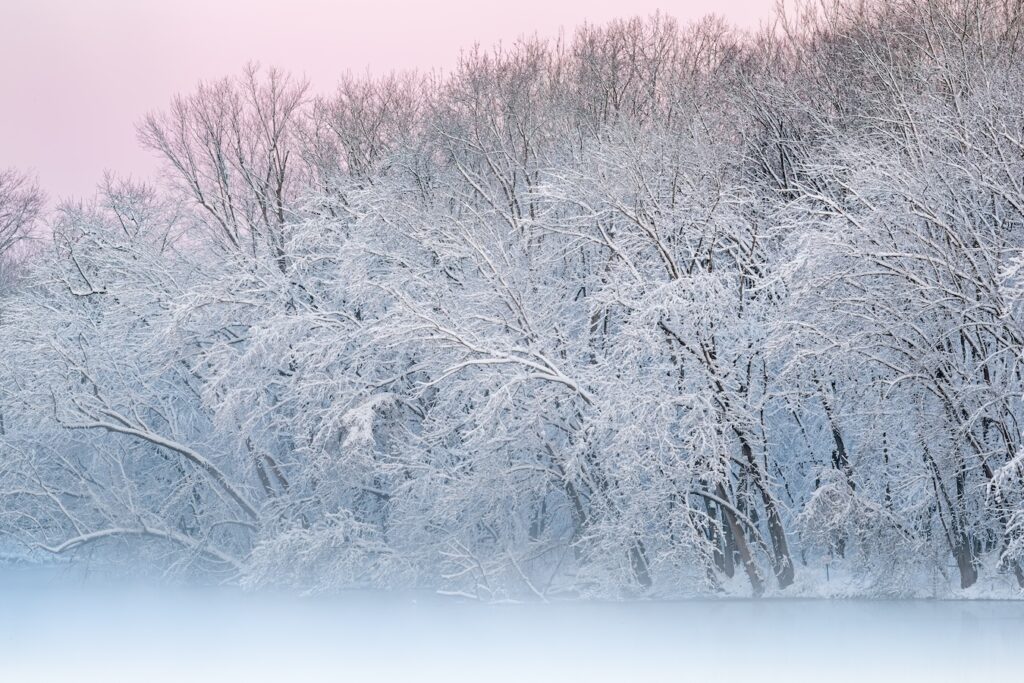
The Best Things to do in Kalamazoo this Winter
Best Things to Do in Kalamazoo for a Winter Getaway
Kalamazoo is a Midwest city that often exceeds expectations, especially in late winter. The walkable downtown, a strong arts presence, and a food-driven culture make it an easy and rewarding destination when snow settles along the Kalamazoo River. Visitors looking for the best things to do in Kalamazoo during the colder months will find a balance of indoor attractions and outdoor adventures that keep the experience unique and exciting!
Outdoor enthusiasts will appreciate how close winter recreation is to the city center. Bittersweet Resort and Timber Ridge Ski Area are both a short drive away and offer downhill skiing and snowboarding for all skill levels. For something slower-paced, snowshoeing at the Lillian Anderson Arboretum or a winter walk along the Kal-Haven Trail offers a quiet way to enjoy the season while staying close to town.
When it’s time to warm up, discovering Kalamazoo’s dining and craft beverage scene is even cozier in the winter months. Bell’s Eccentric Cafe remains a favorite for seasonal beer releases, live music, and hearty menus. Downtown wine bars like Sit and Stay Winery, WL Social House, and the Stamped Robin offer relaxing settings ideal for late winter evenings.
A Comfortable Place to Stay in Downtown Kalamazoo
Staying at The Kalamazoo House places guests within walking distance of many of the best things to do in Kalamazoo. This boutique inn offers a quieter alternative to larger downtown Kalamazoo hotels, with just ten rooms and suites designed for comfort and relaxation. Mornings begin with a chef-prepared breakfast, giving guests a thoughtful start before heading out to explore.
Cultural attractions are another highlight of a winter visit. The Kalamazoo Institute of Arts offers fascinating exhibits, while the Kalamazoo Valley Museum is an easy walk away and offers engaging displays focused on science, history, and innovation. For visitors interested in aviation, the Air Zoo Air and Space Experience is a short drive from downtown and consistently impresses first-time guests.
Late winter in Kalamazoo encourages visitors to explore and take it slow. Whether that means spending an afternoon at a museum, enjoying a leisurely dinner downtown, or returning early to relax at the inn, the city makes winter travel feel inviting. Discover why this Midwest destination is such an easy and enjoyable winter getaway.
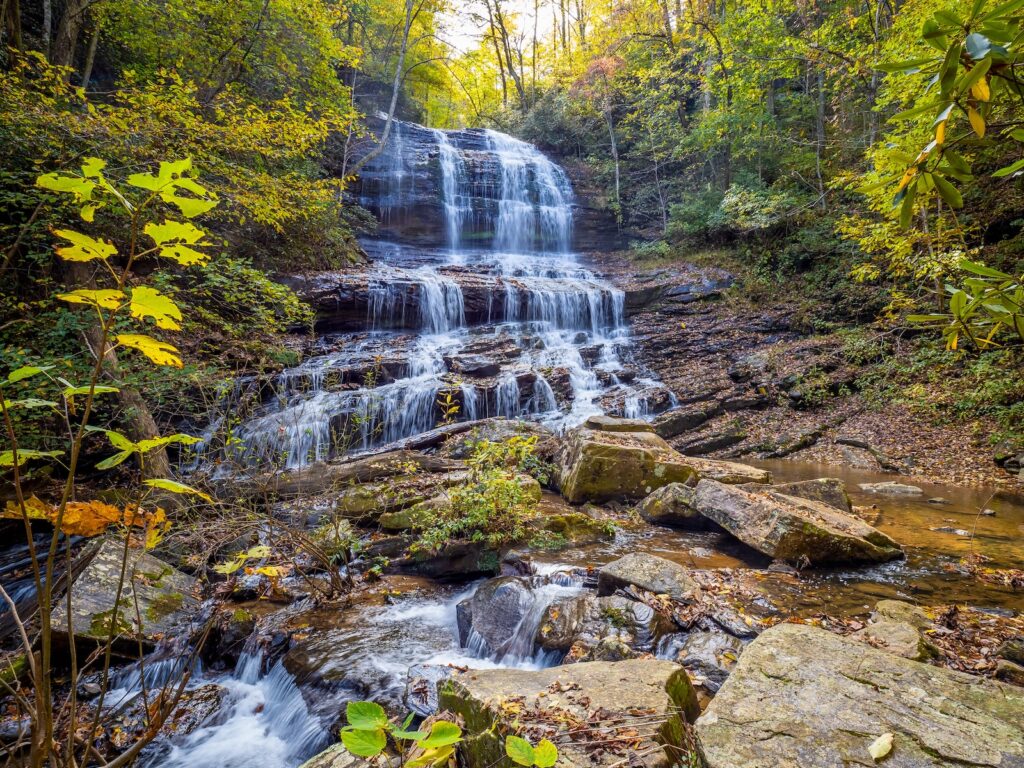
The Best Things to Do in Saluda, NC
Things to Do in Saluda, NC That Fill an Entire Weekend
Saluda is a small town, but the things to do in Saluda, NC cover a surprising range: a historic Main Street, a 90-foot waterfall, tubing on the Green River, and farm-to-table dinners with mountain views. You can hike in the morning, browse downtown after lunch, and be back for dinner without spending your whole trip in the car. Here’s where we send our guests first.
Spend an Afternoon in Downtown Saluda, NC
The Saluda Main Street Historic District is listed on the National Register of Historic Places, a legacy of the railroad’s arrival in 1878. Today, those late-19th- and early-20th-century buildings house galleries, shops, and longtime local businesses. Browse regional pottery and art at Jim Carson Studio and Gallery, Elm and Owl Gallery, and eARThly Minds Gallery, or stop into Historic Thompson’s Store. Downtown Saluda, NC rewards a slow pace more than a checklist.
See Pearson’s Falls and Explore the Green River Gorge
Pearson’s Falls is a half-mile round-trip walk through a rich cove forest to a 90-foot waterfall, protected by the Tryon Garden Club. Advance reservations are currently required following restoration after Hurricane Helene, so check the preserve’s website before you go.
For an outdoor mountain getaway, Green River Adventures runs self-guided tubing trips on three-mile and 4.5-mile stretches of the Lower Green River, plus kayaking, paddleboarding, and guided waterfall rappelling out of their Riverside Outpost. Wilderness Cove offers a similar tubing float. If you’d rather be above the water, The Gorge Zipline sends you across 11 lines, a sky bridge, and three rappels while descending 1,100 feet through the Green River Gorge.
Hiking Near Saluda, NC
Beyond Pearson’s Falls, local trails include Missing 40 through the Pacolet River Gorge, Bradley Nature Preserve’s Lazy Girl Loop, Judd’s Peak Overlook, and the longer Green River Cove Trail. Little Bradley Falls is a popular but more demanding hike near Saluda, NC, with stream crossings and uneven terrain, so come prepared. A short outing to Chimney Rock State Park includes Hickory Nut Falls and other waterfalls near Saluda, NC, though timed-entry reservations are currently required there, too.
Your Bed and Breakfast in Western NC
After a day outdoors and exploring things to do in Saluda, NC, our Bed and Breakfast in Western NC is five minutes from downtown Saluda and makes a comfortable base for exploring. Built in 1926 and listed on the National Register of Historic Places, the inn offers guest rooms, suites, and private cottages, each stay including a full, made-to-order breakfast.
Guests can walk our own nature trail before heading out for the day, then return for a spa appointment, the outdoor cedar sauna, or dinner at Newman’s Restaurant, our farm-to-table dining room overlooking the Blue Ridge Mountains. Sunday brunch and seasonal dinners give you a reason to stay close to the property, and our Romance Package pairs a stay with Champagne, chocolate-covered strawberries, and a couples massage.
Visit the Saluda Depot Museum and Eat Your Way Through Town
The Saluda Grade once climbed the steepest standard-gauge mainline railroad grade in the country, and the Saluda Depot Museum tells that story through preserved exhibits and a scale diorama. For meals downtown, try The Purple Onion, Wildflour Bakery, Ward’s Grill, Saluda Mexican Grill, or Green River Eddy’s Tap Room, then save an evening for Newman’s back at the inn.
Plan Your Trip Around the Season
Spring brings wildflowers and waterfalls at their fullest. Summer is prime season for Green River tubing. Fall covers the mountains in color, ideal for hiking and scenic drives. Winter slows things down, leaving more room for downtown restaurants, a spa treatment, and a long dinner by the fire. Check current trail, river, and reservation conditions before you go, since access can shift with weather and season.
Book your stay at The Orchard Inn and use it as your home base for exploring the best things to do in Saluda, NC, from Main Street to the waterfalls just outside town.
Frequently Asked Questions
What is Saluda, NC known for?
Saluda is known for its historic downtown, the Saluda Grade railroad route, the Green River Gorge, and easy access to hiking, waterfalls, and tubing in the Blue Ridge Mountains.
Where is Saluda, NC?
Saluda sits in Polk County in Western North Carolina, in the Blue Ridge Mountains, roughly 30 to 40 minutes from Asheville, NC.
What to do in Saluda, NC if you only have one day?
There are so many things to do in Saluda that we recommend giving the town and surrounding area more than one day. Walk Main Street in the morning, hike to Pearson’s Falls, or spend the afternoon tubing the Green River, then stay close for dinner at one of Saluda’s restaurants.
How far is Saluda, NC from Asheville, NC?
Saluda is about 30 to 40 minutes from Asheville, making it an easy day trip in either direction if you want to split time between the two.
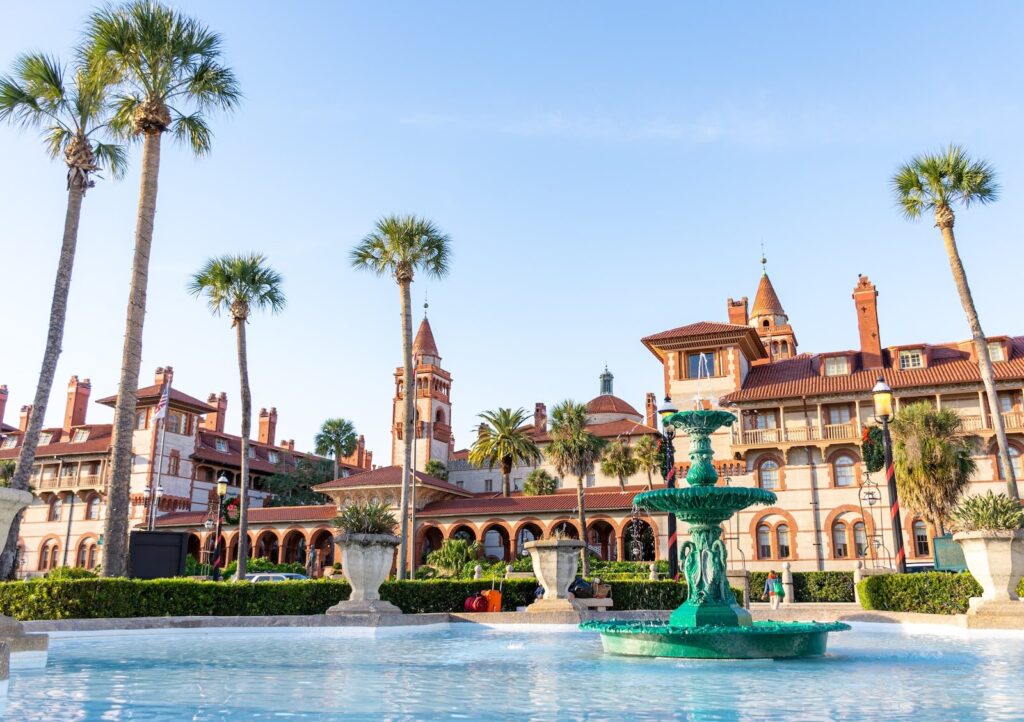
The Best Things to Do in St. Augustine
Why St. Augustine Belongs on Your Weekend Escape List
Whether you have a weekend or a full week, you will quickly discover there is no shortage of things to do in St. Augustine. Founded in 1565, the nation’s oldest continuously occupied European-established city in the continental United States packs more than four and a half centuries of history into a compact, walkable downtown. The list of things to do in St. Augustine includes centuries-old landmarks, beautiful waterfront views, museums, beaches, and some of the most unique attractions in Florida. Whether you are planning your first visit or returning for another weekend escape, the attractions in St. Augustine, Florida offer something new to discover every time.
One of the best parts about deciding what to do in St. Augustine is how much sits within walking distance of the historic district. Many of the best things to do in downtown St. Augustine are completely free, including strolling St. George Street, relaxing in the Plaza de la Constitución, or admiring the famous Nights of Lights during the holiday season. Cross the Bridge of Lions, and you will discover even more things to do near St. Augustine, from climbing the historic lighthouse on Anastasia Island to paddling through the tidal waters of Anastasia State Park. Couples come for the romance, history lovers come for the landmarks, and everyone finds another reason to return.
All of it is easier from the right home base. Casa de Sueños, our Bed and Breakfast St. Augustine visitors love, sits in the middle of the historic district, placing most of the best places to visit in St. Augustine within an easy walk of your room. Start each day with a homemade breakfast, spend the day exploring, then return for our complimentary evening social hour before heading back out to experience the nation’s oldest city after dark.
The Best Things to Do in St. Augustine
St. Augustine is a city built for wandering, and the things to do in St. Augustine for adults range from museums and wineries to waterfront strolls and historic landmarks. It is also one of Florida’s most romantic destinations, with countless things to do in St. Augustine for couples, from sunset walks along Matanzas Bay to horse-drawn carriage rides beneath centuries-old oak trees. If you are wondering what to do in St. Augustine, these are the experiences we recommend most often.
- Castillo de San Marcos National Monument. Construction on this Spanish fort began in 1672, making it the oldest masonry fort in the continental United States. Built from locally quarried coquina stone that absorbed cannon fire rather than splintering, the Castillo was never taken by force during a military siege. Admission includes seven consecutive days of entry, while the grounds surrounding the fort remain free to explore.
- St. George Street. The pedestrian-only heart of the historic district is lined with restaurants, galleries, boutiques, museums, and historic buildings, making it one of the best free things to do in St. Augustine. Wander from the Old City Gate toward the Plaza de la Constitución while exploring side streets filled with hidden courtyards and local shops. It is only about a five-minute walk from Casa de Sueños.
- Old Town Trolley Tours. If it is your first visit, the hop-on, hop-off trolley is one of the easiest ways to see the city’s major attractions while learning its history. During the holidays, special Nights of Lights tours are among the most popular things to do in St. Augustine at night.
- The Lightner Museum. Located inside Henry Flagler’s former Alcazar Hotel, the museum showcases Gilded Age collections, including Tiffany glass, fine art, Victorian decorative arts, and mechanical musical instruments. Before leaving, enjoy lunch at Café Alcazar, located in what was once one of the world’s largest indoor swimming pools.
- San Sebastian Winery and St. Augustine Distillery. Just a few blocks from the inn, San Sebastian Winery offers tours and tastings for guests 21 and older, with rooftop views at The Cellar Upstairs. Nearby, St. Augustine Distillery offers tours inside a beautifully restored former ice plant.
- St. Augustine Lighthouse and Maritime Museum. Climb 219 steps to the top of the 1874 lighthouse for views of the Atlantic Ocean, Matanzas Bay, and the historic city skyline.
- St. Augustine Alligator Farm Zoological Park. Open since 1893, this Anastasia Island attraction is the only zoological park in the world exhibiting every living species of crocodilian.
- Anastasia State Park. Just across the Bridge of Lions, Anastasia State Park protects approximately 1,600 acres of beaches, tidal marshes, maritime hammock, and more than four miles of shoreline.
- The beaches. Vilano Beach, Butler Beach, St. Augustine Beach, and Crescent Beach each offer wide stretches of sand for swimming, shelling, walking, or simply enjoying the Atlantic.
- Fountain of Youth Archaeological Park. This waterfront site marks the area where Pedro Menéndez de Avilés established St. Augustine in 1565.
- A ghost tour. Frequently ranked among America’s most haunted cities, St. Augustine offers several excellent walking and trolley ghost tours throughout the year.
- A horse-drawn carriage ride. Few romantic things to do in St. Augustine compare to a carriage ride through the historic district, with holiday rides during Nights of Lights especially popular.
- Nights of Lights. From late November through late January, millions of tiny white lights illuminate the historic district, creating one of the country’s most celebrated holiday displays, and Casa de Sueños sits right in the middle of it all.
Stay at Our Bed and Breakfast in St. Augustine
However you spend your days, the evenings belong at Casa de Sueños. Our Mediterranean Revival home, built in the early 1900s, features graceful archways, Palladian windows, open balconies, and a classic tile roof. Each of our seven guest rooms offers its own personality, and several include private balconies and jetted tubs, making our inn an excellent choice for couples looking for a romantic weekend escape.
Every morning begins with two hot homemade breakfast entrées, fresh fruit, baked breads, homemade granola, coffee, tea, and juices. In the evening, unwind during our complimentary social hour with wine and snacks before heading back out to experience St. Augustine after dark.
Book Your Weekend Escape Today
Add free off-street parking and a walkable location near nearly every attraction on this list, and it is easy to see why our lodging is a favorite Bed and Breakfast St. Augustine visitors return to year after year. Book your stay at Casa de Sueños and start planning your weekend escape.
Frequently Asked Questions
What is St. Augustine known for?
St. Augustine is known for being the oldest continuously occupied European-established city in the continental United States, along with landmarks like Castillo de San Marcos, the St. Augustine Lighthouse, and the annual Nights of Lights display.
When was St. Augustine founded?
St. Augustine was founded in 1565 by Pedro Menéndez de Avilés, making it the oldest city of its kind in the continental United States.
How far is St. Augustine from Jacksonville?
St. Augustine sits about 40 minutes south of Jacksonville, making it an easy day trip or weekend escape destination from the city.
What is there to do in St. Augustine in December?
December brings the Nights of Lights, when millions of white lights illuminate the historic district from late November through late January, along with holiday carriage rides and seasonal trolley tours.
The Best Things to do in Wausau on a Couples Getaway
Best Things to Do in Wausau WI for a Weekend Trip
Planning a weekend in Central Wisconsin often starts with identifying the best things to do in Wausau, WI, which offers excellent outdoor recreation and has a great local arts scene. Set along the Wisconsin River, Wausau combines scenic landscapes with a vibrant downtown and a full calendar of Wausau events that keep every visit engaging.
Outdoor exploration is a defining part of the experience. Rib Mountain State Park rises above the city and provides hiking trails with expansive views across the region. In colder months, the same landscape transforms into Granite Peak Ski Area, drawing visitors for downhill skiing. Along the river, Wausau Whitewater Park offers a unique setting for kayaking and canoeing, while nearby trails and forested areas provide additional options for hiking, biking, and cross-country skiing.
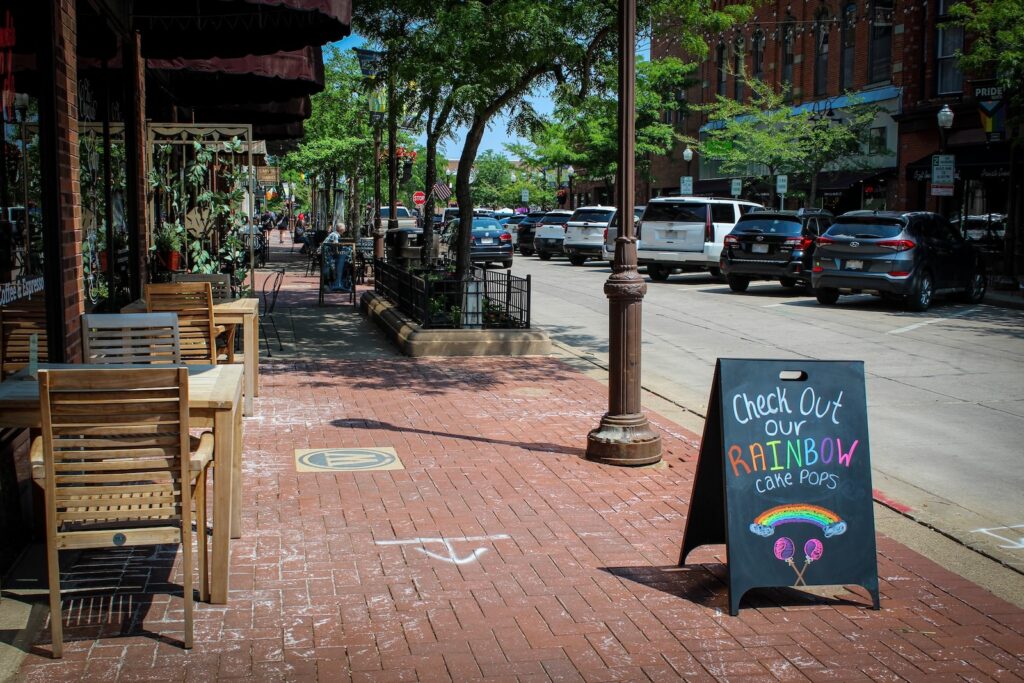
Downtown Wausau centers around Third Street and the 400 Block, where visitors find a lively mix of shops, cafes, and gathering spaces. Seasonal festivals, farmers’ markets, and live performances regularly take place here, making it one of the most active areas for Wausau events. The city’s arts scene includes destinations such as the Leigh Yawkey Woodson Art Museum and the Wausau Museum of Contemporary Art, which present rotating exhibits and nationally recognized collections. The historic Grand Theater completes the experience with a schedule of performances that includes concerts, plays, and touring productions.
Wisconsin Cabin Getaway
After exploring the many things to do in Wausau WI, returning to a private Wisconsin cabin getaway just outside the city offers a refined way to relax. Set on five wooded acres, this property combines architectural design with modern amenities, creating a setting that feels both secluded and intentional.
Inside, the cabin features a spacious living area with a fireplace, a fully equipped kitchen, and a dining space suited for quiet evenings. The king bedroom is designed for comfort, while the spa-style bathroom includes a deep soaking tub overlooking the surrounding landscape and a steam shower built for two. This elevated stay is the ideal complement to a weekend spent exploring Central Wisconsin, offering both privacy and comfort within easy reach of Wausau.

The Best Things to Do in Wausau, Wisconsin
Best What to Do in Wausau WI for Couples Getaways
Wausau, Wisconsin, offers culture, scenery, and walkable charm, making it an appealing choice for couples planning a romantic Midwest escape. For those researching what to do in Wausau WI, the city offers outdoor recreation and inviting local experiences that encourage time spent together.
Downtown Wausau serves as a natural starting point. Its historic streets are lined with brick storefronts, independent shops, and cafés. Couples can spend an afternoon browsing galleries, stopping for coffee, or settling into a restaurant that highlights seasonal ingredients and regional flavors. It’s easy to explore the many things to do in Wausau without a rigid itinerary.
Art and culture shape much of what to do in Wausau WI. The Wausau Museum of Contemporary Art features rotating exhibitions that introduce new perspectives with each visit. Nearby, the Leigh Yawkey Woodson Art Museum offers carefully curated collections and seasonal showcases that draw interest from across the region. In the evening, the Grand Theater provides a refined setting for live performances, including concerts and theatrical productions that add depth to a night out.
Outdoor experiences are also what to do in Wausau WI. Rib Mountain State Park offers scenic overlooks and wooded trails that create opportunities for both activity and quiet moments. The Wisconsin River is ideal for kayaking or a peaceful paddle through calm stretches of water. Couples can also explore historic neighborhoods such as the Andrew Warren District.
Stay at One of the Most Unique Hotels in Wisconsin
Choosing the right accommodations enhances any visit. As one of the most distinctive properties among Unique Hotels in Wisconsin, this boutique stay combines preserved architectural details with modern comforts. Guest suites include features such as fireplaces, soaking tubs, and select spa-inspired amenities designed to support relaxation. Each morning begins with a multi-course breakfast, while curated romance packages add thoughtful enhancements to the overall experience.
The Best Things to See in Missoula, Montana
Best Things to Do in Missoula Montana This Year
Missoula offers a dynamic mix of outdoor access and cultural experiences, making it a fabulous destination for visitors seeking variety. Set along the Clark Fork River and surrounded by rolling peaks, the city provides easy access to some of the most engaging things to do in Missoula Montana. Whether you are exploring for a weekend or planning a longer stay, there’s a great variety of experiences to add to your itinerary.
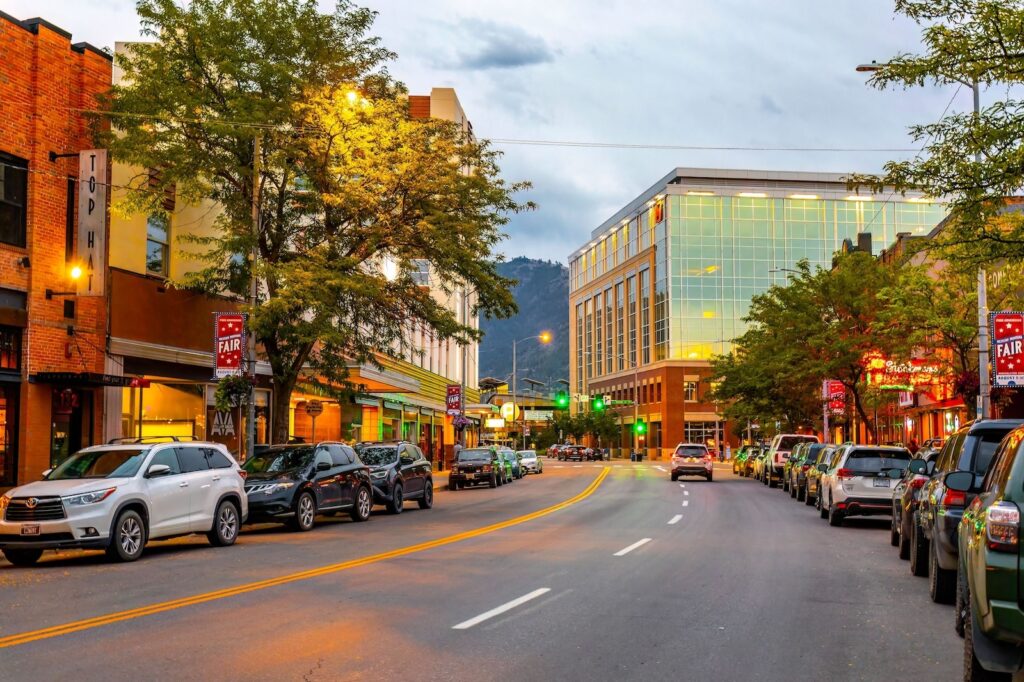
Downtown Missoula is a natural starting point, where locally owned shops, galleries, and restaurants line walkable streets. The riverfront trail system runs nearby, offering scenic views and a convenient way to connect with the outdoors. Caras Park serves as a central hub for Missoula events, from seasonal festivals to live music, all set along the river.
Outdoor enthusiasts will find no shortage of options. The “M” Trail on Mount Sentinel provides a short but steep hike with stunning views, while nearby routes like Mount Jumbo and Waterworks Hill offer additional variety. The Clark Fork River invites everything from relaxed riverside walks to floating and fly fishing, with local outfitters available to guide both beginners and experienced anglers. Biking is equally accessible, with paved trails and nearby mountain biking terrain at Blue Mountain Recreation Area and Pattee Canyon.
Art and history anchor the cultural side of a Missoula visit. The Missoula Art Museum highlights regional artists through rotating exhibitions, while the Historical Museum at Fort Missoula offers insight into the area’s past. Downtown venues such as the Wilma Theater and KettleHouse Amphitheater host performances that range from touring acts to local productions, adding energy to the city’s evening scene.
Stay at Unique Lodging in Missoula
After a full day exploring what to do in Missoula, returning to a comfortable and thoughtfully designed space enhances the overall experience. Our Unique Lodging in Missoula provides guest rooms with private bathrooms, jetted tubs, heated floors in select rooms, and electric fireplaces for added comfort. The setting reflects the surrounding mountain environment while maintaining a refined, welcoming atmosphere.
Each morning begins with a freshly prepared breakfast, featuring options such as Swedish pancakes and savory dishes served in the dining room or on the patio. Outdoor spaces, including a water garden, offer a quiet place to unwind before or after a day of exploring Missoula Montana attractions. Booking directly ensures a seamless stay that complements your time discovering the best things to do in Missoula Montana.
The Best Time to Visit Durango, CO
Best Time to Visit Durango & Things to Do in Every Season
Choosing the best time to visit Durango depends on what you want most from your mountain getaway. With four distinct seasons, Durango offers a dynamic mix of outdoor adventure, cultural experiences, and refined relaxation that keeps travelers returning year after year. Whether you are planning your first Durango, Colorado vacation or coming back to explore more in-depth, each season brings something different to enjoy.
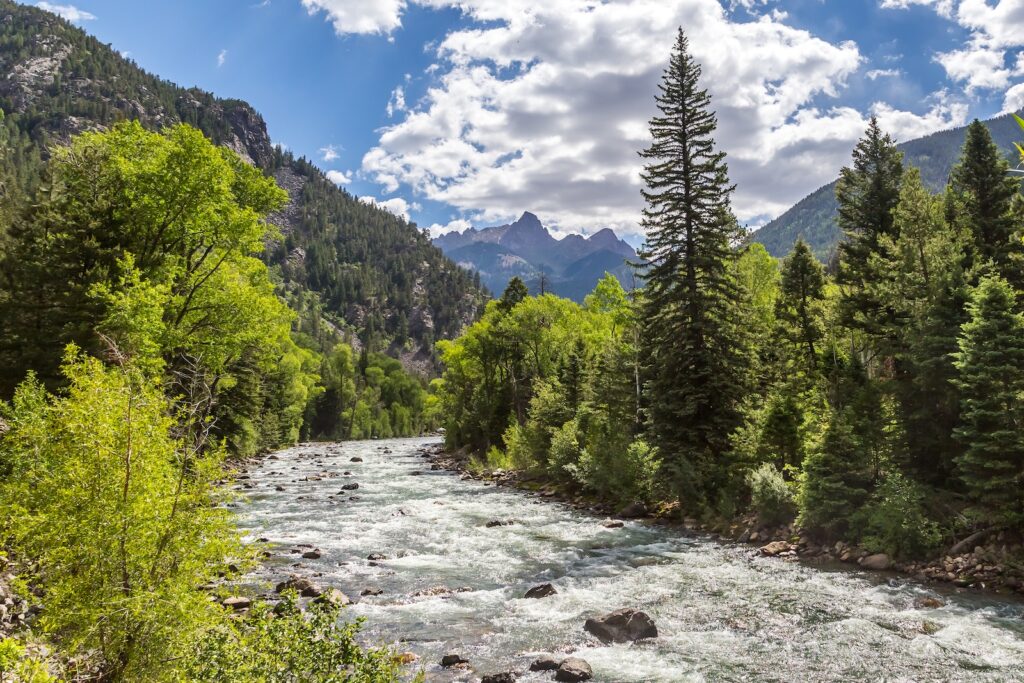
Spring is a quieter, often-overlooked time to visit, making it ideal for travelers who enjoy fresh landscapes and fewer crowds. Snowmelt brings life back to rivers and canyons, hiking trails begin to reopen, and downtown Durango feels energized without feeling busy. It is a great season for exploring Lightner Creek Canyon, rafting the Animas River, and enjoying a more relaxed pace while still having plenty of things to do in Durango.
Summer is the most popular season and is often considered the best time to visit Durango for outdoor adventure. Long days and comfortable mountain temperatures make it easy to pack your itinerary with mountain biking, fishing, jeep tours, festivals, and scenic train rides. Travelers researching what to do in Durango will find that nearly every activity is available during summer, though booking lodging early is essential.
Fall is widely favored by locals and repeat visitors. Golden aspens, crisp air, and lighter crowds create an ideal setting for hiking, photography, dining, and wine tasting. For couples, especially, fall offers one of the best times to visit Durango for a more refined and relaxed experience.
Winter transforms the area into a cozy mountain escape. Skiing at nearby Purgatory Resort, snowshoeing, hot springs visits, and fireside evenings give winter trips a slower, more intimate feel. Many travelers discover winter is their favorite season to experience Durango.
Elegant Lodging That Elevates Every Season
Where you stay plays a major role in how your trip feels. Antlers on the Creek, a Durango Bed and Breakfast located in Lightner Creek Canyon, offers privacy, historic character, and thoughtful hospitality just minutes from downtown. Gourmet breakfasts and chef-prepared dinners add a memorable culinary layer to every stay, while personalized local insight helps guests experience the best of each season.
No matter when you decide is the best time to visit Durango, choosing a stay that complements the experience ensures your mountain getaway feels complete.
The Best Time to Visit Lassen Volcanic National Park
Best Time to Visit Lassen National Park for Adventure
For travelers planning an adventure-focused getaway, timing matters, and the best time to visit Lassen National Park is when access and conditions align. Located in Northern California’s volcanic mountains, Lassen Volcanic National Park is most fully open and accessible during the summer months, making it ideal for those who want to experience the park without seasonal limitations.
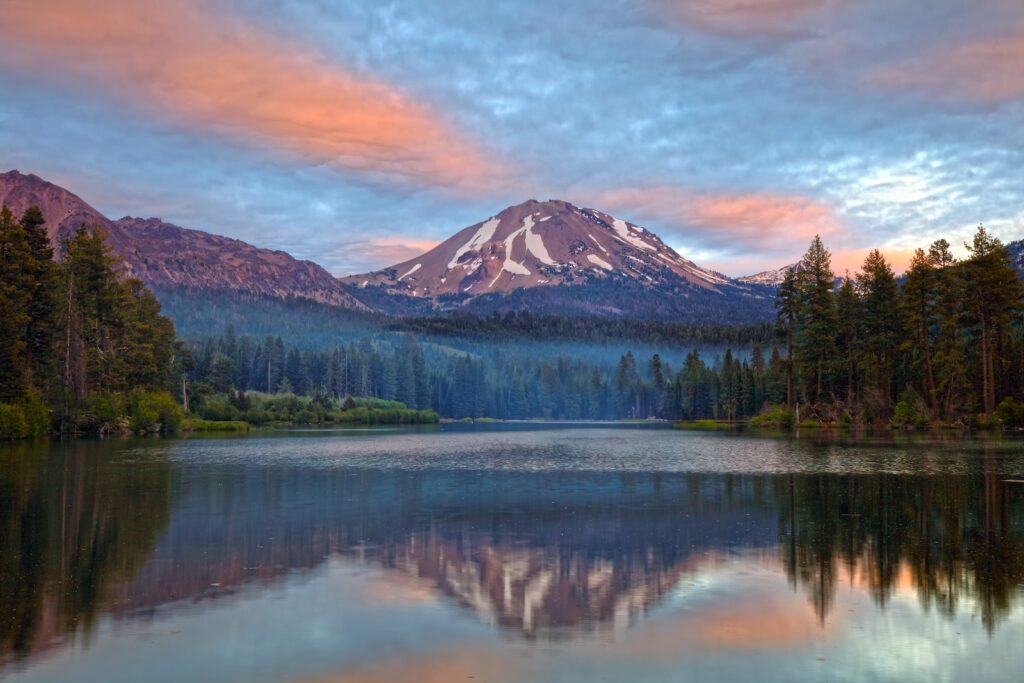
Summer brings clear roads, open trail systems, and reliable weather, allowing visitors to explore the full range of things to do in Lassen National Park. High-elevation routes, geothermal areas, and alpine lakes are all reachable, creating a more complete experience than other times of year. Days are warm enough for hiking, while cooler evenings provide a welcome break after long hours outdoors.
One of the biggest draws during this season is hiking. Lassen Volcanic National Park hikes range from short interpretive walks to challenging climbs, including the iconic Lassen Peak trail. Summer conditions allow access to wildflower-filled meadows, clear lakes, and sweeping viewpoints that remain snow-covered or closed earlier in the year. Geothermal features like Bumpass Hell, Sulphur Works, and Devils Kitchen are also easiest to reach when trails are fully open, making summer the most rewarding season for first-time and returning visitors alike.
Where to Stay Near Mount Lassen
Choosing the right lodging enhances any adventure. Among Lassen National Park Hotels, historic lodges located just outside the park offer a comfortable alternative to camping. Staying near Mount Lassen allows visitors to spend full days exploring, then return to welcoming accommodations designed for rest and recovery.
A European-style lodge near the park entrance offers cozy guest rooms, hearty breakfasts, and on-site dining, making trip planning easier. After a day of hiking or sightseeing, guests can relax in peaceful surroundings while still being close to Lassen Volcanic National Park’s top attractions.
While each season brings a different character to the park, summer remains the clear choice for travelers seeking flexibility, full access, and variety. For those deciding on the best time to visit Lassen National Park for adventure, the warmer months deliver the most immersive and satisfying experience.