Travel Experience Lodging – Port Angeles & Sequim, Washington
Best Hurricane Hill Trail Tips for Olympic National Park
Your Guide to Hiking Hurricane Hill This Summer
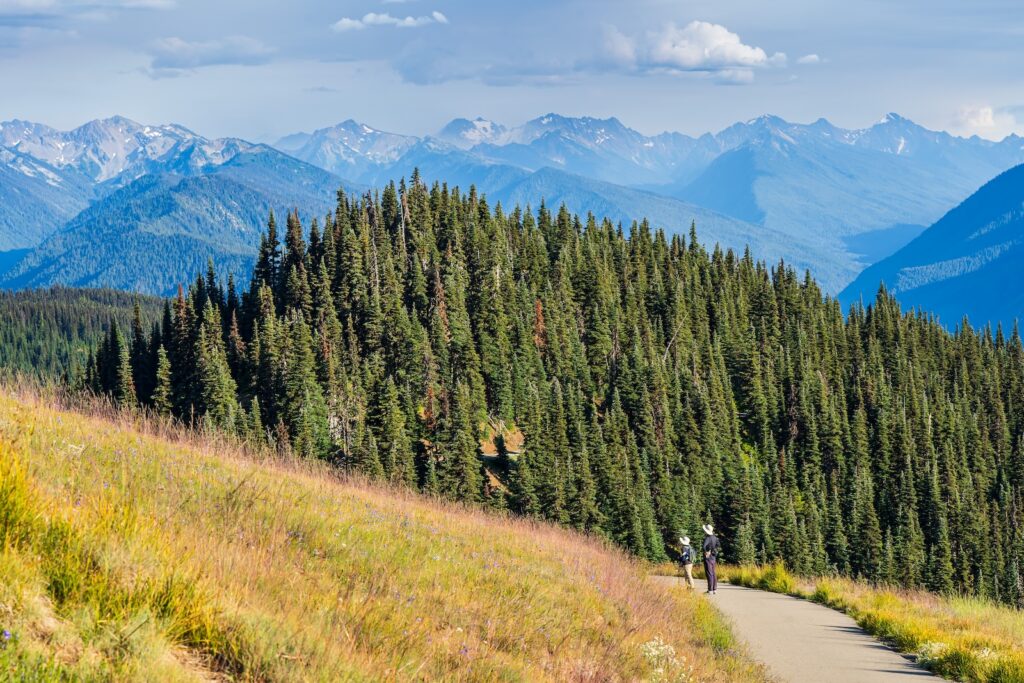
Hurricane Hill is one of the most rewarding hikes in Olympic National Park, offering sweeping mountain views, abundant summer wildflowers, and a trail that is accessible to a wide range of hikers. Located just beyond the Hurricane Ridge Visitor Center, the Hurricane Hill Trail is approximately 3 to 3.5 miles round trip and climbs to an elevation of 5,757 feet. Along the route, visitors can enjoy views of the Bailey Range, the Olympic Mountains, Port Angeles, the Strait of Juan de Fuca, and Vancouver Island.
The trail begins at approximately 5,200 feet, allowing hikers to experience impressive scenery almost immediately. While the route is considered a moderate hike, the paved trail makes it more approachable than many other Olympic National Park hikes. The final section to the summit is steeper, and the exposed terrain means hikers should prepare for full sun and changing mountain weather conditions.
Summer is one of the best times to experience Hurricane Hill. July and August often provide clear skies and vibrant displays of lupine, Indian paintbrush, penstemon, and tiger lilies. Wildlife sightings are also common, with black-tailed deer, Olympic marmots, chipmunks, and gray jays frequently spotted along the trail. For visitors looking for memorable things to do on the Olympic Peninsula, Hurricane Hill offers an excellent combination of scenery, wildlife viewing, and accessibility.
Lodging Near Olympic National Park for Your Adventure Getaway
After completing your Hurricane Ridge hike, continue exploring the Olympic Peninsula. Spend additional time discovering Hurricane Ridge, visit popular coastal destinations such as Rialto Beach, Ruby Beach, and Second Beach, or explore nearby communities including Port Angeles and Sequim. Cyclists can also enjoy sections of the Olympic Discovery Trail, which winds through forests, farmland, and coastal landscapes.
Planning ahead is important during the busy summer season. The Hurricane Hill Trailhead parking area often reaches capacity by mid-morning, particularly on weekends. Arriving early can help ensure a smoother start to your day. Visitors should bring water, sunscreen, sunglasses, and a wind-resistant layer, as summit conditions can be significantly cooler than lower elevations.
For those planning a mountain adventure getaway, our lodging near Olympic National Park provides a distinctive place to stay between excursions. Choose from treehouses, waterfront retreats, bluff-top cabins with private hot tubs, mountain escapes, and other thoughtfully designed vacation rentals. Whether you are exploring the Hurricane Hill Trail, discovering additional Olympic National Park hikes, or searching for the best things to do in Olympic National Park, our accommodations provide a comfortable home base for your Olympic Peninsula adventure. Book your stay today and make the most of your summer mountain getaway.
Best Sol Duc Falls Trail Guide for a Summer Adventure
Sol Duc Falls Trail Guide for a Summer Adventure
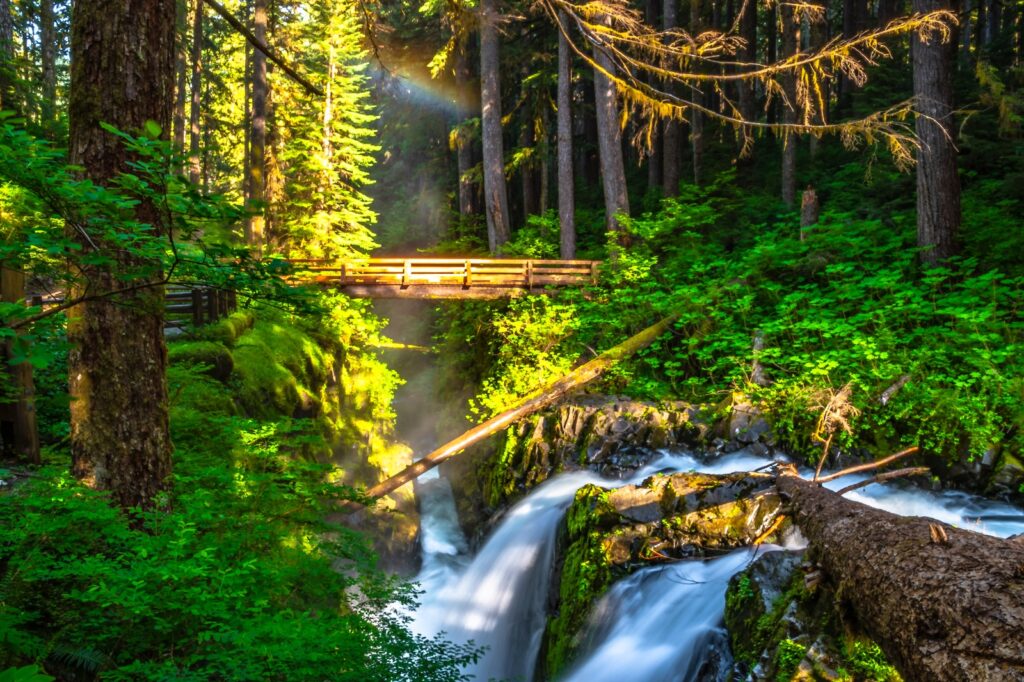
Summer is one of the best times to experience Sol Duc Falls, one of the most photographed waterfalls in Olympic National Park. Located in the heart of the Sol Duc Valley, this popular destination combines an easy forest hike with dramatic scenery, making it a favorite for visitors looking for memorable things to do in Olympic National Park.
The Sol Duc Falls Trail is approximately 1.8 miles round trip with about 200 feet of elevation gain, making it accessible for families, beginner hikers, and anyone looking for a rewarding outdoor adventure. The trail winds through a lush old-growth forest filled with western hemlocks, Douglas firs, western red cedars, ferns, and moss-covered landscapes that showcase the beauty of the Pacific Northwest.
As you make your way along the trail, the sound of the Sol Duc River gradually grows louder until you reach the main viewpoints overlooking Sol Duc Falls. Here, the river plunges roughly 48 feet into a narrow gorge, creating one of the most impressive waterfall scenes in Olympic National Park. A footbridge spanning the gorge offers a remarkable vantage point and one of the most recognizable views in the park.
Summer provides ideal hiking conditions with longer daylight hours and comfortable temperatures. Visitors should arrive early during weekends and holidays, as parking at the trailhead can fill quickly. Waterproof footwear is recommended since portions of the trail can be muddy or slippery.
Olympic National Park Lodging Near Sol Duc Falls
The adventure does not have to end when you leave the trail. Our Olympic National Park lodging options place you close to the Sol Duc Valley, Port Angeles, Sequim, and many of the region’s most popular attractions. Choose from cozy cabins, elevated treehouses, waterfront cottages, and unique vacation rentals designed to help you relax after a day of exploring.
The Sol Duc Valley offers even more opportunities to extend your adventure. Spend time soaking in the nearby Sol Duc Hot Springs, visit Salmon Cascades, or continue exploring other highlights throughout Olympic National Park, including Hurricane Ridge and the park’s rugged coastline. After a full day outdoors, return to the comfort and privacy of your vacation rental, complete with amenities that make it easy to unwind and plan the next day’s activities.
Whether you are planning a summer adventure getaway, a family vacation, or a couples retreat, our Olympic National Park lodging provides an ideal home base for discovering everything this remarkable region has to offer. Book your stay today and start planning your Sol Duc Falls adventure.
Discover the Beautiful Marymere Falls in Olympic National Park
A Short Hike With Big Scenery
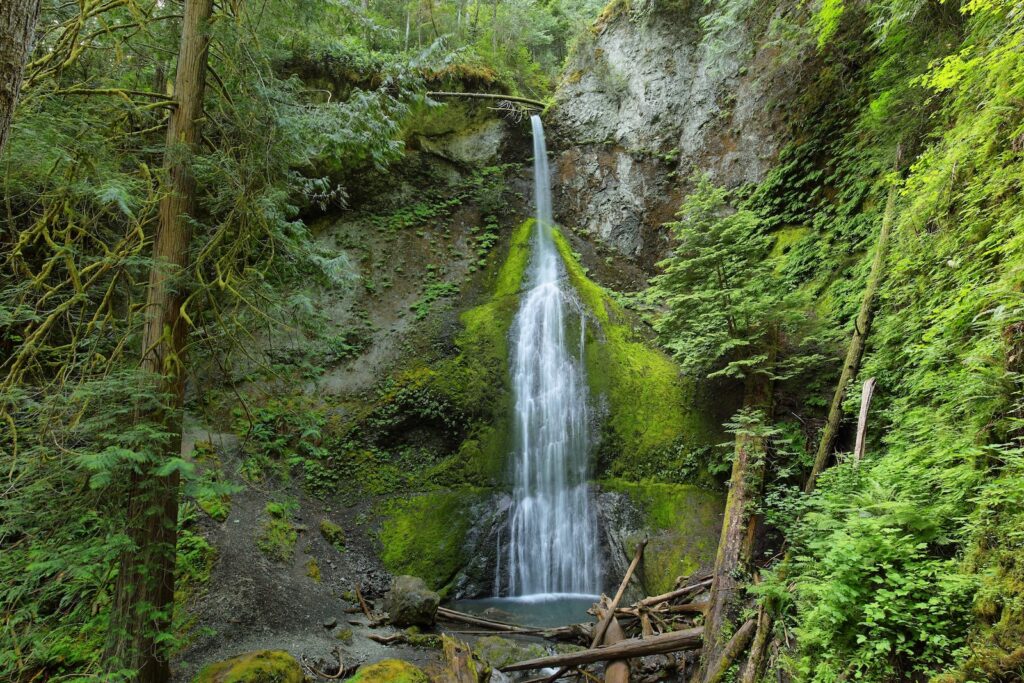
Few Olympic National Park hikes pack in as much scenery in under two miles as Marymere Falls. The trail begins near the shore of Lake Crescent and winds through centuries-old forest, crosses two picturesque creek bridges, and ends at a 90-foot waterfall dropping into a fern-covered ravine. It is one of the most accessible waterfalls in Olympic National Park and one of the best short hikes for anyone building a nature retreat around the peninsula.
Because the hike is short, you will still have plenty of time to see more of the area afterward. Walk the Spruce Railroad Trail at nearby Lake Crescent, one of Washington’s deepest and clearest lakes, or continue on to other Olympic National Park waterfalls like Sol Duc Falls and Madison Falls. For a different landscape entirely, the Hoh Rain Forest and the Pacific coastline are both within reach. Few parks offer this much variety in such a short drive, which is exactly why so many trip itineraries center on this corner of the peninsula.
If you are looking for lodging in Olympic National Park, our vacation rentals across Port Angeles and Sequim range from romantic treehouses and waterfront cabins to mountain-view retreats and a castle surrounded by Sequim’s lavender fields. Staying nearby keeps you close to the park’s most popular attractions while giving you the space and privacy a real nature retreat should have.
Plan Your Marymere Falls Hike
The Marymere Falls Trail begins near the Storm King Ranger Station on the south shore of Lake Crescent. Within the first few minutes, the trail passes beneath Highway 101 through a short pedestrian tunnel before entering old-growth forest filled with western hemlock, Douglas fir, western red cedar, and moss-covered bigleaf maples. The full hike runs 1.8 miles round trip with about 200 feet of elevation gain. The first half stays fairly level before climbing through switchbacks and wooden stairs to the waterfall viewpoints, crossing bridges over Barnes Creek and Falls Creek along the way. Most visitors spend an hour to an hour and a half on the trail.
Marymere Falls drops about 90 feet into a narrow, shaded canyon, making it one of the most photographed waterfalls in Olympic National Park. Two viewing platforms offer different perspectives: the lower overlook gives a front-facing view of the falls, while the upper platform shows more of the surrounding cliffs and forest. Even in summer, the dense canopy keeps the trail pleasantly cool.
This trail ranks among the busiest in the park from late spring through early fall. Parking at the Storm King Ranger Station often fills before mid-morning, so an early or late-afternoon start gives you the best shot at a spot and fewer crowds. If the main lot is full, you can also start from Lake Crescent Lodge, which adds only a short walk. A valid Olympic National Park entrance pass is required; restrooms are available at both the ranger station and the lodge, and pets are not permitted on the trail. Shoes with good traction are recommended, since sections can turn muddy or slippery after rain.
Because the hike is short, there is time to explore more of the Lake Crescent area afterward. Take a swim in the clear lake, have lunch at Lake Crescent Lodge, stroll the nearby Moments in Time Nature Trail, or tackle the steeper Mount Storm King hike from the same trailhead. Within an hour of Marymere Falls, you can also reach the Hoh Rain Forest, Sol Duc Falls, or the sea stacks at Rialto Beach, making this one of the easiest bases for experiencing the range of things to do in Olympic National Park.
Find the Best Lodging in Olympic National Park
There is no better way to close out a day at Marymere Falls than returning to a vacation rental built for the surrounding scenery. Our lodging in Olympic National Park includes treehouses tucked into the forest canopy, waterfront cabins, mountain-view retreats, and a castle framed by Sequim’s lavender fields.
Staying near Port Angeles or Sequim keeps you close to everything the park offers. After a day on the trail, relax in a private hot tub, cook dinner in a full kitchen, or take in views of the Strait of Juan de Fuca or the Olympic Mountains. Many properties also offer easy access to beaches, hiking trails, and kayaking, so the exploring does not have to stop once you leave the trailhead.
Book Your Nature Retreat Today
A trip built around Marymere Falls and Lake Crescent works best with a home base that matches the scenery. Book your lodging in Olympic National Park and start planning your next nature retreat on the peninsula.
Frequently Asked Questions
How long is the hike to Marymere Falls?
The Marymere Falls Trail is 1.8 miles round trip with about 200 feet of elevation gain, and most visitors finish in an hour to an hour and a half.
Are dogs allowed in Olympic National Park?
Dogs are allowed in many areas of the park, including some roads and campgrounds, but pets are not permitted on the Marymere Falls Trail itself.
Do you need a pass for Olympic National Park?
Yes. A valid Olympic National Park entrance pass is required to access trailheads throughout the park, including the one for Marymere Falls.
What is the entrance fee for Olympic National Park?
Entrance fees vary by pass type and vehicle, so check the current rate on the National Park Service website before your visit.
Don’t Miss These Hikes in the Olympic National Park
Best Olympic National Park Hikes to Explore Now
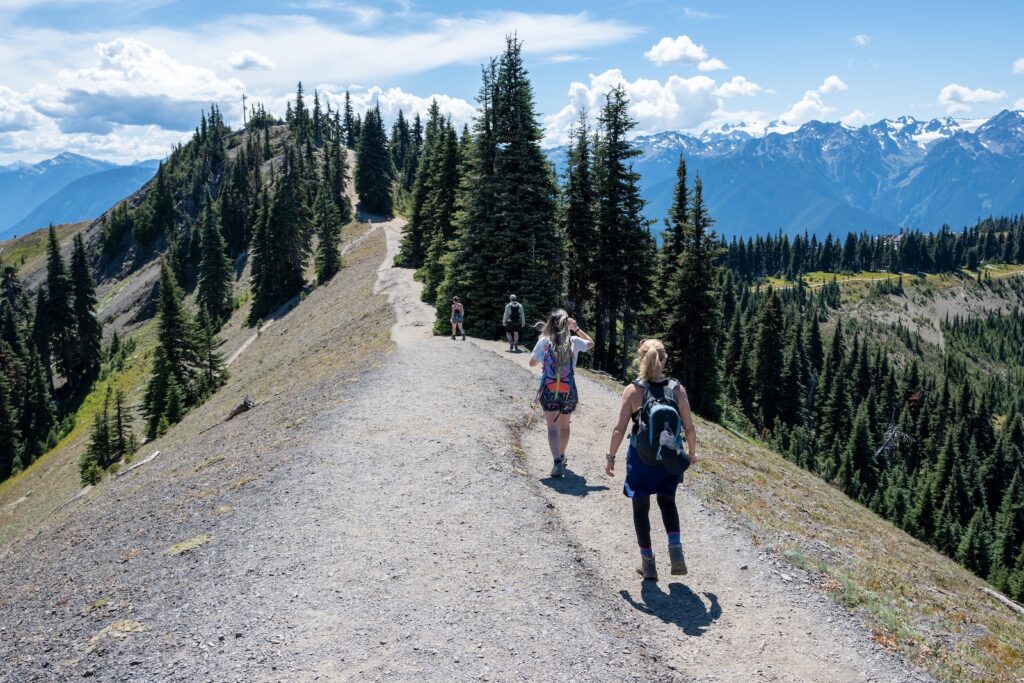
Olympic National Park is defined by dramatic contrasts, where the Olympic Mountains rise from dense forests to rugged coastline within a single landscape. This range of environments makes Olympic National Park hikes some of the most dynamic in Washington. You can move from moss-covered rainforest to alpine ridgelines and coastal tide pools in one itinerary, with each trail offering a distinct perspective of the park.
Hiking in Olympic National Park invites a more immersive experience than scenic overlooks alone. Trails shift in texture and elevation, with cool, shaded forest paths giving way to open mountain views. Conditions can vary quickly, even in warmer months, so preparation is essential. Early starts are recommended, especially for popular trailheads like Hurricane Ridge and the Hoh Rainforest, where parking fills quickly.
Among the best hikes in Olympic National Park, Hurricane Hill stands out for its accessible terrain and sweeping views. For a more challenging route, Mount Storm King offers steep elevation gain and rewarding views over Lake Crescent. Nearby, Marymere Falls provides a shorter, approachable hike with a scenic waterfall destination. In the Sol Duc area, Sol Duc Falls and the Lover’s Lane Loop combine forest scenery with iconic cascades.
For those seeking alpine scenery, the High Divide and Seven Lakes Basin Loop delivers expansive views and access to remote lake country, while Enchanted Valley offers a longer trek through dramatic river landscapes. Along the coast, Rialto Beach to Hole in the Wall and the Ozette Triangle Loop highlight the rugged shoreline and tidepool ecosystems that define the Olympic Peninsula.
Lodging Near Olympic National Park
After a full day exploring Olympic National Park hiking trails and enjoying all the other things to do on the Olympic Peninsula, having a comfortable place to return to elevates your stay in the best way possible. Our top-rated lodging near Olympic National Park provides space to cook, organize gear, and recharge. With options suited for families, couples, and groups, including dog-friendly accommodations, these rentals offer a practical base for exploring the park. Amenities like full kitchens and outdoor spaces support a relaxed end to active days, making it easier to plan your next route through one of Washington’s most diverse landscapes.
Epic Adventures Await in the Olympic National Park
Local Guide: Top Things to Do in Olympic National Park
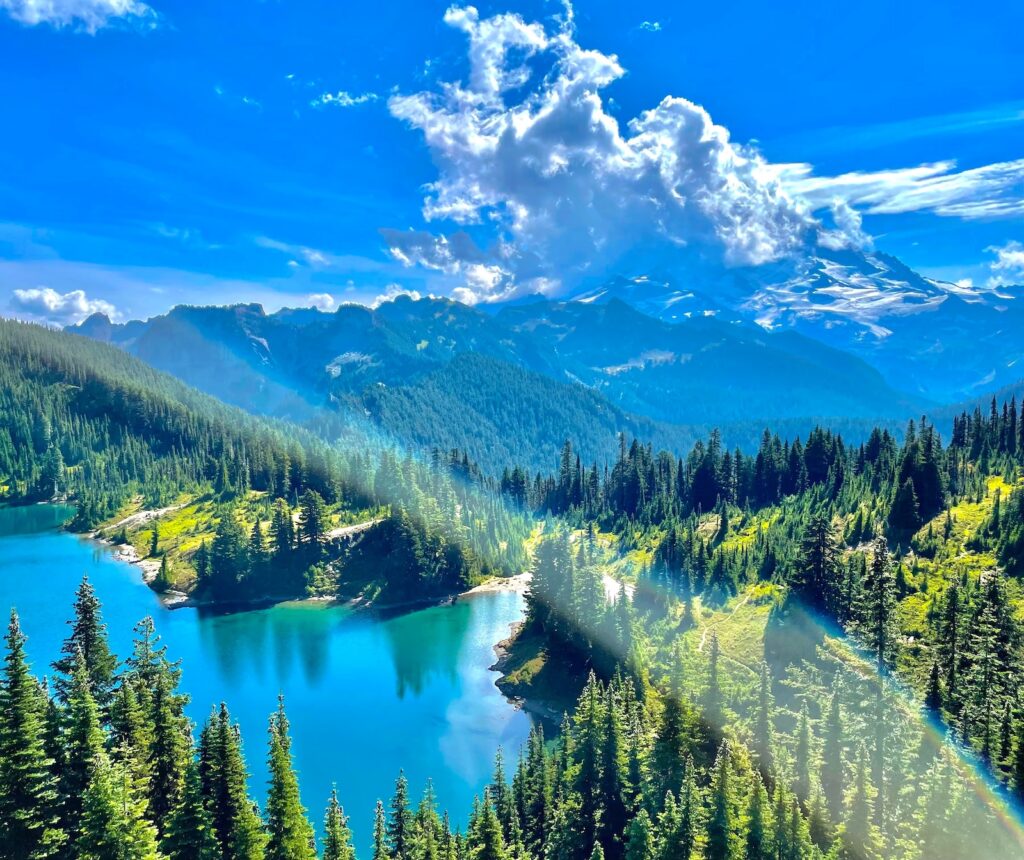
Olympic National Park stands out for its remarkable range of landscapes, combining alpine peaks, dense rainforest, and rugged coastline within a single destination. Travelers searching for things to do in Olympic National Park will find that the variety supports a well-paced adventure getaway with distinct experiences across each region.
Most visitors find that two to four days is the ideal timeframe for a balanced Olympic National Park itinerary. With two days, you can cover essential Olympic National Park attractions, including a mountain viewpoint, a rainforest stop, and time along the coast. Extending your stay allows for deeper exploration, including longer hikes in Olympic National Park and additional coastal stops.
Begin your itinerary at Hurricane Ridge, one of the most accessible high-elevation areas in the park. This location offers expansive views of the Olympic Mountains, with trails like Hurricane Hill providing a rewarding hike with consistent scenery. From there, Lake Crescent offers a change of pace with calm water, shoreline access, and a short forest walk to Marymere Falls.
The Hoh Rain Forest introduces a completely different environment. Trails such as the Hall of Mosses and Spruce Nature Trail highlight dense vegetation, towering trees, and a rich understory. For those interested in longer hikes in Olympic National Park, the Hoh River Trail provides a flexible out-and-back option.
Along the coast, Olympic National Park beaches such as Rialto and Ruby Beach showcase sea stacks, tide pools, and driftwood-lined shores. Timing your visit with the tide chart enhances access to areas like Hole in the Wall, while nearby stops such as Kalaloch offer scenic viewpoints.
The Best Olympic National Park Lodging Options
Choosing the right Olympic National Park lodging supports a flexible and comfortable trip. Private vacation rentals provide a practical alternative to traditional lodging, offering space to reset between hikes, beaches, and daily drives. With options that accommodate families, couples, and groups, these properties create a reliable home base near the park’s top highlights, not to mention all the other incredible things to do on the Olympic Peninsula.
Make the Trek From Seattle to Olympic National Park
Best Seattle to Olympic National Park Travel Itinerary
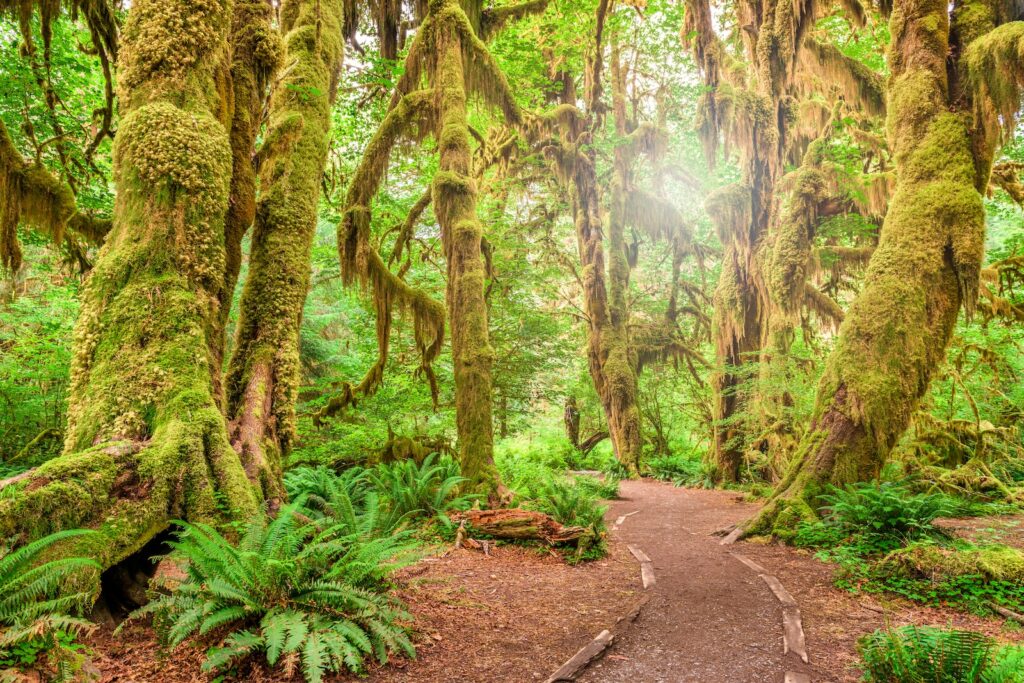
A Seattle to Olympic National Park adventure is one of the most rewarding ways to experience Washington’s natural variety in a short amount of time. Located just across Puget Sound, Olympic National Park is an easy drive from Seattle and offers an impressive mix of landscapes that feel worlds apart from city life. Rainforests, rugged coastline, mountain viewpoints, and peaceful lakes all exist within one park, making it one of the most memorable National Parks near Seattle.
Spring is an especially appealing season for an Olympic National Park getaway. Snowmelt brings waterfalls to life, forest trails glow with new growth, and coastal beaches feel dramatic and uncrowded. Travelers often start by exploring the Hoh Rain Forest, where moss-covered trees and quiet paths create an immersive experience. Hurricane Ridge is another highlight, offering sweeping mountain views and a chance to see lingering snow alongside early seasonal color.
Along the coast, Rialto Beach and Ruby Beach deliver classic Pacific Northwest scenery. Sea stacks, driftwood, and crashing waves make these spots ideal for long walks, tide pooling, and photography. Lake Crescent adds a different kind of beauty, with clear blue water surrounded by forested hills. It is a great place for kayaking, short hikes, or a scenic stop along your drive.
Where to Stay Near Olympic National Park
Choosing the right lodging plays a major role in shaping your Seattle to Olympic National Park adventure. Travel Experience Lodging offers top-rated vacation rentals in Port Angeles, Sequim, and nearby areas, placing guests close to many of the park’s most popular entrances and attractions. These thoughtfully designed homes are ideal for couples, families, groups of friends, and pet-friendly travelers who want comfort after full days outdoors.
Port Angeles provides convenient access to Hurricane Ridge and Lake Crescent, while Sequim offers a quieter setting with easy routes to trailheads and coastal drives. With spacious layouts, well-equipped kitchens, and inviting outdoor spaces, these rentals create a relaxing home base for adventure-focused trips.
From learning fun facts about Olympic National Park to exploring its diverse ecosystems, this destination delivers a truly memorable experience. Start planning your Seattle to Olympic National Park getaway and book a stay that makes the journey just as enjoyable as the destination.
Olympic National Park Hikes: The Best Trails to Explore This Fall
Fall might be the most underrated season for Olympic National Park hikes. The air turns crisp, the rain forests settle into their wetter, greener rhythm, and bigleaf and vine maples scatter gold and yellow through a landscape that’s mostly evergreen and moss. By October, summer’s crowds have thinned, and the trails have room to breathe. Whether you’re after easy hikes in Olympic National Park with kids in tow or one of the best day hikes in Olympic National Park with real elevation to earn, autumn is worth building a trip around.
Hiking isn’t the only draw this time of year. The Olympic Peninsula Loop links Lake Crescent, rain forest, and coastal stops into one scenic drive; Olympic National Park beaches offer a slower afternoon between trail days; and the Sol Duc Valley hosts an annual salmon run at Salmon Cascades. If you want a rest day, fall is also prime season to visit Olympic Peninsula wineries. Together, these fill out a full fall getaway around your hiking plans.
Best Olympic National Park Hikes to Take This Fall
These four hikes cover a rain forest, a subalpine lake, mountain views, and wild Pacific coastline, making them some of the best hikes in Olympic National Park for experiencing the peninsula’s range of landscapes in a single trip.
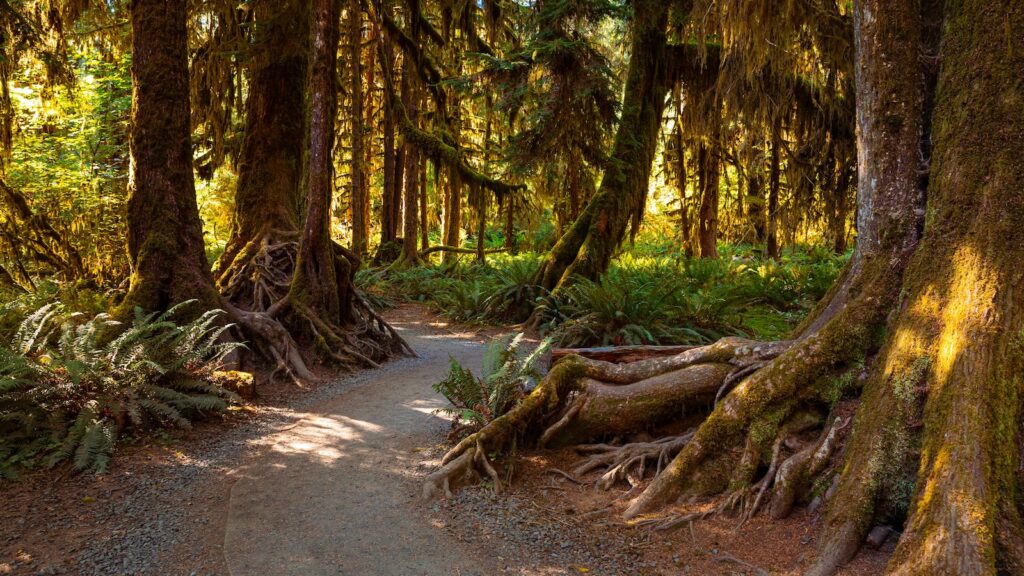
Hall of Mosses, Hoh Rainforest. At 0.8 miles with about 100 feet of elevation gain, the Hall of Mosses is one of the easiest and most rewarding walks in the park. The loop winds through old-growth rain forest, past a grove of maples draped in club moss, with ferns and nurse logs covering the forest floor.
Fall brings a wetter, quieter Hoh Rain Forest, and the bigleaf and vine maples add real color against the moss-covered trunks. It’s also one of the smarter times to visit if you’re trying to avoid the Hoh’s peak summer traffic. The drive from Port Angeles runs about two hours, and less than an hour from Forks, so plan most of a day around it rather than squeezing it in between other hikes.
Lake Angeles. For one of the best day hikes in Olympic National Park close to Port Angeles, Lake Angeles delivers. The trail starts in the Heart O’ the Hills area and climbs 3.5 miles to a subalpine lake basin at roughly 4,250 feet, making the round trip about 7 miles. The National Park Service lists early July through October as the ideal window. Check trail and weather conditions before heading out, especially later in the season when mountain weather can turn quickly. With Heart O’ the Hills only about five miles from Port Angeles, this is one of the most convenient substantial hikes near Port Angeles.
Blue Mountain, Deer Park. This is the shortest hike on the list and one of the biggest payoffs for the effort. The Rain Shadow Loop climbs just 0.5 miles to the Blue Mountain summit area, gaining about 170 feet, and opens onto sweeping views across the surrounding mountains and lowlands. Getting there is the real challenge. Deer Park Road runs 18 miles, narrow and steep, with the final 9 miles unpaved, and it isn’t suitable for RVs or trailers. The road closes at the park boundary from late fall until spring snowmelt, so treat Blue Mountain as an early fall opportunity and check current Deer Park Road conditions before leaving Port Angeles or Sequim.
Third Beach. For something entirely different, head toward La Push and the park’s wilderness coast. The Third Beach Trail runs about 1.4 miles one way through coastal forest before dropping to a sandy beach lined with driftwood, sea stacks, and distant views of Giants Graveyard. Fall storms can bring high winds and heavy surf, making beach hiking difficult or unsafe, and parking at the trailhead is limited. Check the marine forecast and tides before you go, and carry a tide chart if you plan to continue past Third Beach along the wilderness coast.
Where to Stay for Easy Access to These Trails
Where you stay shapes how these Olympic National Park hikes fit together. A Port Angeles base puts Lake Angeles and Deer Park within easy reach, while the Hoh Rain Forest and Third Beach are longer days that cross the peninsula. The Olympic Peninsula itself stretches from mountains to rainforest to coastline, so plan for driving time between ecosystems. Our lodging near Olympic National Park in Port Angeles and Sequim works especially well if you want quick access to the park’s northern side while still leaving room for a west side adventure or two.
Lodging Olympic National Park Travelers Rely on After a Long Trail Day
After a day covering Olympic National Park hikes, you’ll want somewhere spacious and comfortable to return to. For hiking near Port Angeles, Eagles Nest and Eagles Perch offer two of our most distinctive stays, both cedar treehouses elevated about 20 feet above the ground with views across the Strait of Juan de Fuca. On the Sequim side, the Sequim Lavender Cabin pairs panoramic Strait views with a private trail to the beach, kayak rentals, and a hot tub. Cedar Lodge is another strong Port Angeles option with beautiful water views and a hot tub, while Driftwood View Cabin in Sequim offers floor-to-ceiling Strait views, private beach access, a full kitchen, and a hot tub for evenings after longer west-side drives.
Pick the Olympic National Park hikes you most want to experience, then choose the vacation rental that makes those trail days easiest. Fall on the Olympic Peninsula should feel like an adventure getaway from start to finish, lodging included. Book your stay today and make this the season you finally take on these trails.
Olympic National Park Hikes: FAQ
What are the best hikes in Olympic National Park?
The Hall of Mosses, Lake Angeles, Blue Mountain, and Third Beach each showcase a different side of the park, from old-growth rainforest to subalpine lake basins to wild Pacific coastline. Together they cover the range of landscapes that make Olympic National Park hikes worth planning a full trip around. Hiking is one of the many things to do in Olympic National Park.
Where to stay in Olympic National Park?
Port Angeles and Sequim both make strong home bases for exploring Olympic National Park hikes. Port Angeles sits closest to Lake Angeles and Deer Park, while Sequim offers easy access to the Strait of Juan de Fuca and nearby beaches. Vacation rentals with hot tubs and full kitchens make it easy to recover between trail days.
How many days do you need for Olympic National Park hikes?
Three to four days is enough to cover a rain forest hike like the Hall of Mosses, a mountain hike like Lake Angeles, and a coastal hike like Third Beach without rushing. Add a day if you also want to fit in a visit to Deer Park or a slower day at the beach.
When is the best time to hike in Olympic National Park?
Early July through October covers most of the park’s higher-elevation trails, including Lake Angeles, while lower-elevation hikes like the Hall of Mosses and Third Beach can be enjoyed well into fall. October in particular offers cooler temperatures, fall color, and fewer crowds on the trail.
Is Olympic National Park worth visiting for hiking?
Yes. Few parks in the country let you hike temperate rainforest, subalpine lake basins, and wilderness coastline within the same trip. Fall adds cooler hiking weather and noticeably thinner crowds to that range of terrain.
Olympic Penisula Road Trip
Best Olympic Peninsula Loop Road Trip Guide
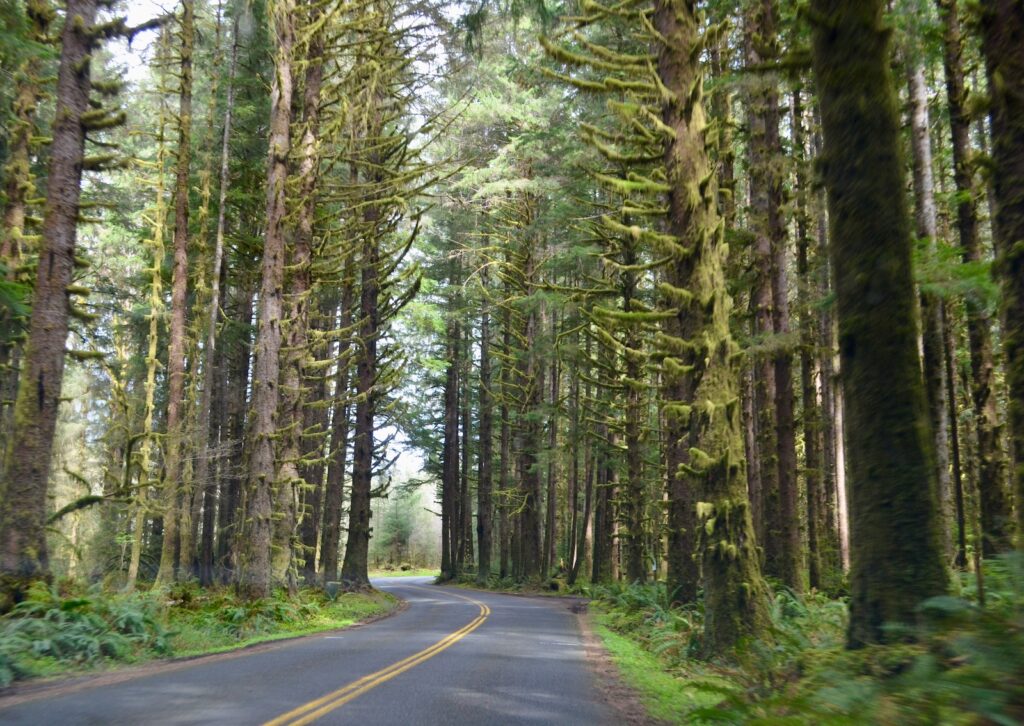
The Olympic Peninsula Loop is one of the best ways to experience the diversity of the Olympic Peninsula, Washington. This Olympic National Park road trip connects forests, mountains, lakes, and coastline into a single, cohesive route. For visitors seeking an adventure-focused itinerary, the Olympic Peninsula Loop Drive provides access to many of the most recognized places to visit in Olympic National Park while maintaining a logical and scenic flow.
Spanning roughly 330 miles, the drive is typically completed in two to three days, although extending the trip allows more time to explore Olympic National Park trails and coastal areas. Hurricane Ridge introduces sweeping mountain views and a range of accessible hiking options. Lake Crescent offers a quieter setting, with deep blue water and nearby trails leading to waterfalls such as Marymere Falls.
Further along the route, the Hoh Rain Forest presents a distinct landscape defined by dense greenery and moss-covered trees. Trails like the Hall of Mosses provide an immersive way to experience this environment. As the drive continues, Olympic National Park beaches including Rialto Beach and Ruby Beach showcase rugged shoreline features, sea stacks, and expansive ocean views.
The southern portion of the Olympic Peninsula Loop Drive includes Kalaloch Beach and the Quinault Rain Forest, each adding new terrain and pacing to the journey. Hood Canal completes the loop with calm water views and forested surroundings, rounding out a comprehensive Olympic Peninsula road trip with a wide range of things to do in Olympic National Park.
Where to Stay Near Olympic National Park
Choosing the right lodging is essential when planning an Olympic Peninsula Loop adventure. Travel Experience Lodging offers well-positioned vacation rentals lodgings near Olympic National Park and the peninsula, placing you close to major trailheads, beaches, and scenic highlights. These properties provide a comfortable and refined environment, allowing you to move efficiently between destinations while maintaining a consistent level of quality throughout your stay.
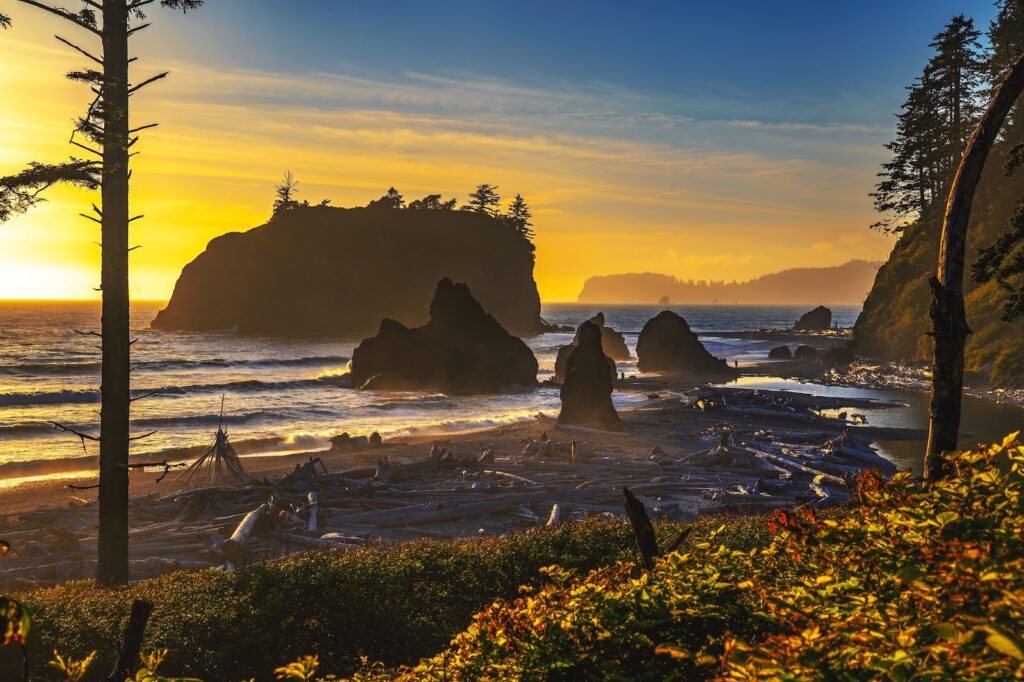
Raw Beauty at These Olympic National Park Beaches
Best Olympic National Park beaches for iconic sea stacks
Olympic National Park beaches bring together the raw scale of the Pacific, sea stacks rising offshore, and shorelines defined by driftwood, tide pools, and wide-open views. The Olympic National Park Coast is not built around commercial boardwalks or crowded beachfront blocks, which makes each visit feel focused on the landscape itself. With the right home base, it is easy to experience dramatically different sections of the coast in a single trip and still return to a comfortable place to reset for the next day.
Rialto Beach is a classic starting point for beaches in Olympic National Park because the access is straightforward and the scenery is immediate. At low tide, the walk toward Hole in the Wall adds a tide-pooling component that does not require technical gear, only careful footing and a close eye on changing conditions. Ruby Beach is often one of the Olympic National Park beaches people picture first, with rugged rock formations and a broad shoreline that shows off the contrast between dark sand, coastal forest, and surf. If you only have time for one stop, Ruby Beach delivers the kind of Pacific Northwest coastline that feels unmistakably Olympic.
Kalaloch Beach is an easy, high-reward option with long views along the Olympic Coast and the well-known Tree of Life nearby. Depending on the time of year, visitors may also spot wildlife from shore, which is part of what makes this stretch of the Olympic National Park Coast feel so dynamic.
Where to stay for coastal day trips Near Port Angeles
Port Angeles is a practical gateway for Olympic Peninsula beaches because it supports flexible day trips while keeping your evenings close to the waterfront, local dining, and shops. A Port Angeles vacation rental can make the trip easier, especially for groups who want space to spread out, travelers who prefer to cook a few meals at home, or guests looking for dog-friendly lodging.
From Port Angeles, you can also plan a beach day that includes a short forest approach at Second Beach Olympic National Park near La Push, where the trail opens onto sand framed by sea stacks. For a more remote, full-day coastal experience, Shi Shi Beach rewards the extra effort with a long shoreline and a sense of distance from the busiest corridors. However you plan it, Olympic National Park beaches offer a coastal itinerary that is varied, visual, and grounded in place. Book your Port Angeles vacation rental and explore the Olympic Coast at your own pace.
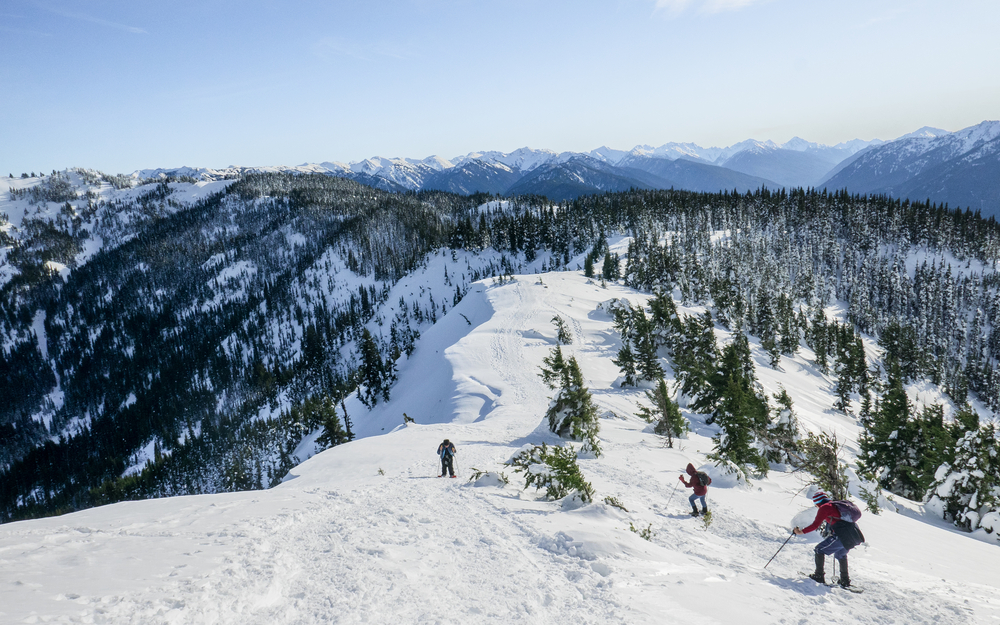
Snowshoe Through a Winter Wonderland at Hurricane Ridge
Best Winter Weekend at Hurricane Ridge, Washington
A winter weekend at Hurricane Ridge Washington delivers mountain scenery, accessible snow adventures, and a refreshing change of pace from city life. Located inside the Olympic National Park, this high-elevation destination transforms into a winter playground once snow blankets the landscape. With well-maintained access via Hurricane Ridge Road, it is an easy drive for travelers planning a Seattle to Hurricane Ridge escape or a longer Olympic Peninsula trip.
Snowshoeing is one of the most rewarding ways to explore Hurricane Ridge in winter. Marked routes near the visitor area make it approachable for beginners, while longer routes toward Hurricane Hill offer elevated views for those ready to explore farther. Snowshoe rentals are readily available in Port Angeles, making this an easy activity to plan even on a short weekend. On clear days, the views stretch across snow-covered peaks and distant waterways, adding to the sense of wide-open space that defines Hurricane Ridge Washington.
For travelers interested in skiing, the Hurricane Ridge Ski Area offers a relaxed alternative to larger resorts. The terrain suits beginners and intermediate skiers, with a friendly, community-driven feel that keeps the experience focused on fun rather than crowds. Whether you choose snowshoeing or skiing, the close proximity between town and mountain allows you to enjoy a full morning in the snow without committing to an all-day excursion.
Where to Stay Near Hurricane Ridge, Olympic National Park
After time outdoors, Port Angeles provides a welcoming base for warming up and slowing down. Coffee shops, local restaurants, and waterfront walks make afternoons just as enjoyable as mornings on the mountain. Staying in a Port Angeles vacation rental puts you close to Hurricane Ridge Road while offering comfort, privacy, and space to relax. Many homes provide water or mountain views, creating a natural extension of the day’s scenery.
A winter weekend at Hurricane Ridge Washington balances adventure with ease. With reliable snow, scenic access, and inviting places to stay nearby, it is a mountain getaway that feels both exciting and approachable.
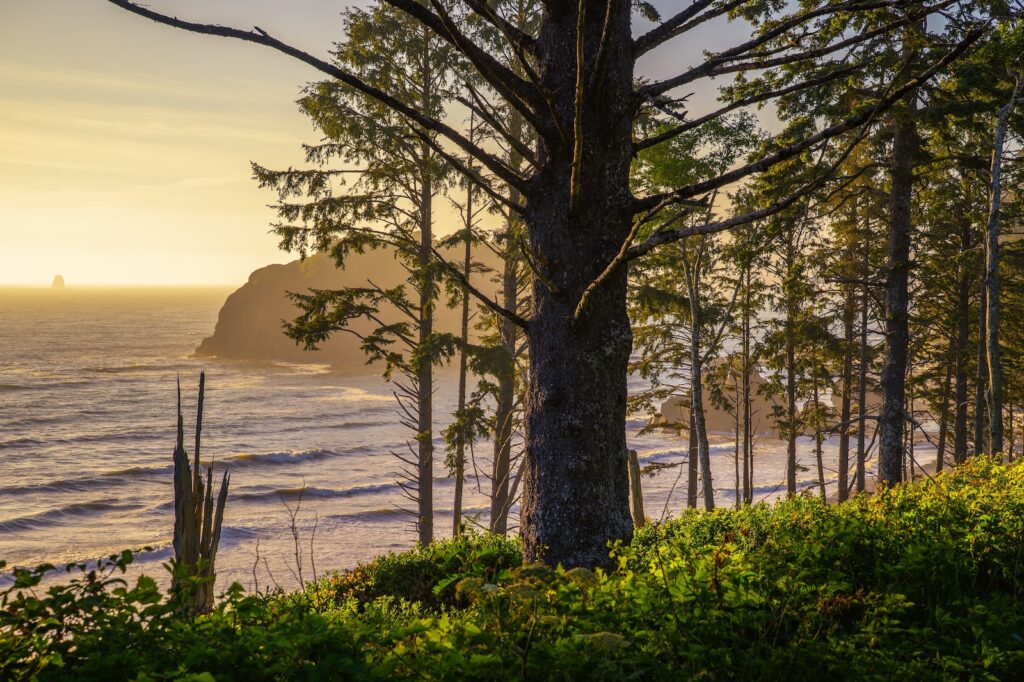
Spring Things to Do on the Olympic Peninsula
The Best Things to Do on the Olympic Peninsula This Spring
Spring is one of the most rewarding times to experience the Olympic Peninsula. As snowmelt feeds rivers and waterfalls and the forests regain their color, the region feels open, energetic, and refreshingly uncrowded. With cooler temperatures and longer daylight hours, spring is ideal for travelers seeking adventure without the pace of peak summer travel.
One of the most popular things to do on the Olympic Peninsula in spring is exploring Olympic National Park. Waterfalls such as Sol Duc Falls and Marymere Falls are especially impressive this time of year, fueled by seasonal runoff. Lower-elevation Olympic Peninsula hikes begin to open, offering access to mossy forests, river valleys, and coastal trails before summer crowds arrive.
Birdwatching is another highlight of spring across Olympic Peninsula Washington. Migratory species return to wetlands, shorelines, and forest edges, making places like the Dungeness National Wildlife Refuge a favorite for both casual observers and dedicated birders. Scenic driving along the Olympic Peninsula Loop also feels more relaxed in spring, with wide-open views of the Olympic Mountains, quiet coastal stretches, and charming small towns along the way.
Spending time in Port Angeles and Sequim adds a cultural layer to any spring adventure. From waterfront walks and local dining to farm visits and boutique shopping, these towns offer plenty of things to do in Port Angeles and in Sequim that balance outdoor exploration with laid-back enjoyment. Spring is also a great time to explore the beaches along the Strait of Juan de Fuca or the rugged Pacific coastline, where tidepooling and wildlife viewing are seasonal favorites.
Lodging Near Olympic National Park
After full days exploring trails, waterfalls, and scenic viewpoints, having a comfortable place to return to makes all the difference. Our vacation rentals in Port Angeles and Sequim place you close to Olympic National Park, Olympic National Forest, and many of the region’s top attractions. With spacious layouts, well-equipped kitchens, and pet-friendly options, these homes are ideal for couples, families, and adventure-focused travelers. Book your spring stay and experience the best things to do on the Olympic Peninsula at your own pace.
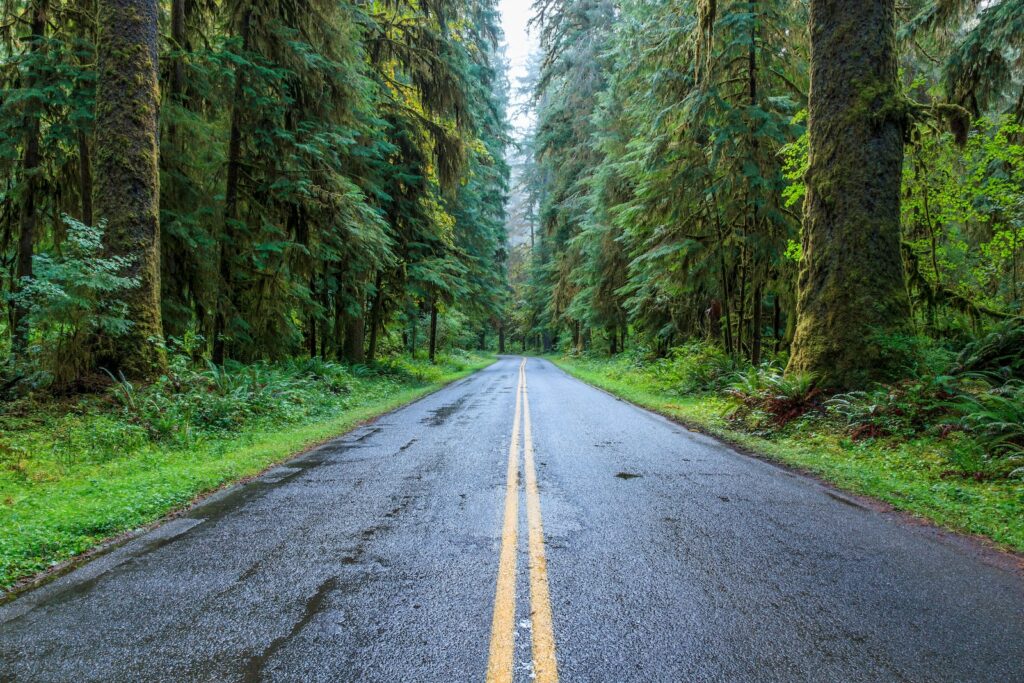
The Best Road Trip Around the Olympic Peninsula
Olympic Peninsula Road Trip Weekend Itinerary
An Olympic Peninsula Road Trip is one of the most satisfying ways to see the Pacific Northwest in a single, well-paced weekend. Starting from Seattle, the drive to Olympic National Park feels like part of the experience, especially if you build in time for scenic highways, waterfront views, and quick trail stops along the way.
Port Angeles is a practical first base, thanks to easy access to key Olympic National Park highlights and services you want nearby before a full day of exploring. From town, the drive to Hurricane Ridge delivers big mountain views, and on clear days, you can see across the Washington Peninsula and into Canada.
Back at a lower elevation, Lake Crescent adds a different kind of drama, with clear water, forested shoreline, and road pullouts that make it easy to linger without overcommitting your schedule. If you want a classic waterfall stop, the Marymere Falls hike pairs well with a Lake Crescent visit, and the Spruce Railroad Trail offers a flatter option along the lake.
Continuing your Olympic Peninsula loop, the Sol Duc Valley is a smart stop for trail access and Sol Duc Falls, plus the seasonal Sol Duc Hot Springs Resort if you want a restorative break. Farther west, the Hoh Rain Forest rounds out a strong Olympic National Park itinerary with short, immersive walks under moss-draped trees. To finish the day on the coast, plan time for Olympic National Park beaches such as Rialto Beach for sea stacks and surf, or Ruby Beach for wide views and sunset conditions that can be spectacular when the sky cooperates.
Places to stay near Olympic National Park
After a full day on an Olympic National Park road trip, a comfortable home base matters. Our vacation rentals near Port Angeles and Sequim are designed for flexibility, with family-friendly and pet-friendly lodging options that help you settle in and keep your weekend logistics simple. Their central location also supports efficient day trips to Hurricane Ridge, Lake Crescent, and the Olympic National Park coast without feeling like you are constantly packing up and moving.
If you are planning a weekend escape that balances mountain viewpoints, rainforest trails, and shoreline time, this Olympic Peninsula Road Trip route keeps the momentum high while staying manageable. Book your vacation rental directly and give yourself the time to experience the loop at a relaxed, unhurried pace.
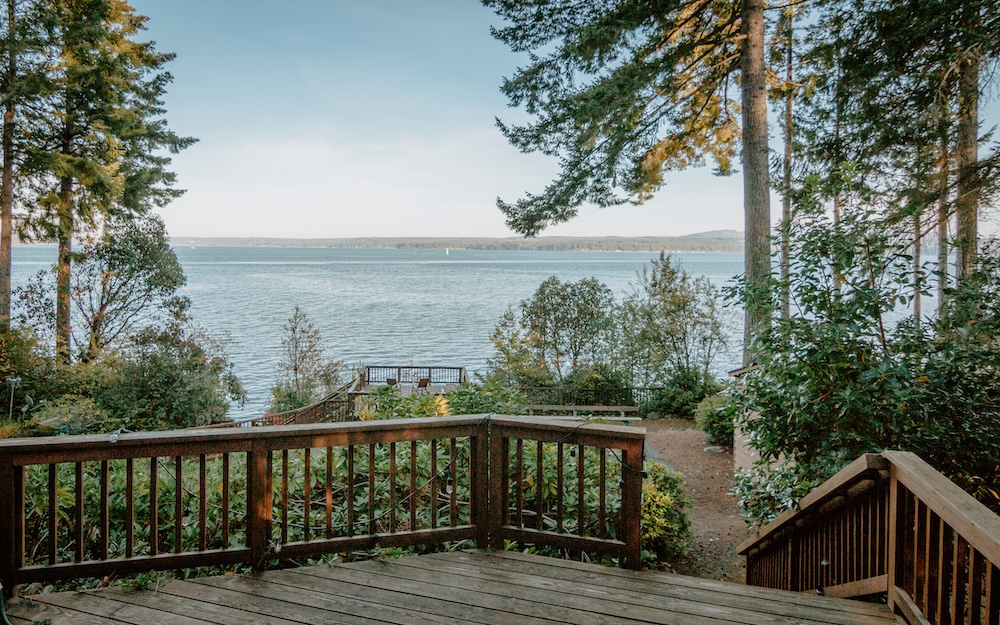
The Best Vacation Rentals For Port Angeles Getaways
Best Port Angeles Vacation Rentals for a Weekend Getaway
A weekend getaway to Port Angeles offers the ideal balance of scenic beauty, outdoor access, and an easygoing town atmosphere. Located along the coast of the Olympic Peninsula, Port Angeles is a rewarding alternative to longer travel plans, especially for travelers coming from Seattle or other parts of western Washington. The drive feels relaxed and scenic, and once you arrive, the town makes it easy to slow down and enjoy your surroundings.
Staying in Port Angeles vacation rentals gives you the flexibility that traditional lodging often cannot match. With more space to unwind, full kitchens, and inviting living areas, vacation rentals allow you to enjoy your weekend on your own schedule. Whether you’re planning quiet mornings with coffee and views or full days spent exploring Olympic National Park, choosing the right place to stay makes a noticeable difference.
The town itself offers plenty to do without feeling crowded. Winter and shoulder seasons bring fewer visitors, making waterfront walks, downtown browsing, and nearby hikes feel more personal. Olympic National Park is right next door, offering access to forest trails, coastal beaches, and higher elevation viewpoints, all within a short drive.
Port Angeles Vacation Rentals Near Olympic National Park
Travel Experience Lodging offers a curated selection of Port Angeles vacation rentals designed for weekend travelers who want comfort, location, and consistency. From cozy retreats ideal for couples to larger homes that work well for families or small groups, each rental is thoughtfully maintained and professionally managed.
Many of these homes are located close to downtown Port Angeles or offer easy access to Olympic National Park, making it simple to blend outdoor adventure with relaxed evenings back at your rental. Compared to a typical Port Angeles Airbnb or hotel stay, these vacation rentals provide added privacy, space, and peace of mind.
When deciding where to stay in Olympic National Park or nearby, Port Angeles remains one of the most convenient and well-rounded options. With so many things to do in Port Angeles, even a short stay feels full and rewarding. If you’re ready to plan a coastal weekend getaway, explore our Port Angeles vacation rentals and book a stay that fits your travel style.
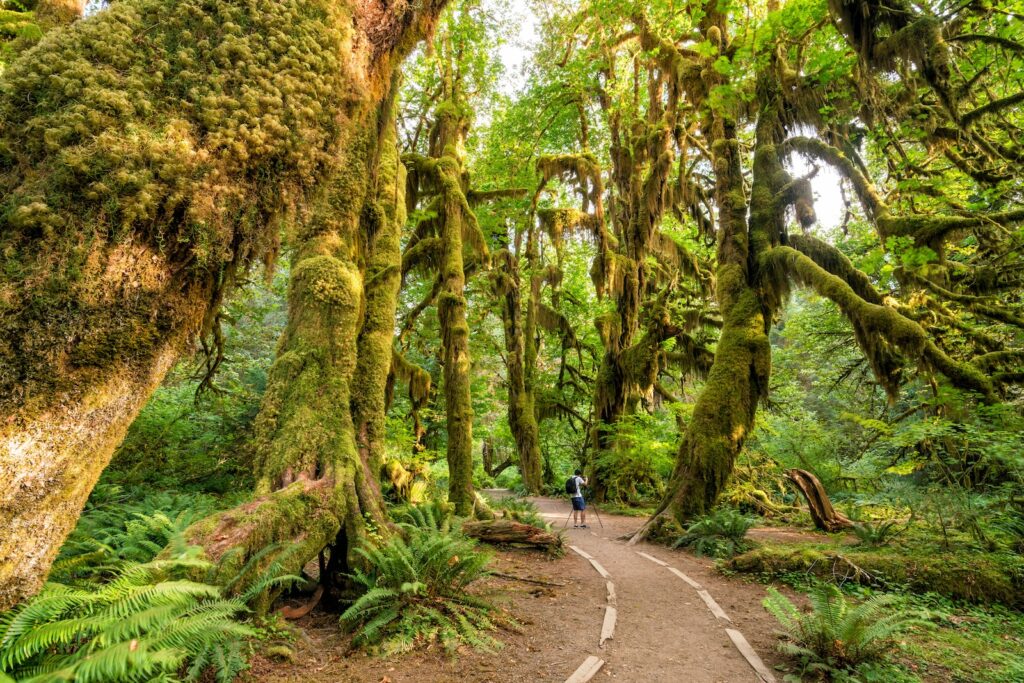
The Perfect Olympic National Park Itinerary for Summer
Best Olympic National Park Itinerary and Must-See Stops
Planning an Olympic National Park Itinerary is one of the best ways to experience the remarkable diversity of Washington’s Olympic Peninsula. Within a single trip, visitors can explore the rugged Pacific coastline, old-growth rainforests, alpine mountain landscapes, and crystal-clear lakes. Whether you are planning an adventure weekend or an extended Olympic National Park road trip, the region offers countless opportunities to discover some of the most memorable things to do in Olympic National Park.
A well-rounded itinerary begins along the Pacific Coast, where iconic destinations like Ruby Beach, Rialto Beach, Kalaloch Beach, and Mora Beach showcase dramatic sea stacks, driftwood-lined shores, and expansive ocean views. Visitors searching for Olympic National Park must-see locations often place these beaches at the top of their list. The Hole in the Wall hike near Rialto Beach provides access to fascinating coastal formations and tide pools during low tide, while Lake Ozette offers a quieter experience with forest boardwalks, kayaking opportunities, and access to the scenic Ozette Triangle Loop.
The next stage of an Olympic National Park guide should include the park’s famous rainforests. The Hoh Rain Forest is known for its moss-covered trees and the popular Hall of Mosses Trail. Nearby, the Quinault Rain Forest features waterfalls, lakeside scenery, and towering Sitka spruce and western red cedar trees. For travelers looking for less-crowded things to see in Olympic National Park, the Queets Rain Forest provides a more remote experience surrounded by old-growth forest and river landscapes.
Lodging Near Olympic National Park
No Olympic National Park Itinerary is complete without time spent exploring the park’s mountain and valley regions. Hurricane Ridge offers panoramic views of the Olympic Mountains, hiking opportunities, and year-round wildlife viewing. The Elwha River Valley and Sol Duc Valley feature lush forests, scenic rivers, and access to popular attractions such as Sol Duc Falls. Nearby Lake Crescent is a favorite destination for kayaking, hiking, and visiting Marymere Falls, while Deer Park and Staircase provide quieter access to mountain overlooks and forested trails.
After a day of exploring, comfortable lodging near Olympic National Park enhances the overall experience. Boutique vacation rentals throughout the Olympic Peninsula offer convenient access to the region’s most popular attractions while providing inviting spaces to relax and recharge. Whether you are planning a family vacation, an adventure getaway, or a weekend escape, choosing accommodations that reflect the character of the Olympic Peninsula creates a memorable home base for every journey.
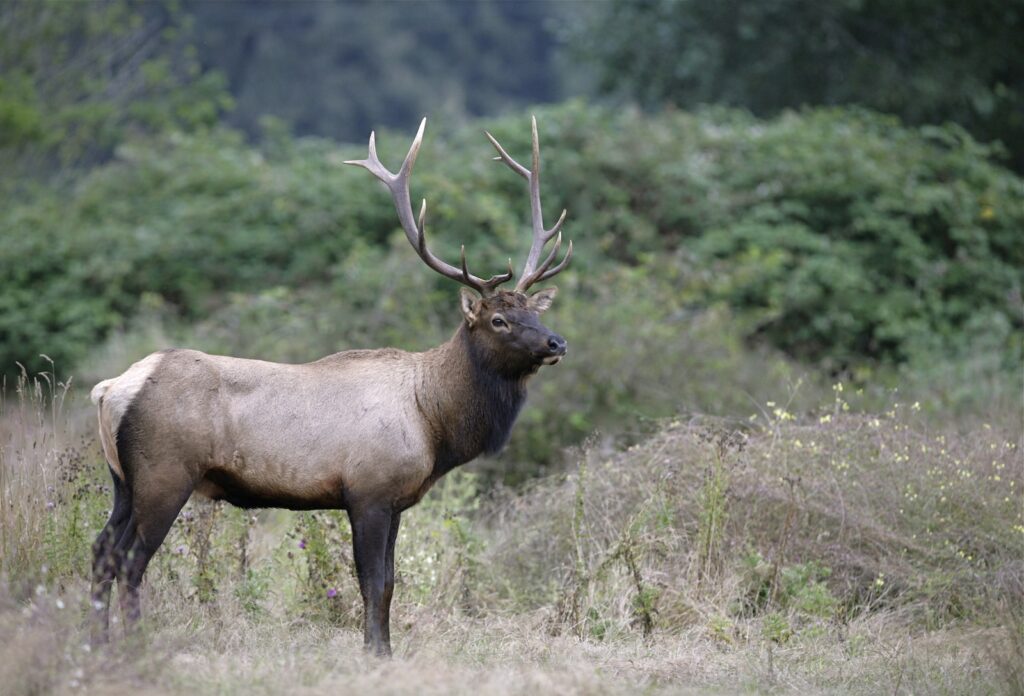
Things to Do in Olympic National Park in Fall: Your Complete Guide
Summer crowds thin out, the maples along the rivers turn gold, and Olympic National Park settles into a quieter, moodier season. If you’re weighing things to do in Olympic National Park this fall, October and November reward visitors who trade beach weather for crisp air, colorful hikes, and a shot at hearing bull elk bugle across the valley.
Fall changes the character of the park more than most seasons. The rain forests turn gold and amber, the elk rut kicks off, and coastal storms roll in off the Pacific with a drama summer never delivers.
When to Visit Olympic National Park in Fall
Mid-October is the sweet spot for Olympic National Park fall colors. Washington State Tourism points to mid-September through early November as the general fall color window, with mid-October offering the best odds of catching bigleaf and vine maples at their peak. Because the park spans sea level to alpine terrain, color doesn’t arrive everywhere at once. Low-elevation maples along the rivers can hold their yellow well into November.
Olympic National Park weather in October runs cool and unpredictable. Rain becomes more frequent as the month goes on, especially in the rain forests and along the coast, while snow starts to dust the higher elevations. The peninsula’s microclimates are dramatic: the Hoh Rainforest gets soaked while Sequim, tucked into the Olympic Mountains’ rain shadow, stays comparatively dry. Pack layers and waterproof boots rather than chasing a perfect forecast.
By Olympic National Park in November, rain dominates the lowlands, snow affects the high country, and some roads and facilities shift to seasonal hours. Hurricane Ridge Road typically moves to winter operations as snow arrives, with access generally limited to Friday through Sunday and holiday Mondays, weather permitting. Check current park conditions before you head out.
Best Hikes in Olympic National Park This Fall
The Hoh River Trail is the pick for travelers who want the rain forest without the crowds that pile into the Hall of Mosses. Starting near the Hoh Rainforest Visitor Center, the trail follows the river beneath towering Sitka spruce, western hemlock, and maple. For a full day out, push to Five Mile Island, roughly ten miles round trip, and keep an eye out for Roosevelt elk along the way. Days get short fast in October and November, so start early and check trail and road conditions before the drive out.
For a completely different mood, the Ozette Triangle delivers coastal drama instead of rain forest calm. The 9.2-mile loop connects Cape Alava and Sand Point through forest, boardwalk, and wild beach. Tides matter here more than anywhere else on the peninsula. Bring a tide chart, since some headlands require inland trail detours at high tide and others can’t be safely rounded even at low tide. Wet boardwalks add another reason to wear boots with real traction.
Watch the Elk Rut and Fall Bird Migration
Few Olympic Peninsula fall activities beat catching the elk rut in person. Olympic National Park protects the largest fully wild herd of Roosevelt elk in the Pacific Northwest, and September brings peak bugling season as bulls compete for mates. The Hoh Rainforest is one of the most reliable places to spot them, with early morning and evening the best windows. Stay at least 100 feet back, and if an elk changes behavior, pins its ears, or moves toward you, put more distance between you.
Just outside Sequim, Dungeness National Wildlife Refuge adds a different kind of wildlife watching to your fall itinerary. The refuge protects one of the world’s longest natural sand spits, and fall migration brings shorebirds to the tideflats and brant to the eelgrass beds. An easy half-mile trail leads from the entrance to an overlook above the spit, and from there you can walk the beach as far as you’d like. Reaching the New Dungeness Lighthouse is an 11-mile round trip, so check the tide first, and leave pets at home since they aren’t permitted in the refuge.
More Olympic National Park Autumn Hikes Worth the Detour
If your schedule allows extra time, a few classics still earn their spot on the list. Hurricane Ridge trades summer wildflowers for sharp mountain air and the possibility of early snow, so check road conditions before the drive up from Port Angeles. Sol Duc Falls looks especially striking as fall rain returns to the forest, and Mount Storm King delivers wide views over Lake Crescent framed by turning leaves. If you’re already in the Sol Duc Valley, add the salmon run at Salmon Cascades to your day.
Where to Stay for Your Olympic National Park Adventure Getaway
A day of hiking wet trails and watching elk in the rain is a lot more enjoyable when you have a warm, comfortable place to return to. Travel Experience Lodging offers distinctive Olympic National Park lodging across Port Angeles and Sequim, so you can choose a home base that fits the corner of the peninsula you plan to explore.
Port Angeles puts you close to Hurricane Ridge, Lake Crescent, and the Sol Duc area, while trips to the Hoh Rainforest or Ozette Triangle are best planned as full-day outings from either town. Eagles Nest, a craftsman treehouse perched 20 feet above the ground with views of the Strait of Juan de Fuca and its own fire-heated hot tub, is a favorite for guests craving something memorable after a day on the trail. Nearby, Cedar Lodge offers water views, a hot tub, and a full kitchen for unwinding once the rain sets in.
If Sequim and Dungeness anchor your plans, the Driftwood Spa Room offers a private hot tub, massage chair, and Strait views just minutes from the refuge. For larger groups, Lavender Castle sleeps up to 10 guests in a converted grain silo with a private hot tub, central fireplace, and lavender fields right outside the door.
Whichever property fits your plans, our Olympic National Park lodging is ready for the season’s rain, wildlife, and color. Browse our vacation rentals and book your fall adventure today.
Fall in Olympic National Park: FAQ
When is the best time to visit Olympic National Park?
Mid-October offers strong fall color, cooler hiking weather, and thinner crowds, making it one of the best windows for things to do in Olympic National Park. November brings more rain and seasonal closures, but rewards visitors with quieter rainforests and rivers.
Is Olympic National Park open in the fall?
Yes, the park stays open, though some roads, campgrounds, and facilities shift to seasonal hours as snow arrives. Hurricane Ridge Road is the one to watch, since it moves to weather-dependent winter access as the season progresses.
Where to stay near Olympic National Park in the fall?
Port Angeles and Sequim both make excellent home bases. Port Angeles is closest to Hurricane Ridge and Lake Crescent, while Sequim is well-suited to Dungeness Spit and lavender country. Vacation rentals with hot tubs and full kitchens, like those from Travel Experience Lodging, make it easy to dry out and warm up after a day outdoors.
How many days do I need for Olympic National Park?
Three to four days let you cover a hike in the Hoh Rainforest, a coastal trail like Ozette, and a scenic drive to Hurricane Ridge without rushing. Add a day if you want to include Dungeness Spit or the Sol Duc Valley.
Are there bears in Olympic National Park?
Yes, black bears live throughout the park. Store food properly and give any wildlife you encounter, including bears and elk, plenty of space.
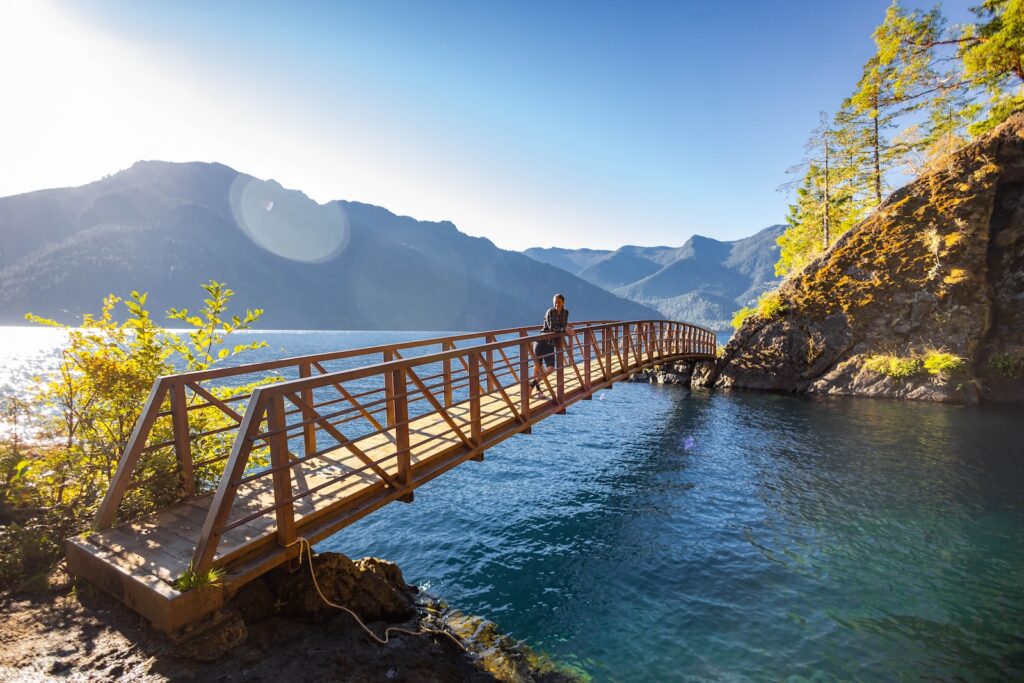
Walk the Spruce Railroad Trail at Lake Crescent
Why the Spruce Railroad Trail Is the Best Way to See Lake Crescent
Most old rail lines disappear once the trains stop running. The Spruce Railroad Trail took a different path, turning a World War I era railroad grade into one of the most scenic waterfront walks in Olympic National Park. The route follows the north shore of Lake Crescent for about eight miles round trip, passing two restored railroad tunnels and a detour to the famous Devils Punchbowl along the way. For anyone planning an adventure trip on the Olympic Peninsula, this trail belongs near the top of the list.
The Spruce Railroad Trail is a great starting point, but with so many things to do in Olympic National Park, it is far from the only reason to plan a trip here. Hurricane Ridge delivers some of the best mountain views in the park, the Olympic National Park beaches on the west side offer a completely different landscape, and Port Angeles adds ferry access to Victoria along with Sequim’s lavender farms and drier climate nearby. Between all of it, you will want more than a single day.
What to Expect on the Spruce Railroad Trail
The trail runs four miles one way between the Lyre River Trailhead and the Camp David Junior Road Trailhead, which puts the full out and back at close to eight miles, plus another mile if you add the Devils Punchbowl detour. It hugs the shoreline of Lake Crescent the entire way, follows the old railroad route as part of the Olympic Discovery Trail, and stays open to bicycles and leashed pets, which is rare inside the park. The path is paved from end to end, making it one of the more accessible hikes in Olympic National Park and a solid choice for families or casual walkers who want lake views without a steep climb.
About a mile in from the east side, you will reach the first of two restored railroad tunnels, with the turnoff for Devils Punchbowl just before it. That side trail is short but rougher, with roots and loose rock leading down to a footbridge over a striking blue-green pool. This spot is the most popular for Lake Crescent swimming, though the water stays cold year-round, so anyone getting in should use caution around the cold temperatures and varying depths.
The trail stays open year-round, but late spring through early fall offers the best conditions for hiking and biking. Bring water, sturdy shoes, and a light for the tunnels, especially on overcast days. Restrooms sit at both trailheads, and parking fills quickly on summer weekends, so an early start helps. If you have extra time, the historic Lake Crescent Lodge is a short drive from the eastern trailhead and makes a good stop for lunch or another angle on the lake.
Where to Stay After a Day at Lake Crescent
A day spent walking the Spruce Railroad Trail and cooling off near Devils Punchbowl is the kind of day that earns a good view to come home to. Olympic National Park Lodging offers vacation rentals across Port Angeles and Sequim built for exactly that. Spend the night twenty feet up in a craftsman treehouse overlooking the Strait of Juan de Fuca, soak in a private hot tub at a bluff-top cabin, or settle into a cozy log cabin with a fireplace after a long day outdoors. Whether you are traveling with your dog, your family, or just your hiking boots, there is a rental designed for the trip.
Full kitchens make it easy to cook dinner after a day on the trail, and several properties welcome pets, so bringing your dog along the Spruce Railroad Trail does not mean leaving them out of the stay. Browse the full collection of vacation rentals near Port Angeles and Sequim, and find the property that puts the Spruce Railroad Trail, Hurricane Ridge, and the rest of the Olympic Peninsula within easy reach.
Book Your Olympic Peninsula Adventure Trip
Whether the Spruce Railroad Trail is your first stop or your last on an Olympic National Park adventure trip, having the right home base changes the whole experience. Book your Olympic National Park lodging today and start planning your route from Lake Crescent to Hurricane Ridge and beyond.
Frequently Asked Questions
Can you swim in Lake Crescent?
Yes. Devils Punchbowl along the Spruce Railroad Trail is the most popular swimming spot on the lake, though the water stays cold year-round and depths vary near the footbridge.
How deep is Lake Crescent?
Lake Crescent reaches depths of several hundred feet in places, making it one of the deepest lakes in Washington State and a major reason its water stays so clear.
Is Lake Crescent in Olympic National Park?
Yes. Lake Crescent sits within Olympic National Park along Highway 101, with the Spruce Railroad Trail tracing its north shore.
How far is Lake Crescent from Port Angeles?
Lake Crescent sits roughly 25 minutes west of Port Angeles by car, making it an easy day trip from Olympic National Park Lodging’s Port Angeles rentals.
Waterfall Hikes near Port Angeles
Best Olympic Peninsula Hikes for Waterfall Views
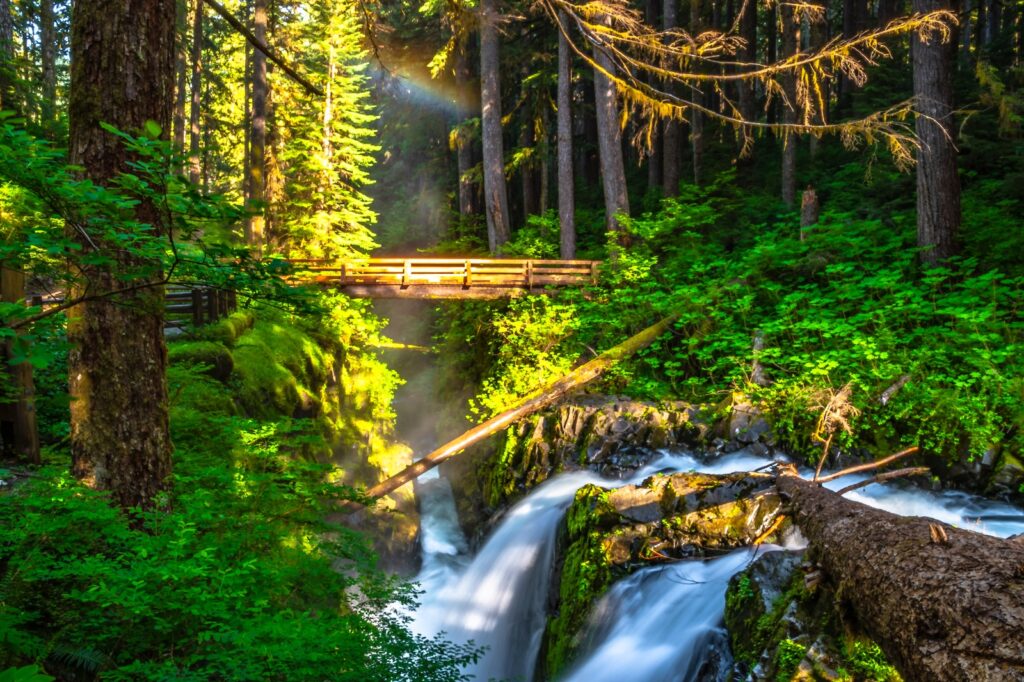
Olympic Peninsula hikes offer a diverse way to experience Washington’s landscapes, from coastal paths to forested trails and alpine terrain. While many Olympic National Park hikes draw attention for their elevation and sweeping views, some of the most rewarding routes lead to waterfalls in Washington. These trails provide a closer look at the region’s dense forests, river systems, and seasonal changes, especially when water flow is strong.
Exploring Olympic Peninsula hikes on foot allows you to move through various habitats, where old-growth forests open into river corridors and canyon viewpoints. The variety across the peninsula supports a wide range of hiking experiences, from short, accessible walks to quieter routes that feel more removed from high-traffic areas. In addition to hiking, visitors can round out their itinerary with other things to do on the Olympic Peninsula, including scenic drives, shoreline exploration, and time in areas like Lake Crescent and the Hoh Rain Forest.
Among the most notable hikes near Port Angeles, Sol Duc Falls stands out for its dramatic presentation. A short trail leads to a multi-stream waterfall that drops into a narrow canyon, creating a striking visual framed by evergreens. Marymere Falls, located near Lake Crescent, offers a more gradual hike through forest before reaching a tall, two-tiered cascade. Madison Falls, in the Elwha Valley, is one of the most accessible options, requiring only a brief walk from the parking area.
For those seeking less-trafficked options, Merriman Falls and Willaby Creek Falls near Lake Quinault offer quieter alternatives. Beaver Falls provides a more rugged setting with fewer visitors, adding variety to your list of Olympic Peninsula hikes.
Lodging Near Olympic National Park
Choosing the right lodging can make it easier to experience multiple Olympic Peninsula hikes in one trip. Vacation rentals near Olympic National Park, particularly in Port Angeles and Sequim, provide convenient access to trailheads and nearby attractions. These locations allow you to plan early starts, explore multiple waterfalls in Washington, and return to a comfortable space at the end of the day in Olympic National Park.
With thoughtful planning and well-located lodging, it becomes easier to explore both well-known and lesser-known trails across the peninsula.
Why You Should Explore the Hoh Rainforest This Summer
Explore the Hoh Rainforest on the Olympic Coast
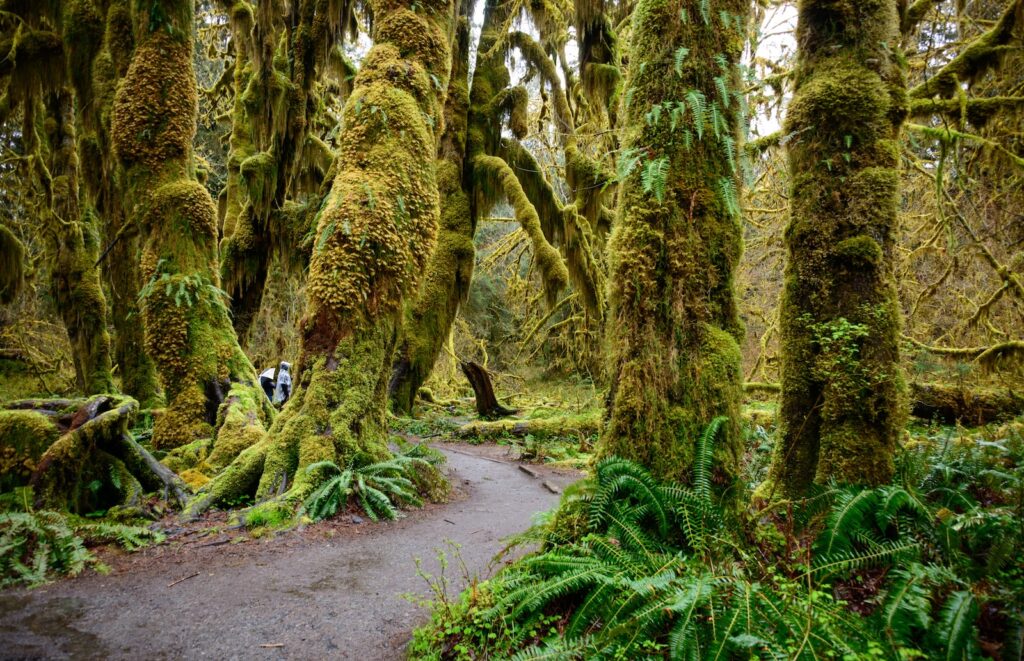
Summer is one of the best times to experience the Hoh Rainforest, one of the most recognized natural destinations within Olympic National Park. Located on Washington’s Olympic Coast, this remarkable Washington rainforest attracts visitors with towering old-growth trees, vibrant greenery, and scenic trails that showcase the unique beauty of the Pacific Northwest.
The Hoh Rainforest receives an average of 140 inches of rainfall annually, creating a thriving ecosystem filled with Sitka spruce, Douglas fir, western red cedar, and moss-covered bigleaf maples. During the summer season, cooler temperatures beneath the forest canopy provide a refreshing escape while allowing visitors to comfortably explore the area’s most popular trails.
A visit often begins at the Hoh Rainforest Visitor Center, where guests can learn more about the forest’s ecology, current trail conditions, and wildlife. From there, visitors can set out on some of the most popular Hoh Rainforest hikes. The Hall of Mosses Trail remains a favorite thanks to its easy 0.8-mile loop through old-growth forest lined with hanging moss and towering trees. The Spruce Nature Trail offers another scenic option, winding alongside Taft Creek and the Hoh River through a diverse landscape of mature and younger forest growth.
Olympic National Park Lodging Near the Hoh Rainforest
For travelers seeking a deeper wilderness experience, portions of the Hoh River Trail provide access to remote sections of Olympic National Park, with opportunities to enjoy stunning views and abundant wildlife. Roosevelt elk are commonly seen throughout the rainforest, while birdwatchers and nature enthusiasts may also spot river otters, black bears, salamanders, and numerous bird species.
The best time to visit Hoh Rainforest during summer is often early in the morning when parking is more readily available, and trails are quieter. Visitors traveling from Port Angeles to Hoh Rainforest can enjoy a scenic drive through some of the Olympic Peninsula’s most impressive landscapes, creating opportunities to extend the day with additional sightseeing throughout the region.
After exploring the Olympic National Park rainforest, return to comfortable Olympic National Park lodging in Sequim or Port Angeles. Our vacation rentals offer privacy, convenience, and easy access to the peninsula’s top attractions. Whether you choose a treehouse getaway or a spacious vacation home, you will be perfectly positioned to experience the beauty of the Hoh Rainforest and the Olympic Coast this summer. Book your stay today.
Winter on the Beaches of Olympic National Park
Best Olympic National Park Beaches for Winter Adventure
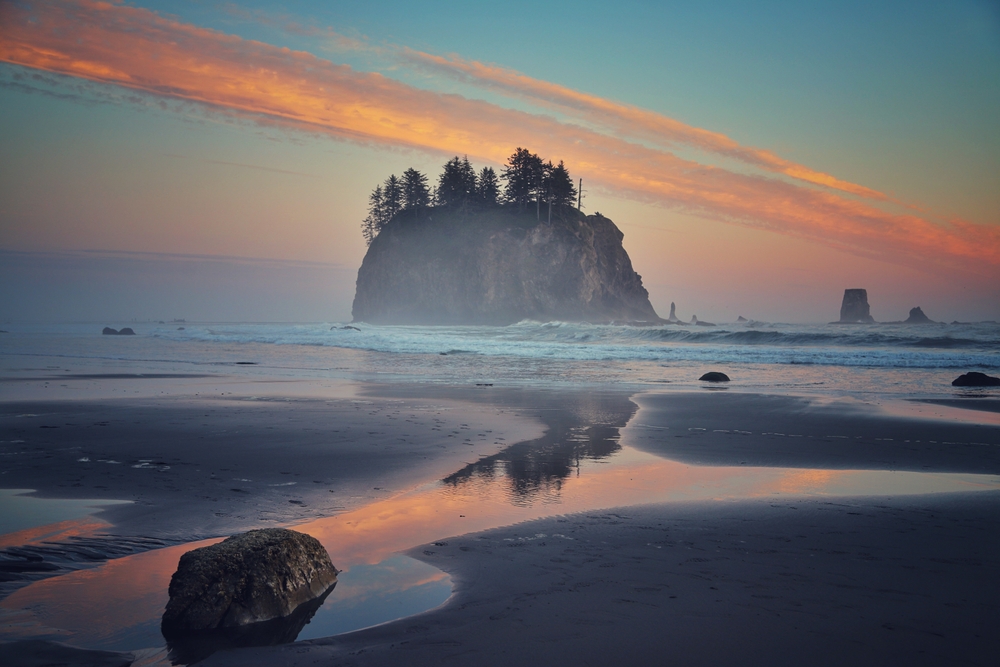
Winter transforms the Olympic National Park Beaches into a bold coastal experience defined by powerful surf, shifting skies, and long stretches of sand that feel refreshingly untamed. While many visitors picture snow-covered mountains or rainforest hikes, the Olympic Coast offers an entirely different winter adventure, one that invites you to lean into the elements and experience the park from a new perspective.
From well-known favorites like Rialto Beach and Ruby Beach to quieter stretches of shoreline, the beaches in Olympic National Park deliver front-row views of Pacific storms rolling in from the horizon. Winter waves crash against sea stacks, driftwood gathers in dramatic piles, and seabirds ride gusty winds overhead. With fewer visitors than in summer, the beaches feel expansive and immersive, perfect for travelers who enjoy wide open spaces and dynamic scenery.
Low tide brings opportunities for tidepool exploration and beach combing, even in colder months. Sheltered coves reveal colorful marine life, while smooth stones and agates reward those willing to slow down and scan the shoreline. Stormwatching is a highlight of Olympic National Park in winter, offering a safe and memorable way to witness the power of the ocean without sacrificing comfort or accessibility.
Cozy Lodging Near the Olympic National Park Coast
After a day of adventure along the Olympic National Park Coast, returning to a warm and inviting place to stay makes all the difference. Our Olympic Peninsula vacation rentals are designed for winter travel, offering space to dry out gear, prepare an easy meal, and relax while the wind moves through the trees outside. Many rentals near Port Angeles place you within an easy drive of Rialto Beach, Ruby Beach, and other iconic coastal stops.
Large windows, comfortable living areas, and thoughtful amenities turn each evening into part of the experience. Some properties include hot tubs, fireplaces, and fully equipped kitchens, creating a natural balance between outdoor adventure and indoor comfort. Whether you are traveling solo, as a couple, or with family, there are lodging options that support both exploration and rest.
Winter on the Olympic National Park Beaches is about embracing contrast, with wild coastal days paired with warm, relaxed nights. If you are planning an adventure getaway this season, the Olympic Coast offers a memorable mix of energy, beauty, and space to explore. Book your winter stay and experience this side of Olympic National Park for yourself.
Winter Skiing & More at Hurricane Ridge, Washington
What to Know About Hurricane Ridge Ski Area
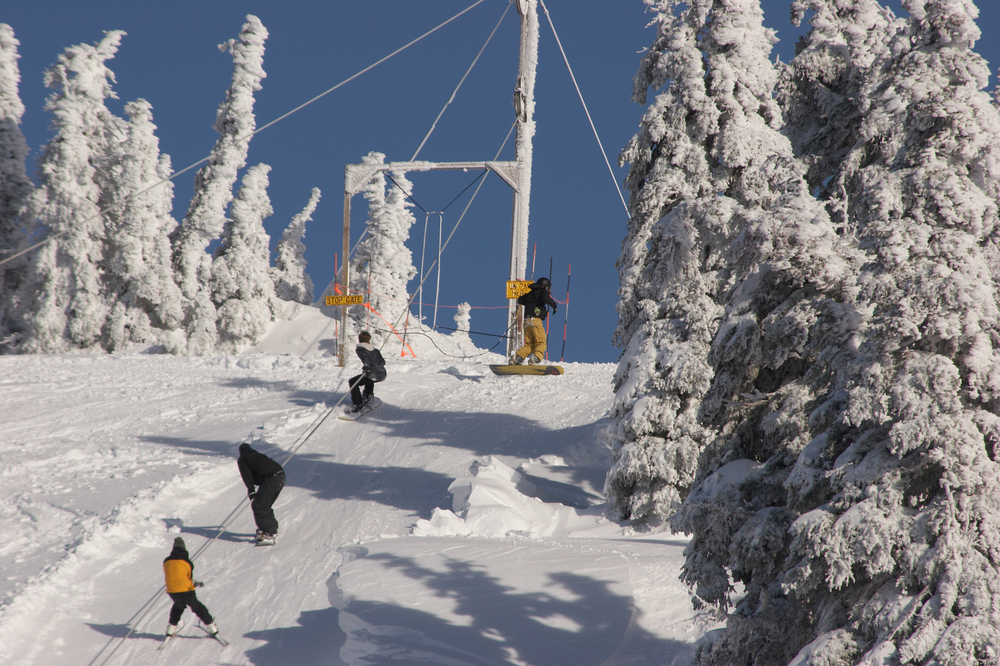
Winter at Hurricane Ridge Ski Area delivers one of the most memorable adventure experiences in Olympic National Park. Located high above Port Angeles, this small, community-driven ski hill combines deep snowfall, classic rope tows, and sweeping alpine views that stretch from jagged Olympic peaks to the Strait of Juan de Fuca. When Hurricane Ridge Road is open, the drive alone sets the tone for a true winter mountain day.
Hurricane Ridge Ski Area feels refreshingly approachable. The terrain offers a balance of wide groomed runs, steeper bowls, and gladed sections that reward confident skiers and riders without the crowds found at larger resorts. With more than 400 inches of annual snowfall, powder days are common, and the relaxed pace makes it easy to focus on fun rather than lift lines.
Winter adventure here extends well beyond skiing. Hurricane Ridge Olympic National Park is the focal point for snowshoeing and cross-country skiing in the colder months. Meadows above the main parking area provide ideal terrain for beginners, while routes toward Hurricane Hill offer longer outings and panoramic views. Families also gravitate toward the tubing park and snow play areas, which make Hurricane Ridge Washington a well-rounded winter destination.
Vacation Rentals Near Hurricane Ridge Ski Area
Staying nearby makes all the difference when planning a winter adventure at Hurricane Ridge Ski Area. Vacation rentals in Port Angeles and Sequim place you close enough for early starts on the mountain, while keeping you comfortably below the snow line when weather shifts. These homes range from cozy cabins to larger properties designed for families, groups, and pet-friendly travel.
After a day outside, full kitchens, inviting living spaces, and private decks or hot tubs at select homes create a welcome place to unwind. Many rentals feature water or forest views, adding another layer to the experience of Olympic National Park in winter.
With skiing, snowshoeing, tubing, and scenic winter drives all centered around Hurricane Ridge, this area offers an adventure-forward getaway that feels both accessible and special. Pair your mountain days with the right home base, and you have a winter trip worth repeating.