Outdoor Adventures
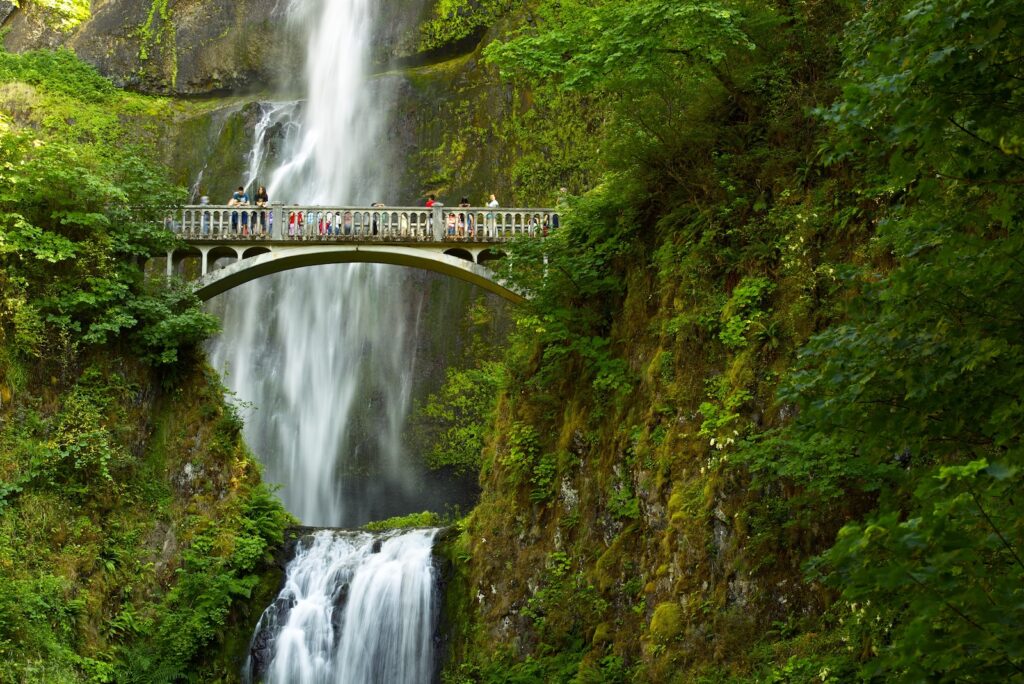
Chase Waterfalls in the Columbia River Gorge This Spring
Best Columbia River Gorge Waterfalls for Adventure
Few day trips deliver drama like the Columbia River Gorge Waterfalls, where cliffside cascades, mossy canyons, and misty viewpoints appear one after another. If you want an adventure that mixes iconic stops with satisfying trail time, the Gorge is the kind of place that rewards both early starts and curious detours, all within easy reach of Portland.
Start with Multnomah Falls, the headline act for a reason. The two-tier drop is massive, the views are immediate, and the walk to Benson Bridge gives you that cool spray and wide-angle photo moment. For a more immersive route, build your day around the Multnomah area trail network, where forest paths connect viewpoints and smaller cascades.
Next, add Wahkeena Falls for a different texture of water; it doesn’t just plunge, it tumbles and fans through lush rock and greenery. It’s a favorite for hikers who want a bit more quiet without giving up that classic Gorge atmosphere. Keep your momentum going with a stop at Latourell Falls, a striking single-drop waterfall framed by basalt columns and vivid lichen, with both an easy lower viewpoint and a loop trail for more exploring.
Where to Stay After Your Waterfall Day
For a Washington-side escape, Panther Creek Falls is a standout, especially if you want big payoff with minimal effort. The short trail brings you to a powerful, multi-tier cascade, making it one of the easiest ways to add a “hidden gem” moment to your itinerary. If you have time for a longer outing, Falls Creek Falls turns the day into a true adventure, with a moderate loop, steady forest scenery, and a memorable suspension bridge before the final viewpoint.
Round out your itinerary with Lower Lewis Falls, an impressive, wide cascade that feels bold and raw, with an easy approach that makes it simple to fit into a full weekend of exploring. Beyond the waterfalls, there are plenty of things to do in the Columbia River Gorge, including scenic hikes, viewpoints, wineries, and restaurants. Make it more than a day trip, pair your waterfall chase with a cozy cabin stay at Carson Ridge Cabins, the leading cabins in the Columbia River Gorge.
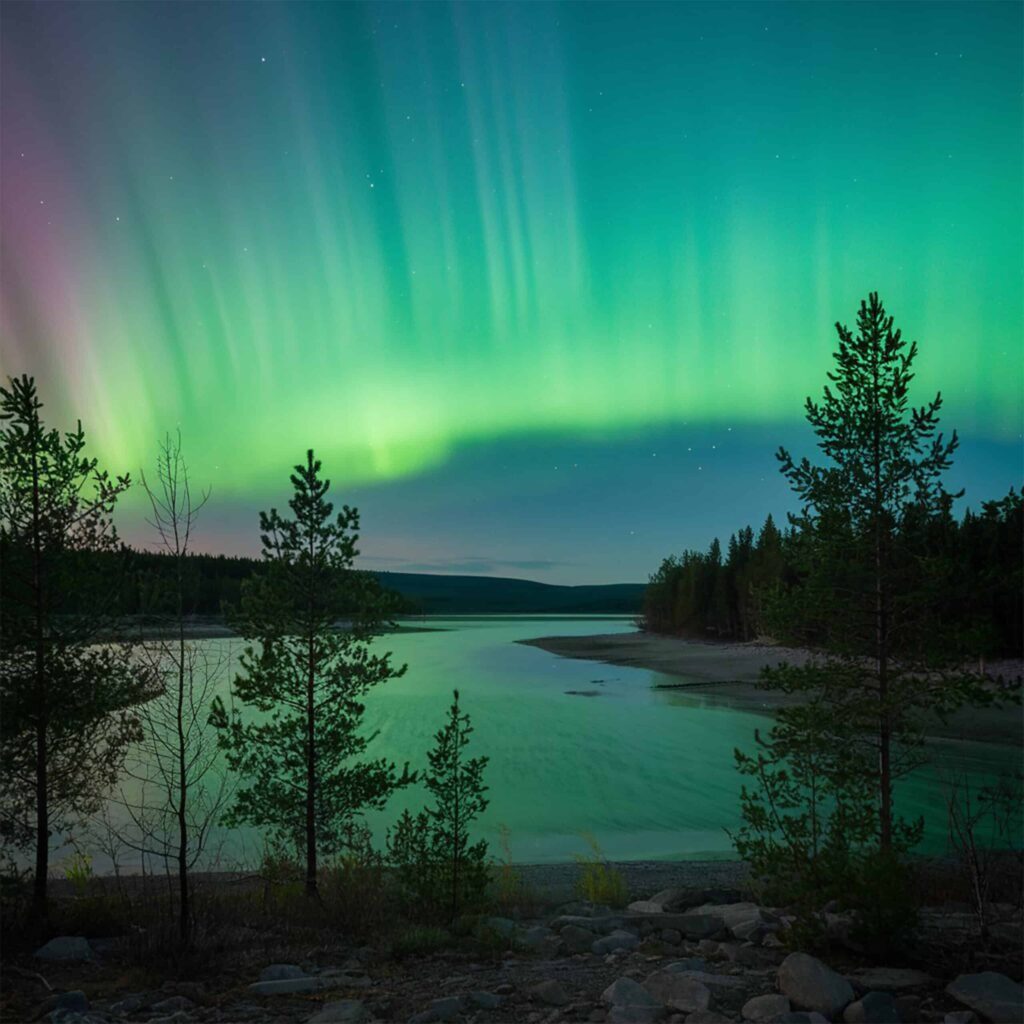
Chasing the Northern Lights in Juneau, Alaska
What to Expect From the Juneau Northern Lights
The Juneau northern lights rarely fill the entire sky the way they do over Fairbanks, but they appear most winters, and many visitors see them without leaving the borough. What matters is knowing when to look, where to drive, and how many nights to give yourself.
Can You See the Northern Lights in Juneau, Alaska?
Yes. Juneau sits near 58 degrees north latitude, south of the auroral oval over interior Alaska but within range when geomagnetic activity is moderate to strong. Weather is the real limit. Southeast Alaska is a temperate rainforest, and cloud cover cancels more viewing nights here than in Fairbanks.
If the aurora borealis is your only goal, Fairbanks offers better odds. Juneau offers a different trade: a capital city with glaciers, museums, and a walkable downtown, plus a genuine chance at the lights on any clear, active night.
When to Look: Months, Hours, and the Kp Index
Aurora season runs from late September through early April, because Juneau’s summer nights never get fully dark. October brings long nights and milder weather. November through February see frequent geomagnetic activity but also the heaviest clouds. March often has the clearest skies, and the weeks around the spring equinox tend to produce more geomagnetic storms.
For real-time conditions, use the University of Alaska Fairbanks Geophysical Institute aurora forecast, which tracks the Kp index, a 0 to 9 scale of geomagnetic activity. In Juneau, a Kp of 5 or higher gives you a solid chance on a clear night. Peak viewing usually falls between 10 p.m. and 2 a.m., and nights near the new moon are darker than those near a full moon. The sun’s 11-year cycle peaked in 2024 and 2025, and activity often stays elevated afterward, which keeps this winter promising.
Where to See the Northern Lights in Juneau
Downtown streetlights can wash out a faint display, so a short drive makes a real difference.
Eagle Beach State Recreation Area, about 27 miles north of downtown on Glacier Highway, looks across Lynn Canal toward the Chilkat Mountains with very little artificial light. Some gates close for winter, so plan to walk in from roadside parking. Amalga Harbor, a few miles before Eagle Beach, offers a similar open view over the water.
Sandy Beach in Douglas, just across the bridge from downtown, is the closest option, with sky views over Gastineau Channel.
Mendenhall Lake, at the foot of Mendenhall Glacier, pairs a darker sky with an ice and mountain backdrop.
Why a Juneau Bed and Breakfast Makes Aurora Nights Easier
Nobody can promise the aurora on a single night, so the smartest plan is three or four nights with a comfortable base in between. Alaska’s Capital Inn, a restored 1906 gold rush mansion on the Fifth Street hill across from the Alaska State Capitol, suits that kind of stay. Free on-site parking lets you leave for Eagle Beach the moment the forecast turns. After a 1 a.m. return, the gas fireplaces in Lila’s Suite and John’s Room, or the two-person whirlpool tub in the top-floor Governor’s Suite, take the damp chill out quickly. A three-course family-style breakfast starts the next day, and coffee, tea, and the bottomless cookie jar are available around the clock.
How to Improve Your Odds
Check both the Kp forecast and the cloud forecast before heading out. Dress in waterproof layers, because winter nights near the water are damp as well as cold. Once you arrive, give your eyes 15 to 20 minutes to adjust, and keep your phone screen dim. Above all, stay several nights, since clear skies and solar activity rarely line up on schedule.
Juneau Northern Lights FAQ
Can you see the northern lights in Juneau, Alaska?
Yes. The Juneau northern lights appear most winters on clear nights with a Kp of 5 or higher, especially from dark spots outside downtown.
When can you see the northern lights in Juneau, Alaska?
From late September through early April, most often between 10 p.m. and 2 a.m. March tends to offer the clearest skies.
What Kp index do you need to see the northern lights in Juneau?
A Kp of 5 or higher gives you a solid chance, provided the sky is clear.
Where is the best place to see the northern lights in Juneau?
Eagle Beach State Recreation Area is the most reliable dark spot, and Sandy Beach in Douglas is the closest option to downtown.
What direction should you look to see the northern lights in Juneau?
Face north. During strong storms, the aurora can climb higher overhead.
Plan your winter getaway around a few clear nights, and book your stay directly at our Juneau bed and breakfast for the best available rates.
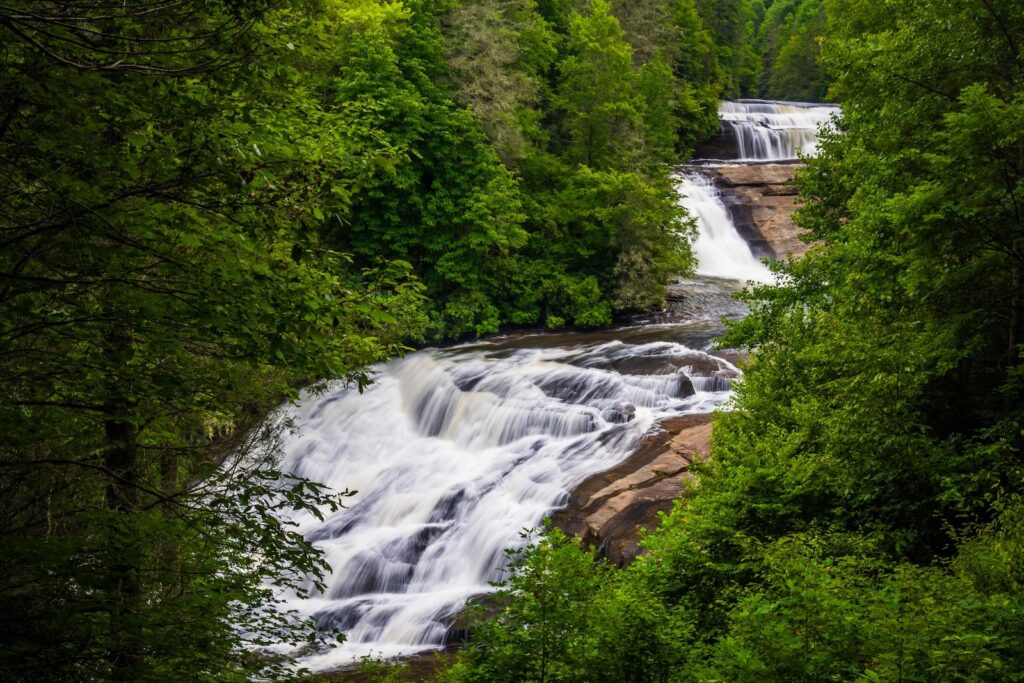
Chasing Waterfalls at Triple Falls in Western North Carolina
Triple Falls North Carolina Hike for Adventure
Triple Falls is one of the signature stops in Dupont State Recreational Forest, and it rewards anyone willing to put a little effort into the climb. In fact, this waterfall-rich park is one of the top things to do in Western North Carolina. From Saluda, Triple Falls is an easy day trip that pairs well with small-town time on Main Street, then a focused outing in the woods where the sound of rushing water does the talking. If you are planning an adventure getaway in the mountains, Triple Falls North Carolina belongs at the top of your list.
Most visitors begin at the High Falls Access Area, where the Triple Falls Trail leads into a hardwood forest and gradually gains elevation. Routes vary, but the walk to the viewing area is typically a little over a mile round trip, and the final approach includes stairs to an overlook. Once you reach the falls, you will see why Triple Falls NC is so frequently photographed. The water drops in three tiers across a broad rock face, and the viewpoints give you options for different angles and compositions. Bring a snack, take your time, and plan to linger.
Because Triple Falls sits within a network of well-known cascades, it is easy to build a fuller day of waterfalls in North Carolina without adding extra driving. High Falls is close by and makes a natural pairing, with a wider trail and a powerful span of water across the Little River. Hooker Falls is one of the most accessible stops in Dupont forest, with a short, mostly flat walk and calmer sections where swimming and wading are allowed.
A Boutique Hotel Near Dupont State Recreational Forest
After a day on the trails, return to Saluda for a comfortable base that supports both activity and recovery. When you stay at our boutique hotel in Western North Carolina, you can choose from well-appointed rooms, spacious suites, and private cottages, with gas fireplaces in every suite and cottage. Many accommodations also include jetted tubs, which are a welcome addition after hiking in North Carolina. On-site amenities like a spa and sauna make it easy to reset before dinner.
If you want to extend the adventure, consider adding Bridal Veil Falls, Grassy Creek Falls, or Wintergreen Falls to your plan, depending on your time and hiking comfort. With Triple Falls Trail as the centerpiece and additional Asheville hikes within reach, Saluda keeps your itinerary flexible, focused, and satisfying.
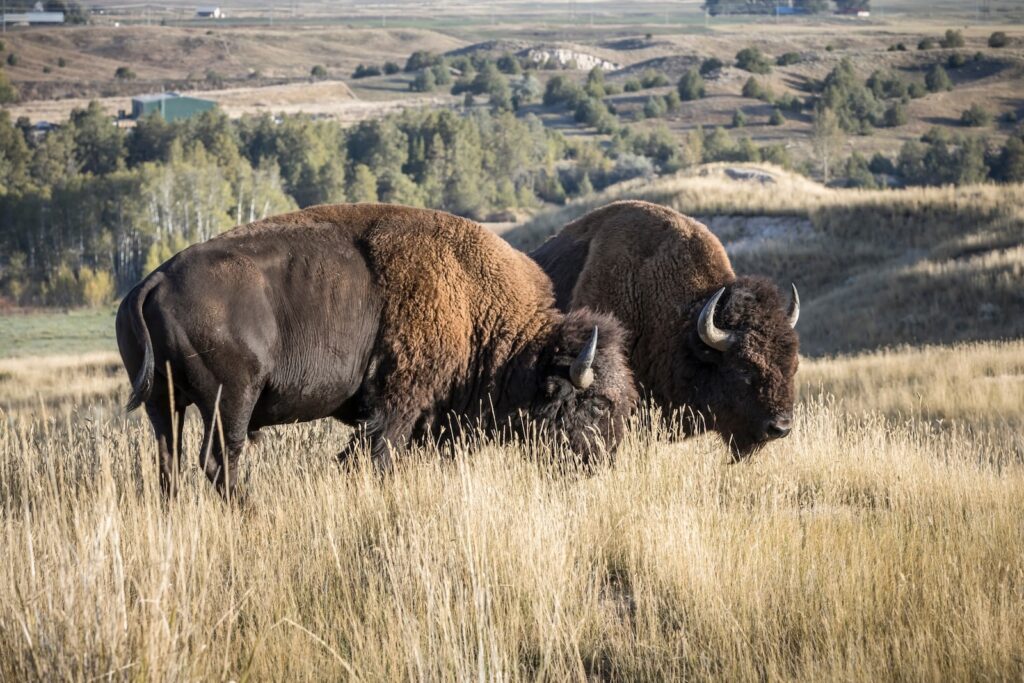
Check Out a Bison Range Near Missoula, MT
Best Bison Range in Montana for Summer Wildlife Viewing
A visit to the Bison Range in Montana offers one of the most rewarding wildlife experiences in western Montana. Located in Charlo on the Flathead Indian Reservation, this remarkable conservation area gives visitors the opportunity to observe Montana bison and other native wildlife across thousands of acres of protected grasslands and mountain scenery. Just an hour from Missoula, the National Bison Range is an ideal destination for a unique summer mountain getaway.
Covering more than 18,000 acres, the Bison Range is home to approximately 350 bison, along with elk, deer, pronghorn, coyotes, black bears, hawks, and eagles. The area was originally established in 1908 and remains an important conservation site managed by the Confederated Salish and Kootenai Tribes. Visitors can experience both the natural beauty and cultural significance of this landscape while learning about the ongoing stewardship efforts that help preserve it.
The most popular way to explore the bison park is by taking the scenic driving routes. Red Sleep Drive and Prairie Drive combine to create a 19-mile wildlife viewing experience featuring rolling hills, mountain vistas, and excellent opportunities to spot bison near Missoula. During the summer season, visitors can also enjoy walking trails and panoramic overlooks throughout the route. Early morning and evening visits often provide some of the best wildlife viewing conditions.
Stay Near the National Bison Range
After spending the day exploring the National Bison Range, return to Blue Mountain Bed and Breakfast in Missoula for a comfortable and relaxing stay. Located just outside Missoula, our property offers convenient access to many of western Montana’s most popular attractions while providing a peaceful mountain setting.
Guests enjoy well-appointed accommodations with private bathrooms, comfortable furnishings, and beautiful views of the surrounding landscape. Each morning begins with a freshly prepared breakfast featuring homemade specialties and locally inspired ingredients. Favorites may include huckleberry Dutch Babies, Eggs Benedict, or hearty steak and eggs.
Visitors looking to extend their adventure can also explore the nearby Garden of One Thousand Buddhas in Arlee, located just a short drive from the Bison Range. Whether you are planning a summer wildlife tour, a scenic road trip to Glacier National Park, or a unique Montana getaway, Blue Mountain Bed and Breakfast provides the perfect home base for enjoying all the best things to do in Missoula. Book your stay today and experience some of the best wildlife viewing in Montana.
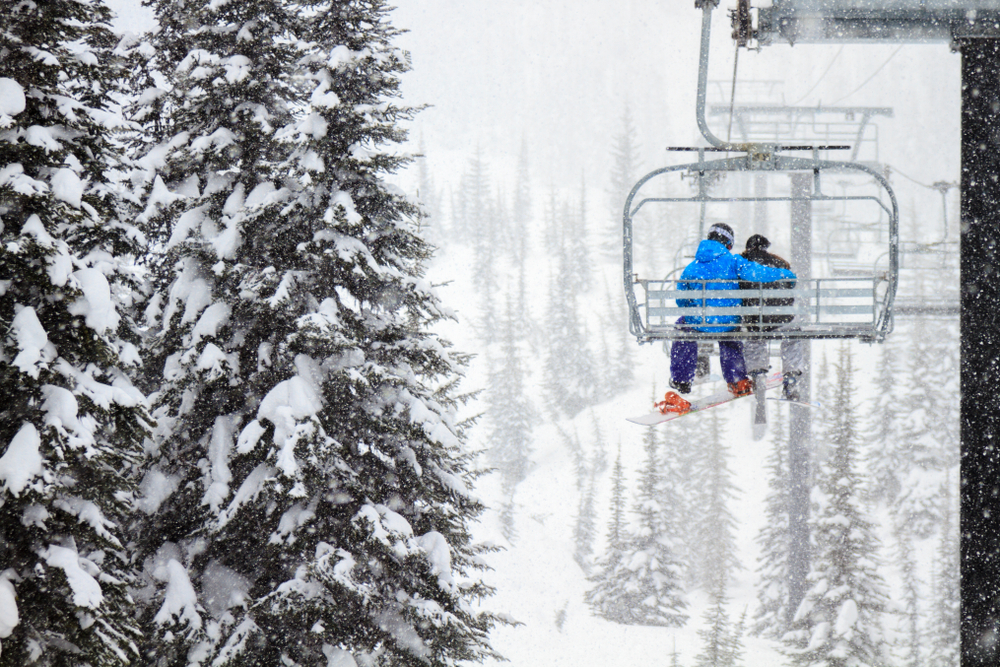
Coffee Mill Ski Area for the Best Winter Getaway in Minnesota
Best Coffee Mill Ski Area Winter Getaway in Minnesota
Winter in Minnesota is the perfect season for outdoor adventure, scenic drives, and cozy escapes, and Coffee Mill Ski Area is a favorite destination for travelers looking to enjoy classic Midwest skiing without the crowds. Located in Wabasha, this approachable ski area offers beautiful surroundings and reliable conditions, making it a great choice for both casual skiers and those planning a full winter getaway.
Coffee Mill Ski Area features groomed runs, scenic views of the Mississippi River Valley, and terrain that welcomes beginners while still appealing to experienced skiers. Its bowl-style layout helps protect slopes from winter winds, allowing for comfortable days on the mountain. Many visitors enjoy pairing a ski day with other things to do in Wabasha, MN.
Beyond skiing, Wabasha offers memorable winter experiences. Visitors can explore historic Main Street, attend seasonal events like the Grumpy Old Men Festival, or visit the National Eagle Center, one of the top attractions along the Mississippi River. Ice fishing on Lake Pepin and winter wildlife viewing are also popular when conditions allow.
Relax and Recharge at a Red Wing Bed and Breakfast
Staying nearby enhances the experience, and a Red Wing Bed and Breakfast offers a peaceful alternative to crowded ski resorts. Located about 30 minutes from Coffee Mill Ski Resort, Round Barn Farm provides a comfortable home base for winter in Minnesota, especially for couples, solo travelers, and friends planning a seasonal escape.
After a day on the slopes, guests appreciate returning to warm common spaces, quiet evenings, and thoughtful amenities designed for cold-weather comfort. Hearty breakfasts start ski days on the right note, while oversized soaking tubs and cozy guest rooms make it easy to unwind. Many travelers enjoy relaxing by the fire, sharing a bottle of wine, or simply slowing down after time outdoors.
For travelers exploring Minnesota ski resorts, Coffee Mill Ski Area delivers a relaxed pace, scenic setting, and easy access to regional attractions. Pairing a ski-focused itinerary with a stay at a Red Wing Bed and Breakfast creates a winter getaway that balances adventure with comfort, making it easy to enjoy everything the season has to offer.
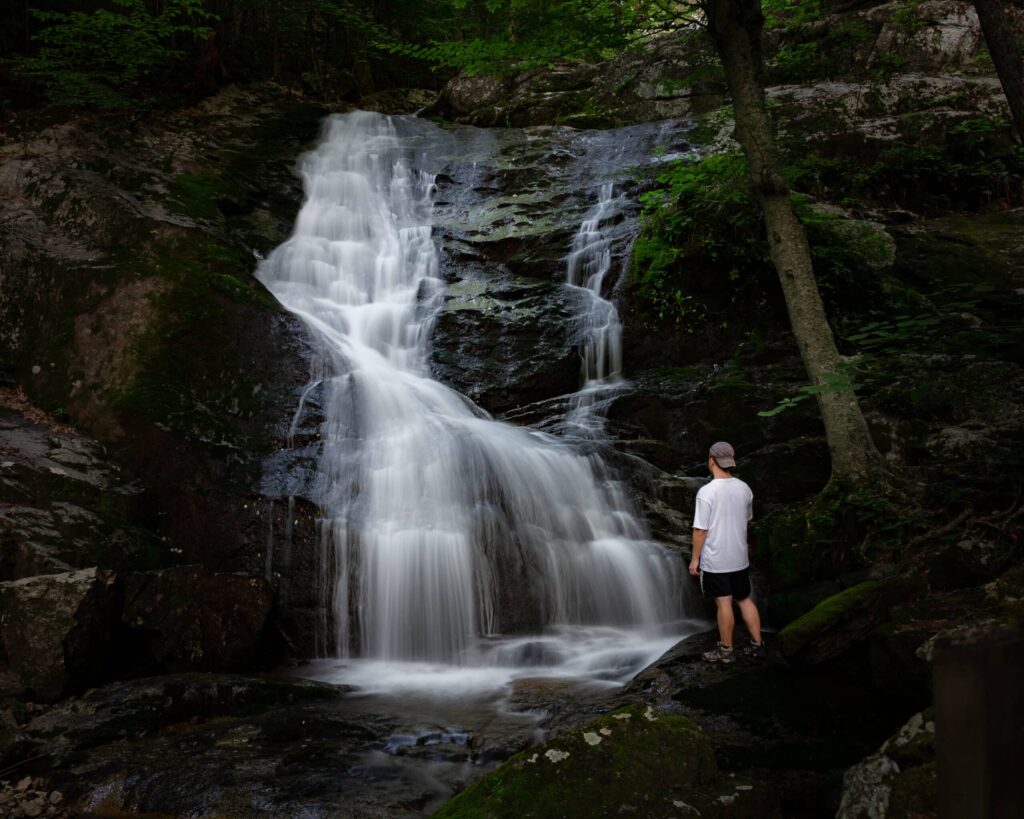
Crabtree Falls, VA is One of the Best Waterfalls in Virginia
Crabtree Falls VA: A Weekend Waterfall Hike Worth Planning
Crabtree Falls VA is one of the most impressive waterfalls in Virginia and a must for anyone exploring the Blue Ridge Parkway or Shenandoah Valley. Often described as the tallest cascading waterfall east of the Mississippi River, the falls drop nearly 1,200 feet in a series of dramatic tiers. Instead of a single plunge, the water tumbles down the mountainside across five major cascades, which means the Crabtree Falls hike delivers multiple viewpoints and photo-worthy moments from start to finish.
The Crabtree trailhead is easy to access just off the Blue Ridge Parkway, and the hike is well-suited for a weekend itinerary in the Shenandoah Valley. The full route is about 2.5 miles round trip, with some steep and rocky sections as you climb. If you want a shorter option, the first overlook is only about 700 feet from the trailhead. That initial stretch is paved and gently sloped, so it works well for visitors who want a great view without committing to the entire climb.
Spring is a particularly rewarding time to visit Crabtree Falls Virginia. Snowmelt boosts water flow, and the trail feels cooler and greener as the forest wakes up. Along the route, you will find a series of overlooks where you can pause, reset, and take in the sound and scale of the cascades. At the top, a footbridge provides a close-up look at the upper falls and one of the classic viewpoints on the trail.
Many couples turn this hike into a slow-paced day by bringing a picnic and lingering at the overlooks. For an easy option, consider a Crabtree Falls Picnic that includes a trail map, suggested picnic spots, and a packed lunch for two with sandwich choices, homemade sides, fruit, cookies, chips, and bottled water. Of course, this is just the start of what’s waiting for you here; there’s a nearly endless list of things to do in the Shenandoah Valley!
Romantic Cabins in Virginia for Your Weekend Base
After a day of waterfall hiking, come back to an elevated, comfortable place to unwind. Our romantic cabins in Virginia are designed for connection, with refined interiors, private porches, and thoughtful amenities that make it easy to slow down. Use your cabin as a home base for more Virginia waterfalls, scenic drives, and small-town exploring, then book direct when you are ready to lock in your weekend plans.
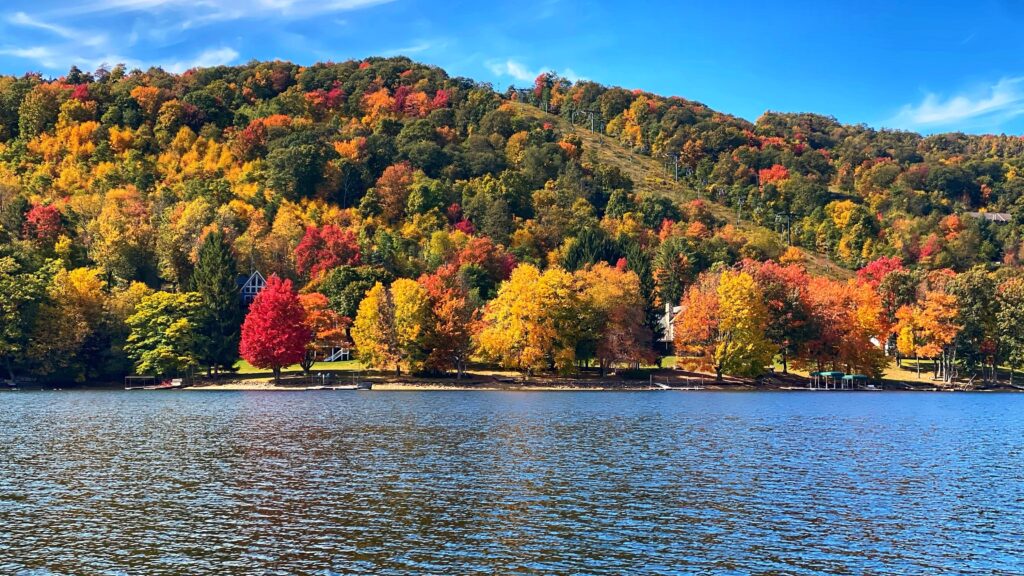
Deep Creek Fall Foliage
A Guide to the Best Maryland Fall Foliage
Every autumn, Garrett County becomes one of the most photographed corners of Western Maryland, and Deep Creek fall foliage is the reason why. The mountains surrounding Deep Creek Lake turn shades of crimson, amber, and gold that reflect off 65 miles of shoreline, offering the very best Deep Creek fall foliage.
When Deep Creek Lake in the Fall Looks Its Best
Color typically starts creeping into the maples and oaks around the lake in late September, then builds toward a full display by the second and third weeks of October. If you are planning a trip to see Deep Creek Lake fall colors at their peak, late September through the third week of October is your window.
Elevation plays a role here, as McHenry sits over 2,400 feet above sea level with mountains topping 3,000 feet nearby, the season often arrives a little earlier and burns a little brighter than in the rest of the state. Garrett County fall foliage draws visitors from across the region specifically for this reason, and a slow drive or a morning on the water will show you why.
Best Scenic Drives for Deep Creek Lake Fall Colors
Two self-guided driving routes cover the best of the area, one through Northern Garrett County and one through the South, each winding roughly 40 miles past historic landmarks and lake overlooks built for photos. If you want the color without the car, Swallow Falls State Park pairs its waterfalls with a canopy of turning leaves, Deep Creek Lake State Park has trails and lake views right off the water, and Herrington Manor State Park offers quieter forest paths for a more leisurely walk in the woods.
A Festival Built Around the Season
The Autumn Glory Festival in nearby Oakland has become the region’s signature fall event, filling downtown with parades, a farmers market at the Mt. Fresh Pavilion, and the Turkey Trail, where local restaurants each serve their own take on a turkey dinner. Live music, a corn maze at Cove Run, and horseback rides through the foliage with Circle B Ranch round out a weekend that locals plan their whole October around. Check the current year’s festival dates before booking, since they shift slightly from year to year.
Cozy Hotels in Deep Creek Lake for Your Fall Getaway
What sets Lake Pointe Inn apart from other Hotels in Deep Creek Lake is that it sits directly on the shoreline, allowing you to enjoy the Deep Creek fall foliage even from your suite. Guest rooms include gas fireplaces, private baths, and Comphy linens, with several suites offering in-room jacuzzi tubs for unwinding after a long hike. A wrap-around porch and outdoor fire pit give you a place to watch the sunset over the water, and a multi-course gourmet breakfast each morning means you start the day fueled for whatever things to do in Deep Creek Lake you have on your itinerary. Book your Deep Creek Lake fall getaway and settle into a room built around the view.
Frequently Asked Questions
When is peak Deep Creek fall foliage?
Color typically peaks during the second and third weeks of October, though it can begin as early as late September depending on elevation and weather.
Where can I see the best fall foliage near Deep Creek Lake?
Swallow Falls State Park, Deep Creek Lake State Park, and Herrington Manor State Park all offer strong foliage views, along with the two self-guided scenic driving routes through Northern and Southern Garrett County.
Is there a festival for fall foliage season at Deep Creek Lake?
Yes. The Autumn Glory Festival takes place each October in nearby Oakland and includes parades, a farmers market, and food events like the Turkey Trail.
What Hotels in Deep Creek Lake are close to the best foliage views?
Lake Pointe Inn sits directly on the water in McHenry, putting guests within a short drive of every major scenic route and state park in the area while offering lake views from the property itself.
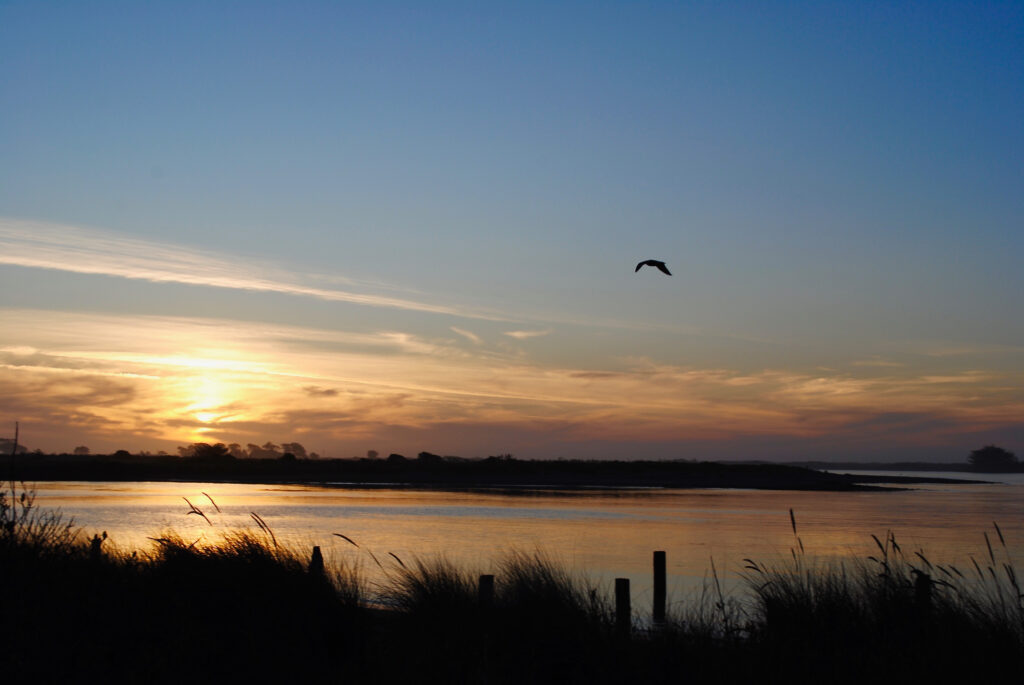
Discover Humboldt Bay on the Eureka Boardwalk
Best Eureka Waterfront Trail Walks and Bayfront Views
The Eureka Waterfront Trail offers one of the best ways to experience Humboldt Bay on the Redwood Coast. Stretching approximately 6.5 miles along the shoreline, this paved waterfront trail connects visitors with diverse coastal habitats, historic landmarks, and some of the most scenic views in Northern California. Whether you are walking, biking, or enjoying a leisurely weekend outing, the trail provides an excellent introduction to the natural beauty and history of Eureka.
Following the route of a former railroad corridor, the Eureka Waterfront Trail blends recreation with cultural and environmental interpretation. Along the way, visitors encounter salt marshes, coastal willow groves, sand dunes, and riverine habitats that support a variety of wildlife. Interpretive displays highlight the region’s maritime heritage and the deep cultural connections of the Wiyot people, whose ancestral homeland surrounds Humboldt Bay.
One of the most popular sections is the Eureka Boardwalk near Blue Ox Millworks. Elevated above the marsh, this stretch offers expansive views of Humboldt Bay, Eureka Slough, and the surrounding mountains. Informational signs provide insight into local ecosystems, migratory bird species, and the area’s cultural history, creating an experience that is both educational and visually engaging.
Birdwatchers regularly visit the trail in search of herons, bald eagles, peregrine falcons, and other coastal species. Opportunities for kayaking, paddleboarding, canoeing, and fishing are also available from various access points along the route. Public art installations add a layer of interest, complementing the surrounding scenery.
Stay at One of the Premier Eureka Pet Friendly Hotels
After exploring the waterfront trail, Carter House Inns provides an ideal place to unwind in the heart of Old Town Eureka. Located within walking distance of the bayfront, the property offers convenient access to many of the area’s most popular attractions, including shops, galleries, restaurants, and historic Victorian architecture.
Guests can enjoy beautifully restored accommodations, a celebrated wine cellar, and a gourmet breakfast each morning. Restaurant 301 enhances the experience with a farm-to-table dining program and an exceptional wine selection. As one of the most welcoming Eureka pet friendly hotels, Carter House Inns makes it easy to experience the best things to do in Eureka CA while enjoying thoughtful hospitality and a convenient location. Reserve your stay today and discover why the Eureka Waterfront Trail remains a favorite destination for a weekend getaway on the Redwood Coast.
Discover Red Wing Fall Colors
Why Fall Is the Season for Hiking in Red Wing, MN
If you’re planning a trip built around hiking in Red Wing, MN, aim for late September through October. The bluffs along the Mississippi River turn gold, orange, and deep red, and the cooler air makes the climbs far more comfortable than a humid July afternoon. Red Wing has three trail options worth your time this fall, and each one offers a different kind of hike, so the right pick comes down to how much time you have and how much climbing you want to do.
Barn Bluff: The Short Climb With the Big Payoff
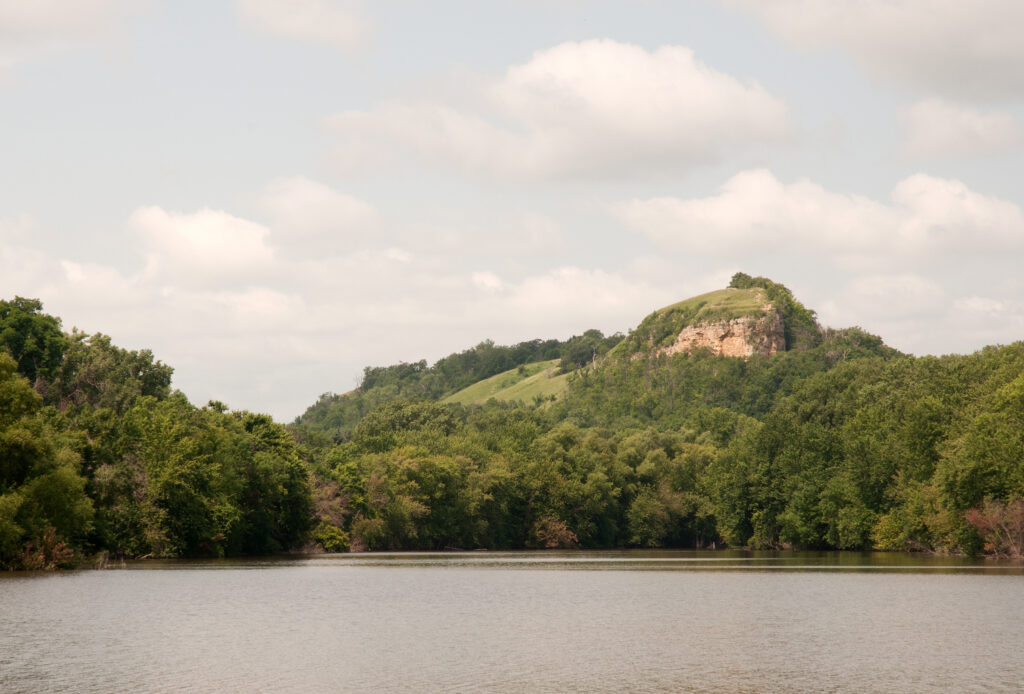
Barn Bluff rises 340 feet above the Mississippi River, and the trail to the top is under a mile, though steep and rocky in spots. Twenty minutes of climbing puts you at an overlook with sweeping views of downtown Red Wing, the river, and the Wisconsin bluffs across the water. Fall color along the hardwoods makes the view even better.
Frontenac State Park: More Distance, More Views
About ten minutes from town, Frontenac State Park offers roughly 13 miles of trails ranging from flat walks to steeper bluff-top routes. The Bluffside Trail has the longest sightlines, stretching down to Lake Pepin and across into Wisconsin. Fall also brings migrating hawks and songbirds through on the Mississippi Flyway, so it’s a solid pick if birdwatching is part of your trip.
Cannon Valley Trail: The Easy, Longer Option
For a flatter, longer walk, the Cannon Valley Trail follows an old rail line for almost 20 miles between Red Wing and Cannon Falls, passing prairie, hardwood forest, and wetlands along the Cannon River. You don’t need to walk the whole thing. An hour or two gives you plenty of fall color without the climbing you’ll get on the other two trails.
What to Pack for Fall Hiking in Red Wing
Mornings on the bluffs run cool even when the afternoon warms up, so bring layers. A light jacket usually covers it, but pack something warmer if you’re heading out early or staying until sunset. Footwear matters more than you’d expect. Barn Bluff and Frontenac both have rocky, uneven sections, so supportive shoes with good tread make a real difference. The Cannon Valley Trail is paved and flat, so it’s more forgiving. Bring water, since none of the trailheads have access once you’re on the trail, and small bills or a card if you need a wheel pass for the Cannon Valley Trail.
Make It an Outdoor Fall Getaway at Round Barn Farm
After a day on the bluffs, you’ll want somewhere comfortable to land, and this Bed and Breakfast in Red Wing, MN puts you close to all three trails. Round Barn Farm sits on 35 acres, anchored by a 1914 round barn on the National Register of Historic Places. We offer five guest rooms, including two deluxe suites, each with private baths and countryside views, plus a full breakfast every morning to fuel your next hike. It’s an easy base for an outdoor adventure getaway, whether you’re tackling Barn Bluff before checkout or spending a full day at Frontenac.
Frequently Asked Questions
What is the best hike near Red Wing, MN for a short visit?
Barn Bluff is the best choice if your time is limited. The round trip takes about 20 to 30 minutes and ends at one of the best overlooks in town.
Is Frontenac State Park good for a full day of hiking?
Yes. With around 13 miles of trails ranging from flat lakeside walks to steeper bluff routes, Frontenac gives you the most variety of the three options.
Do I need a pass for the Cannon Valley Trail?
Yes, a wheel pass is required for bikers on the Cannon Valley Trail. Check current pricing and locations before your visit. Hikers do NOT need to purchase a pass.
When is peak fall color in Red Wing, MN?
Color typically peaks in early to mid-October, though timing shifts slightly year to year depending on weather.
Ready to Plan Your Trip?
Round Barn Farm is your home base for hiking in Red Wing, MN this fall. Book your room at our Bed and Breakfast in Red Wing, MN and wake up minutes from Barn Bluff, Frontenac State Park, and the Cannon Valley Trail and all the best things to do in Red Wing.