What To See & Do
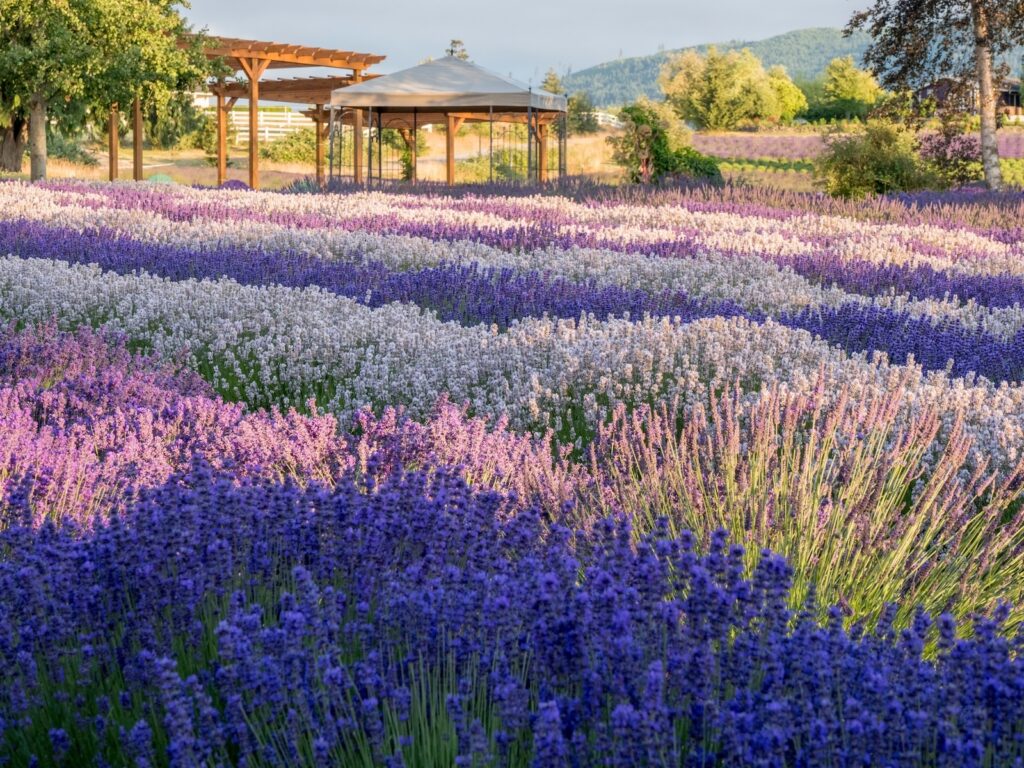
Some Top-Rated Sequim Lavender Farms to Visit
Best Sequim Lavender Farms to Visit This Summer
Summer is one of the most beautiful times to explore the Olympic Peninsula, and few experiences capture the season quite like visiting the Sequim Lavender Farms. Thanks to Sequim’s location within the Olympic Mountains’ rain shadow, the area enjoys more sunshine and drier conditions than much of western Washington. These favorable growing conditions have helped establish Sequim Lavender as one of the region’s most recognized agricultural attractions.
Visitors are often drawn to the vibrant purple fields that bloom across the countryside each summer, but the experience extends far beyond the scenery. Many Lavender Farms offer opportunities to browse handcrafted products, sample lavender-inspired treats, meet local growers, and learn about the cultivation of this fragrant crop. Exploring the Sequim Lavender Trail is one of the most popular things to do in Sequim during the summer season, allowing guests to visit multiple farms while enjoying scenic views of the Olympic Peninsula.
Popular stops include B&B Family Lavender Farm, known for its expansive fields and mountain views, and Jardin du Soleil Lavender Farm, which features French-inspired gardens and a charming gift shop. Lavender Connection offers more than 40 varieties of lavender along with U-Cut bouquets, while Cedarbrook Lavender Farm is celebrated for its handcrafted bath, body, and culinary products. Visitors can also explore Victor’s Lavender Farm, Purple Haze Lavender Farm, Graysmarsh Berry Farm and Lavender, and Kitty B’s Lavender Farm, each offering a unique perspective on the area’s lavender heritage.
Peak bloom typically arrives in mid-July and coincides with the annual Sequim Lavender Festival. This beloved summer event features artisan vendors, live music, lavender harvesting demonstrations, locally crafted products, and opportunities to tour blooming farms throughout the region.
A Comfortable Stay Near Sequim Lavender Farms
After a day of exploring Sequim Lavender Farms, retreat to a peaceful waterfront cottage overlooking Dungeness Bay. Our boutique Sequim Hotel is unique and provides a relaxing alternative to traditional lodging, offering private beach access, mountain views, and thoughtfully appointed accommodations designed for comfort and privacy.
Guests begin each day with a freshly prepared hot breakfast delivered directly to their cottage. On-site activities include kayaking and paddleboarding from the private beach, while nearby attractions offer even more opportunities to experience the Olympic Peninsula. Whether you are planning a summer weekend getaway focused on lavender blooms or exploring the many things to do in Sequim, our cottages provide the perfect home base for your adventure. Book your stay today and experience the beauty of Sequim Lavender at its seasonal best.
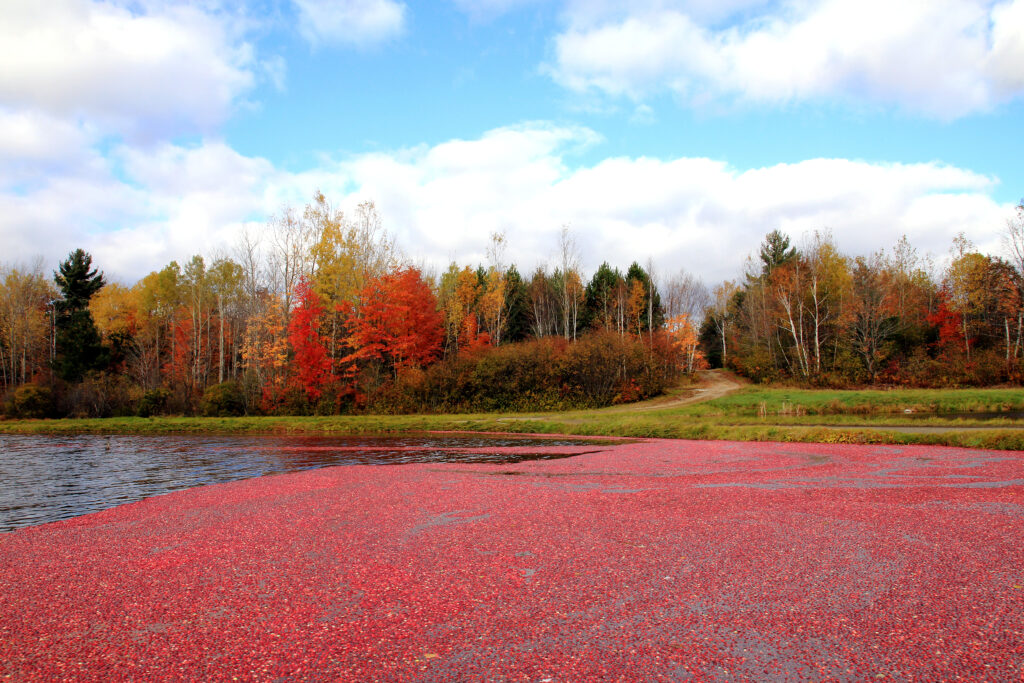
Southern Oregon Coast Tradition Marks 80 Years
Bandon Cranberry Festival Marks 80 Years on the Southern Oregon Coast
The Bandon Cranberry Festival celebrates its 80th year in 2026, running September 10 through 13, with the main festival weekend on Saturday and Sunday, September 12 and 13. Bandon sits on Highway 101 between Coos Bay and Port Orford, right where the Southern Oregon Coast turns wild and rugged, and this town has been growing cranberries for over a century. Eight decades in, the festival still runs on the same small-town pride that started it, and it remains one of the best Bandon Oregon events on the fall calendar.
Sponsored by Rogue Credit Union, the festival weekend brings together a parade, a kitchen contest, live music, an artisan market, and enough cranberry treats to make you rethink what the berry is capable of. If you have never tried fresh cranberry salsa or a slice of homemade cranberry pie on a crisp coastal afternoon, this festival is the reason to plan the trip.
80th Anniversary Festival Highlights
The Bandon Cranberry Festival opens Thursday evening, September 10, with the Cranberry Court Coronation at Sprague Community Theater. Friday, September 11, brings the Cranberry Kitchen Contest at the VFW in the morning and the Cranberry Bowl football game at Bandon High School that evening. Saturday, September 12, kicks off with the signature Cranberry Parade through Old Town, followed by a festival market and street vendors along Old Town and the Port of Bandon waterfront. Throughout the weekend, look for a cranberry eating contest, a classic car and farm equipment show, live music on the main stage, and the Old Town street dance that closes out Saturday night.
In past years, local farms have also opened their cranberry bogs for tours during the festival, giving visitors a guided look at how the harvest actually works. It is a rare chance to see Oregon’s agricultural side up close while the fall color is at its best.
Beyond the Bandon Cranberry Festival
A cranberry festival weekend is a good excuse to explore the rest of Bandon, too. Face Rock State Scenic Viewpoint is perfect for tidepooling and photos. Old Town’s boutiques and galleries are an easy walk from the festival market, and birders should carve out time for Bandon Marsh National Wildlife Refuge during fall migration. Local restaurants lean into the season with fresh seafood, regional cider, and cranberry-inspired specials.
Before the main festival gets underway, Bandon also hosts pre-festival favorites like the Port of Bandon Art Show and the Bandon Crab Derby, both good reasons to arrive a day or two early.
A Festival Worth the Trip
Eighty years is a long run for any small-town festival, and the Bandon Cranberry Festival has earned its place as one of the most anticipated Bandon, Oregon, events of the year. Between the parade, the bog tours, the coastal air, and a weekend built entirely around a berry this region does better than almost anywhere else, it is easy to see why people plan their fall around it. Stay close to the action at the Inn at Face Rock, and spend the weekend celebrating eight decades of Bandon tradition.
Where to Stay for Bandon Cranberry Festival Weekend
Parking gets tight, and the town fills up fast during festival weekend, so where you stay matters more than usual. The Inn at Face Rock sits about a five-minute drive from Old Town and the festival’s main venues, close enough that you can head back for a break, but far enough to have a quiet room waiting when you need a break.
As one of the top-rated Bandon Oregon Hotels, the Inn at Face Rock offers spacious guest rooms, a private path to the beach, a heated indoor pool and hot tub, and a breakfast buffet to fuel up before a day of festival events. Wide lawns and private patios make it a comfortable base for families, and the property welcomes well-behaved dogs for guests who want to bring the whole crew. Book your stay today and make the Inn at Face Rock your home base for the festival’s 80th year.
Frequently Asked Questions
When is the Bandon Cranberry Festival in 2026?
The 2026 Bandon Cranberry Festival runs September 10 through 13, marking its 80th year. Pre-festival events take place September 10 and 11, with the main festival weekend on September 12 and 13.
How many years has the Bandon Cranberry Festival been running?
2026 marks the festival’s 80th year, with roots dating back to the 1940s.
What events happen during the Bandon Cranberry Festival?
Highlights include the Cranberry Court Coronation, the Cranberry Kitchen Contest, the Cranberry Bowl football game, the Cranberry Parade, a festival market, live music, a classic car and farm equipment show, a cranberry eating contest, and the Old Town street dance.
Where should I stay for the Bandon Cranberry Festival?
The Inn at Face Rock is about a five-minute drive from Old Town and the festival’s main venues, making it one of the most convenient Bandon Oregon hotels for a festival weekend.

Spend the Day at Vilano Beach Near St. Augustine
Best Vilano Beach Florida Couples Getaway Guide
Vilano Beach Florida offers a refreshing coastal experience just minutes from the historic streets of St. Augustine. Located a short drive across the scenic Vilano Bridge, this stretch of shoreline provides wide sandy beaches, Atlantic Ocean views, and a relaxed atmosphere that suits couples looking for a balanced day of exploration and downtime. Among the many beaches in St. Augustine, this one stands out for its accessibility and distinct character, and that’s what makes it one of the best things to do near St. Augustine.
A visit to Vilano Beach near St. Augustine begins with its recognizable Art Deco influence, seen in the palm-lined spaces and the iconic Vilano Beach pier. The area encourages a slower pace, whether you are walking along the shoreline, searching for shells and shark teeth, or watching surfers take advantage of the stronger waves. The Pier is a central highlight, offering panoramic views, fishing opportunities, and a scenic spot to take in both sunrise and sunset.
For couples planning their day, there are several things to do in Vilano Beach beyond the sand. Kayaking and paddle tours provide a different perspective of the coastline, while Porpoise Point offers a prime location for picnics and quiet moments near the inlet. Seasonal events along Main Street district and dining at Beaches at Vilano make repeat visits worthwhile.
Book Your Bed and Breakfast in Downtown St. Augustine
A well-planned couples getaway benefits from a central and comfortable place to stay. Choosing our romantic Bed and Breakfast in Downtown St. Augustine keeps you close to both the beach and the city’s historic attractions. Guests can expect thoughtful amenities such as daily breakfast, freshly prepared treats, and inviting shared spaces designed for relaxation after a day at the beach.
With easy access to the best beaches in St. Augustine and the charm of the historic district, this location allows couples to experience both coastal and cultural highlights in one stay.
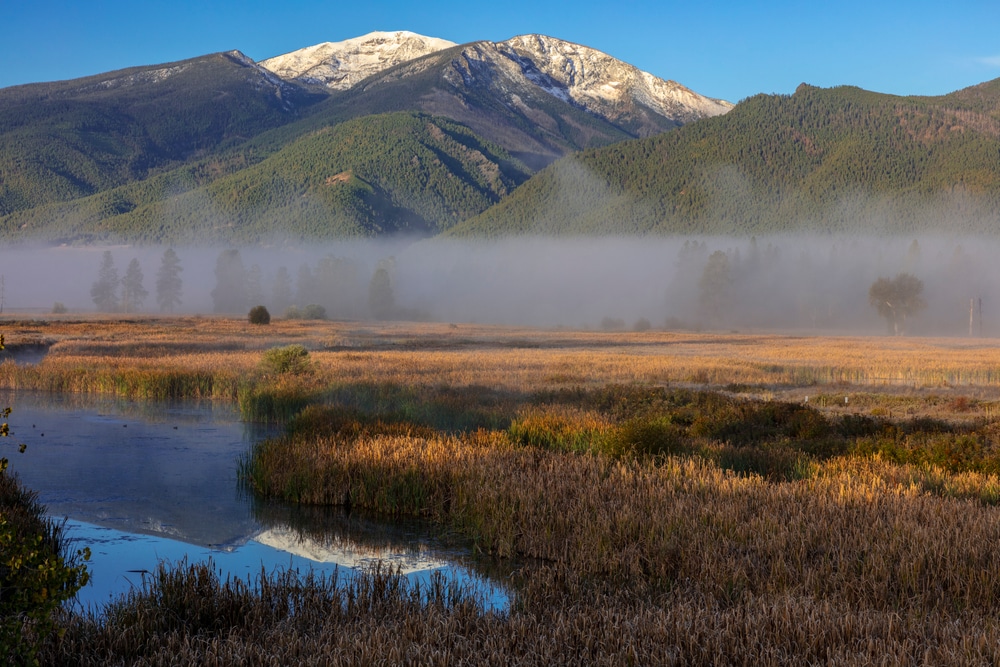
Spring at the Lee Metcalf National Wildlife Refuge in Montana
Best Lee Metcalf Wildlife Refuge Wildlife Experience
Spring is an ideal time to experience the Lee Metcalf Wildlife Refuge, when the Bitterroot Valley wakes up with migrating birds, active wetlands, and long days built for exploring. Located about 30 minutes south of Missoula, this protected landscape offers an accessible way to experience Montana wildlife without committing to a full backcountry trip. For travelers who like their adventure balanced with comfort, Missoula makes an excellent home base.
The Lee Metcalf National Wildlife Refuge spans more than 2,800 acres of river corridors, wet meadows, grasslands, and forested areas. Spring brings peak Montana birdwatching, with hundreds of species passing through or settling in for the season. Walking trails loop through diverse habitats, making it easy to spend a few hours or an entire day observing wildlife, taking photos, or enjoying a relaxed hike with wide-open views.
Beyond birds, visitors often spot deer, muskrats, river otters, and other native species. Interpretive signs and viewing areas add helpful context along the way, making the refuge enjoyable for both first-time visitors and experienced wildlife watchers. The pace here feels flexible, letting you explore as actively or casually as you like.
Beyond this, you can expect to find even more wonderful things to do in Missoula. The Clark Fork River winds through town, offering walking paths and scenic viewpoints, while nearby areas like the Rattlesnake National Recreation Area and Bitterroot Valley expand your adventure options. Fly fishing, biking, rafting, and spring hiking are all within easy reach.
A Bed and Breakfast in Missoula That Completes the Experience
After a day exploring the Lee Metcalf Wildlife Refuge, returning to a quiet Bed and Breakfast in Missoula makes all the difference. Comfortable guest rooms, peaceful outdoor spaces, and thoughtful amenities give you space to recharge between outings. Mornings start with a fresh, home-cooked breakfast before heading back out into Montana’s open landscapes.
This spring adventure is about balance, wildlife, fresh air, and a welcoming place to land at the end of the day. Book your stay and start planning your Lee Metcalf Wildlife Refuge experience today.
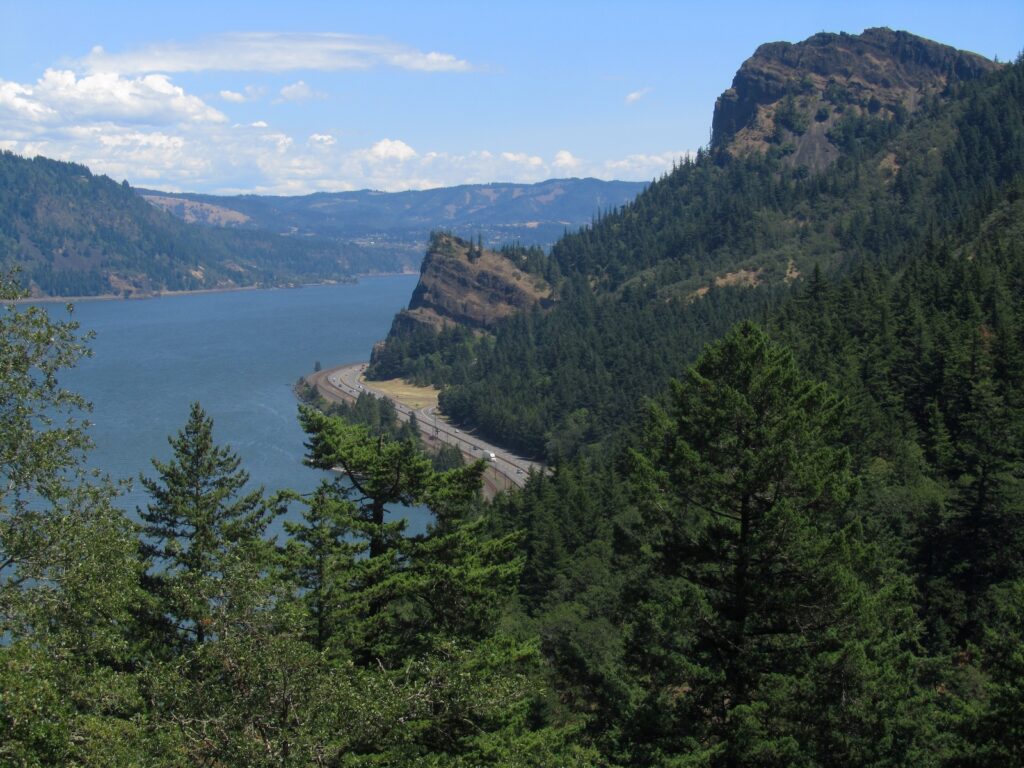
Spring Bike Tours in the Columbia River Gorge
Best Bike the Gorge Tours in the Columbia River Gorge
Biking is one of the best things to do in the Columbia River Gorge, and spring is an ideal time to plan a Bike the Gorge weekend in the Columbia River Gorge, where changing landscapes and mild conditions create a rewarding ride. Mornings begin cool and afternoons stay comfortable, making it easy to spend a full day exploring bike trails in the Columbia Gorge. Routes wind past basalt cliffs, waterfalls, orchard-lined roads, and wide river views, offering steady variety without overwhelming terrain.
Riding with Bike the Gorge simplifies your biking adventures. Their Columbia River Gorge bike tour options remove the need to plan routes or manage logistics, so you can focus on the ride itself. Cruise sections of the Historic Columbia River Highway State Trail, including the Mosier twin tunnels, and explore ebike trails near Portland with confidence. E-bikes make longer distances approachable, especially when climbing or riding into headwinds.
Bike the Gorge pairs quality equipment with local insight to help match each rider to the right Columbia Gorge bike trail. Whether you prefer a scenic cruise, a historic route, or a relaxed day on the saddle, their team ensures a smooth experience. Their tours often highlight the Historic Columbia River Highway corridor, where classic viewpoints and access points connect to some of the region’s most recognized stretches.
Beyond guided rides, there are additional Columbia River Gorge bike trail options to explore. Ride near Hood River with access to the Mosier twin tunnels, follow the Hood River Waterfront Trail for an easy riverside route, or venture to the Klickitat Trail for a gradual, forested ride. The Columbia River Dike Trail in The Dalles offers a flat alternative, while routes near Cascade Locks connect back to the Historic Columbia River Highway.
A Weekend at Our Hood River Cabins
Carson Ridge Cabins offers a refined option among Hood River cabins, located just across the Bridge of the Gods on the Washington side of the river. This quieter setting provides a natural reset after a full day of riding the Columbia Gorge bike trails. The property balances proximity to Bike the Gorge tours and nearby routes with a setting that encourages slower mornings and restful evenings.
Begin the day with coffee outdoors, spend hours exploring bike trails in the Columbia Gorge, and return for a quiet evening surrounded by fresh air and open space. For a well-rounded Bike the Gorge weekend that includes both activity and downtime, booking a stay here brings the entire experience together.
Spring Things to Do on the Olympic Peninsula
The Best Things to Do on the Olympic Peninsula This Spring
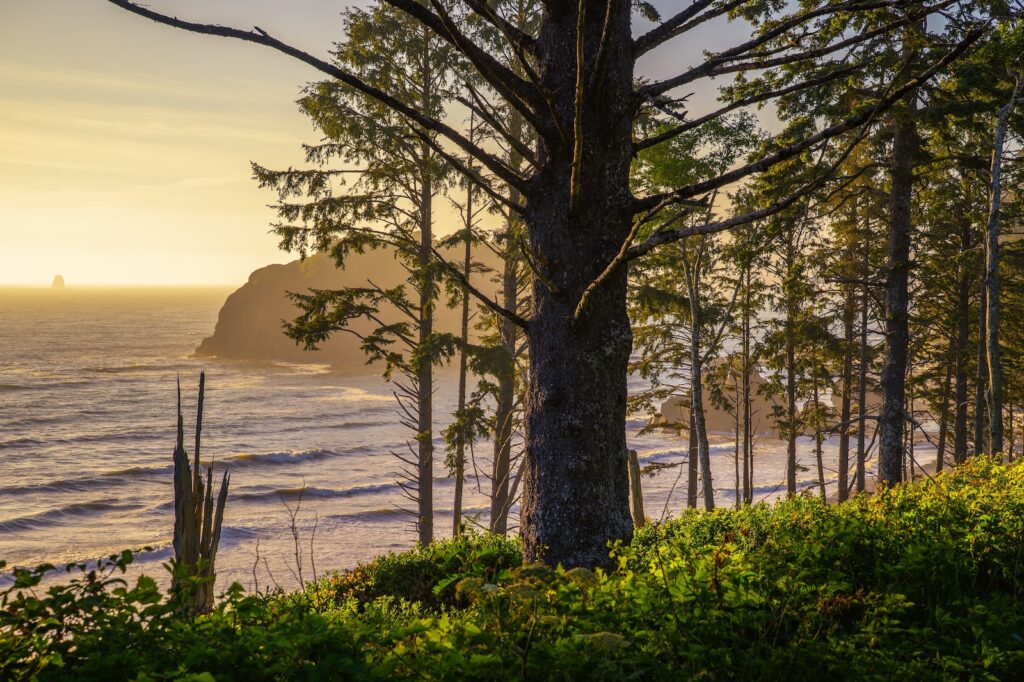
Spring is one of the most rewarding times to experience the Olympic Peninsula. As snowmelt feeds rivers and waterfalls and the forests regain their color, the region feels open, energetic, and refreshingly uncrowded. With cooler temperatures and longer daylight hours, spring is ideal for travelers seeking adventure without the pace of peak summer travel.
One of the most popular things to do on the Olympic Peninsula in spring is exploring Olympic National Park. Waterfalls such as Sol Duc Falls and Marymere Falls are especially impressive this time of year, fueled by seasonal runoff. Lower-elevation Olympic Peninsula hikes begin to open, offering access to mossy forests, river valleys, and coastal trails before summer crowds arrive.
Birdwatching is another highlight of spring across Olympic Peninsula Washington. Migratory species return to wetlands, shorelines, and forest edges, making places like the Dungeness National Wildlife Refuge a favorite for both casual observers and dedicated birders. Scenic driving along the Olympic Peninsula Loop also feels more relaxed in spring, with wide-open views of the Olympic Mountains, quiet coastal stretches, and charming small towns along the way.
Spending time in Port Angeles and Sequim adds a cultural layer to any spring adventure. From waterfront walks and local dining to farm visits and boutique shopping, these towns offer plenty of things to do in Port Angeles and in Sequim that balance outdoor exploration with laid-back enjoyment. Spring is also a great time to explore the beaches along the Strait of Juan de Fuca or the rugged Pacific coastline, where tidepooling and wildlife viewing are seasonal favorites.
Lodging Near Olympic National Park
After full days exploring trails, waterfalls, and scenic viewpoints, having a comfortable place to return to makes all the difference. Our vacation rentals in Port Angeles and Sequim place you close to Olympic National Park, Olympic National Forest, and many of the region’s top attractions. With spacious layouts, well-equipped kitchens, and pet-friendly options, these homes are ideal for couples, families, and adventure-focused travelers. Book your spring stay and experience the best things to do on the Olympic Peninsula at your own pace.
St. Augustine Historic District: What to See, Do, and Know Before You Go
Walking Through the St. Augustine Historic District
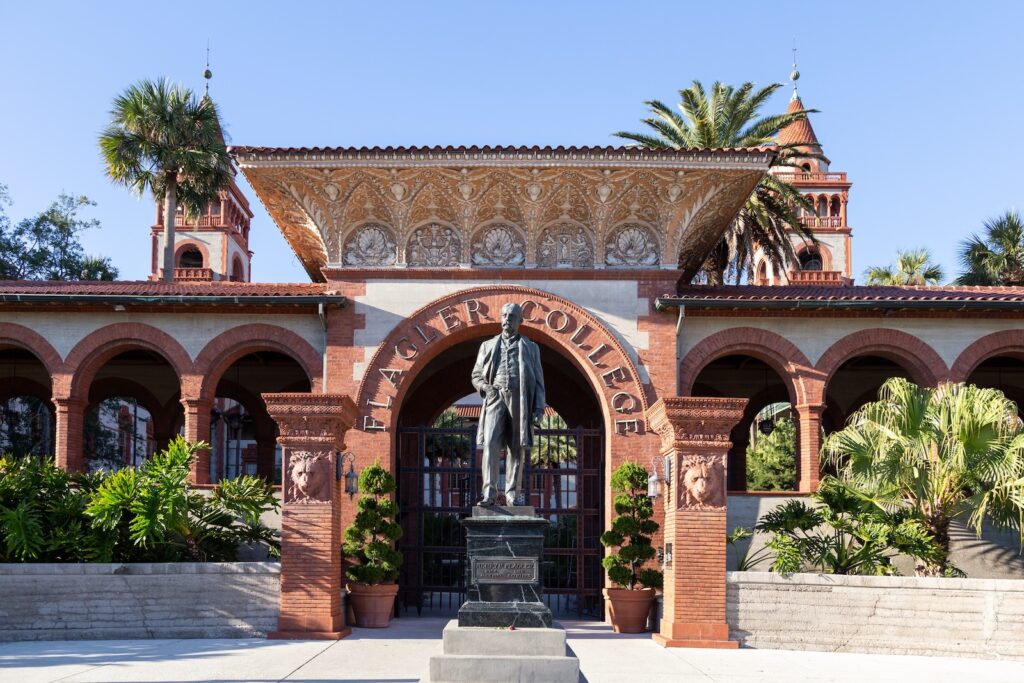
The St. Augustine Historic District packs more than 450 years of history into a stretch of downtown you can cover on foot in an afternoon. Brick-paved streets run from the Old City Gate toward the Castillo de San Marcos, and the pedestrian stretch of St. George Street lines the way with colonial-era buildings, hidden courtyards, coffee shops, galleries, and the occasional horse-drawn carriage. Old Town St. Augustine keeps that coastal, unhurried pace even as the history piles up around every corner.
The district preserves the heart of the oldest continuously occupied European settlement in the continental United States, founded in 1565 by Spanish explorer Pedro Menéndez de Avilés. The St. Augustine Town Plan National Historic Landmark District still follows the narrow streets, small blocks, and central plaza laid out under Spanish colonial planning centuries ago. Walk from the Old City Gate down St. George Street to the Plaza de la Constitución, then continue south toward Aviles and St. Francis streets, and you’ll pass through several distinct layers of historic St. Augustine in a short walk.
Things to Do in the St. Augustine Historic District
Within a few blocks, you can find so many of the top things to do in St. Augustine. You can explore a Spanish fort, walk through a Gilded Age hotel, and step into a museum housed in another of Henry Flagler’s grand resorts.
Castillo de San Marcos, construction of which began in 1672, is the oldest masonry fortification in the continental United States, built from coquina quarried on nearby Anastasia Island. Historic weapons demonstrations with cannons or muskets take place on select dates, so check the National Park Service calendar before a visit. Flagler College occupies the former Hotel Ponce de Leon, Flagler’s 1888 Gilded Age hotel, where guided tours take you through the Rotunda, Courtyard, and Dining Hall, the last known for its 79 Louis Comfort Tiffany stained-glass windows. Across King Street, the Lightner Museum fills the former Hotel Alcazar with fine and decorative arts and Gilded Age furnishings, including the building’s original indoor swimming pool.
The Cathedral Basilica of St. Augustine, home to the oldest Catholic parish in the United States, dates its current church building to 1793 through 1797. The Colonial Quarter offers a living-history look at daily life in the colonial era, with blacksmithing demonstrations and a 35-foot watchtower replica for views over the bayfront. Plaza de la Constitución remains a shaded gathering spot at the district’s center, and after dark, ghost tours wind past old cemeteries and historic streets tied to the city’s best-known legends.
Where to Stay: A Bed and Breakfast in the Middle of Old Town
For a historic getaway that puts all of this within walking distance, our Bed and Breakfast in St. Augustine sits directly on brick-paved St. George Street, in the quieter southern end of Old Town. The inn dates to 1791 and is listed on the National Register of Historic Places, with 19 individually decorated guest rooms and suites spread across five historic buildings. Select rooms feature fireplaces, whirlpool tubs, or private balconies, and every stay includes a daily breakfast buffet.
The details add up after a day spent exploring. A complimentary wine-and-beer social hour runs every evening, cookies come out fresh daily, and the courtyard fire pit is set up for s’mores after dark. Complimentary bicycles make it easy to cover more ground, and guests receive complimentary admission to the St. Augustine Lighthouse and Maritime Museum along with a 50% discount at the Oldest House Museum. Back at the inn, a solar-heated pool, shaded garden courtyard, and private guest parking round things out.
Book your stay at the St. Francis Inn and experience the St. Augustine Historic District right outside your door.
Frequently Asked Questions
Where is the historic district in St. Augustine?
The St. Augustine Historic District encompasses the downtown core, stretching from the Old City Gate along the pedestrian stretch of St. George Street to landmarks such as Castillo de San Marcos and Plaza de la Constitución.
Where to stay in the St. Augustine Historic District?
Staying directly on St. George Street, such as at the St. Francis Inn, puts you within walking distance of the fort, museums, restaurants, and the district’s historic streets.
When was St. Augustine founded?
St. Augustine was founded in 1565 by Spanish explorer Pedro Menéndez de Avilés, making it the oldest continuously occupied European settlement in the continental United States.
What is the oldest fortification in the historic district?
Castillo de San Marcos, construction of which began in 1672, is the oldest masonry fortification in the continental United States.
Book your stay at the St. Francis Inn and make the St. Augustine Historic District part of your next historic getaway.

Stunning Scenery on Scenic Drives in Colorado
Driving the Million Dollar Highway: What Makes This Colorado Drive Legendary
The Million Dollar Highway is one of the most talked-about scenic drives in Colorado, and once you see the San Juan Mountains rising on either side of US Highway 550, you understand why. This 25-mile stretch between Silverton and Ouray climbs through Red Mountain Pass, cuts along the Uncompahgre Gorge, and delivers the kind of views that stop conversation mid-sentence. It consistently ranks among the best places to visit in Colorado for those who want mountain scenery without a long approach hike.
The terrain shifts fast here. Forested slopes give way to open alpine country in a matter of miles, and the road itself connects old mining sites, trailheads, and overlooks that reward a slower pace. Drivers can finish the route in about 45 minutes if they do not stop, but detours along the route are what make this drive special. Plan a full day if you want time for a short hike, explore mountain towns, take a mine tour, or simply pulling off at every marked overlook.
Fall is one of the busiest seasons for this drive, and for good reason. The aspen groves along the route turn gold by late September, and the contrast against the red rock of Red Mountain Pass is hard to beat. Winter travelers should check road conditions before heading out, since avalanche control can close sections without much notice. Spring and summer bring easier driving and wildflowers at the higher elevations.
Your Bed and Breakfast Durango CO Home Base for the Drive
Durango sits about an hour from the southern end of the highway, which makes it a practical and comfortable base for the trip. Staying at a Bed and Breakfast in Durango CO means you can start early, avoid the crowds at the first few overlooks, and still be back in time for dinner along the Animas River. Antlers on the Creek puts you on Lightner Creek, just far enough from downtown to feel quiet but close enough that all the best things to do in Durango are close at hand.
After a day on the switchbacks, soak in the hot tub as the sun drops behind the mountains, then settle into a king or queen suite with a plush robe waiting. Mornings start with a homemade breakfast, and guests looking to make a stay feel extra special can add Breakfast in Bed, delivered with a seasonal entrée, pastries, and a preferred morning drink.
Million Dollar Highway: Frequently Asked Questions
Where is the Million Dollar Highway?
The Million Dollar Highway runs through southwest Colorado along US Highway 550, cutting through the San Juan Mountains between Silverton and Ouray.
Where does the Million Dollar Highway start and end?
The drive begins in Silverton and ends in Ouray, covering roughly 25 miles. Many travelers extend the trip to include Durango, Ridgway, or Telluride.
Why is it called the Million Dollar Highway?
No one has confirmed a single origin. Some say it refers to the value of the mountain views, others point to stories about the cost of building the road through such steep terrain, and some tie it to the gold and silver once mined from these mountains.
Plan Your Trip from Durango
The Million Dollar Highway demands time and respect of the terrain, and Durango makes an easy launch point for the drive. Book your stay at Antlers on the Creek, a Bed and Breakfast in Durango CO built for unwinding, and start planning your Million Dollar Highway trip today.

Summer Activities at the Iconic Sugarbush Resort
Best Sugarbush Resort Guide for Summer Adventure
Sugarbush Resort is widely known for winter sports, but summer reveals a different side of this Vermont destination. Set in the Mad River Valley, the resort transitions into a mountain landscape filled with fresh air, open trails, and a wide range of outdoor activities. A summer visit offers the chance to experience Sugarbush Resort from a new perspective, where hiking, biking, and scenic views define the pace of each day.
Hiking is one of the most popular ways to explore the area. Trails at Lincoln Peak range from short, accessible loops to more demanding climbs, such as the Castle Rock Summit route. Scenic lift rides add flexibility, allowing visitors to ride up and hike down or create a customized route. Mountain biking is equally prominent, with lift-served downhill trails designed for experienced riders, along with rental options for those who prefer a more relaxed ride.
Golf is another highlight during the summer in Vermont. The Sugarbush Resort Golf Club, designed by Robert Trent Jones Sr., features an 18-hole course shaped by the natural terrain of the Green Mountains. Disc golf provides a casual alternative, with a wooded course located near the base area. Heading to Sugarbush in the warmer months is one of the best things to do in Vermont!
Vermont Bed and Breakfast near Sugarbush Resort
West Hill House B&B offers convenient access to Sugarbush Resort while providing a comfortable and welcoming place to stay. Located just minutes from the resort, this Sugarbush Bed and Breakfast combines historic character with thoughtful amenities. Guests can start the day with a freshly prepared breakfast before heading out to explore hiking trails, schedule a tee time, or visit nearby dining options.
The property features nine guest rooms, each designed for relaxation after a day outdoors. Common spaces, including a sunroom and gardens, provide quiet areas to unwind. Innkeepers are available to assist with local recommendations, helping guests make the most of their summer itinerary in the Mad River Valley. It’s the perfect place for a couple’s getaway!
From outdoor recreation to local dining and seasonal events, Sugarbush Resort, Vermont, offers a well-rounded summer experience. Booking a stay nearby ensures easy access to the area’s activities while maintaining a comfortable retreat at the end of the day.